High naltitude is something we talk about A LOT when it comes to Cusco and Machu Picchu – and for good reason. Most of us spend our daily lives close to sea level. Cities like Paris, Berlin, London, Beijing, or New York all sit well below 50 meters above sea level, so our bodies are simply not used to functioning at extreme elevations.
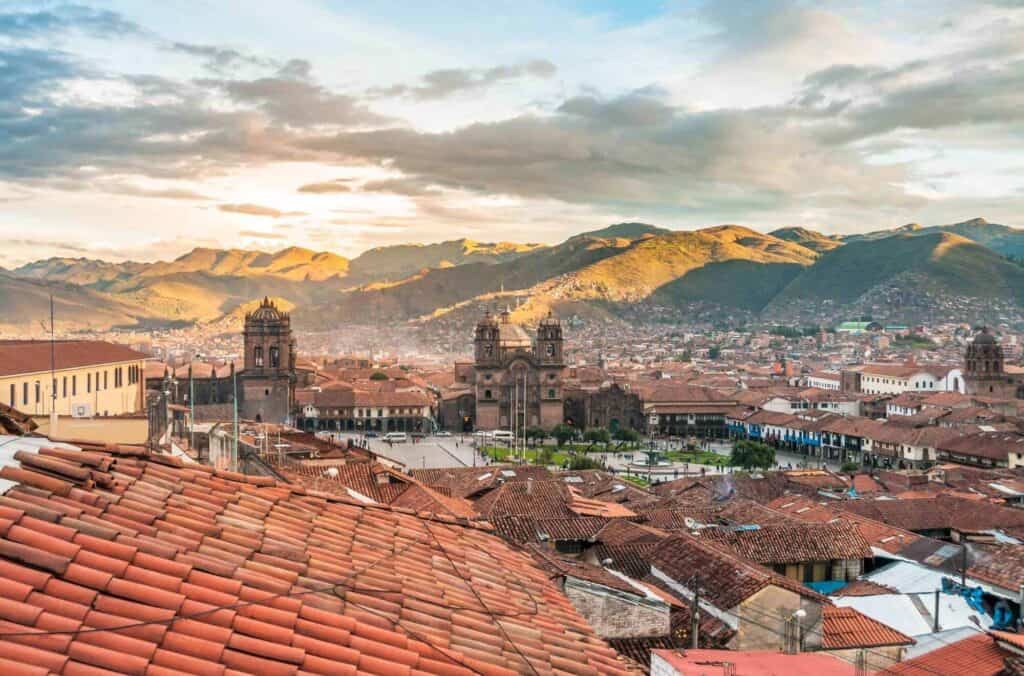
The Cusco altitude, however, is a different story. Located at 3,399 meters (11,151 ft) above sea level, it is one of the highest cities in the world. While the citadel of Machu Picchu and the Sacred Valley sit at lower elevations, they are still much higher than what most travelers have ever experienced. Add trekking routes in the Peruvian Andes – many of which climb above 4,000 or even 5,000 meters – and it’s easy to see why acclimatization plays such an important role in any Peru itinerary.
In this guide, we explain everything you should know about altitude, how to prepare for traveling to a high elevation destination, so you can enjoy your time in Peru comfortably and safely.
Who Is Affected by Altitude Sickness?
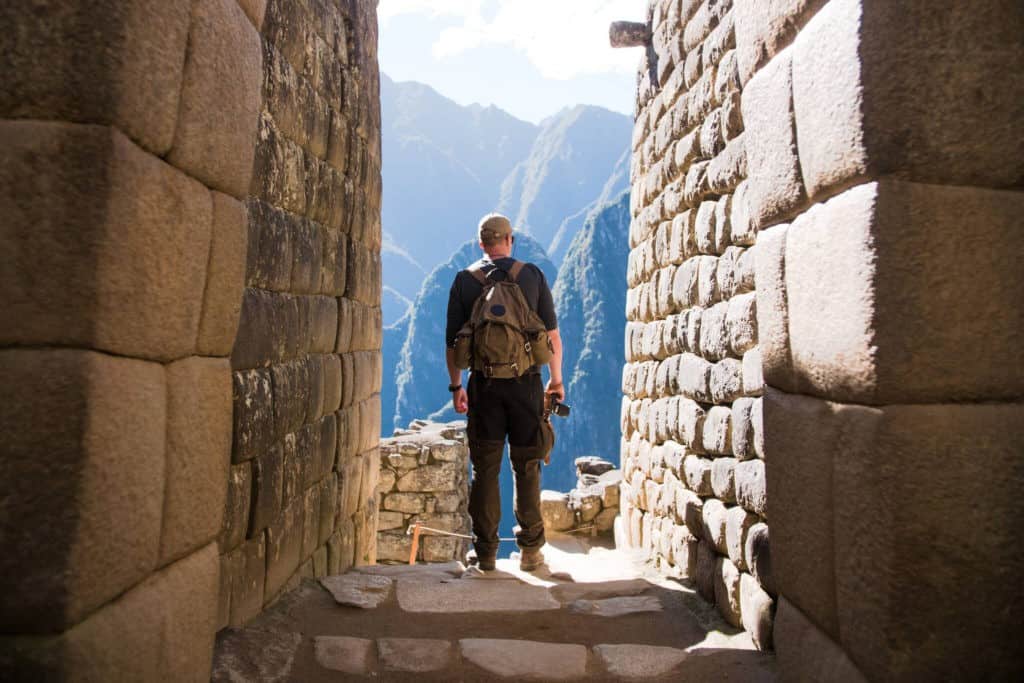
In short: everyone can be.
Altitude sickness depends on factors such as elevation, how quickly you ascend, and your individual sensitivity to altitude. It can affect anyone, and there are no reliable indicators – such as age, gender, or fitness level – that predict who will experience symptoms or how severe they may be.
We sometimes have senior travelers who don’t feel any effects from the altitude at all, and young, very active travelers who experience altitude sickness symptoms almost immediately upon arrival. It really varies from person to person, so we strongly recommend taking it slow and following our tips.
Most people can reach elevations of up to around 2,438 meters (8,000 ft) with little or no effect. However, if you have never been at altitude before, it’s important to be cautious. Above 3,000 meters (10,000 ft), up to 75 percent of people experience some degree of symptoms due to a lack of oxygen.
What is Altitude Sickness, Anyway?
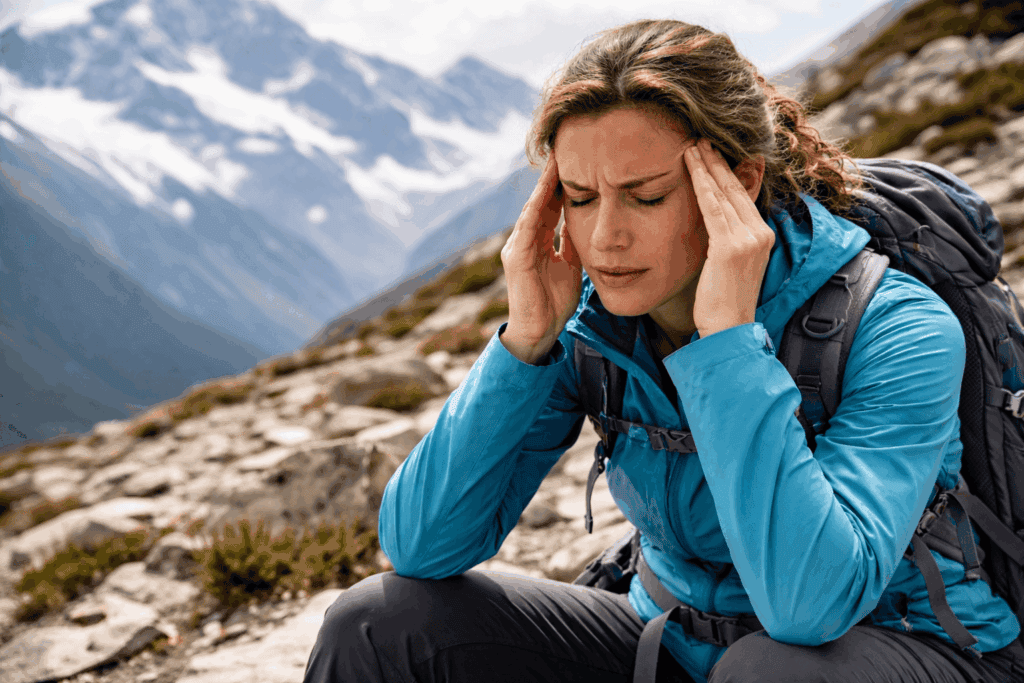
Indications of altitude sickness include headache, dizziness, fatigue, shortness of breath, loss of appetite, a high heart rate, nausea, disturbed sleep, and a general feeling of malaise. Symptoms tend to be worse at night and when respiratory drive is decreased. They usually start 10-24 hours after arrival and begin to decrease in severity by the third day.
Mountain sickness does not usually interfere with normal activity and symptoms generally subside within 2-4 days as the body acclimatizes. Occasionally, some will be confined to bed rest during the first day at altitude. As long as symptoms are mild, ascent can continue at a moderate rate. When hiking, it is essential that you communicate any symptoms of illness immediately to your guide
What Happens in Your Body During Altitude Sickness
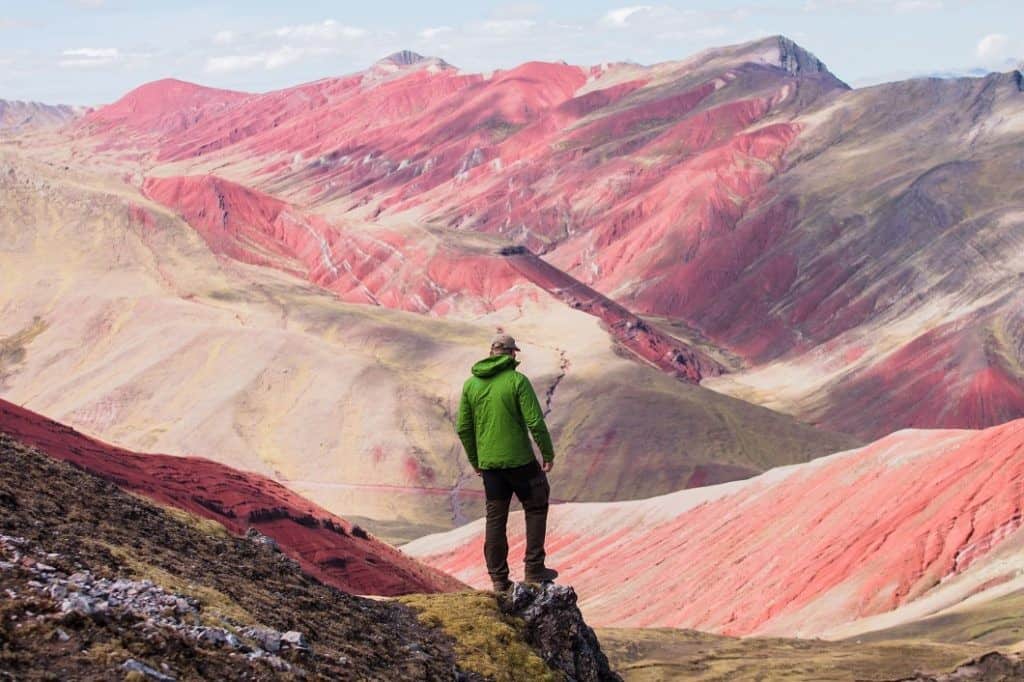
When you go to a higher altitude, the air pressure is lower than at sea level. This means that each breath contains less oxygen, so your oxygen levels in the blood drop.
In response, your body tries to adapt by producing more red blood cells, which help carry oxygen through the bloodstream. However, this process takes time. If your body cannot adjust quickly enough you may start to experience altitude sickness.
At first, lower oxygen levels affect the brain, which can cause symptoms like headaches, dizziness, nausea, tingle and fatigue. In more severe cases, fluid can leak into brain tissue, leading to cerebral edema (swelling of the brain). This is a serious condition that requires immediate medical attention. Similarly, it can affect the lungs. Fluid may build up in the air sacs of the lungs, causing pulmonary edema. This makes breathing difficult and further reduces oxygen delivery to the body. These complications are rare and occur only in extreme cases.
Don’t think it will happen to you? Well, you might be right. However, in 20 years of operation Apus Peru has had guests with both types of edema, and the situations were completely unpredictable. We don’t want to scare you, but it can happen.
How Can I Prevent Altitude Sickness?
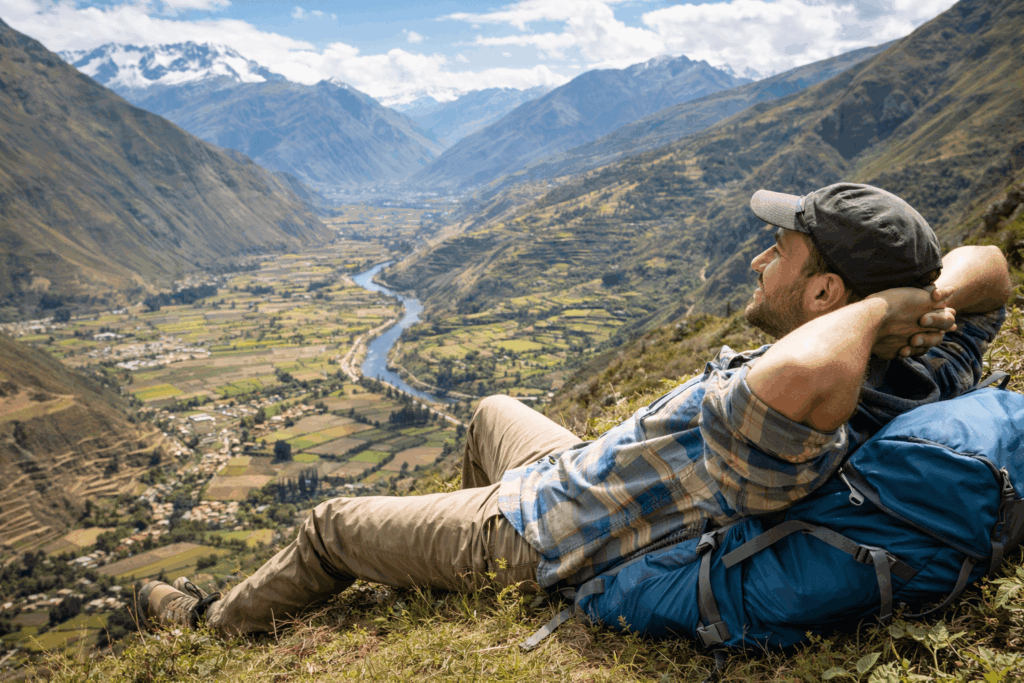
The best prevention of altitude sickness is proper acclimatization, which is a great excuse to spend extra time in Cusco and the Sacred Valley, with so much to see and do! We also offer lots of great day tours to Urubamba, Ollantaytambo, and other high-altitude places that help fill your time.
And if you’re coming specifically to do some Andean trekking, don’t forget about our Pre Trek Acclimatization Tour! This 4-day excursion start the first few days in the lower-altitude Sacred Valley and builds up, with a little bit of hiking included almost every day to help you get ready for your big Peruvian trek.
Mild Symptoms at High Altitude
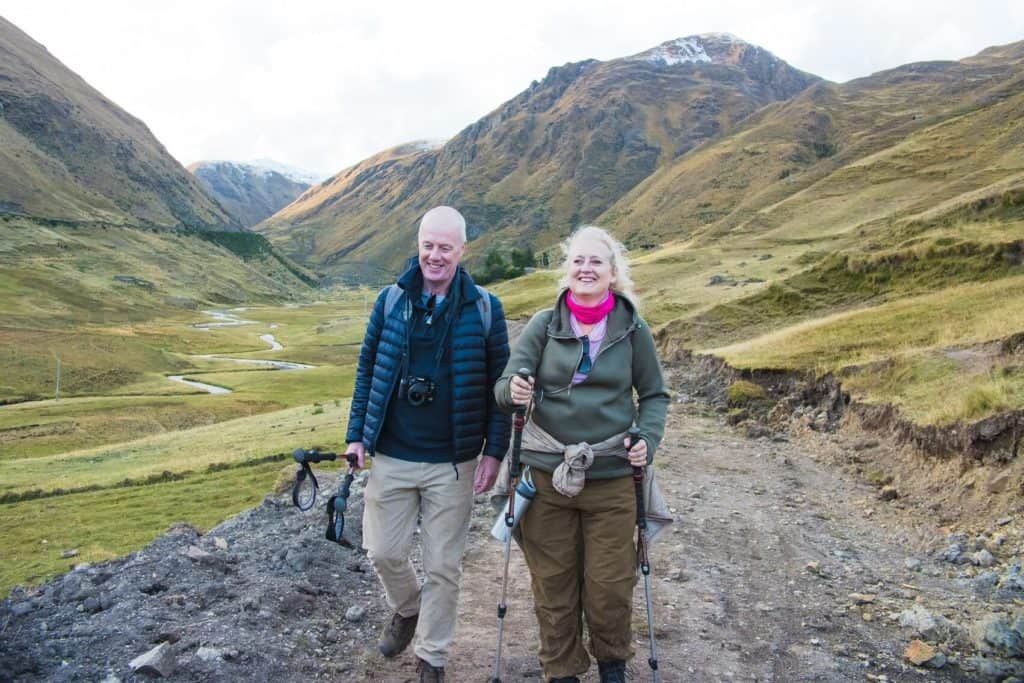
If you experience mild symptoms of altitude sickness when you arrive in Cusco, the best approach is to slow down and give your body time to adjust. The following tips can help relieve and prevent symptoms:
Take it easy. Get plenty of rest and avoid overexertion, especially during your first day or two. Light activity is better than sleeping all day, as breathing slows during sleep, which can worsen symptoms.
Avoid alcohol, tobacco, and sleeping aids. Alcohol, cigarettes, and depressant medications (such as sleeping pills or tranquilizers) reduce breathing efficiency, particularly at night, and can intensify symptoms. If you do consume alcohol, tobacco, or coffee, be sure to drink extra water to counter their dehydrating effects.
Eat a high-carbohydrate diet. Your body benefits from light meals with easily digestible energy. Experts recommend that more than 70 percent of your calories come from carbohydrates while acclimatizing.
Staying hydrated. Drinking plenty of fluids is essential. In the Andes, coca tea is a traditional remedy for mountain sickness (known locally as soroche), but water, herbal teas, juice, and electrolyte drinks are equally helpful. Chewing coca leaves may also ease symptoms for some people.It is one of the best natural remedies, though many people don’t like its bitter taske.
Severe Symptoms at High Altitude in Peru
If your symptoms are severe, medical treatment may be necessary. There are medications available to help manage mountain sickness, and local pharmacies in the city of Cusco can usually provide appropriate options (such as acetazolamide, brand name Diamox) However, if symptoms worsen or do not improve, seeking medical attention is essential.
To help minimise the risk and severity of altitude sickness, keep the following guidelines in mind:
Ascend gradually. Whenever possible, start below 3,000 meters (10,000 ft) and gain altitude slowly on foot rather than flying or driving directly to higher elevations.
Take it easy after arrival. If you do fly or drive to the high mountains, avoid strenuous activity and do not ascend further during your first 24 hours. Explore Cusco slowly!
Limit daily altitude gain. Above 3,000 meters, increase your sleeping altitude by no more than 305 meters (1,000 ft) per day. For every 915 meters (3,000 ft) gained, plan a rest day to allow your body to adjust.
Climb high, sleep low. You can ascend higher during the day as long as you return to a lower elevation to sleep. Keep in mind that everyone acclimatizes at a different pace, so make sure all members of your group are adjusting well before continuing higher.
Stay well hydrated. It’s important to drink plenty of fluids – at least 2.8 to 3.8 litres per day. Your urine should be clear and plentiful, which is a good indicator of proper hydration. Drink coca tea!
Cusco sits at a high elevation, and the altitude of Cusco can affect travelers differently depending on individual susceptibility. Spending a few relaxed days in Cusco helps many people acclimatize, but it’s also possible to experience Cusco without staying long at high altitude by starting in lower regions. For example, the altitude of the Sacred Valley is significantly lower and often easier on the body. High destinations exist across South America – from La Paz, Bolivia, to parts of Ecuador – but with good planning, travelers can enjoy these places comfortably and safely.
Plan Your Peru Trip AND Avoid Altitude Sickness in Peru
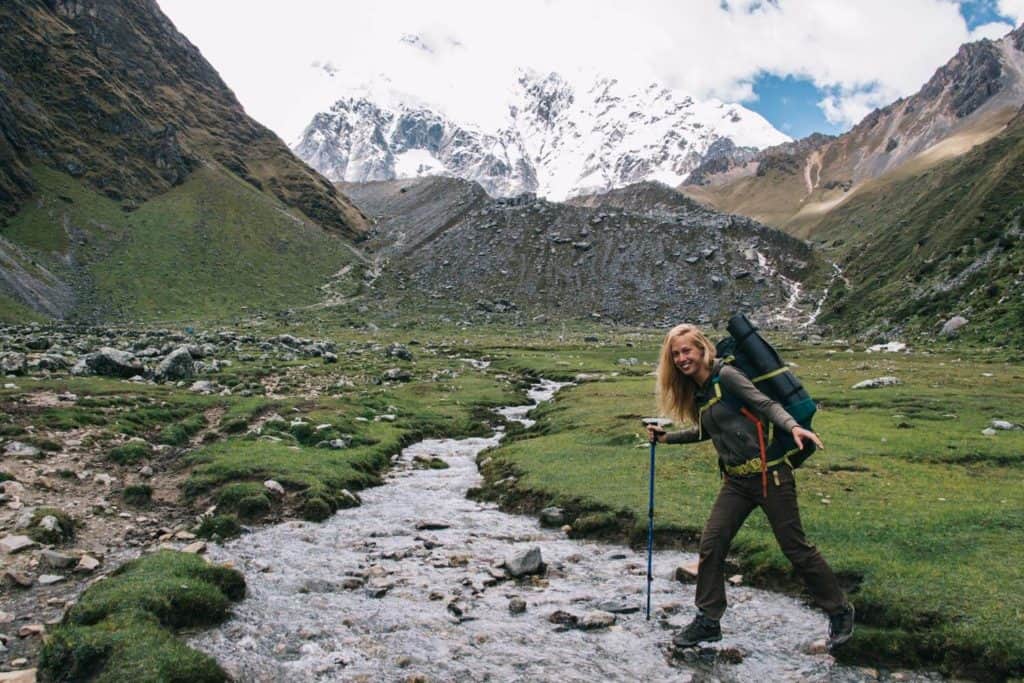
Altitude sickness in Peru doesn’t have to be something that holds you back from enjoying Peru – it just requires a bit of awareness and preparation. Just include enough time to acclimate, and listening to the early signals your body gives you. With the right pacing and a flexible itinerary, nothing can go wong! And in case you are suffering from altitude sickness, you can always decide to travel to lower places, like Machu Picchu or the Sacred Valley.
And if you know that you are a bit sensitive to higher places or feel concerned about Cusco elevation, we can help you design the perfect trip to Peru. Instead of hiking, you can simply take the train to Machu Picchu, and there are many fascinating archaeological Inca sites at low elevations that are easy to reach and just as rewarding to explore.