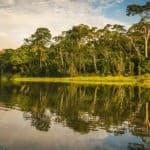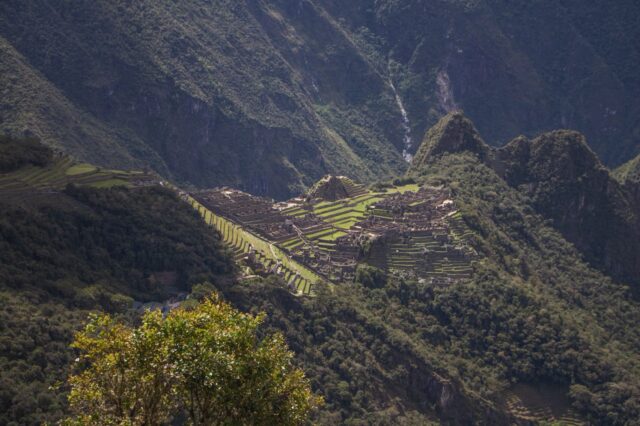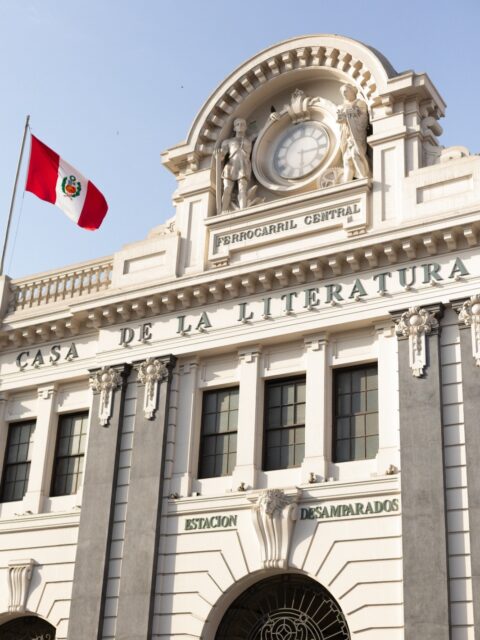
Yes, we know that Cusco is world-famous for being close to Machu Picchu – but it is also the perfect starting point for an unforgettable Amazon adventure. Just a few hours from the heart of the Andes, the vast and biodiverse Manu National Park in southeastern Peru offers a completely different side of the country.
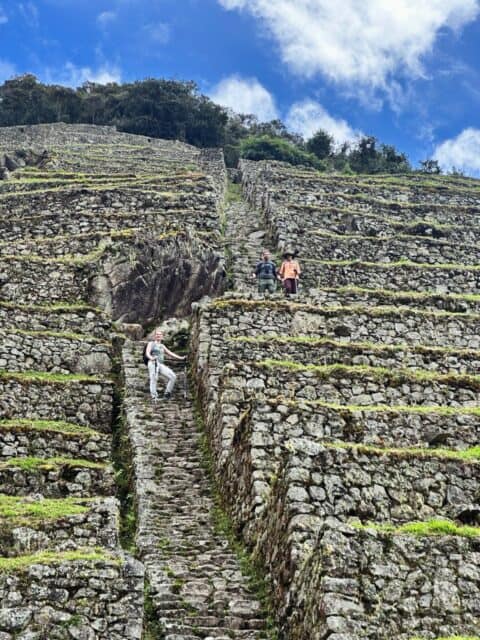
After or before hiking the Inca Trail or exploring Cusco’s ancient ruins, you can trade stone temples and mountain peaks for lush rainforest, winding rivers, and exotic wildlife. Combining the Andes and the Amazon in one trip is the ultimate way to experience Peru in all its diversity – and the Manu biosphere is one of the best places to do it!
How to Get to Manu from Cusco
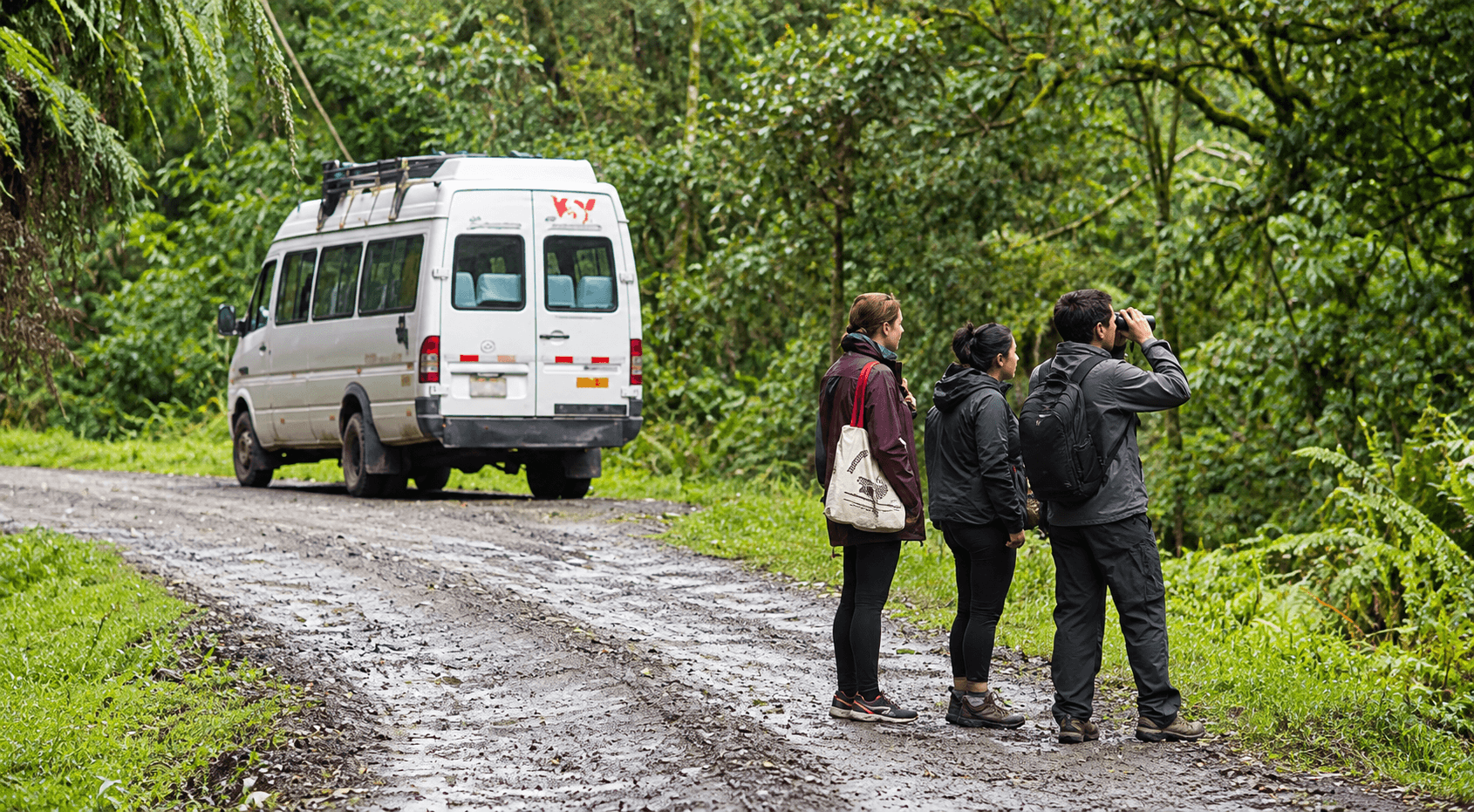
Getting to Manu from Cusco is easier than many travelers think. Just keep in mind that you need time and patience! The journey usually begins with an overland drive from Cusco, heading southeast into the cloud forest region.
Because there are no airports inside Manu and flights are not an option, all access is by road and river, and always with a licensed tour operator. The journey itself is part of the adventure – transitioning from high Andes landscapes to lush lowland rainforest in a single day.
From Cusco, you’ll first drive about three hours to Paucartambo, and then continue deeper into the jungle. If you’re there during the Virgen del Carmen festival or between late May and early July, you can even catch the magical Tres Cruces sunset. How you continue then depends on which part of Manu you’re visiting and the type of Amazon tour you choose.
Cultural Zone (Zona Cultural / Buffer Zone): This is the most accessible part of the park. Most tours travel entirely by road – a scenic journey of around 7 to 8 hours from Cusco to the lodge, passing through Andean highlands, traditional villages, and misty cloud forest. If you are looking for an accommodation, we recommend the Loge Gallito de las Rocas.
Check prices and availability for Loge Gallito de las Rocas
Manu Reserved Zone (Zona Reservada): This is the most protected and pristine part of the park. Access is strictly regulated and only possible with special permits and authorized tour operators. Because it’s farther inside, tours here are usually 6–8 days long and combine road travel with long boat rides. These areas offer the best chances to spot rare wildlife.
There’s also the Core Zone, one of the most protected areas on the planet. This ecology zone is completely off-limits to visitors, as it’s home to uncontacted Indigenous communities and reserved solely for scientific research and conservation efforts.
Choosing the Right Manu National Park Tour Option
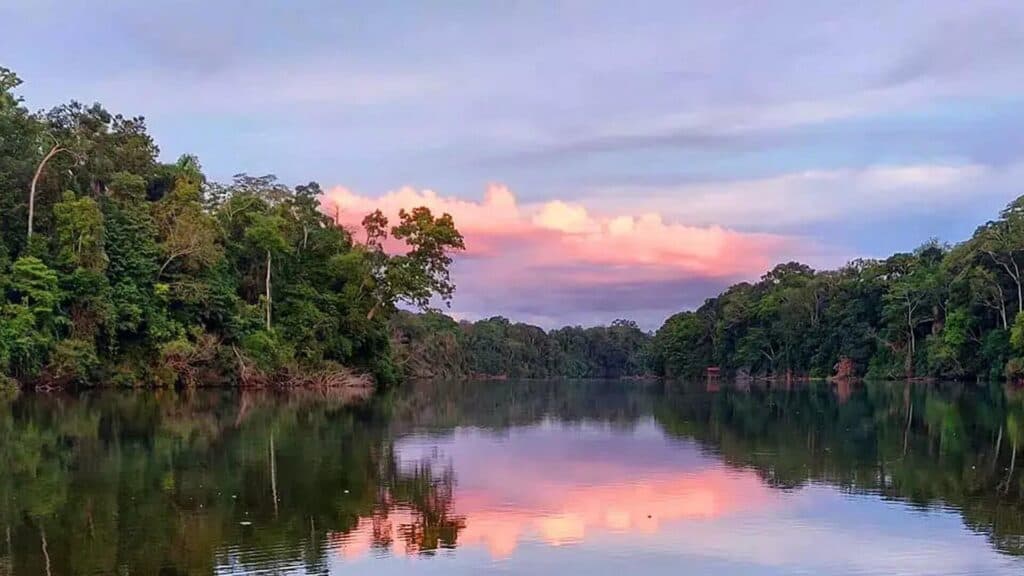
The Manu jungle is best explored on guided jungle tours organized by professional operators, with accommodation ranging from rustic shelters to comfortable eco-lodges tucked deep in the forest.
Daily excursions include boat rides, guided hikes, and unforgettable wildlife expeditions. Unlike other parts of the Peruvian Amazon rainforest, large cruise boats don’t operate here due to Manu’s remote location and protected status – so lodges are the main way to stay close to the action.
It’s also important to note that exploring Manu is a different Amazon experience compared to destinations like Iquitos or Tambopata. In those places, you usually stay at one lodge and use it as a base for daily activities. In Manu, however, you travel deeper into the rainforest each day, staying in different accommodations along the way. This makes longer rainforest tours especially rewarding. The deeper you go, the more pristine the jungle becomes and the greater your chances of spotting rare wildlife!
There’s no one-size-fits-all way to explore Manu – the park offers a variety of tours to match your time, interests, and travel style.
One thing we definitely recommend when choosing a Manu tour is to check the inclusions carefully – especially the guide. Make sure your tour includes a local, certified guide!
I actually did my very first Manu tour with guides who were not very professional… and trust me, it makes a huge difference. In the jungle, you can walk right past incredible wildlife without even noticing it. A good guide will suddenly point into the bushes and somehow spot a tiny bird you would never have seen on your own, while also sharing fascinating insights about the rainforest, the animals, and local life.
When choosing your tour, you’ll also find both shorter and longer options available, which we explain below:
Short Tours (3 days, 4 days or more) to Manu Cultural Zone:
Perfect if you’re short on time but still want a taste of the Amazon. These itineraries focus on Manu’s highlights – spotting colorful macaws at clay licks, exploring canopy walkways high above the forest floor, and gliding along the Madre de Dios river in search of caimans, monkeys, and giant otters.
Longer Immersive Tours (min. 5-day tour or more):
If wildlife watching is a top priority, a longer trip lets you go deeper into the park and experience more. Expect night walks to spot nocturnal creatures, visits to local communities, and multi-day hikes through pristine rainforest far from the crowds.
Things to Keep in Mind For Your Manu Amazon Tour
A trip to Manu is an unforgettable experience – but a little preparation goes a long way in making it smooth, safe, and comfortable.
1. Basic Accommodation in the Manu Jungle
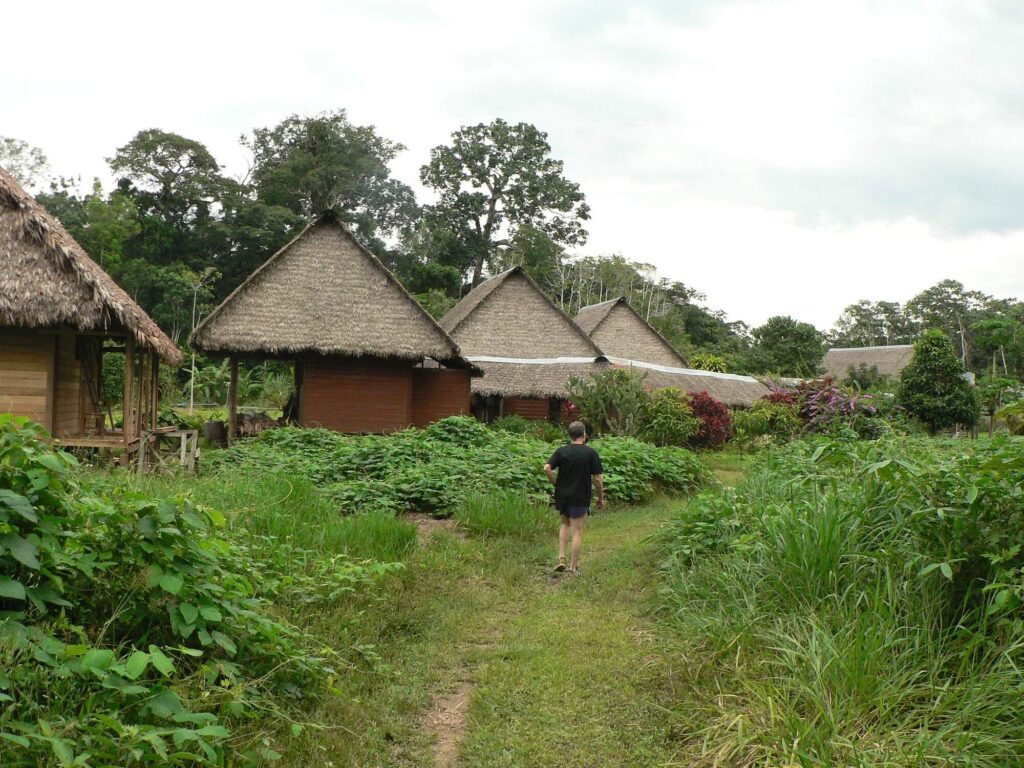
One major difference compared to tours in Iquitos or Puerto Maldonado is that in Manu, you are generally not staying in fancy jungle lodges. As mentioned before, the journey takes you deeper and deeper into the rainforest, so you keep moving between different accommodations along the way. Sometimes you stay two nights in the same place, but usually the tour is quite mobile.
It’s important to know that the accommodation is very basic – definitely not comparable to hotels in places like Cusco. The beds are clean, and you usually have access to showers and toilets, but conditions can be simple. Sometimes there’s no hot water (which honestly is not such a big issue in the jungle heat anyway), and cleanliness standards can feel different because of the humid rainforest environment.
Most lodges do have electricity and internet nowadays, but it’s often limited to a few hours in the evening, so don’t expect to be connected all the time. If you want to take a shower after 9pm, you’ll probably be doing it with your flashlight on – otherwise you’ll be completely in the dark!
2. Travel Days Are VERY Long
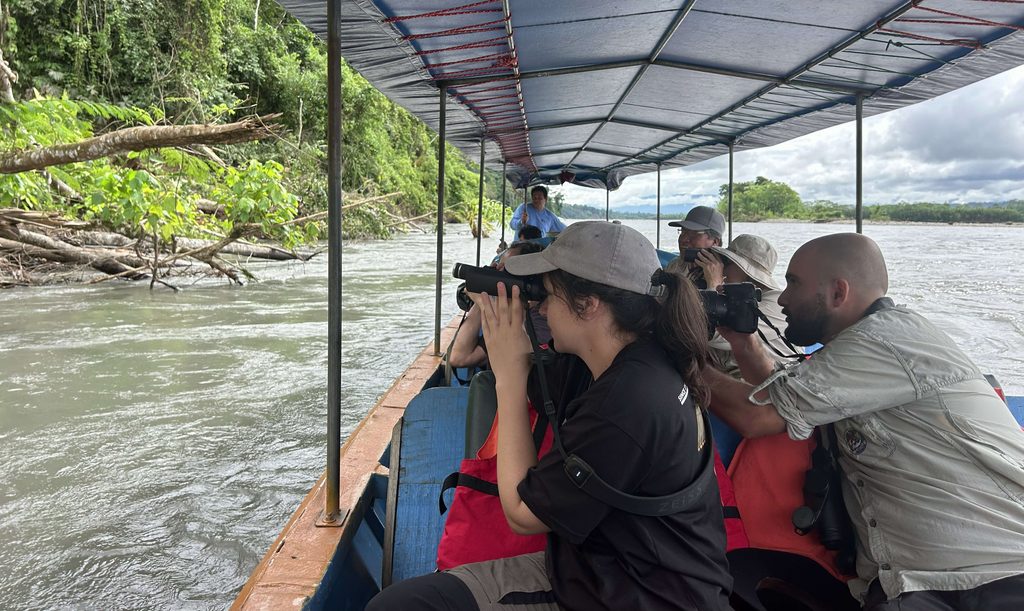
As mentioned before, the journey into Manu is long… but honestly, I really want to emphasize: it is VERY long!
When I did the 6-day Manu tour, the first day was basically an entire day of driving from Cusco until reaching the first part of the Cultural Zone. Luckily, you usually stop along the way quite a bit – for viewpoints, birdwatching, beautiful landscapes, waterfalls, or small interpretation centers that some tour operators visit. Those stops definitely help break up the drive.
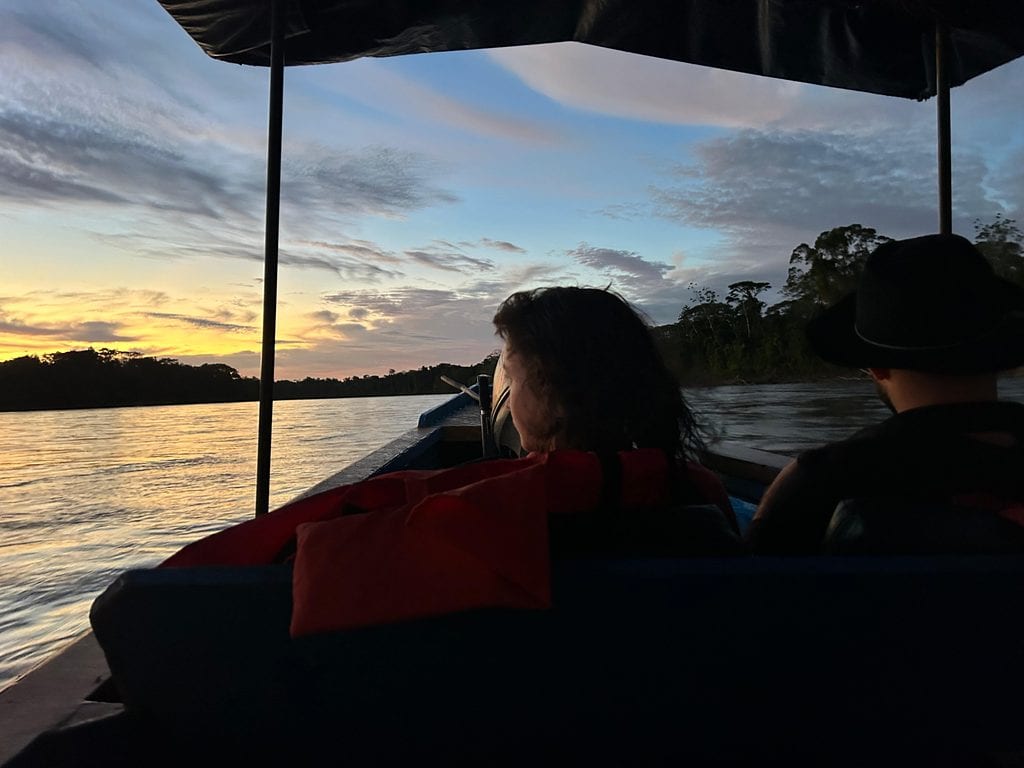
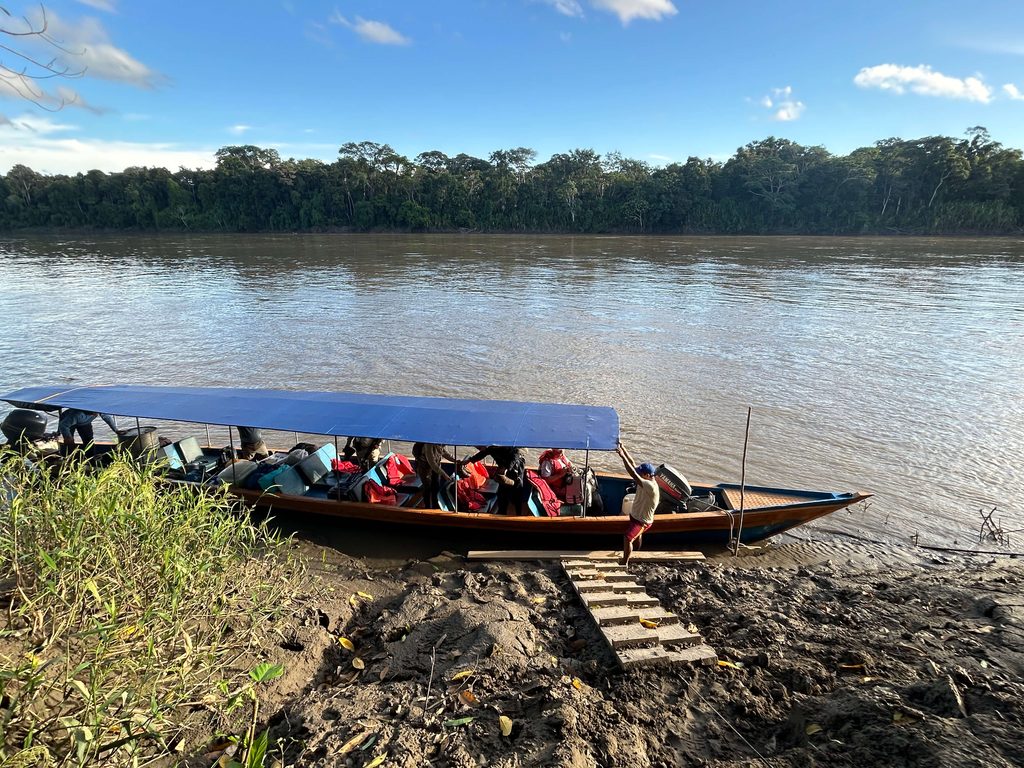
On the second day, you normally continue by car to Atalaya, the small harbor town. There, you say goodbye to the driver, put on your rubber boots, and hop into the boat. From that point on, you travel between different lodges by river and do activities like wildlife spotting, jungle walks, lake visits, and more.
But once you continue deeper into the Cultural Zone – or even farther into the Reserved Zone – the boat journeys become very long too. Sometimes you spend almost the entire day on the river. And remember: on the way in, you’re traveling downstream, so the return trip against the current takes even longer!
On our tour, we spent a full day in the boat on the way back, then stayed overnight at a lodge near the harbor. The next morning, we still had another hour by boat to Atalaya… and after that, the entire long drive back to Cusco by car.
It’s an incredible experience, but definitely don’t underestimate how much time you’ll spend traveling.
3. Wildlife Sightings Are Never Guaranteed
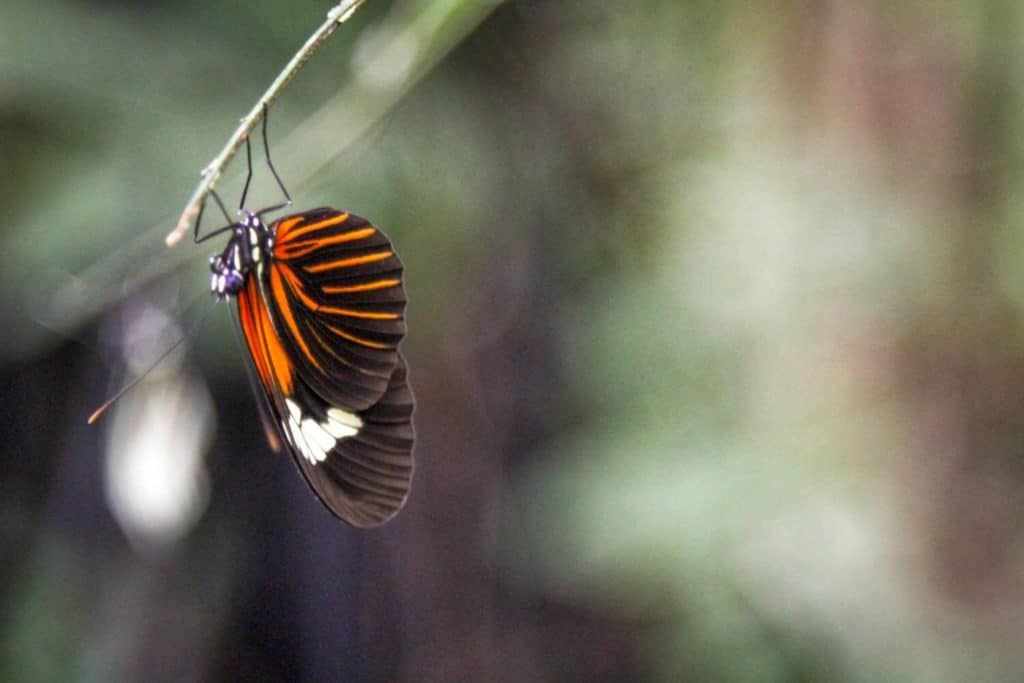
When it comes to animals in Manu, you can be very lucky… or not! That’s simply how the jungle works.
You’ll have the chance to see lots of birds, monkeys, insects, and other smaller wildlife – sometimes even entire flocks of colorful birds flying overhead – but it’s important not to arrive with expectations of spotting a jaguar or other very rare animals. Some tours visit special places where you might see tapirs, giant otters, or macaws, but in the end, nature decides.
That’s honestly part of what makes Manu feel so wild and special. The best approach is to go with the flow, enjoy the experience, and appreciate every sighting you do get along the way.
4. Yes, the Jungle Can Suddenly Get VERY Cold

This surprised me the most when I visited Manu: sometimes the jungle gets REALLY cold!
There is a weather phenomenon called a “friaje” (cold front), which usually happens a few times a year, especially between May and September, when cold air from Patagonia moves up into the Amazon basin. Temperatures can suddenly drop dramatically from one day to the next.
When I was there, it actually happened to us. One moment it was super hot and humid, almost 30°C, and then it started raining and suddenly the temperature dropped to around 14°C. And of course… that was also the day we had to spend hours returning by boat!
The combination of rain, wind, and the moving boat felt freezing compared to the jungle heat we had before. So definitely bring some warm layers just in case – a sweater, light jacket, scarf, or something to cover your head for the boat ride can make a huge difference.
Wildlife Highlights: What You Can See in Manu
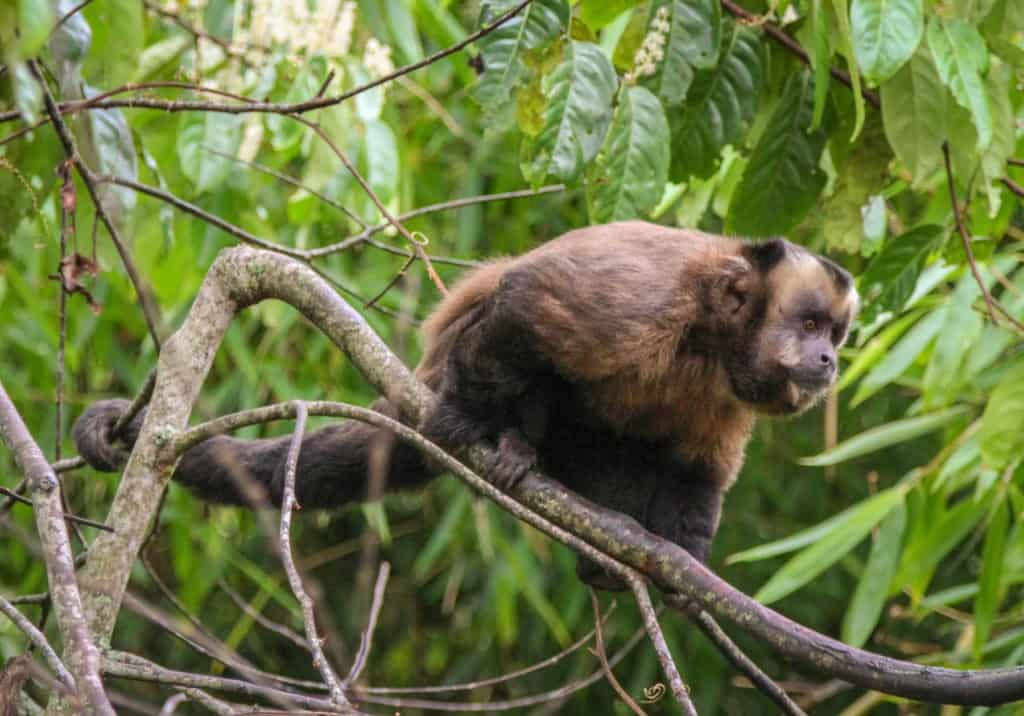
One of the main reasons travelers choose Manu over other Amazon destinations is its exceptional biodiversity. Recognized by UNESCO as a World Heritage Site and Biosphere Reserve, Manu is home to an astonishing variety of species – more than 1,000 bird species, and countless reptiles, amphibians, and insects.
When I was in Manu the last time, I did a 6-day tour and we spotted 133 different bird species, 8 monkey species, and even giant otters – it was incredible!
To be fair, I only know the exact numbers because there was a couple of biologists in my group who were completely obsessed with the birds and wrote absolutely everything down. We didn’t see tapirs or any of the really huge animals, but honestly, it was still very impressive!
Because the park covers such a wide range of ecosystems, from Andean cloud forest to lowland rainforest, your chances of spotting rare wildlife here are higher than almost anywhere else in the Amazon.
Macaws at the Clay Licks (Collpa)
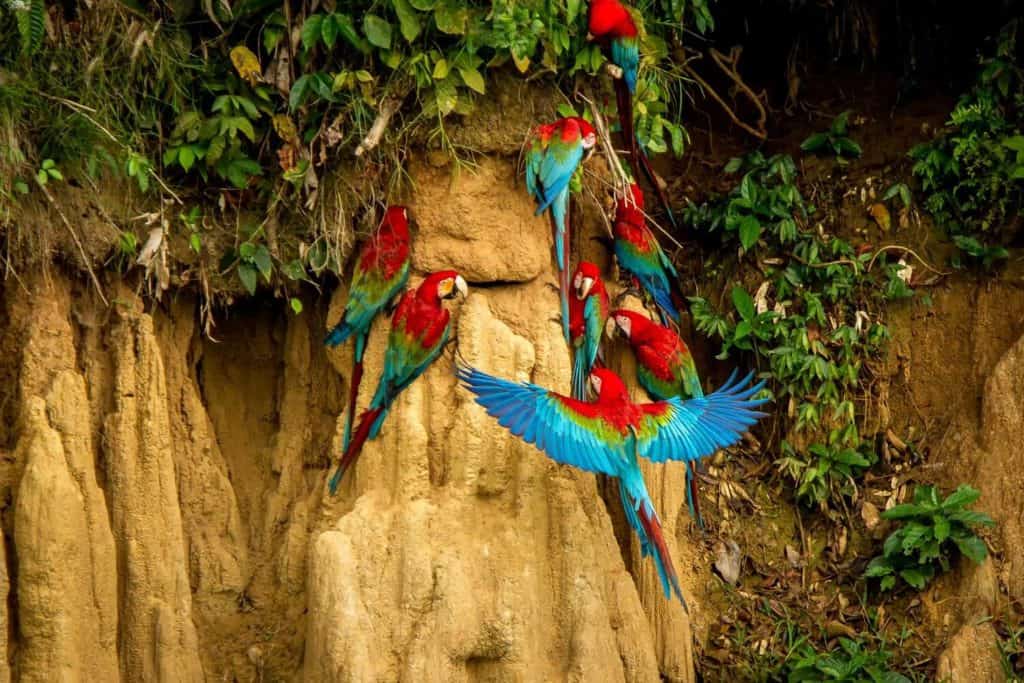
One of Manu’s most iconic wildlife experiences is watching hundreds of macaws and parrots gather at clay licks to feed on mineral-rich soil. The spectacle is colorful, and unforgettable – especially in the early morning when the birds are most active.
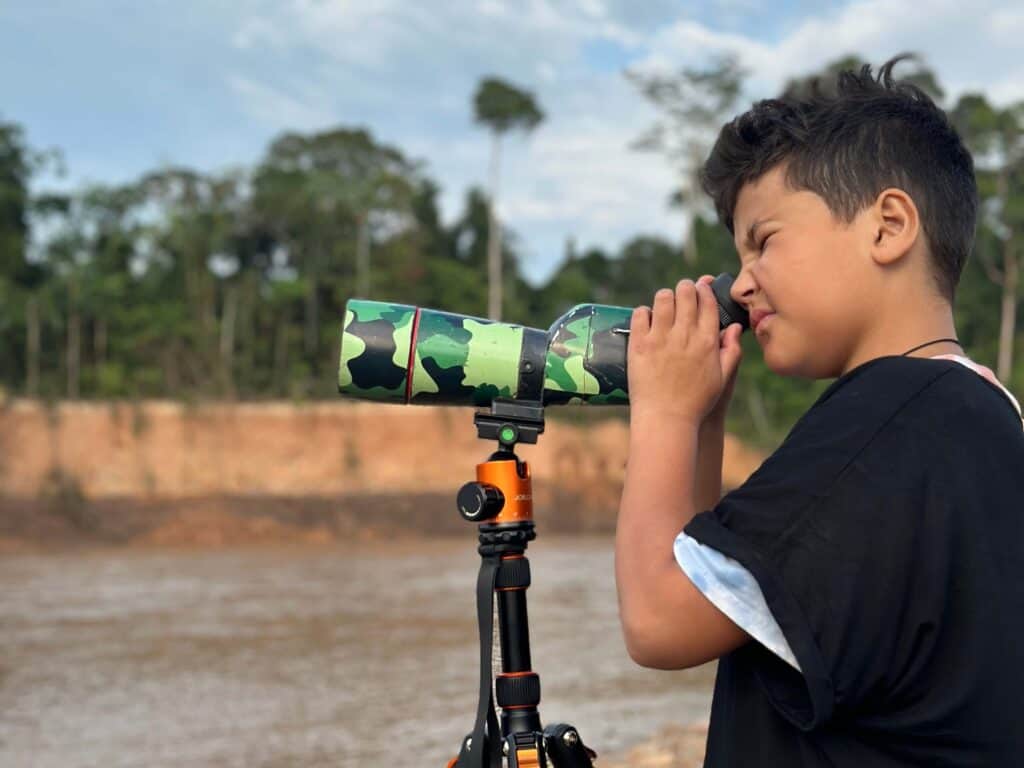
Keep in mind that at most clay licks, you’ll be observing the birds from a distance using binoculars, which can be fascinating but sometimes requires careful focus. On some days, the birds may even be farther away. For most lodges that visit only the cultural zone, all tours go to the same clay lick on the opposite side of the river. This way, the birds aren’t disturbed by people, and your tour guide can help you spot them with the binoculars.
Many knowledgeable guides are also skilled photographers and can even take close-up photos through your binoculars using your phone – giving you amazing shots of these vibrant birds.
Amazonian Mammals
Manu is home to a remarkable variety of mammals. Troops of howler monkeys and capuchins swing noisily through the canopy, while sloths blend into the trees with their slow, deliberate movements. Along riverbanks, you might spot capybaras – the world’s largest rodents – or, if you are lucky, a family of playful giant river otters, one of Manu’s star species. The rich cultural park is also one of the few places in Peru where there’s a chance to see tapirs and even the elusive jaguar.
A Paradise for Butterflies and Insects
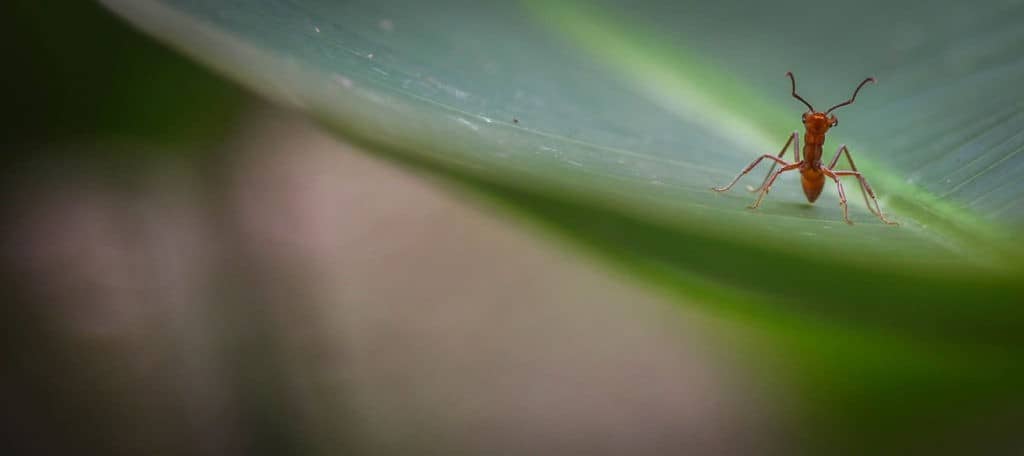
Manu is also a haven for smaller but no less spectacular creatures. The park is home to over 1,300 butterfly species, one of the highest concentrations anywhere in the world. Their dazzling colors flash through the forest light, especially near riverbanks and clearings. You’ll also encounter fascinating insects and amphibians – from jewel-toned tree frogs to bizarre leaf-mimicking katydids – you will be able to admire many of them!
Best Time for Wildlife Spotting
While wildlife is present year-round, sightings are often easier during the dry season (May to October), when trails are more accessible and animals gather around shrinking water sources. The shoulder months of April and November are also excellent times, offering good visibility with fewer visitors.
What Can I Do in Manu National Park?
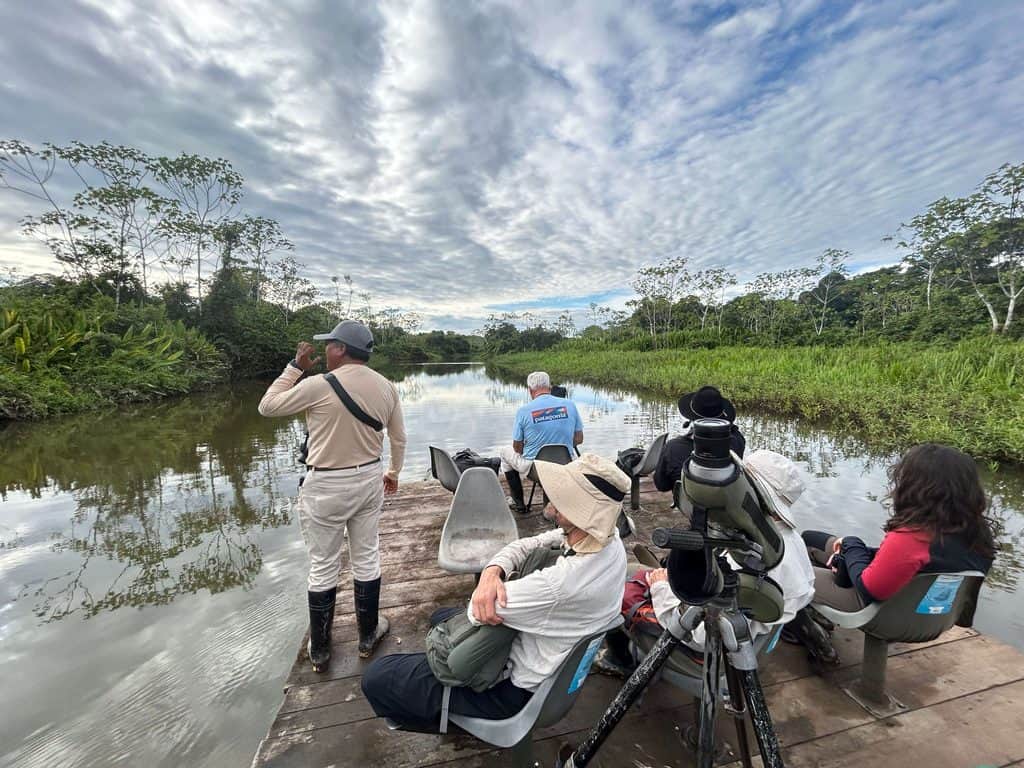
As one of the most biodiverse places worldwide, there is a wide variety of activities to experience in Manu. Guided jungle hikes are the main way to explore the flora and fauna of the rainforest, offering chances to see monkeys, colorful birds, and unique plants. Many lodges also organize for adventurer canoe rides along rivers and oxbow lakes, where you can look for giant otters, caimans, and hoatzins.
We recommend booking a tour package that includes accommodation (shared or private rooms available) and guided jungle excursions in small groups. These tours usually include a variety of activities, and most guides speak both English and Spanish. You also get the chance to enjoy a culinary experience that lets you immerse yourself in the flavorful tastes of the Amazon. Meals are freshly prepared with local ingredients, offering great value for money and perfect for nature lovers. These eco-friendly lodges take care of all the logistics, so you can simply relax and enjoy the adventure. There are also vegan and vegetarian options available!
What should I pack for the Manu Amazon Tour?
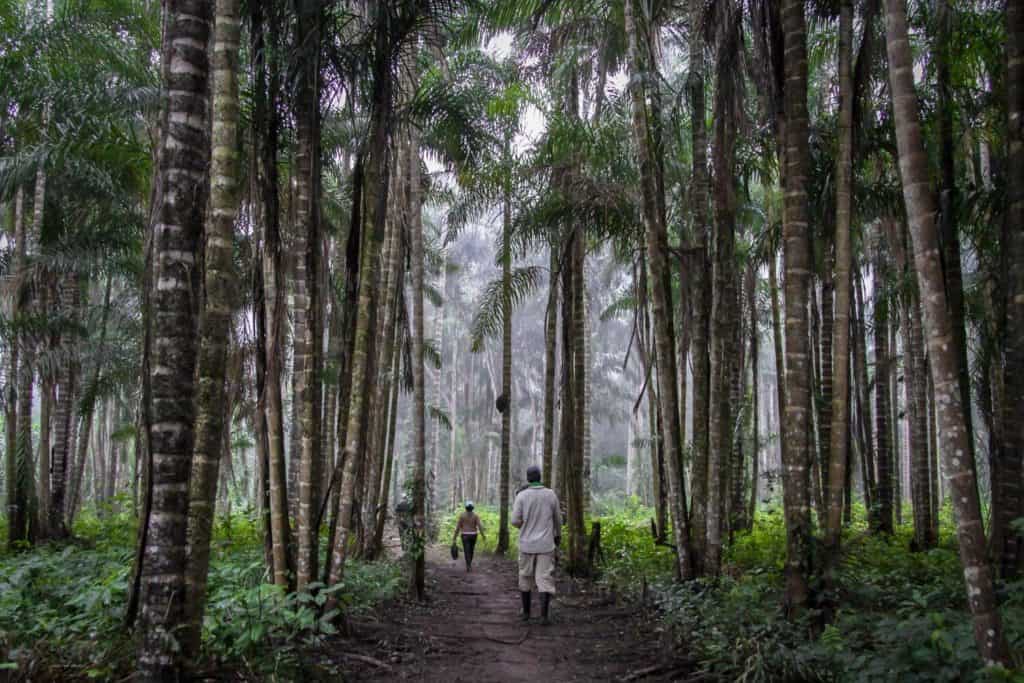
The jungle is hot, humid, and unpredictable, so packing right is essential. Bring strong insect repellent, lightweight, breathable clothing that covers your arms and legs, and a light rain jacket or waterproof gear for sudden showers. A wide-brimmed hat, binoculars, and a headlamp for night walks also come in handy. I also recommend a power bank, so you can always charge your phone everywhere.
If you need more tips, check out our Jungle Packing List and Peru Packing List!
When is the best time to visit Manu Rainforest?
Manu is incredible year-round, but the dry season from May to October is generally the most comfortable time to visit, with easier travel conditions and excellent wildlife viewing. The shoulder months of April and November are also great choices – you’ll still enjoy good weather and fewer crowds. Read more about the best time to visit the Amazon Rainforest. (check link)
Ready to Explore Manu?
If you’re dreaming of experiencing Peru beyond Machu Picchu, a journey into Manu National Park is the perfect next step for an authentic experience.
With departures from Cusco, it’s easy to combine your Andes experience with the Amazon – creating the ultimate Peru itinerary. Whether you have just a few days or a full week, there’s a Manu tour package to suit your style and schedule. Read our Ultimate Peruvian Amazon Guide for more travel inspiration for your adventure!
Contact us for personalized advice – our team is happy to help you plan a great experience and unforgettable journey!