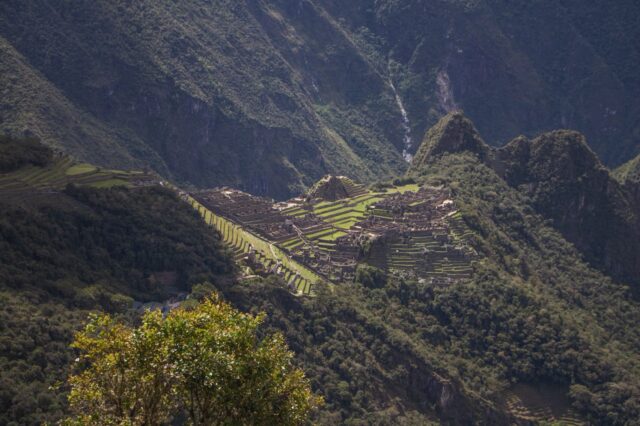
Most travelers visit Ollantaytambo on their way to Machu Picchu, often spending just a few hours exploring the famous Inca ruins before catching their train. But this small town in the Sacred Valley deserves much more time than that!
Ollantaytambo is one of my favorite places in the Cusco region. Surrounded by impressive mountains, ancient agricultural terraces, and traditional Andean villages, it offers a wonderful combination of history, culture, and outdoor adventures.
What makes the town of Ollantaytambo particularly special is that it is often described as a living Inca town. Unlike many other archaeological sites in Peru, its historic center of the town still follows much of the original Inca street layout. You can walk along narrow cobblestone streets of Ollantaytambo, admire original Inca stone walls, and see water channels that have been flowing through the town for centuries.
And if you enjoy hiking, there are some fantastic trails nearby, including short walks to lesser-known Inca ruins and more challenging adventures into the surrounding mountains.
In this guide, we’ll share awesome things to do in Ollantaytambo, including popular attractions, hidden gems, and a few local recommendations to help you make the most of your visit.
Where Is the Town of Ollantaytambo, Peru?
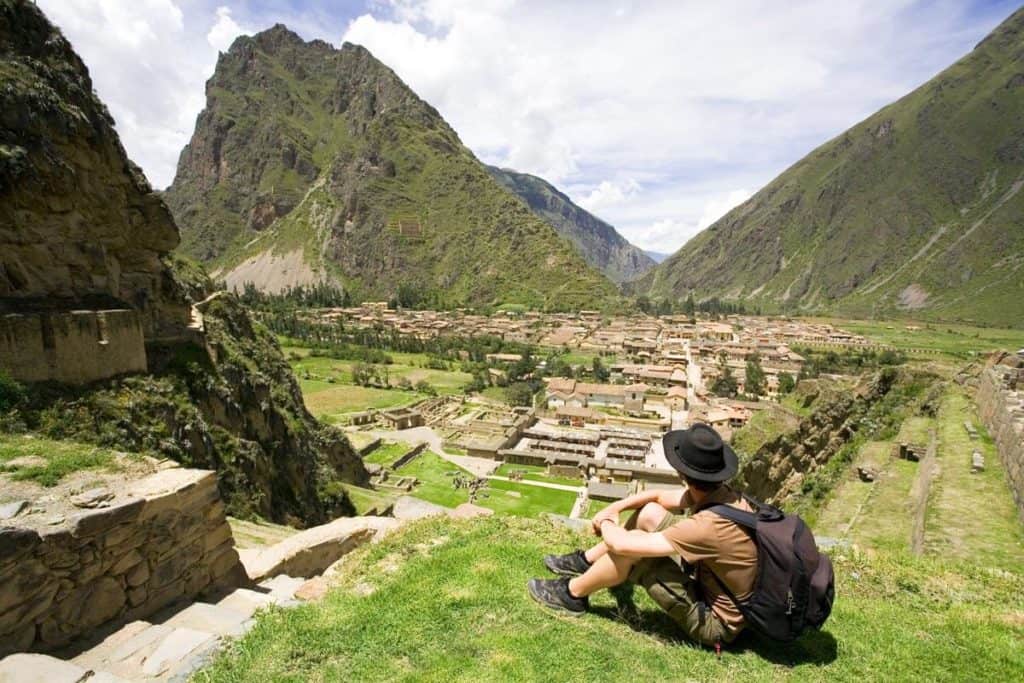
Ollantaytambo is located in the Sacred Valley of the Incas, approximately 70 kilometers (43 miles) northwest of Cusco.
The town sits at an altitude of around 2,790 meters (9,154 feet), making it considerably lower than Cusco, which is located at approximately 3,400 meters (11,150 feet).
Because of this, Ollantaytambo can be a good place to spend your first few days in the region while adjusting to the altitude, although you should still take things slowly when you first arrive. Read more about our pre acclimatization tour here!
The town is also an important transportation hub. Many travelers take the train from Ollantaytambo to Aguas Calientes, the gateway to Machu Picchu, and several famous trekking routes begin in the surrounding area.
But even if Machu Picchu is your main destination, we highly recommend spending at least one night in Ollantaytambo.
Things to Do in Ollantaytambo Town in Peru’s Sacred Valley

Explore the Ollantaytambo Archaeological Site
The ruins of Ollantaytambo are the town’s main attraction, and for good reason.
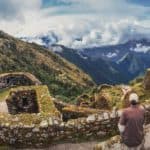
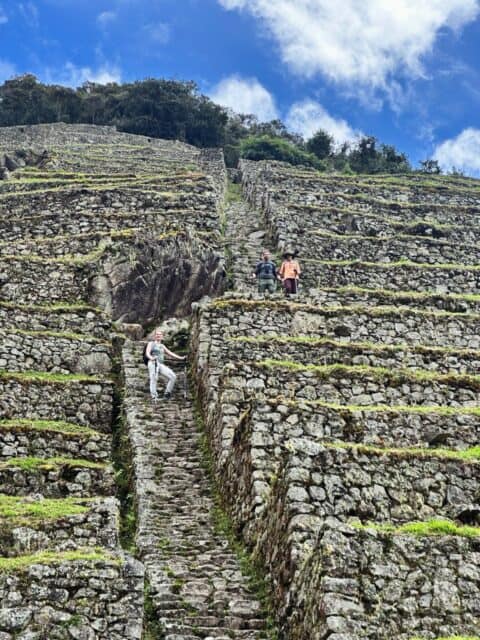
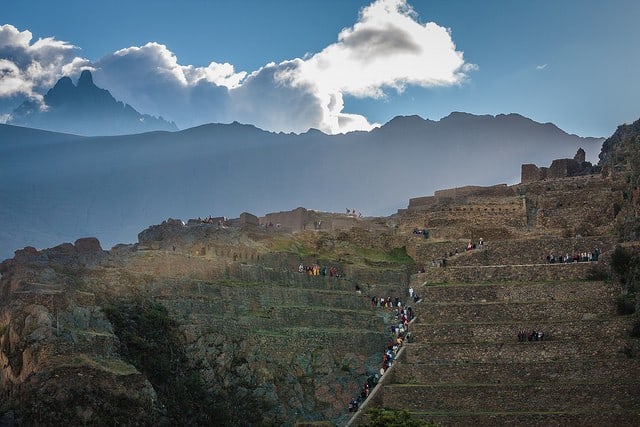
This impressive archaeological complex rises above the town on a steep mountainside, with enormous agricultural terraces leading up to ceremonial structures and temples.
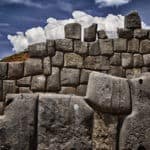
One of the most fascinating features is the Temple of the Sun, where you can admire massive stone blocks that were transported and carefully positioned by the Incas.
The archaeological site also played an important role during the Spanish conquest. In 1537, Manco Inca used Ollantaytambo as a defensive stronghold and successfully resisted a Spanish attack.
As you climb the terraces, you’ll enjoy incredible views over the town, the Urubamba Valley, and the surrounding mountains.
We recommend allowing at least 1.5 to 2 hours to explore the Ollantaytambo archaeological park properly.
Local tip: Visit early in the morning if possible. The site can get quite busy with Sacred Valley tour groups arriving from Cusco, particularly during the high season.
Hike to the Pinkuylluna Ruins
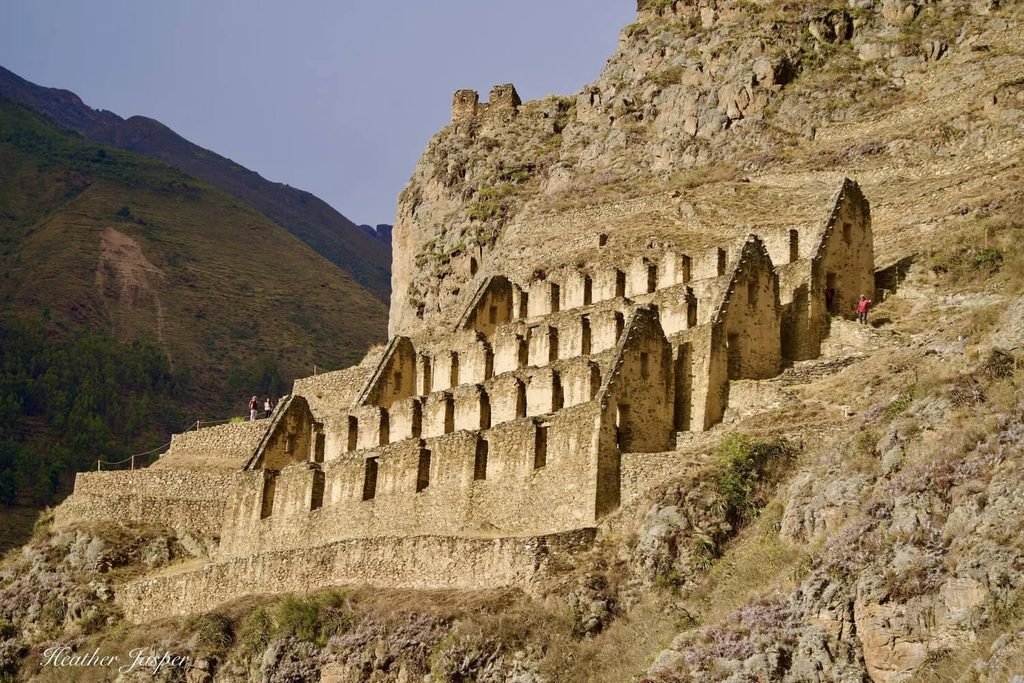
If you’re looking for one of the best free things to do in Ollantaytambo, the hike to Pinkuylluna is a fantastic option with the best views.
Located on the mountainside opposite the main archaeological site, Pinkuylluna consists of ancient Inca storehouses, known as qollqas.
These structures were built high above the town, where cooler temperatures and mountain winds helped preserve stored agricultural products.
The hike is relatively short but quite steep. Depending on your fitness level, it takes approximately 30 to 60 minutes to reach the ruins.
Once you arrive, you’ll be rewarded with one of the best panoramic views of Ollantaytambo, including the main archaeological complex and the surrounding mountains.
Unlike the famous ruins across the valley, Pinkuylluna is usually much quieter.
Local tip: The trail can be slippery, particularly during the rainy season. Wear proper shoes and check whether the site is open before starting your hike. This is not for people who are afraid of heights!
Wander Through the Original Inca Streets

One of the most interesting things about Ollantaytambo is that you don’t need to enter an archaeological site to experience the history of Ollantaytambo.
Simply walking through the historic town is an attraction in itself.
Ollantaytambo still preserves much of its original Inca urban layout, with narrow cobblestone streets, impressive stone walls, and traditional houses built around ancient courtyards.
You’ll also notice small water channels running alongside many streets. These are part of a sophisticated hydraulic system that dates back to Inca times.
Take some time to explore the quieter streets away from the main square.
You’ll discover beautiful stone doorways, traditional architecture, and small details that many visitors miss when they rush through town.
It’s one of the reasons why Ollantaytambo feels so different from other tourist destinations in Peru.
Relax in the Plaza de Armas or Have a Coffee!
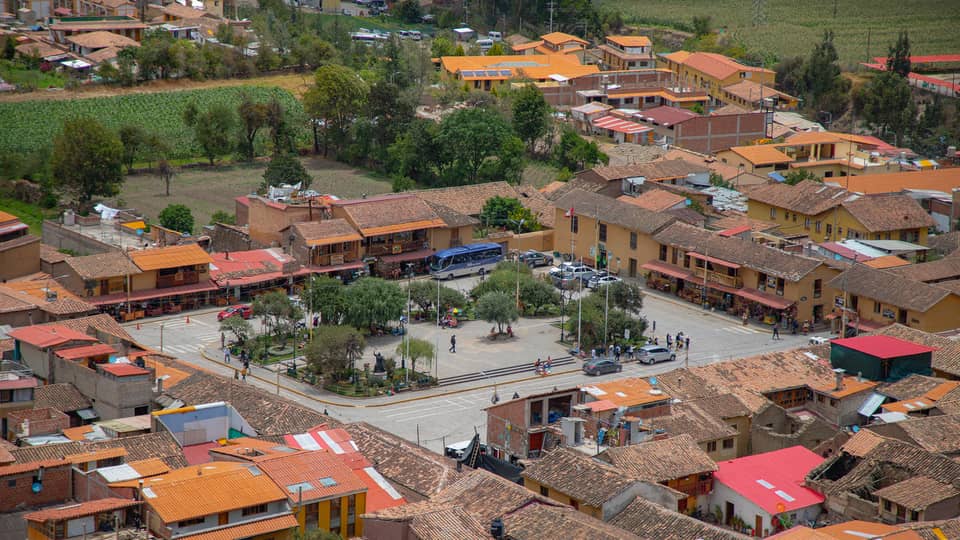
Ollantaytambo’s Plaza de Armas is the heart of the town.
Surrounded by restaurants, cafés, small shops, and traditional buildings, it’s a lovely place to spend some time after exploring the ruins.
You can enjoy a coffee, have lunch, or simply find a bench and watch everyday village life go by.
And here’s a little personal tip for coffee lovers: If you’re craving a proper cappuccino, always ask whether the café actually has a coffee machine! In many small Peruvian villages, locals traditionally drink café pasado, which is basically a strong coffee concentrate prepared in the morning and then mixed with hot water when served.
Personally, I’m not a big fan. I need my cappuccino with nice, creamy milk foam and everything! But if you’re curious to try the local way of drinking coffee, definitely give it a go. Otherwise, just double-check that they have an espresso machine before ordering, so you don’t end up disappointed like I have a few times!
The surrounding mountains make the setting particularly beautiful.
Although Ollantaytambo receives plenty of tourists, the town still maintains a strong local identity, and you’ll often see residents going about their daily routines alongside travelers.
If you’re staying overnight, we recommend returning to the square in the evening, when many of the day-trip groups have already left.
Visit the Local Markets and Try Chicha!
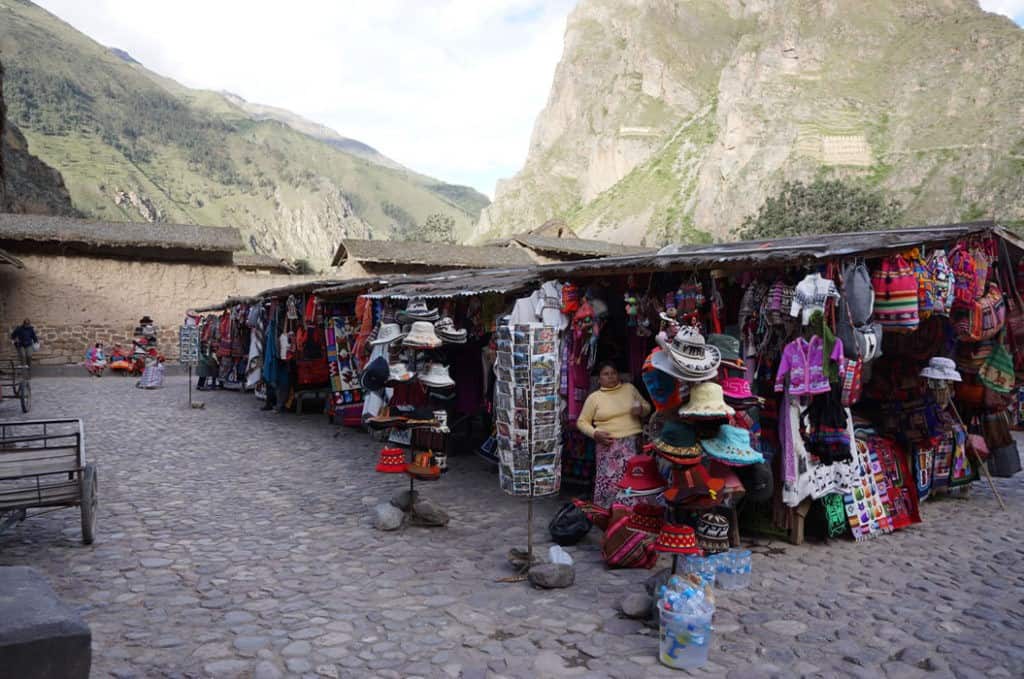
If you enjoy exploring local markets, Ollantaytambo actually has two different market areas worth visiting, and they offer quite different experiences!
The first one is located close to the entrance of the Ollantaytambo archaeological site. This is more of a tourist and artisan market, where you’ll find colorful Andean textiles, handmade souvenirs, alpaca products, jewelry, and other traditional handicrafts. It’s a nice place to browse for gifts or souvenirs to take home.
The second market is the local market, located on the other side of the Plaza de Armas. This one is much less touristy and more about everyday village life. Here, locals shop for fresh fruits, vegetables, groceries, snacks, and other daily essentials. It’s a great place to get a little glimpse into how people actually live in Ollantaytambo.
And here’s my personal recommendation: Try some local chicha!
Chicha is a traditional Andean drink that has been enjoyed in Peru since long before the Inca Empire. There are different varieties, but the most traditional is chicha de jora, a fermented corn drink that has played an important role in Andean culture, celebrations, and ceremonies for centuries.
However, not all chicha is alcoholic! At the local market, you might also find refreshing varieties made from quinoa or fruits, such as strawberry chicha (chicha de frutilla). These can be sweet, fruity, and really refreshing, although some traditional recipes are fermented, so it’s always worth asking.
I definitely recommend trying a small glass if you get the chance. It’s a fun way to discover local flavors, and you’ll often find drinks here that you wouldn’t normally see in tourist restaurants.
Discover the Ñaupa Iglesia Ruins on Your Peru Trip
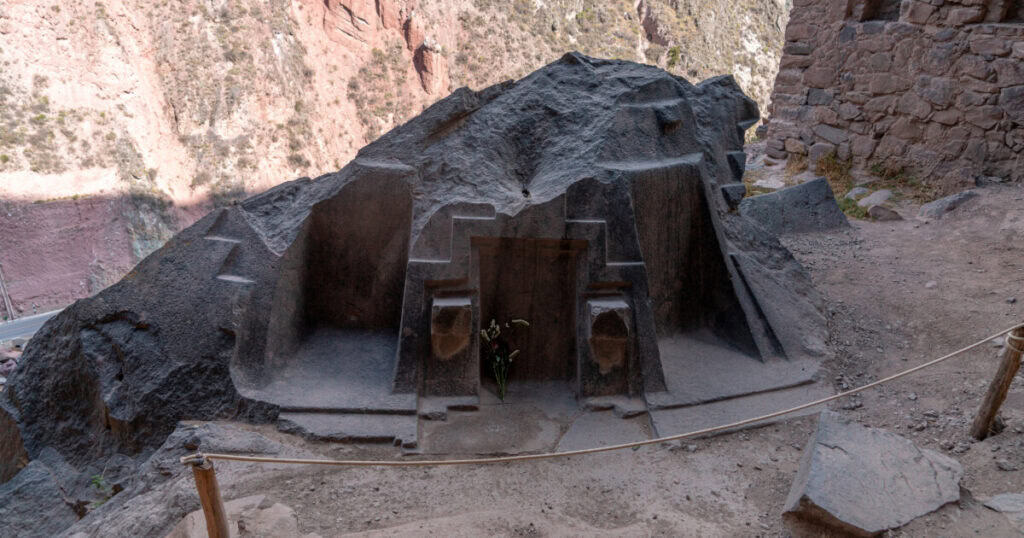
One of the lesser-known archaeological sites near Ollantaytambo is Ñaupa Iglesia, also called Ñaupa Waka.
Located near Pachar, approximately 20 to 30 minutes by car from Ollantaytambo, this fascinating site is hidden inside a large rock shelter.
To reach it, you’ll need to walk uphill from the valley floor for approximately 15 to 25 minutes.
Inside the shelter, you’ll find carefully carved stone features, including niches and an altar-like structure.
The site is believed to have had ceremonial significance, although its exact original purpose is not fully understood.
What makes Ñaupa Iglesia particularly interesting is its peaceful setting. Compared to the famous archaeological sites in the Sacred Valley, it receives relatively few visitors.
It’s a wonderful place for travelers interested in Inca history, archaeology, and lesser-known destinations.
Local tip: Combine Ñaupa Iglesia with a visit to the nearby village of Pachar – there is a great brewery as well!
Have a Craft Beer at Cervecería del Valle in Pachar

If you enjoy craft beer, I definitely recommend making a little stop at Cervecería del Valle Sagrado, located in Pachar, just a short drive from Ollantaytambo.
This local brewery is known for its delicious craft beers, relaxed atmosphere, and beautiful mountain surroundings. It’s a great place to spend a laid-back afternoon, try some locally brewed beers, and enjoy a snack or something to eat.
They have different types of beer, from refreshing lighter options to stronger, more experimental brews. Even if you’re not a huge beer fan, it’s a lovely spot to relax and enjoy the Sacred Valley atmosphere.
Visit the Awamaki Fair Trade Store

If you’re interested in buying authentic handmade souvenirs and supporting local communities, I recommend visiting the Awamaki Fair Trade Store in Ollantaytambo.
Unlike the more tourist-oriented artisan market near the archaeological site, Awamaki offers a wonderful opportunity to support Indigenous women artisans and their cooperatives directly. The organization works with local Quechua women who create beautiful handcrafted textiles and accessories using traditional Andean techniques.
By purchasing something from the store, you’re helping provide these artisans with better market access and opportunities to grow their own businesses. It’s a great place to find a meaningful souvenir while making a more conscious shopping choice.
If you’re looking for authentic Andean handicrafts and want your purchase to have a positive impact, this is definitely a shop worth visiting!
Hike to the Perolniyoc Waterfall
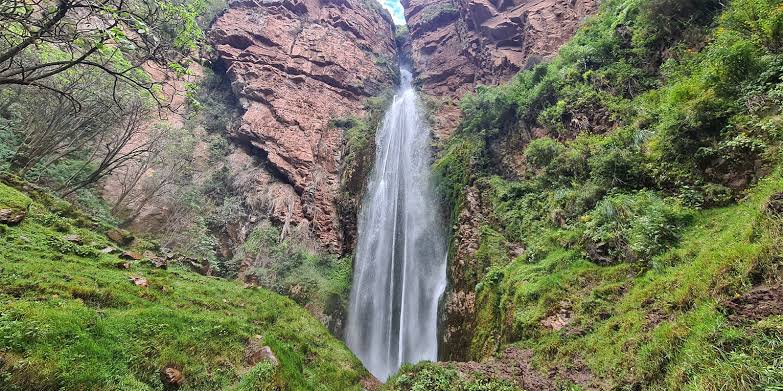
If you enjoy hiking and nature, the Perolniyoc Waterfall is one of the best Ollantaytambo attractions.
Located near the small village of Socma, the waterfall is surrounded by beautiful Andean mountain scenery.
The hike takes you through agricultural landscapes and rural paths before reaching the waterfall, which drops dramatically from a rocky cliff.
Depending on the season, the amount of water can vary considerably. During and shortly after the rainy season, the waterfall is generally at its most impressive.
If you have enough time and energy, you can continue uphill to the archaeological site of Raqaypata, also known as the Perolniyoc ruins.
This lesser-known Inca site offers beautiful views and is rarely as crowded as the main attractions in the Sacred Valley.
Visit the Traditional Communities of Patacancha and Huilloc
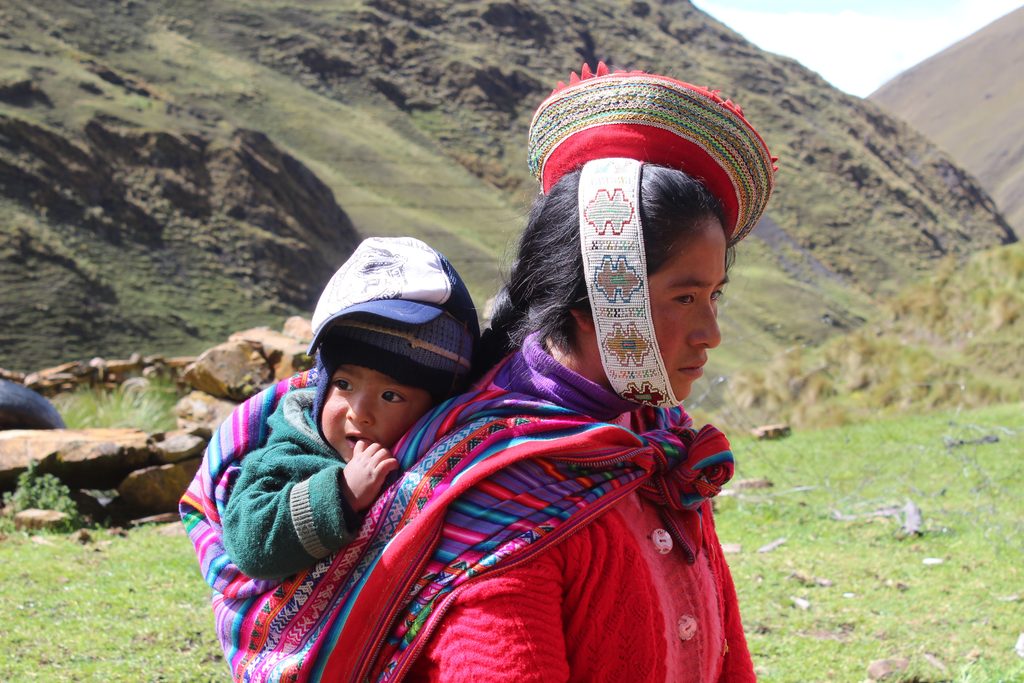
For travelers interested in experiencing Andean culture beyond the main tourist attractions, we recommend exploring the communities in the mountains above Ollantaytambo.
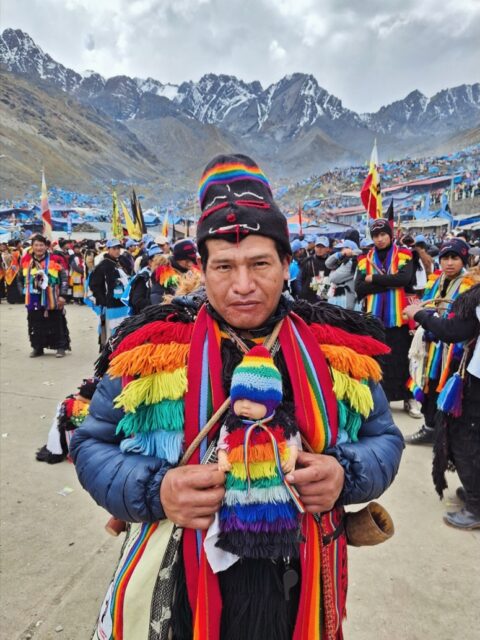
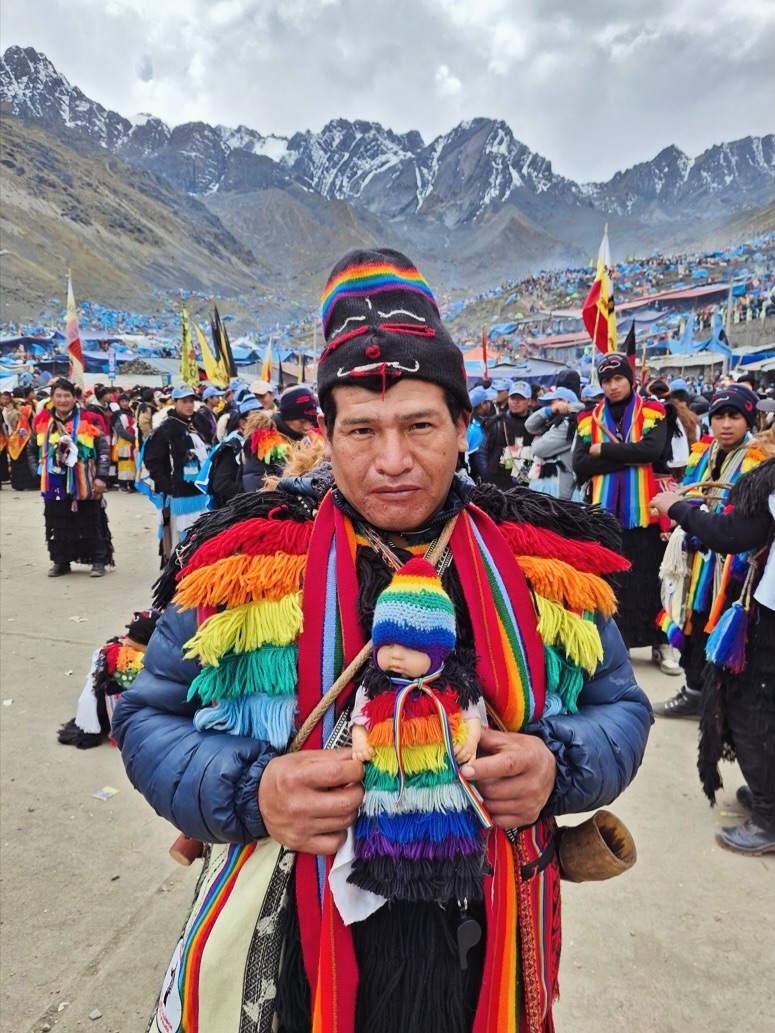
Patacancha and Huilloc are traditional Quechua-speaking communities known for their colorful textiles, agricultural traditions, and beautiful mountain landscapes.
Many residents continue to wear traditional clothing and practice weaving techniques passed down through generations.
Depending on the experience you arrange, you may have the opportunity to learn about traditional weaving, local farming practices, or daily life in the Andes.
The journey itself is beautiful, following mountain roads through the Patacancha Valley.
If you want to visit more local communities, check our our Inca Traditions tour and Huaran Weaving Tour!
Discover the Pumamarca Inca Ruins
Pumamarca is one of the most interesting archaeological sites near Ollantaytambo, especially for travelers who enjoy hiking.
Located in the Patacancha Valley, this lesser-visited Inca complex sits on a hillside overlooking the surrounding mountains and valleys.
The site contains stone buildings, terraces, and defensive structures, and its location suggests that it may have played an important role in controlling access through the valley.
One of the best ways to visit Pumamarca is on a scenic hike that follows ancient paths and agricultural terraces.
Depending on your chosen route, you can organize a hike from Ollantaytambo toward Pumamarca or arrange transportation closer to the site and walk back toward town. (Downhill!)
The full hike can take several hours, so it’s best to start early and bring enough water and snacks.
Visit the Cachicata Inca Quarries
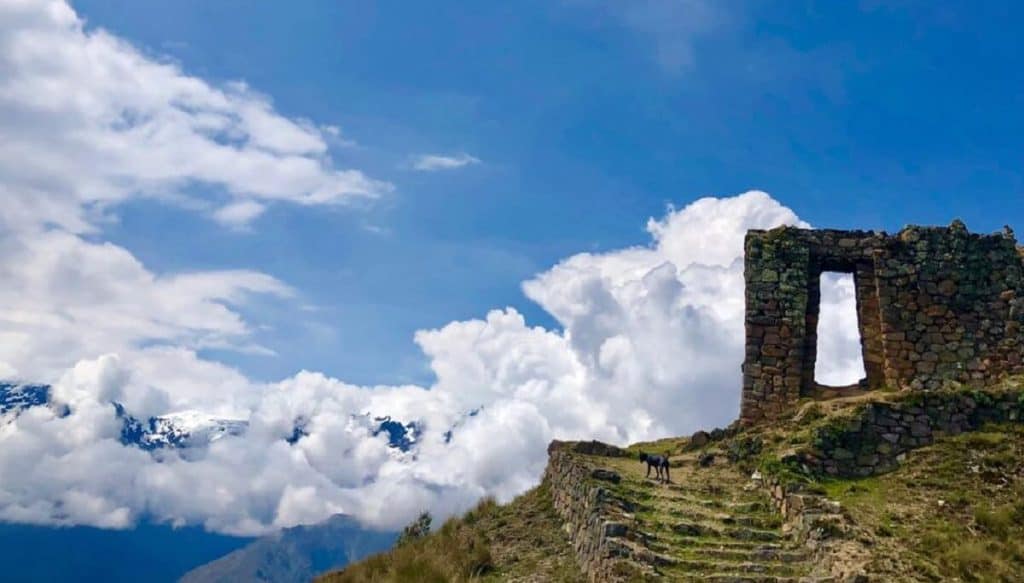
Have you ever wondered how the Incas transported the enormous stone blocks used to build the temples of Ollantaytambo?
A visit to the Cachicata quarries provides some fascinating clues.
Located on the mountainside across the Urubamba River from Ollantaytambo, these ancient quarries were an important source of stone for the construction of the archaeological complex.
Along the route, you can see abandoned stone blocks and evidence of the enormous effort involved in transporting them.
Some of the unfinished stones are still scattered along the mountainside.
The hike to Cachicata is more demanding than the short walk to Pinkuylluna, but it offers incredible views and a fascinating perspective on Inca engineering.
We recommend organizing this excursion with a knowledgeable local guide to Ollantaytambo, especially if you’re unfamiliar with the trails. Reach out and we help you plan this great hike!
Explore the Patacancha Valley
If you have more than one day in Ollantaytambo, consider exploring the Patacancha Valley.
This beautiful mountain valley stretches northeast from town and is home to traditional Andean communities, agricultural terraces, rivers, and scenic hiking routes.
It’s an excellent destination for travelers who enjoy rural landscapes and want to experience a quieter side of the Sacred Valley.
You can explore parts of the valley by car, arrange a guided hike, or combine a visit with the Pumamarca ruins and local communities.
Try Mountain Biking or Horseback Riding
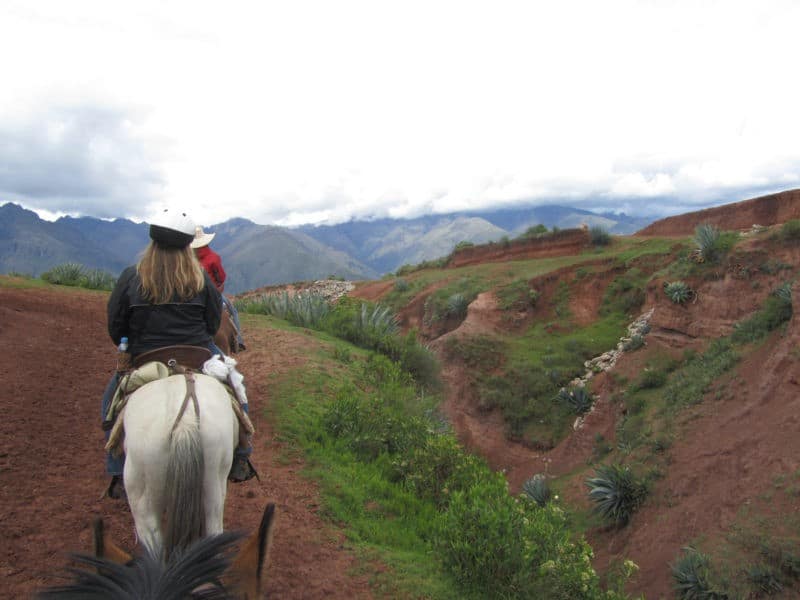
Ollantaytambo is surrounded by beautiful landscapes that are ideal for outdoor adventures.
Mountain biking is a popular activity in the Sacred Valley, with routes ranging from relatively easy countryside rides to more challenging downhill trails.
Depending on your experience level, you can explore rural roads, agricultural landscapes, and mountain routes around Ollantaytambo.
Horseback riding is another option for travelers who prefer a slower-paced outdoor experience.
Several operators in the Sacred Valley offer guided rides through scenic countryside and traditional villages.
Whichever activity you choose, make sure to book with a reputable operator that provides appropriate equipment and experienced guides.
Explore Places to Eat in Ollantaytambo

After exploring the ruins or spending a day hiking, Ollantaytambo is a great place to enjoy some traditional Peruvian food.
Chuncho – A lovely restaurant on the main square serving traditional Andean cuisine with locally sourced and seasonal ingredients. Great for discovering regional flavors.
Amanto – Comida Sagrada – One of the best options for a special dinner, with creative Peruvian cuisine, modern presentation, and interesting local ingredients.
El Albergue Restaurant – A beautiful restaurant at El Albergue hotel, serving Peruvian and international dishes prepared with fresh organic produce from their own garden and local farms.
Local tip: Try some of the smaller restaurants tucked away from the main square. You’ll often find delicious homemade food at much more affordable prices than in the busy tourist restaurants.
Visit ALQA Museo de Arte Popular Andino
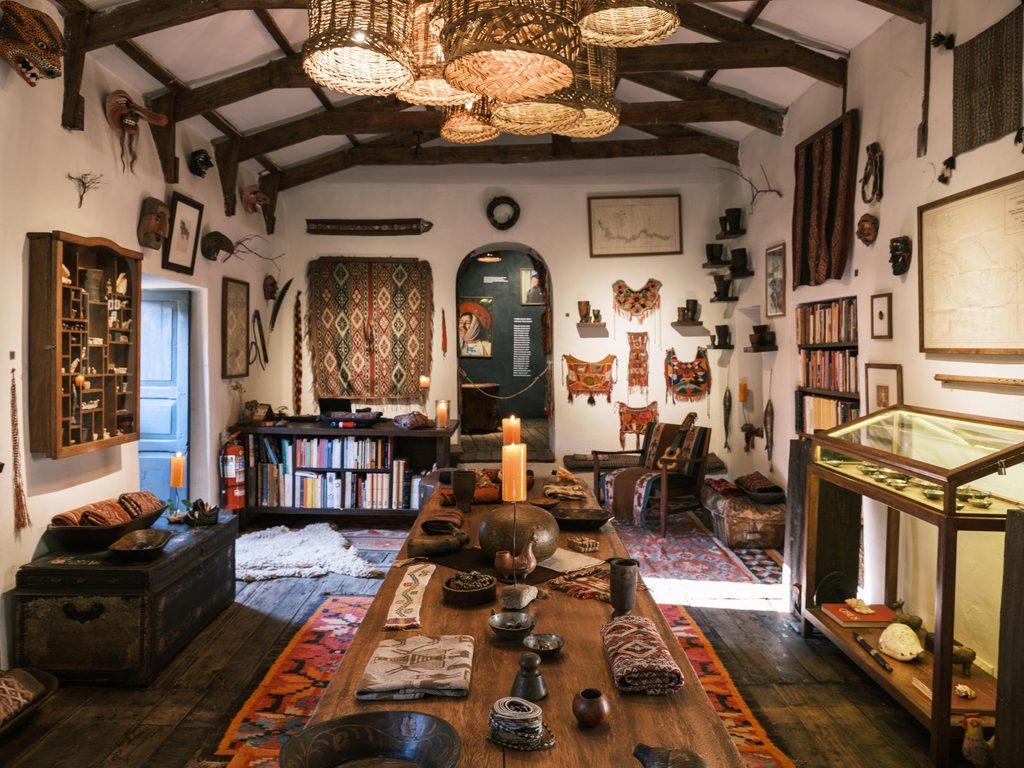
If you’re interested in art and Andean culture, make sure to stop by ALQA Museo de Arte Popular Andino in Ollantaytambo.
This small and fascinating museum showcases contemporary and traditional Andean art, offering a glimpse into the creativity, cultural heritage, and stories of local communities. It’s a lovely place to discover a different side of Andean culture beyond the archaeological sites and traditional handicrafts.
ALQA also has a restaurant, making it a nice spot to combine a little cultural visit with lunch or dinner while exploring Ollantaytambo.
Visit Destilería Andina for a Unique Tasting Experience
Just a short walk or taxi ride from town, you’ll find Destilería Andina, a rather unusual distillery that’s worth visiting if you’re interested in local drinks and something a little different.
It’s unlikely to look like any distillery you’ve visited before. The setup is quite rustic, and some of the bottles look more like little potions than traditional bottles of liquor! They produce several interesting spirits, including Matacuy, an unusual herbal spirit traditionally associated with medicinal uses, as well as Caña Alta, a popular sugarcane liqueur that you’ll find in many bars around Cusco.
It’s a fun little stop to discover some local flavors and learn more about artisanal distillation in the Sacred Valley.v
Best Hikes Around Ollantaytambo

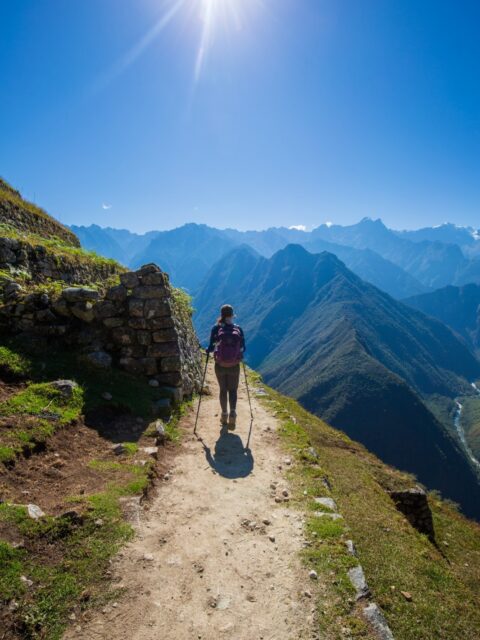
Ollantaytambo is a fantastic base for hiking, whether you want a short walk to an archaeological site or a longer adventure into the Andes.
Here is a quick comparison of some of the most interesting hiking options.
| Hike | Approximate Duration | Difficulty |
| Pinkuylluna Ruins | 1–2 hours round trip | Moderate, steep |
| Pumamarca Ruins | 3–6 hours, depending on route | Moderate |
| Perolniyoc Waterfall | 2–4 hours walking | Moderate |
| Cachicata Quarries | 4–6 hours | Moderate to challenging |
| Patacancha Valley | Flexible, from short walks to full-day hikes | Varies |
Keep in mind that hiking times depend on your starting point, fitness level, altitude acclimatization, and weather conditions.
If you are planning a longer hike, we recommend going with a local guide who knows the trails and can help you choose a suitable route.
How Many Days Should You Spend in Ollantaytambo?
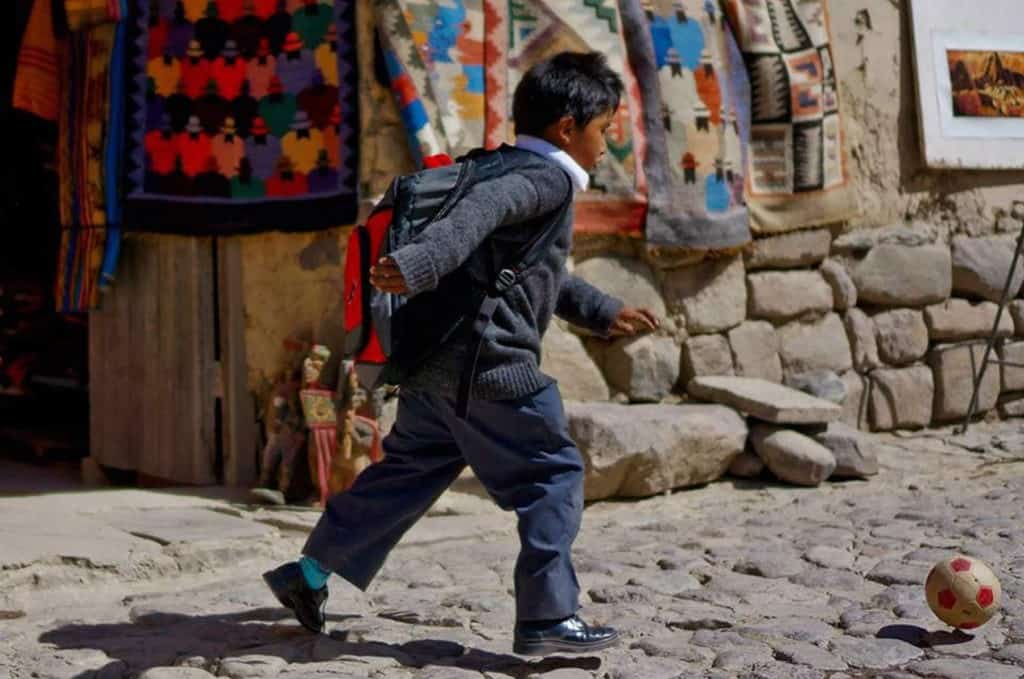
You can visit the main archaeological site and explore the town in half a day, but we recommend staying at least one or two nights if your itinerary allows it. If you’re planning to spend the night in Ollantaytambo, check out hotel reviews online to find a place that suits you.
Or simply reach out to us, and we’ll be happy to help you plan your Peru itinerary!
One Day in Ollantaytambo
If you only have one day, start by exploring the main archaeological site in the morning.
Afterward, enjoy lunch in town and spend some time walking through the historic Inca streets.
In the afternoon, hike to Pinkuylluna for beautiful views over Ollantaytambo.
This is a great introduction to the town and its history.
Two Days in Ollantaytambo
With two days, you can explore at a more relaxed pace.
Day 1: Visit the Ollantaytambo ruins, explore the historic town, and hike to Pinkuylluna.
Day 2: Choose a longer excursion, such as the Perolniyoc Waterfall, Pumamarca ruins, or a visit to the traditional communities of the Patacancha Valley.
This gives you a good combination of history, hiking, and local culture.
Three Days in Ollantaytambo
If you have three days, you can explore some of the lesser-known attractions around town.
Day 1: Ollantaytambo archaeological site, historic streets, and Pinkuylluna.
Day 2: Full-day hike to Pumamarca or the Cachicata quarries.
Day 3: Visit Ñaupa Iglesia, explore the surrounding countryside, or spend time in a traditional Andean community.
Alternatively, you can use your third day to travel onward to Machu Picchu.
Best Places to Stay in Ollantaytambo

Ollantaytambo offers a wide range of accommodation options for different budgets.
If you want to be close to restaurants, shops, and the archaeological site, staying near the Plaza de Armas is convenient.
However, if you prefer a quieter atmosphere, consider accommodation slightly outside the historic center.
Some hotels and guesthouses are surrounded by gardens and offer beautiful views of the mountains.
If you’re catching an early train to Machu Picchu, check the walking or driving distance between your accommodation and the train station.
Although Ollantaytambo is relatively small, carrying luggage through its cobblestone streets can be inconvenient, particularly early in the morning.
How to Get to Ollantaytambo Peru from Cusco
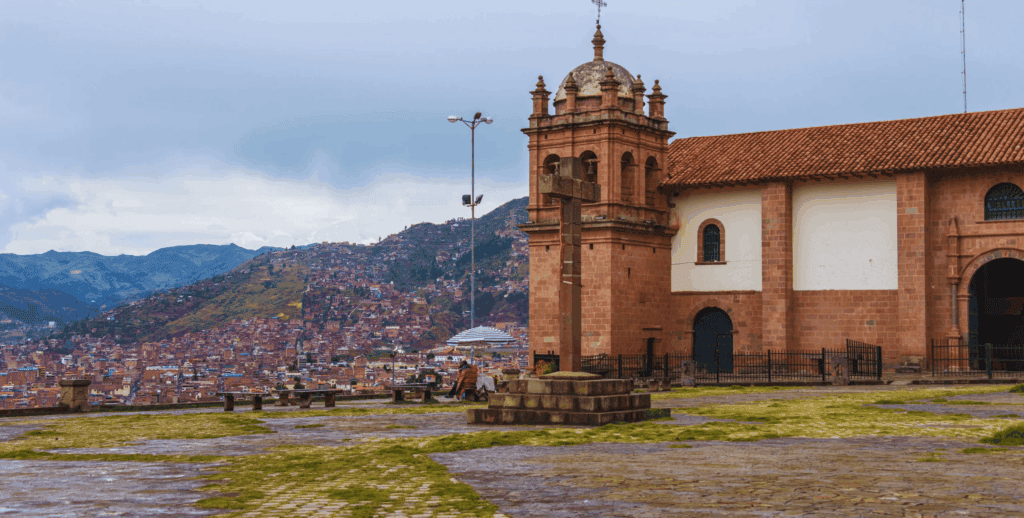
Ollantaytambo is approximately 70 kilometers (43 miles) from Cusco, and the journey usually takes around 1.5 to 2 hours by car, depending on traffic and your chosen route.
There are several transportation options to get outside of town.
Private transportation: This is the most comfortable option, especially if you are traveling with luggage or want to stop at attractions along the way. We can help you organize a private transportation for you!
Colectivo: Shared vans connect Cusco with Urubamba and Ollantaytambo, either directly or with a change in Urubamba. This is usually the cheapest option. Head to Pavitos Street, where you’ll hear drivers calling out “OLLANTAYTAMBO!” You can choose a larger van, which is more affordable, or a shared taxi (colectivo), which is faster but slightly more expensive.
Taxi: You can arrange a taxi from Cusco to Ollantaytambo. Agree on the price before departure.
Check out our blog post with things to do in the Sacred Valley, with more details about things to do in Pisac and Urubamba.
Practical Tips for When You Visit Ollantaytambo Peru
Before visiting Ollantaytambo, here are a few things worth knowing.
- Buy the correct entrance ticket. The main Ollantaytambo archaeological site is included in the Cusco Tourist Ticket (Boleto Turístico del Cusco). Check the available ticket options before visiting.
- Wear comfortable walking shoes. The archaeological site has steep stone steps, and the historic streets are uneven. Read more about what to pack!
- Bring sun protection. The Andean sun can be strong, even on cooler days.
- Carry cash. While many hotels and restaurants accept cards, smaller shops and local businesses may prefer cash.
- Allow time for altitude adjustment. Ollantaytambo is lower than Cusco, but it’s still located at a significant altitude. Read more about altitude in Cusco and how to prevent altitude sickness.
- Book Machu Picchu tickets in advance. If you’re traveling onward to Machu Picchu, secure your entrance tickets and train reservations before your trip.
- Respect archaeological sites. Stay on designated paths, follow local regulations, and avoid climbing on restricted structures.
Travel Guide: Is Ollantaytambo Worth Visiting?
Absolutely!
Ollantaytambo is much more than a train station on the way to Machu Picchu.
It is one of the most fascinating towns in the Sacred Valley, combining impressive Inca history, traditional Andean culture, beautiful mountain landscapes, and excellent hiking opportunities.
Whether you spend a few hours exploring the archaeological site or several days discovering the surrounding valleys, there are plenty of things to do in Ollantaytambo.
And if you enjoy trekking, we particularly recommend going beyond the main ruins.
Places like Pumamarca, the Cachicata quarries, and the Patacancha Valley offer incredible opportunities to explore lesser-known Inca sites and experience the beauty of the Andes away from the busiest tourist routes.
At Apus Peru, we specialize in treks in Peru and authentic travel experiences in the Cusco region. If you’re interested in exploring the Sacred Valley on foot, we’d be happy to help you discover some of its most beautiful trails and hidden corners.
Frequently Asked Questions About Activities in Ollantaytambo
The best things to do in Ollantaytambo include visiting the main archaeological site, hiking to Pinkuylluna, exploring the original Inca streets, visiting the Pumamarca ruins, hiking to the Cachicata quarries, and exploring traditional Andean communities in the Patacancha Valley.
Yes! Staying overnight allows you to experience the town without the crowds of day-trip visitors. It also gives you more time for hiking and makes it easier to catch an early train to Machu Picchu.
No. Ollantaytambo is located at approximately 2,790 meters (9,154 feet), while Cusco is around 3,400 meters (11,150 feet). This makes Ollantaytambo a popular place to stay while adjusting to the altitude.
We recommend allowing approximately 1.5 to 2 hours to explore the main archaeological site. If you are particularly interested in Inca history or photography, you may want to spend longer.
Yes, it is possible, particularly if you take an early train from Ollantaytambo to Aguas Calientes. However, if you want to explore both destinations properly, we recommend spending at least one night in Ollantaytambo and visiting Machu Picchu the following day. Read more about taking the train to Machu Picchu!
Yes. Walking through the historic Inca streets, exploring the main square, and visiting local markets are free. The Pinkuylluna ruins have also traditionally been free to visit, although access regulations can change, so check locally before going.
It depends on your experience and available time. For a short hike with beautiful views, Pinkuylluna is an excellent choice. For a longer adventure combining history and mountain scenery, Pumamarca or the Cachicata quarries are fantastic options.