The Sacred Valley is one of the most beautiful places to visit in Peru and South America. Most travelers explore it on their way from Cusco to Machu Picchu, but there is so much more to discover than just the famous archaeological sites.
You can explore traditional markets, hike along ancient Inca trails, visit small Andean communities, discover hidden waterfalls, or simply enjoy the slower pace of life in the valley.
And one of the things about the Sacred Valley? Much of it is located at a lower altitude than Cusco, making it a great place to spend your first few days in the region while adjusting to the altitude.

Trek Stronger: Master the Altitude First
Prep your body for the heights while immersing yourself in authentic local culture away from the crowds. Make your high-altitude trek easy, seamless, and truly unforgettable.
Whether you have just one day or several days to explore, this guide covers amazing things to do in the Sacred Valley, including popular attractions and some lesser-known places worth adding to your Cusco itinerary. We also have a great guide on the things to do and see in Ollantaytambo!
Where Is the Sacred Valley of the Incas in Peru?
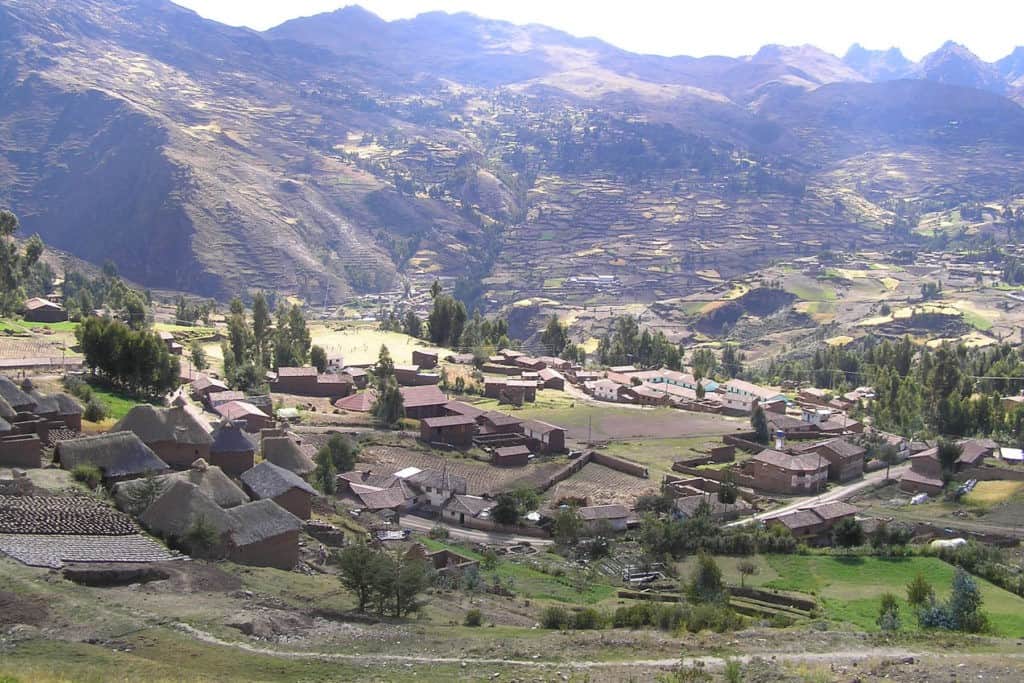
The Sacred Valley is home to traditional Andean villages, impressive Inca archaeological sites in Peru, fertile agricultural fields, and spectacular mountain scenery. Following the Urubamba River, the valley was an important agricultural and cultural center during the Inca Empire, and many of its ancient terraces, temples, and irrigation systems can still be visited today.
Some of the best-known towns and destinations located in the Sacred Valley include Pisac, Urubamba, Ollantaytambo, Chinchero, Maras, and Moray.
Depending on your destination, it takes approximately 45 minutes to two hours to reach different parts of the Sacred Valley from Cusco. Many people choose to do a day tour from Cusco to explore the valley, but we recommend to stay overnight in one of the villages.
Best Things to Do in the Sacred Valley of Peru

Explore the Inca Ruins of Ollantaytambo
Ollantaytambo is among the Sacred Valley’s most impressive archaeological sites and definitely deserves a place on your itinerary.
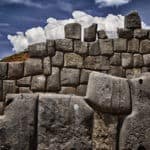
The site features enormous agricultural platforms, stone temples, ceremonial structures, and panoramic views of the Sacred Valley.
What makes Ollantaytambo particularly interesting is that the town still follows much of its original Inca urban layout. Narrow cobblestone streets, traditional houses, and ancient water channels that are still in use today give you a glimpse of how people lived here centuries ago.
We recommend taking some time to explore the town after visiting the ruins. Walk through the small streets, visit the local market, and enjoy the atmosphere.
Ollantaytambo is also an important starting point for trains to Machu Picchu and the classic Inca Trail.
Local tip: If you enjoy hiking, walk up to the Pinkuylluna ruins on the opposite side of town. This short but steep hike offers fantastic views of Ollantaytambo and its archaeological complex.
Check out our blog post on things to do in Ollantaytambo and be prepared for your trip to the Sacred Valley!
Visit the Maras Salt Mines

The Maras Salt Mines, known locally as Salineras de Maras, are one of the most unusual attractions in the Sacred Valley.
Thousands of small salt evaporation ponds cover the mountainside, creating an incredible scenery of white, pink, and brown terraces.
These salt ponds have been used for centuries, and local families continue to harvest salt using traditional methods.
The salty water comes from a natural spring and flows into the individual pools, where it gradually evaporates under the sun.
Today, visitors can admire the salt ponds from designated viewpoints and learn about the traditional production process. The entrance is 20 soles per person.
You can also buy locally produced Maras salt in nearby shops, which makes a nice souvenir to take home.
Discover the Circular Terraces of Moray
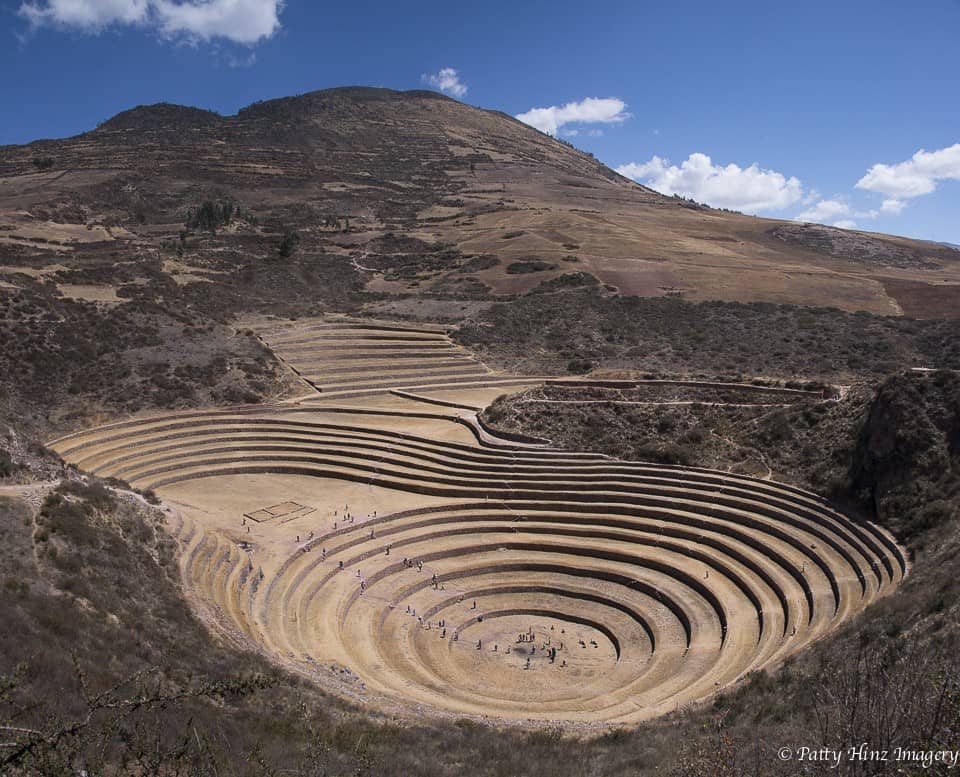
Just a short drive from Maras, you’ll find Moray, another fascinating Inca site.
Unlike the typical terraces you see across the Sacred Valley, Moray consists of several enormous circular depressions with concentric terraces.
One widely accepted interpretation is that the Incas used these terraces to experiment with agricultural conditions, as the different levels create variations in temperature and microclimate. However, the site’s exact purpose is still debated.
Moray is a great example of the Incas’ advanced understanding of agriculture and their ability to adapt farming techniques to the challenging Andean environment.
Since Maras and Moray are located relatively close to each other, they are easy to combine into a half-day excursion.
Visit Chinchero and Learn About Traditional Andean Weaving
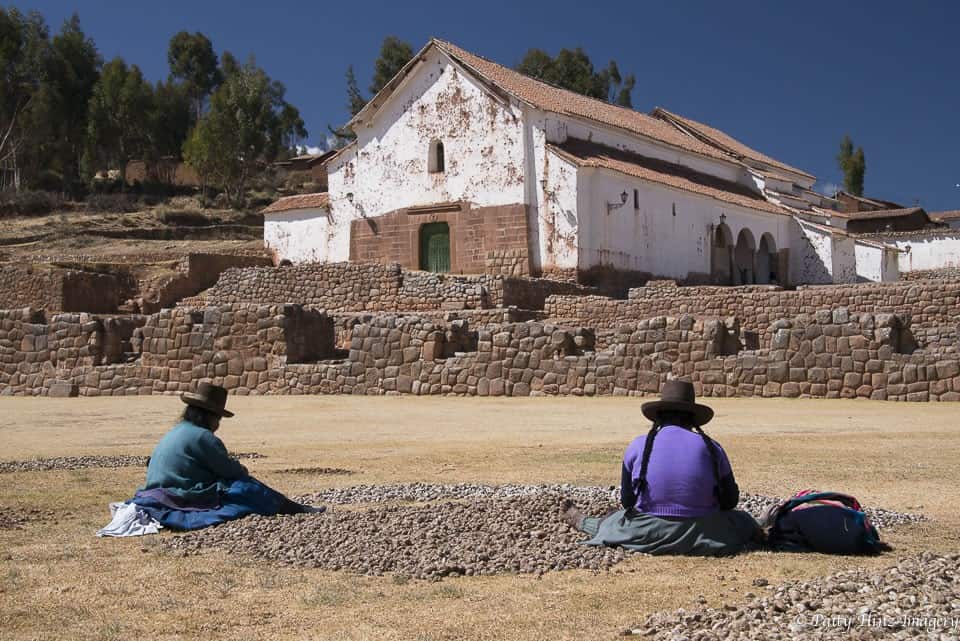
Chinchero is a traditional Andean town located high above the Sacred Valley, at approximately 3,760 meters (12,336 feet) above sea level.
It is especially famous for its textile traditions.
Here, local women demonstrate how alpaca and sheep wool is spun, dyed using natural ingredients, and woven into colorful textiles with traditional Andean patterns.
A visit to a local weaving cooperative is a great opportunity to learn more about Andean culture and support local artisans.
Chinchero also has an interesting archaeological site with Inca terraces and a colonial church built over an earlier Inca structure.
The views of the surrounding mountains are beautiful, especially on clear days.
We also offer a unique activity in Huaran where you can learn more about weaving and participate in a hands-on Sacred Valley tour. Read more about our Huaran Weaving & Eco Tour.
Go Hiking in the Sacred Valley
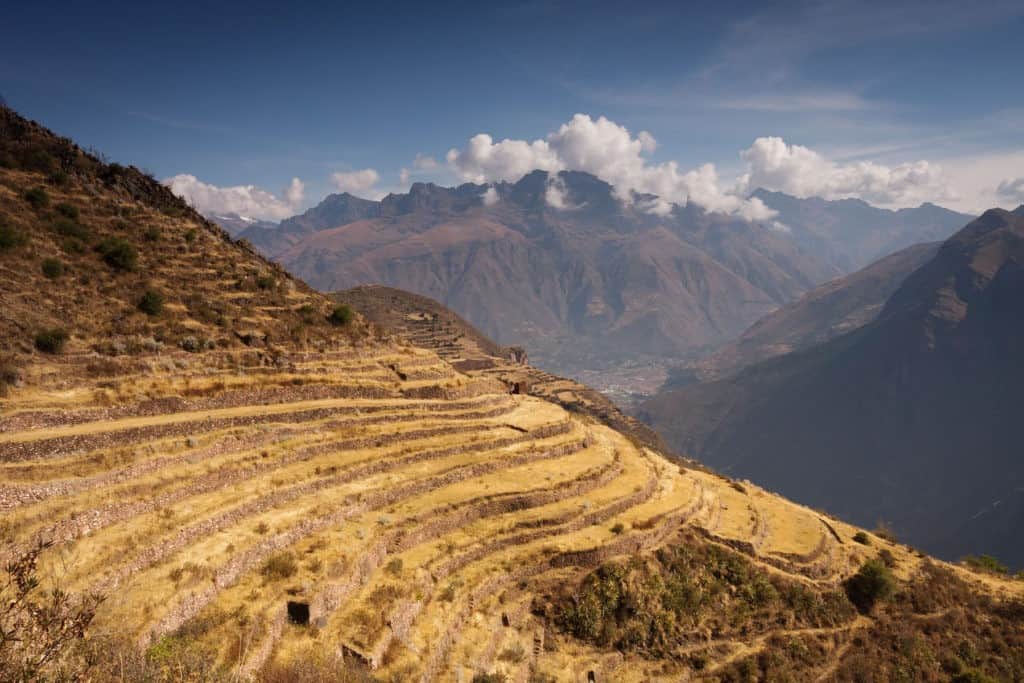
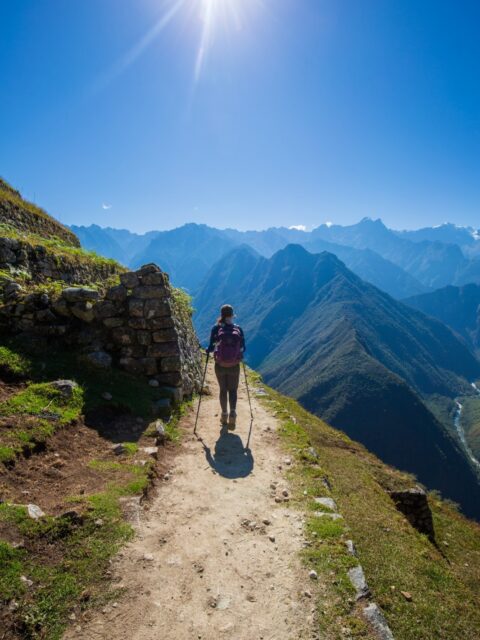
If you enjoy hiking, the Sacred Valley is a fantastic destination.
There are countless trails connecting traditional communities, archaeological sites, mountain passes, and remote valleys.
Some hikes are relatively short and can be completed in a few hours, while others take several days and lead through spectacular mountain scenery.
Some of our favorite hiking options include:
- Huchuy Qosqo Trek: A beautiful hike to a lesser-visited Inca archaeological site overlooking the Sacred Valley (more details below).
- Lares Trek: A multi-day adventure through traditional Andean communities, mountain sceneries, and high-altitude passes.
- Ollantaytambo and Pinkuylluna: A short, steep hike offering fantastic views of the valley.
- Ruins to Pisac Town: A scenic descent through ancient terraces and mountain paths. This is honestly one of my favourite hikes!!! You just drive up to the site, enter with the touristic ticket, and walk down to the village.
- Perolniyoc Waterfall: A rewarding hike combining natural scenery with a lesser-known Inca archaeological site (more details below). This can be also a great day trip from Cusco!
- Hike to Chupani Ruins: This is a beautiful hike as well, just get a taxi to the starting point and walk through the valley.
At Apus Peru, we particularly love hiking routes that combine beautiful countrysides with opportunities to learn about local history and culture. Reach out to us if you need help with planning a hike!
Discover the Perolniyoc Waterfall and Inca Ruins
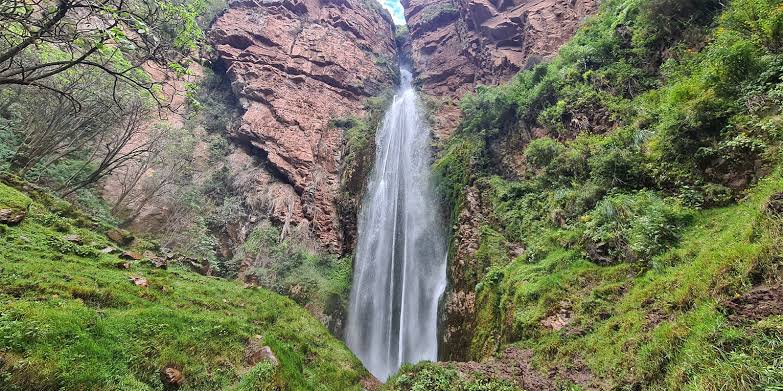
If you are looking for something a little different from the usual Sacred Valley tourist circuit, consider visiting the Perolniyoc Waterfall.
Located near the village of Socma, not far from Ollantaytambo, this impressive waterfall is surrounded by beautiful mountain scenery.
The hike takes you through a rural scenery with agricultural fields, small villages, and mountain views.
Above the waterfall, you can continue to the archaeological site of Raqaypata, also known as the Perolniyoc ruins.
The combination of a waterfall, an archaeological site, and a scenic hike makes this one of the most rewarding lesser-known excursions in the Sacred Valley.
Depending on your starting point and walking pace, you should allow several hours for the hike and visit.
Explore Huchuy Qosqo, a Hidden Site in the Sacred Valley
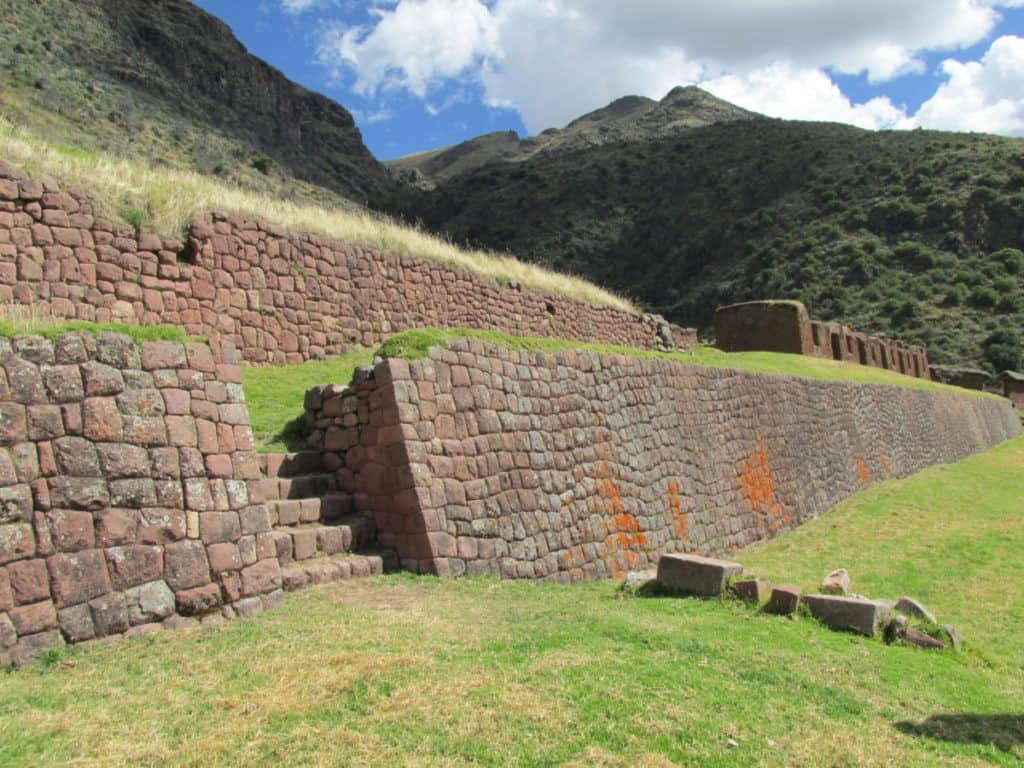
Huchuy Qosqo, meaning “Little Cusco” in Quechua, is one of my favorite archaeological sites in the region.
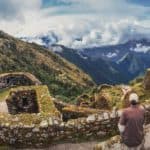
Perched high above the Sacred Valley, on the opposite side of the valley from Ollantaytambo, this impressive Inca complex offers incredible views of the Urubamba Valley and the surrounding mountains.
Unlike Pisac or Ollantaytambo, Huchuy Qosqo receives relatively few visitors.
You can reach the site on a longer hike from the Cusco side or via a shorter approach from the Lamay area, depending on road conditions and your chosen route.
For travelers interested in trekking, the Huchuy Qosqo route is an excellent alternative to more crowded hiking trails.
It can also be incorporated into a multi-day trek that continues toward Machu Picchu.
Experience a Traditional Andean Community

While archaeological sites tell the story of the Inca Empire, the villages of the Sacred Valley show how many Andean traditions continue today.
Depending on the community and the experience, you may learn about traditional farming, weaving, local food preparation, or the importance of communal work.
Communities such as Patacancha and Huilloc, in the mountains above Ollantaytambo, are known for their textile traditions and cultural heritage.
We recommend choosing community-based experiences that are organized in cooperation with local residents and fairly compensate them for their time and knowledge. We offer great experiences such as the Inca Traditions tour or the Chichubamba Hands-On tour.
Try ATV Adventure Tours
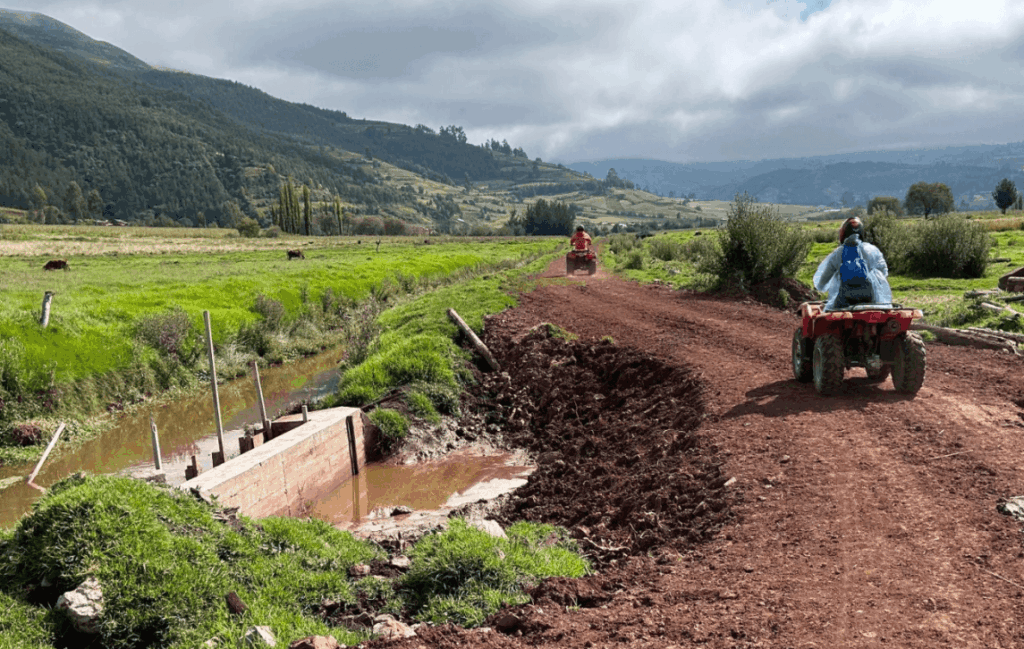
Many ATV tours take you to the Maras and Moray communities, but what makes this experience special is everything you discover along the way.
When I did the tour myself, I was pleasantly surprised. I had expected mostly speed and adventure, but it turned out to be a wonderful way to connect with the Sacred Valley. You drive along dirt roads through open fields, breathe in the fresh Andean air, and smell the herbs and plants growing along the way. You might even spot local mamitas tending their sheep and alpacas, with the beautiful mountain scenery all around you.
For me, this was one of those experiences that reminded me how beautiful it can be to explore Peru beyond its famous archaeological sites. It’s not just about riding an ATV, but also about enjoying the landscape and getting a glimpse of everyday life in the Andes.
Would you like to experience it yourself? Reach out to us at Apus Peru, and we’ll be happy to organize an ATV tour for you!
Most day tours include a guide, transportation from Cusco or the Sacred Valley, and a short introduction to operating the ATV before you set off. You don’t need previous experience, but you should feel comfortable following your guide and riding on uneven terrain.
Enjoy the Food and Relaxed Atmosphere of the Sacred Valley

After several days of trekking, sightseeing, or traveling through Peru, the Sacred Valley is a wonderful place to slow down.
Many hotels and restaurants have beautiful gardens, mountain views, and peaceful outdoor spaces.
The valley is also known for its agricultural production, so you can find restaurants serving fresh local ingredients such as corn, potatoes, quinoa, and seasonal vegetables.
If you have enough time, we recommend spending at least one afternoon simply enjoying the valley without rushing from one attraction to the next.
Sometimes the best travel experiences are the unplanned ones. We also have great blog post about the best restaurants in Lima and the best restaurants in Cusco!
Things to Do in Pisac, Sacred Valley Peru

Pisac is one of the most popular towns in the Sacred Valley, located approximately 45 minutes to one hour from Cusco.
It is famous for its impressive Inca ruins, traditional market, beautiful mountain scenery, and relaxed atmosphere.
Over the years, Pisac has also become popular with international travelers, artists, and people looking to spend more time in the Sacred Valley.
Here are some of the incredible things to do in Pisac.
Explore the Pisac Archaeological Site on a Day Trip
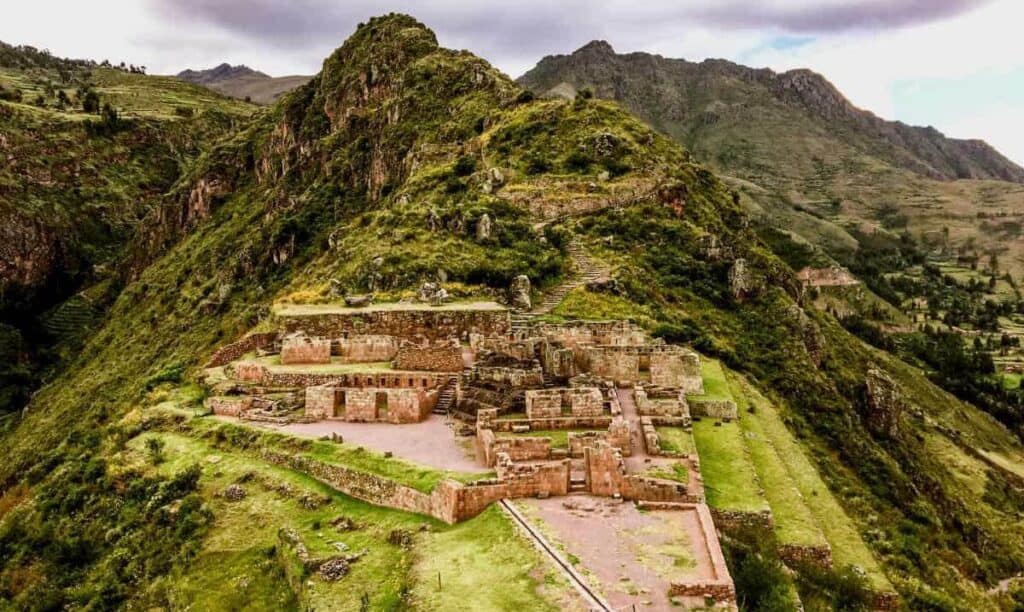
The ruins are among the most impressive archaeological sites and a very popular tourist attraction in the Sacred Valley – but totally worth it!
Located high above the town, the complex features enormous agricultural terraces, ceremonial areas, stone buildings, and spectacular mountain views.
One of the highlights is the way the terraces follow the natural shape of the mountainside.
The archaeological site is much larger than many visitors expect, so allow enough time to explore its different sectors.
If you are interested in Inca history, visiting with a knowledgeable guide will help you understand the significance of the structures and the site’s role during the Inca period.
Hike from the Pisac Inca Site Down to Town
One of the best ways to experience Pisac is to combine a visit to the site with a hike down to the town.
Instead of returning by car, you can follow ancient paths through the terraces and enjoy beautiful views over the valley.
The hike takes approximately two to three hours, depending on your route, pace, and how often you stop for photos.
Although the route is mostly downhill, some sections are steep and uneven, so good walking shoes are essential.
Check current trail access locally before starting, as some sections may be restricted.
This is a great option for travelers who want to combine sightseeing with a bit of hiking without committing to a full-day trek.
Visit the Pisac Market
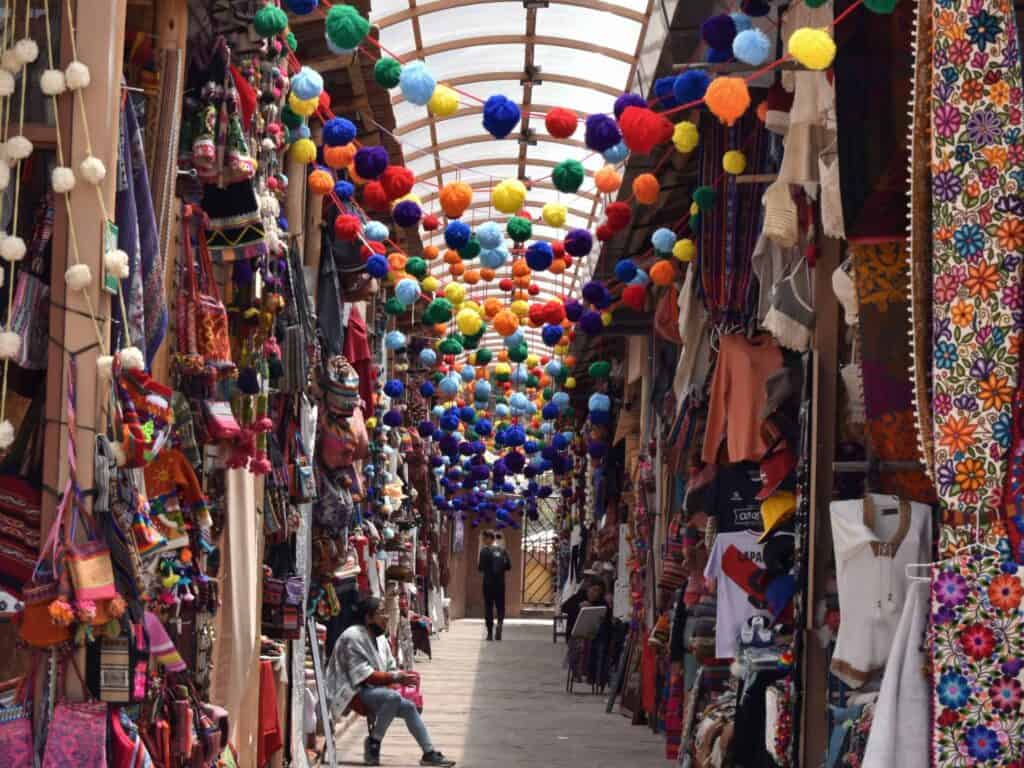
Pisac is well known for its artisan market, where you can find colorful textiles, handmade jewelry, ceramics, traditional clothing, and souvenirs.
The market is especially popular with visitors looking for gifts or locally made products.
However, keep in mind that not everything sold at the market is necessarily handmade in Pisac.
If you are interested in authentic textiles or traditional crafts, take some time to speak with the artisans and learn about their work.
Sunday is traditionally an important market day in Pisac, although craft stalls operate on other days as well.
Explore Pisac Town, Cafés, and Local Shops

Pisac has a very different atmosphere from Cusco.
The town is smaller, quieter, and surrounded by mountains. Its streets are filled with small cafés, restaurants, artisan shops, and traditional houses.
It is a nice place to spend a relaxed afternoon after visiting the ruins.
You can enjoy a coffee, visit a shamanic hippie shop, try some local food, or simply sit in the main square and watch daily life.
If you are traveling through Peru for several weeks, Pisac is also a good place to spend a couple of nights and take a break from a busy itinerary.
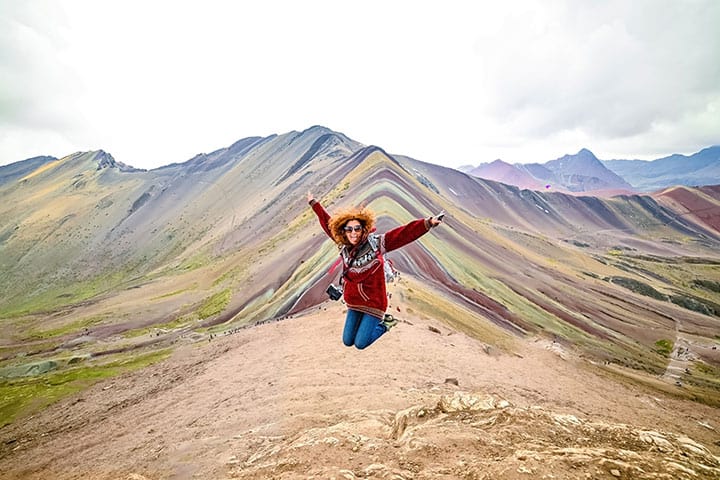
Very best of Cusco and Machu Picchu
Delve deeper into Cusco & the Sacred Valley: Incan salt terraces, ancient ruins, the spectacular Rainbow Mountain. Opt to trek or train to Machu Picchu.
Visit the Cemetery in Pisac
This might be a slightly unexpected stop, but if you have some extra time in Pisac, consider visiting the local cemetery. Located just behind the local market, it’s an interesting place to wander around for a few minutes and enjoy a different side of the town.
The cemetery is surrounded by plants and greenery, with lovely views of the surrounding mountains. It’s a quiet spot to take a break from the busy market and experience a little more of everyday life in Pisac.
It’s not a major tourist attraction, and that’s exactly what makes it interesting. If you’re already exploring the market, why not take a short walk over and have a look? Just remember to be respectful, as this is an active burial place where local families come to remember their loved ones.
Things to Do in Urubamba, Peru
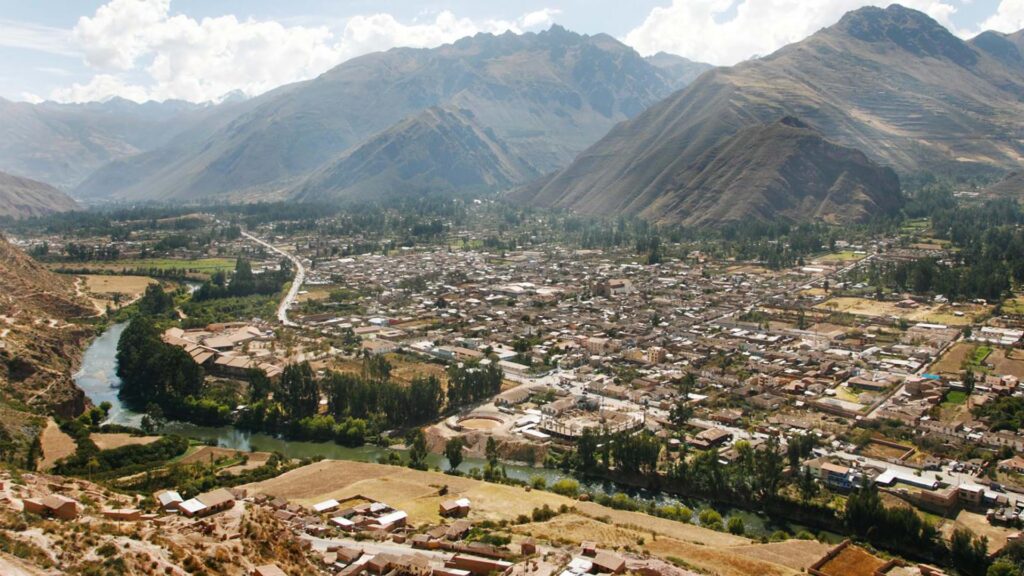
Urubamba is located in the heart of the Sacred Valley, approximately 1.5 hours from Cusco.
Compared to Pisac and Ollantaytambo, Urubamba doesn’t have a major archaeological complex right in the town center. However, it is a great base for exploring the surrounding valley.
It is also home to some of the Sacred Valley’s best restaurants, beautiful hotels, traditional markets, and interesting cultural experiences.
At approximately 2,870 meters (9,416 feet) above sea level, Urubamba is considerably lower than Cusco, making it a popular place to stay during the first few days of a Peru trip.
Explore Urubamba’s Main Square and Local Market
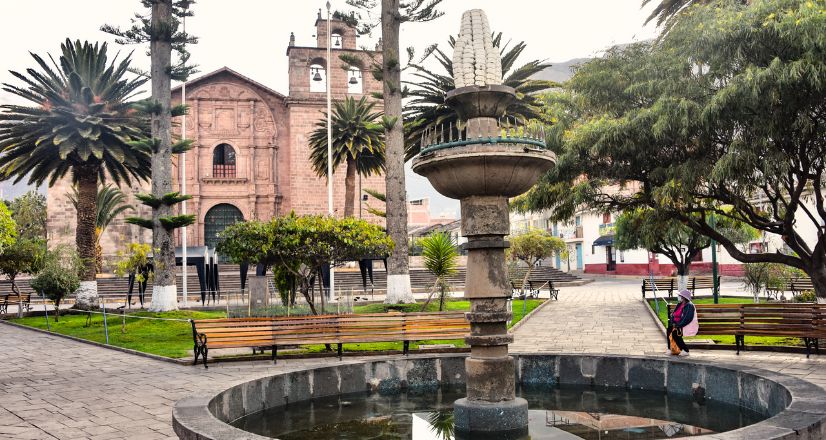
Start your visit with a walk around Urubamba’s Plaza de Armas.
The square is surrounded by shops, restaurants, and local businesses, and it is a pleasant place to observe everyday life.
One of the main landmarks is the Church of San Pedro Apóstol, a colonial church dating back to the 17th century.
After exploring the square, head to Urubamba’s local market. It is probably one of the most beautiful and organised markets!
Unlike the artisan markets in Pisac, the Urubamba market primarily serves local residents. You’ll find fresh vegetables, fruits, potatoes, grains, cheeses, and many other ingredients used in traditional Andean cooking.
Visit the Cerámicas Seminario Workshop

If you are interested in art and traditional craftsmanship, consider visiting Cerámicas Seminario.
This well-known ceramic workshop was founded by artists Pablo Seminario and Marilú Behar.
Their work is inspired by ancient Peruvian cultures, particularly pre-Columbian artistic traditions, while incorporating contemporary designs.
Visitors can learn about the creative process, admire the handmade ceramics, and browse the workshop’s collection.
It’s a nice cultural experience, especially if you are looking for something different from the typical archaeological sites.
Discover the Village of Yucay
Just a few minutes from Urubamba, you’ll find Yucay, one of the most charming villages in the Sacred Valley.
Yucay is known for its peaceful atmosphere, traditional architecture, and agricultural terraces.
During the Inca period, the area was associated with royal estates, and today you can still find historical structures and agricultural landscapes that reflect its importance.
The village is also home to a beautiful colonial church and several traditional houses.
Enjoy the Local Food Scene in Urubamba

Urubamba has become one of the best places in the Sacred Valley to enjoy good food.
From small local restaurants to beautiful countryside restaurants with gardens and mountain views, there are plenty of options.
Many restaurants use ingredients grown in the surrounding valley, including corn, potatoes, quinoa, and fresh vegetables.
If you prefer vegetarian food, you will also find plenty of restaurants offering creative dishes made with local Andean ingredients.
Local tip: Don’t limit yourself to the restaurants around the main square. Some of the nicest places to eat are located just outside Urubamba, surrounded by gardens and beautiful mountain scenery.
Where to Stay in the Sacred Valley: Pisac, Urubamba, or Ollantaytambo?
Choosing where to stay in the Sacred Valley depends on your travel style and itinerary.
| Destination | Best for |
| Pisac | Markets, cafés, a relaxed atmosphere, and exploring the eastern Sacred Valley |
| Urubamba | Comfortable hotels, restaurants, countryside experiences, and a central base |
| Ollantaytambo | Inca history, hiking, traditional architecture, and trains to Machu Picchu |
If you want to relax in a beautiful hotel and explore the surrounding countryside, Urubamba is an excellent choice.
If you prefer a smaller town with cafés, markets, and a relaxed atmosphere, Pisac might be your favorite.
And if you are planning to visit Machu Picchu or start a trek, Ollantaytambo is often the most practical option.
How to Get to the Sacred Valley in Peru from Cusco

There are several ways to reach the Sacred Valley from Cusco.
By private transportation: This is the most comfortable and flexible option, especially if you want to visit several Inca sites or smaller villages along the way.
By colectivo: Shared vans and minibuses connect Cusco with towns such as Pisac, Urubamba, and Ollantaytambo. They are an affordable option for independent travelers, although you may need to change vehicles depending on your destination.
By organized tour: If you want to learn more about the history and culture of the Sacred Valley, a guided tour is a convenient way to visit several important sites in one day.
By taxi: Taxis can also be arranged for individual transfers or full-day excursions. Make sure to agree on the price and itinerary before departure.
Is Peru’s Sacred Valley Worth Visiting?

Absolutely!
While Machu Picchu is often the main reason travelers come to Cusco, the Sacred Valley deserves much more than a quick stop along the way.
It is a place where you can experience incredible Inca history, explore beautiful mountain landscapes, discover traditional Andean culture, and enjoy some of the best hiking opportunities in the region.
Whether you prefer archaeological sites, outdoor adventures, local markets, or quiet villages, there are plenty of things to do in the Sacred Valley.
And if you have the time, we highly recommend going beyond the most famous attractions.
Some of the most memorable experiences in Peru happen when you leave the busy tourist routes behind and explore the smaller communities, hidden trails, and beautiful landscapes that make the Sacred Valley so special.
Frequently Asked Questions About the Sacred Valley
Some of the things to do in the Sacred Valley include visiting the Ollantaytambo and Pisac ruins, exploring the Maras Salt Mines and Moray, discovering traditional weaving in Chinchero, hiking to Huchuy Qosqo, and visiting local Andean communities.
The best time to go to the Sacred Valley in Peru is from May to September, during the dry season. May and June are particularly good months, offering sunny days, clear mountain views, and relatively green landscapes after the rainy season. July and August are ideal for hiking and exploring Inca ruins, although they are also the busiest months for tourism. September and October are excellent alternatives if you prefer fewer crowds and generally pleasant weather.
The rainy season runs from November to March, bringing greener scenery but also more frequent showers, especially between January and March. If you want the best balance of weather, scenery, and fewer tourists, May or September are excellent choices.
Read more about the best time to visit Peru!
Both towns are worth visiting, but they offer different experiences. Pisac is particularly interesting for its archaeological site, artisan market, cafés, and relaxed atmosphere. Urubamba is a larger town with more accommodation options, restaurants, and convenient access to different parts of the Sacred Valley.
It depends on your travel style and how much time you have. A guided tour is a convenient option if you want to visit several Inca sites in one day and learn more about their history and cultural significance.
If you prefer to travel independently, you can explore many parts of the Sacred Valley using colectivos, taxis, or private transportation. This gives you more flexibility to spend time in the places that interest you most.
If you want to discover lesser-known archaeological sites, hike through the countryside, or visit traditional Andean communities, a private guide can also help you experience a different side of the Sacred Valley beyond the main tourist attractions.
Yes. Cusco is located at approximately 3,400 meters (11,150 feet), while Pisac is around 2,970 meters (9,744 feet), Urubamba around 2,870 meters (9,416 feet), and Ollantaytambo around 2,790 meters (9,154 feet). However, some nearby attractions and hiking trails are located much higher.
The distance depends on where you are staying. Ollantaytambo is one of the most convenient starting points for visiting Machu Picchu, as trains depart from here toward Aguas Calientes, the town below Machu Picchu. Read more about how to get to Machu Picchu in our blog post!
Yes! The Sacred Valley offers some excellent hiking opportunities, from short walks to multi-day treks. Popular routes include Huchuy Qosqo, the Lares Trek, and shorter hikes around Pisac and Ollantaytambo. It is also a great region for travelers who want to combine trekking with ruins and traditional Andean communities.