
Today, we’re diving into the vibrant and refreshing world of ceviche – one of Peru’s most iconic dishes. But what exactly is ceviche? In this guide, you’ll discover its origins, how it’s prepared, why it holds such cultural importance, and even the health benefits that make it so popular.
Fascinating Ceviche Facts
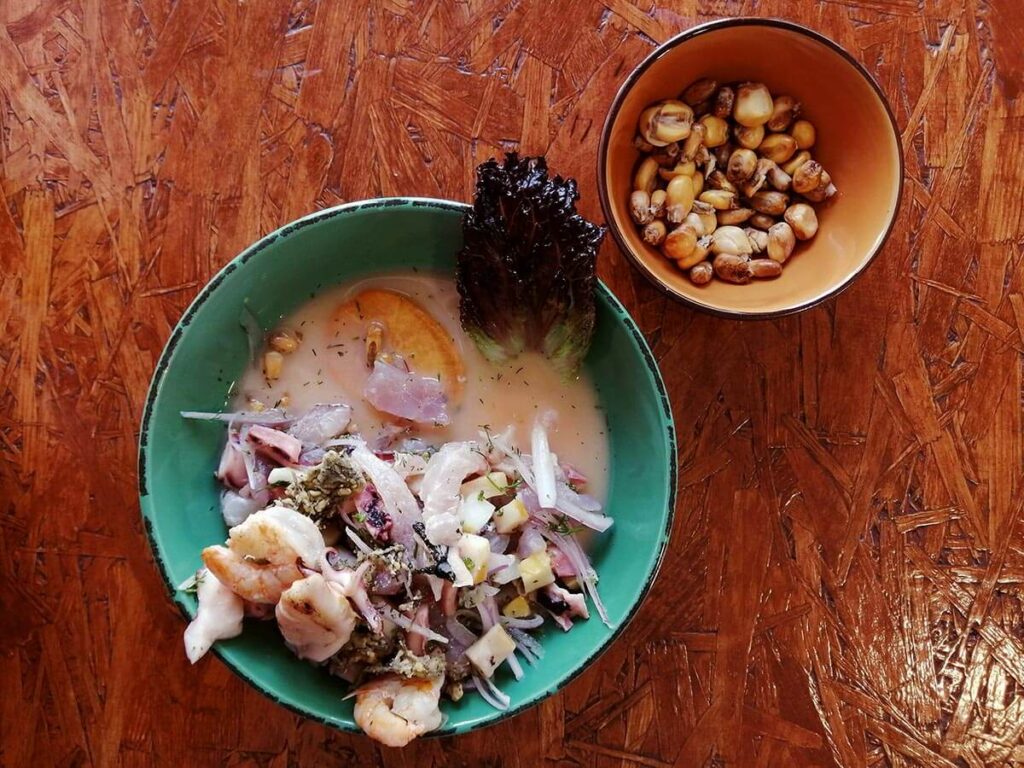
Ceviche is Peru’s national dish and a powerful symbol of identity, tradition, and pride.
While traditional ceviche features white fish such as sea bass or sole, today there are countless variations, including the popular shrimp ceviche, as well as versions with octopus, squid, scallops, and more.
Its popularity has spread across the globe, with different cultures adding their own twist, from Mexico to Japan.
Beyond its flavor, it’s packed with nutrients like protein and omega-3s, making it both fresh and nourishing.
Modern chefs continue to reinvent ceviche with creative combinations, from fruity flavors to Asian-inspired ingredients like soy and ginger.
In some coastal traditions, eating ceviche on a Monday is said to bring good luck for the week ahead.
And because it relies on fresh, high-quality fish, ceviche naturally supports sustainable seafood practices and a deeper connection to the ocean.
What is Ceviche? The History of this Popular Dish
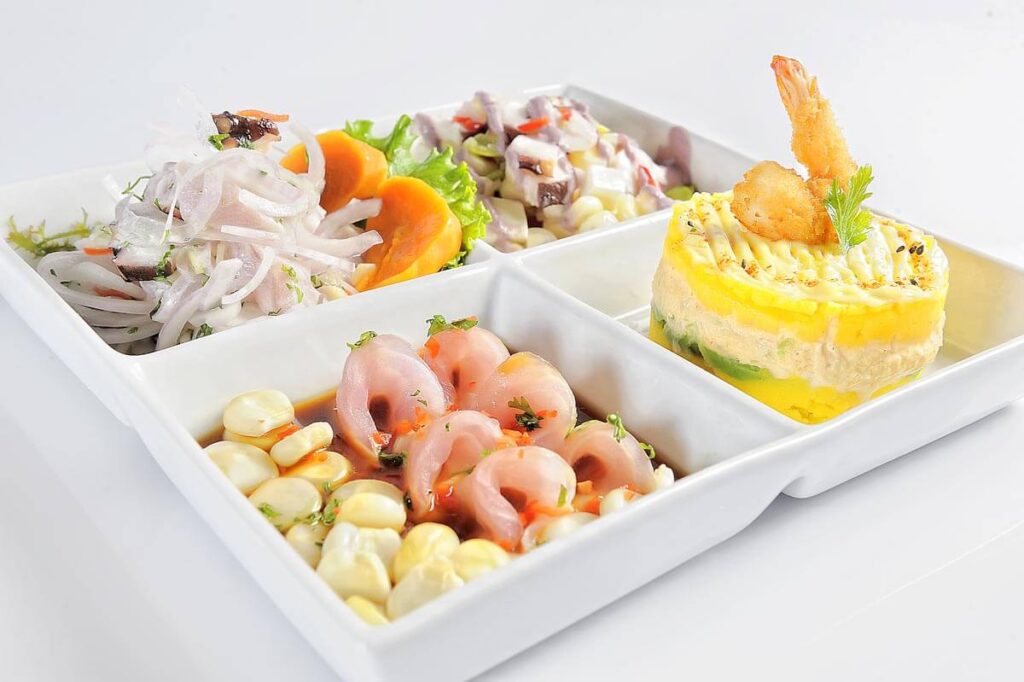
Ceviche (also spelled seviche or cebiche) is more than just a dish. It’s a reflection of Peru’s coastal culture and a story that stretches back thousands of years.
Ceviche originated along the coast of South America, where pre-Columbian communities discovered a simple but brilliant technique: preserving fresh fish for ceviche using acidic juices. Back then, fish was marinated in tumbo, a native passionfruit, along with salt and chili. The acidity would “cook” the fish without heat, creating the fresh, tangy flavor that still defines ceviche today.
Over time, ceviche evolved as different cultures left their mark on Peru. Spanish colonizers introduced ingredients like onions and garlic, while African influences brought a stronger presence of chili and spice. Later, Asian immigrants added new dimensions with flavors like soy sauce and ginger, shaping some of the modern variations we see today.
This blend of influences turned ceviche into what it is now: a dish that reflects Peru’s rich and diverse heritage. Deeply rooted in tradition yet constantly evolving, ceviche continues to adapt to new tastes while staying true to its origins.
Today, ceviche is not only a staple across Peru but also a beloved dish throughout Latin America and beyond. A great ceviche uses fresh fish and can be served as an appetizer or even as a main dish, making it as versatile as it is delicious.
What does Traditional Peruvian Ceviche taste like?
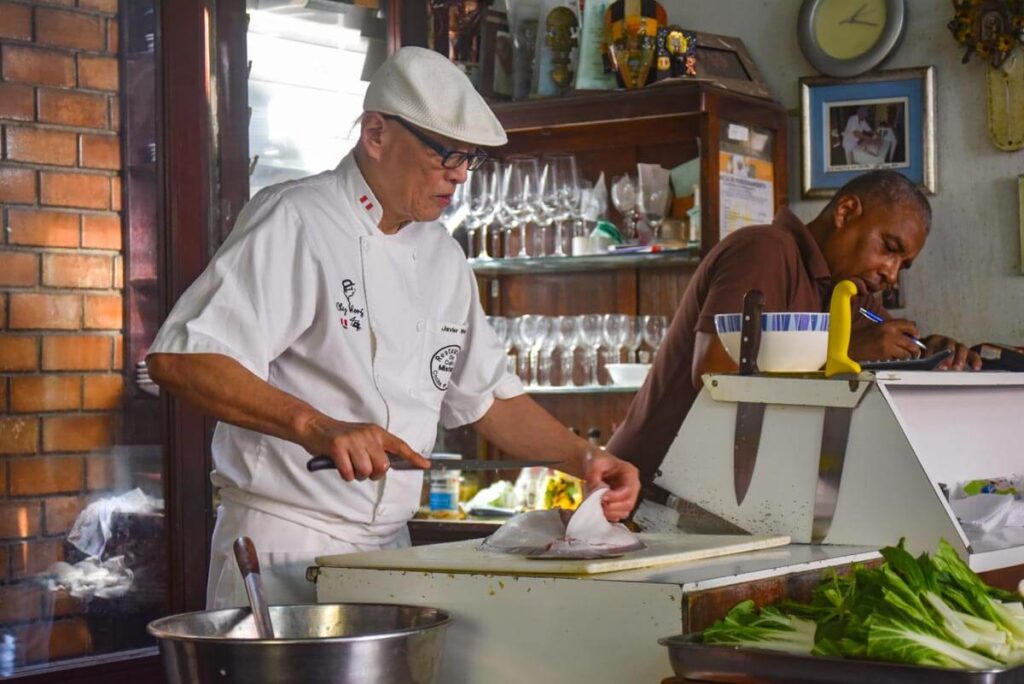
Peruvian ceviche is fresh, light, and well balanced. The citrus gives it a noticeable acidity, the pieces of fish for ceviche are soft and clean in flavor, and the onions add a bit of crunch and mild sweetness. Depending on the recipe, there’s also a gentle heat from the chili.
Everything comes together in a simple way, without feeling heavy. It’s a mix of sour, savory, and slightly spicy, but nothing overpowering.
I honestly love ceviche on a hot summer day, maybe next to the beach. It’s a super light lunch that still feels satisfying. And the combination with sweet potatoes and corn adds a nice contrast, a bit of sweetness that balances the acidity really well.
How to Make the Best Ceviche: Our Delicious Recipe
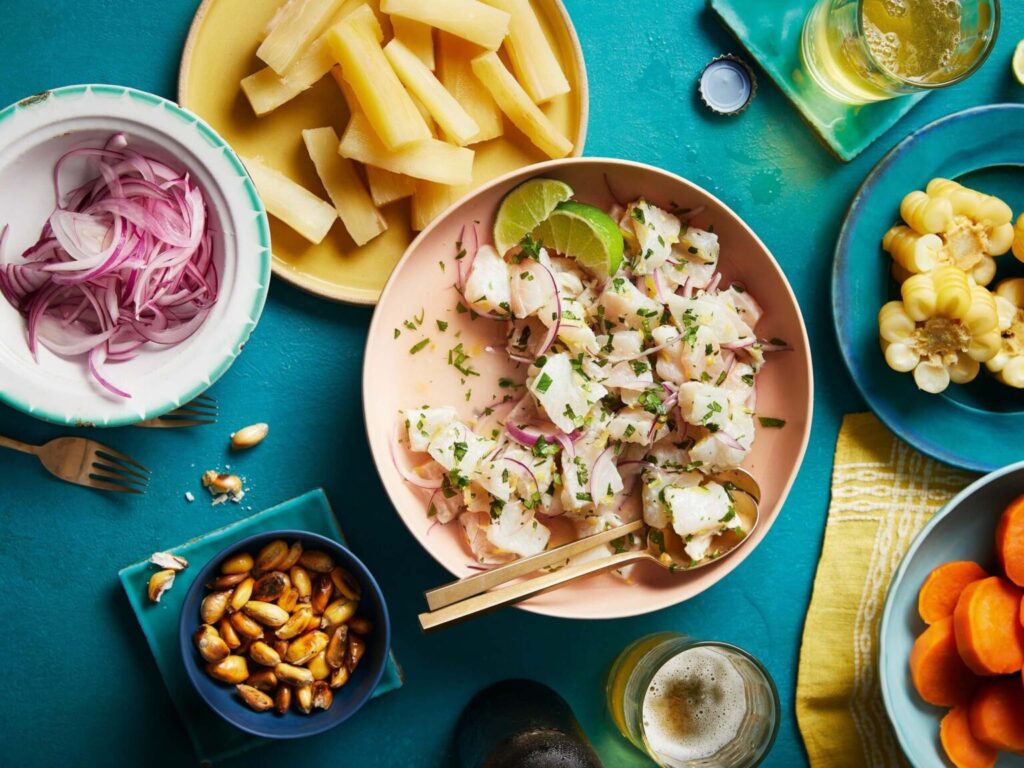
Now let’s take a look at the best way to make ceviche. At its core, ceviche is all about a few simple, fresh ingredients: fresh fish from a fishmonger, tangy citrus juice like lime or lemon, crunchy onions, and a bit of chili for some heat.
Let us show you our Peruvian Ceviche Recipe:
Yields: 4 servings
Time: 20 minutes
Ingredients for traditional ceviche recipe
- 2 medium red onions, thinly sliced (julienned)
- 1 cup of freshly squeezed lime juice (about 10-15 limes)
- 1-2 aji amarillo or habanero peppers, seeded and sliced
- 2 pounds of white, raw, saltwater fish, cut into cubes (such as corvina, sea bass, tilapia or mahi mahi)
- A sprig of cilantro
- Salt, to taste
Accompaniments
- 2 cooked sweet potatoes, peeled, and sliced
- 1 cup of Peruvian corn kernels, boiled
- Lettuce leaves
- 1 cup of cancha (corn nuts)
- 1 cup of chifles (plantain chips)
- Chopped aji, to taste
Preparation of this Seafood Dish
- Start by soaking the thinly sliced red onions and 1 tablespoon of salt in cold water for at least 10 minutes, while making sure your fish is fresh. Stir occasionally to reduce the harsh flavor of the onions.
- Drain the onions and place them in a glass bowl along with the cubed fish, lime juice, sliced peppers, cilantro sprig, and salt. Adding some ice cubes can help balance the acidity of the lime.
- Cover the bowl and refrigerate for 5-10 minutes to allow the flavors to meld.
- Once the fish is marinated, remove the cilantro sprig and chili peppers.
- Adjust the seasoning with salt to taste and gently mix.
- To serve, evenly distribute the ceviche mixture onto 4 plates.
- Arrange the boiled sweet potato slices, Peruvian corn, cancha, and chifles on the side of each plate.
- Garnish the ceviche with chopped cilantro and aji according to your preference.
- Dive in and enjoy the vibrant flavors of this classic Peruvian dish!
Versions of Ceviche in Central and South America
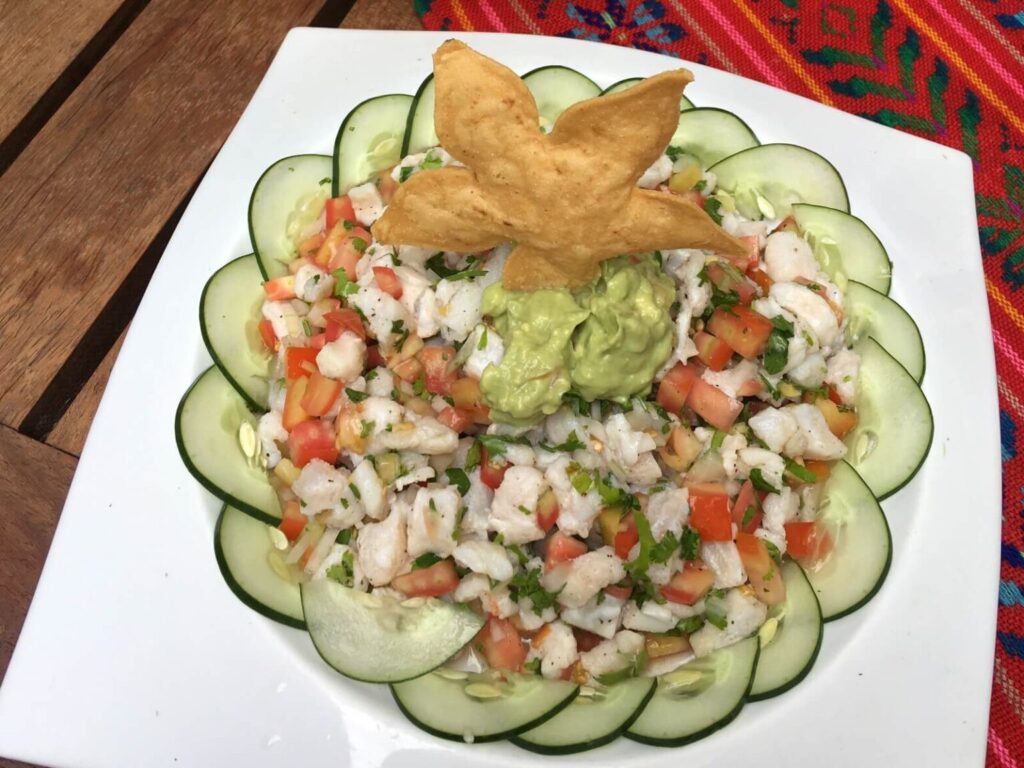
Even though the origins of ceviche are in Peru, this beloved Latin American dish can be found in countries far and wide. From Mexico to Thailand, here’s how this iconic dish takes on new flavors and ingredients across the globe and throughout South and Central America:
In Peru, classic ceviche is typically made with fresh fish marinated in lime juice, red onion, aji, cilantro, and salt.
Ecuadorian ceviche features fish or seafood marinated in lime, salt, and tomato sauce, typically served with chifles and cancha on the side. The key difference in Ecuador is that, unlike the classic Peruvian version, the seafood is cooked before being marinated.
In Chile, ceviche uses Patagonian toothfish with a marinade of lime, grapefruit, garlic, mint, and red chilis, served with crackers or homemade bread.
Ceviche de concha negra is popular in El Salvador, featuring black shells with lime juice, onion, yerba buena, salt, pepper, tomato, and hot sauce.
In Cuba, they serve ceviche with lime juice, salt, onion, habanero, green pepper, allspice, and mahi-mahi.
In the Caribbean, ceviche gets a tropical twist with a splash of coconut milk alongside lime and onions.
Just south of the border, Mexican ceviche often features tuna or shrimp, combined with avocado, tomato, cucumber, and olives. It’s typically served with homemade tortilla chips for a satisfying crunch.
In Thailand, ceviche swaps white fish for scallops and adds fish sauce, lime leaves, Thai chili, and sliced cucumber.
Mediterranean-style ceviche features cherry tomatoes, orange juice, jalapenos, sumac, lime, fennel, and mint atop sea bass, halibut, or snapper.
What is Leche de Tigre?
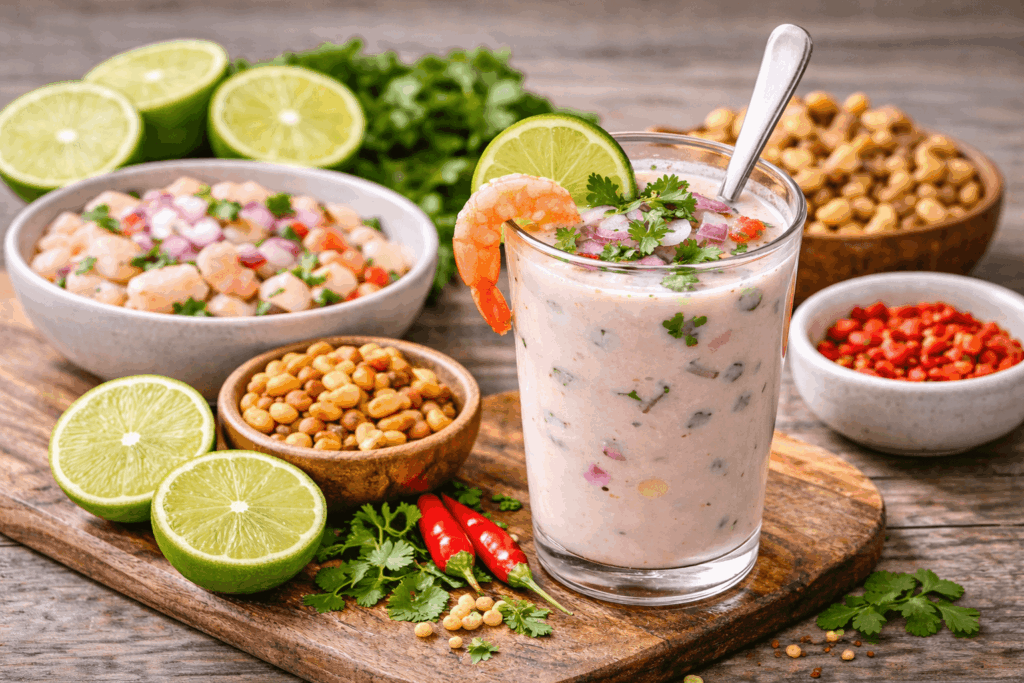
Leche de tigre, or “tiger’s milk,” is the flavorful liquid at the heart of Peruvian ceviche, one of the most famous South American dishes. It’s created when fresh lime juice mixes with the juices from the fish, along with ingredients like garlic, chili, onion, and sometimes a bit of ginger or fish stock.
This citrus-based marinade is what gives ceviche its signature taste. It’s also what “cooks” the fish, using acidity instead of heat, making it safe to eat, and giving every bite a fresh, slightly spicy kick. For anyone exploring Peruvian cuisine, leche de tigre is a ceviche must.
In Peru, it’s often served on the side or even enjoyed on its own as a small shot. Some people swear by its energizing effect, and it has become a cherished part of the culture around ceviche.
Health Benefits of Ceviche
Ceviche is also packed with health benefits that make it a smart choice for those looking to indulge without guilt. Here’s a rundown of why ceviche is as good for your body as it is for your taste buds:
1. High in Protein
One of the primary ingredients in ceviche is fresh fish, which is an excellent source of high-quality protein. Protein is essential for building and repairing tissues, making it crucial for muscle growth and overall body function.
2. Rich in Omega-3 Fatty Acids
Fish, especially fatty fish like salmon and mackerel, are rich in omega-3 fatty acids. These essential fats are known for their heart-healthy benefits, including reducing inflammation, lowering blood pressure, and improving cholesterol levels.
3. Packed with Vitamins and Minerals
Ceviche is often made with a variety of fresh ingredients, including onions, peppers, and citrus fruits like lime or lemon. These ingredients are rich in essential vitamins and minerals, such as vitamin C, vitamin K, and potassium, which are vital for maintaining overall health and wellness.
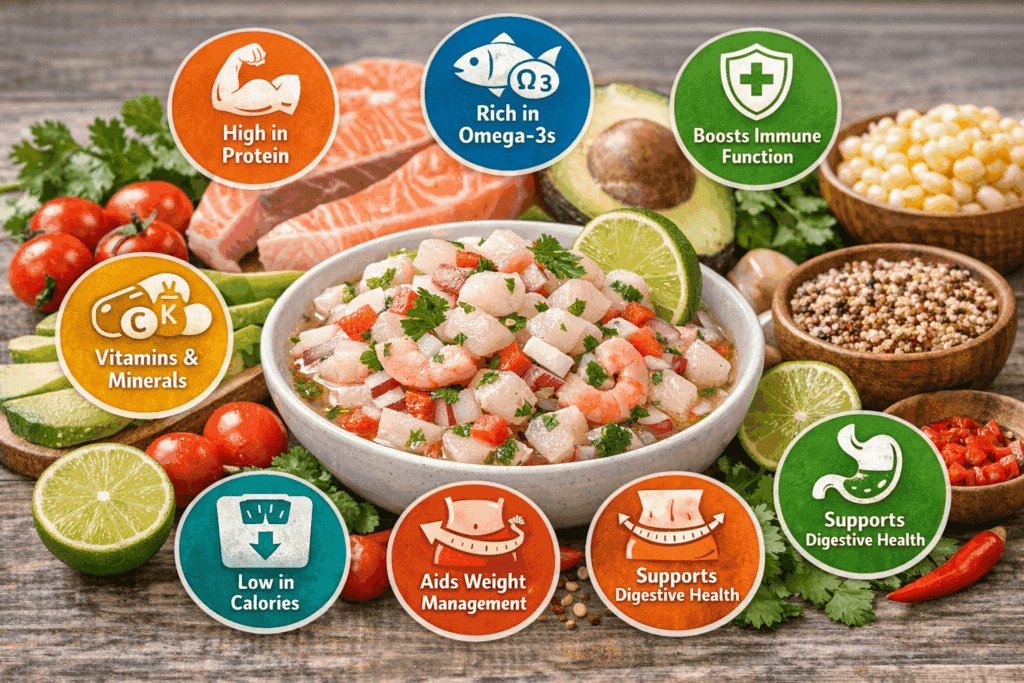
4. Low in Calories
Unlike many other fried or heavily processed dishes, ceviche is low in calories, making it a great option for those looking to maintain a healthy weight or even shed a few pounds. Plus, the high protein content can help keep you feeling full and satisfied for longer.
5. May Boost Immune Function
Thanks to its vitamin C content from ingredients like lime or lemon juice, ceviche may help boost immune function and protect against common illnesses like colds and flu. Vitamin C is essential for supporting the immune system and promoting overall health.
6. Supports Digestive Health
Ceviche is often served with ingredients like onions and peppers, which are rich in dietary fiber. Fiber is crucial for digestive health, as it helps regulate bowel movements, prevent constipation, and support a healthy gut microbiome.
7. May Aid in Weight Management
With its high protein content, low calorie count, and ability to keep you feeling full, ceviche can be a valuable addition to a weight management plan. By satisfying your hunger without weighing you down with excess calories, ceviche can help you stay on track with your health goals.
Try Ceviche in Peru and Plan Your Trip!

So there you have it – everything you need to know about ceviche, from its humble roots in Peru and beyond to its status as a culinary superstar. Ceviche is a seafood that can be found in so many variations around the world, each an amazing recipe waiting to be tried. Go ahead, grab a fork (or a spoon, or just dive in with your hands – no judgment here) and dig into a plate of this flavorful masterpiece. Trust us, it’s a perfect dining experience!
We can help you plan your trip to make sure you visit the best spots where you can enjoy this type of seafood at its finest. And if you’re thinking of exploring beyond the coast, don’t miss the chance to visit Cusco and the Sacred Valley – we’d be happy to help you plan every detail. If you’re up for a bit of adventure, we also offer incredible trekking options like the Salkantay Trek or the Lares Trek.