The UNESCO World Heritage city of Cusco has deep pre-Incan origins and a story shaped by myth, history, and lived tradition in a way few cities in the world can. Planning a Cusco itinerary requires understanding that the city is more than just a gateway to Machu Picchu. It merits proper time and attention, not just a quick stop.
I’ve spent years in Cusco. Some days I feel like I haven’t even scratched the surface; other times, I stay long enough that I could happily keep going for weeks. Cusco is the kind of place that reveals itself slowly, and how much time you need depends entirely on how deeply you want to experience it.
Below, I break down how to plan your time in Cusco for one day, a few days, or a full week, and how to balance the city with the Sacred Valley and Machu Picchu without rushing the experience.
How Many Days in Cusco is Enough?
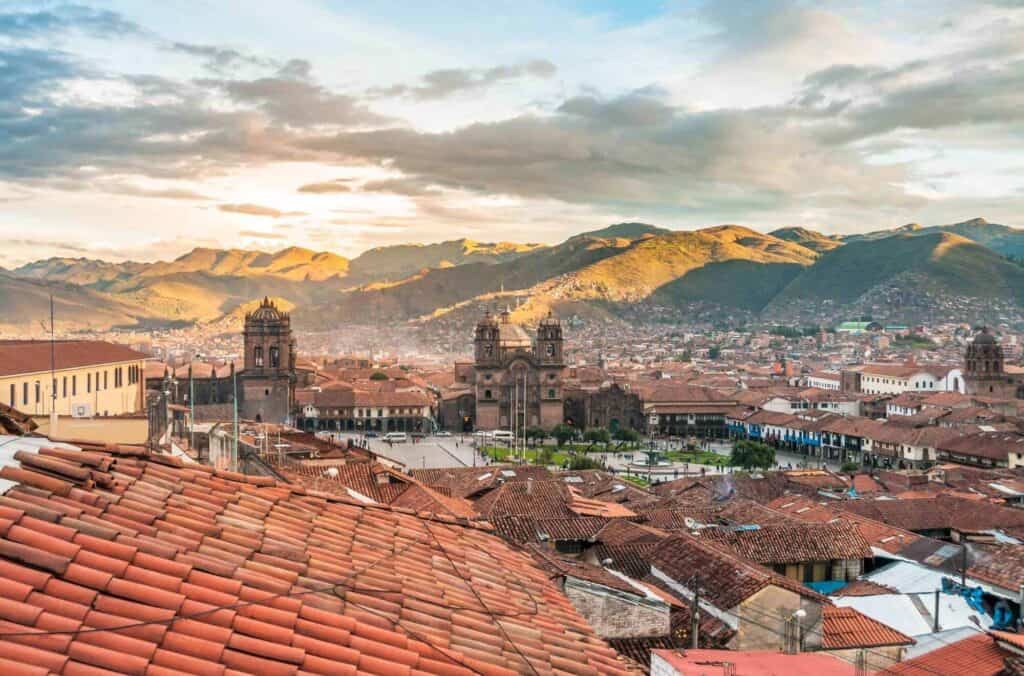
When planning your visit, we think two to three days in Cusco city is ideal, followed by a further two days in the Sacred Valley. That balance allows you to enjoy the city, experience some of the amazing things to do in Cusco, adjust to the altitude, and explore the region without feeling rushed.
However, not everyone has that luxury, so read on for our recommendations…
With only two or three days, prioritising becomes essential. Focus on Cusco’s main highlights and avoid overloading your schedule. A clear plan will help your time feel purposeful rather than rushed.
If you can, consider staying at least five days. This should be enough to explore at a comfortable pace. You can spend the first few days exploring the historic centre and nearby ruins from the Incan Empire before continuing your Sacred Valley exploration. This also gives flexibility if you plan to visit Machu Picchu.
Altitude Considerations
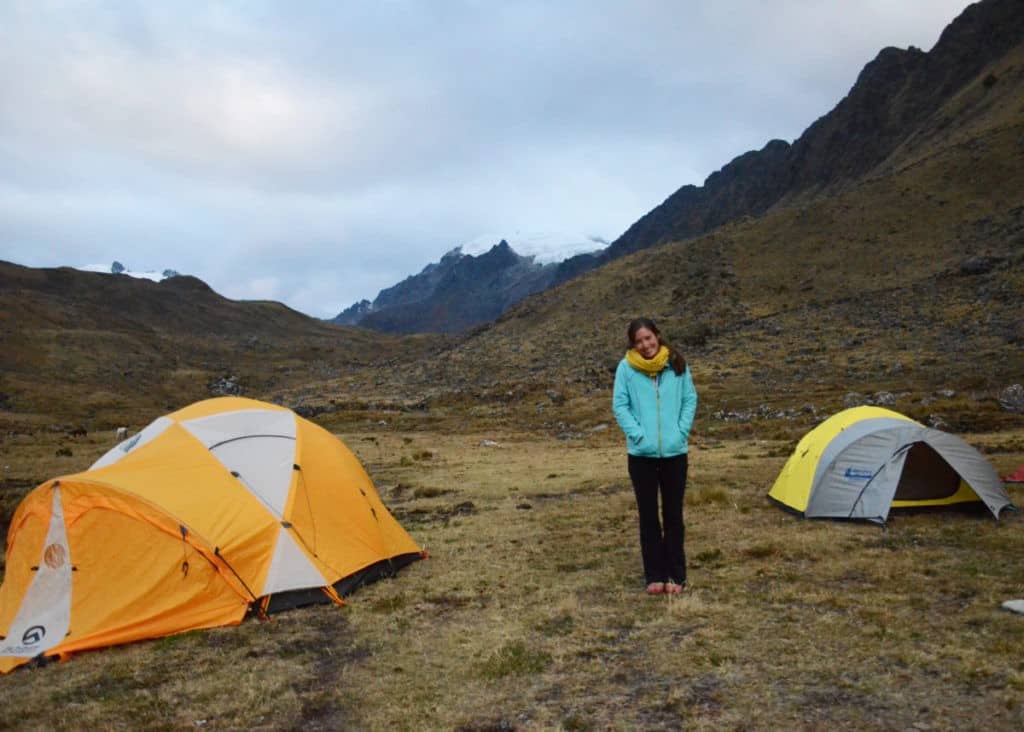
Cusco sits at approximately 3,400 metres (11,150 feet) above sea level. Most visitors notice the effects within the first 24 hours, which can include headaches, fatigue, or shortness of breath. If you’re arriving on an early-morning flight, plan a light first day to help you adjust to the altitude.
Altitude Note: Cusco sits at 3,400 metres above sea level. Plan a light first day, stay hydrated, and allow 24–48 hours to acclimatise before strenuous activity.
How to Use This Cusco Itinerary: Theming Your Trip

Cusco is not a one-size-fits-all destination. How you experience the city depends hugely on who you are traveling with, how much time you have, and what kind of trip you want to have. Some people come for food, others for history or adventure, and many are trying to balance altitude, kids, and limited time all at once.
Rather than following a rigid day-by-day plan, this Cusco Peru itinerary is designed to help you theme your trip. Once you know what matters most to you, it becomes much easier to decide what to prioritize, what to skip, and how to pace your days in a way that actually feels enjoyable.
Before you start planning, make sure you’ve decided when to visit Cusco. You can read our guide to the best time to visit Cusco here.
Food
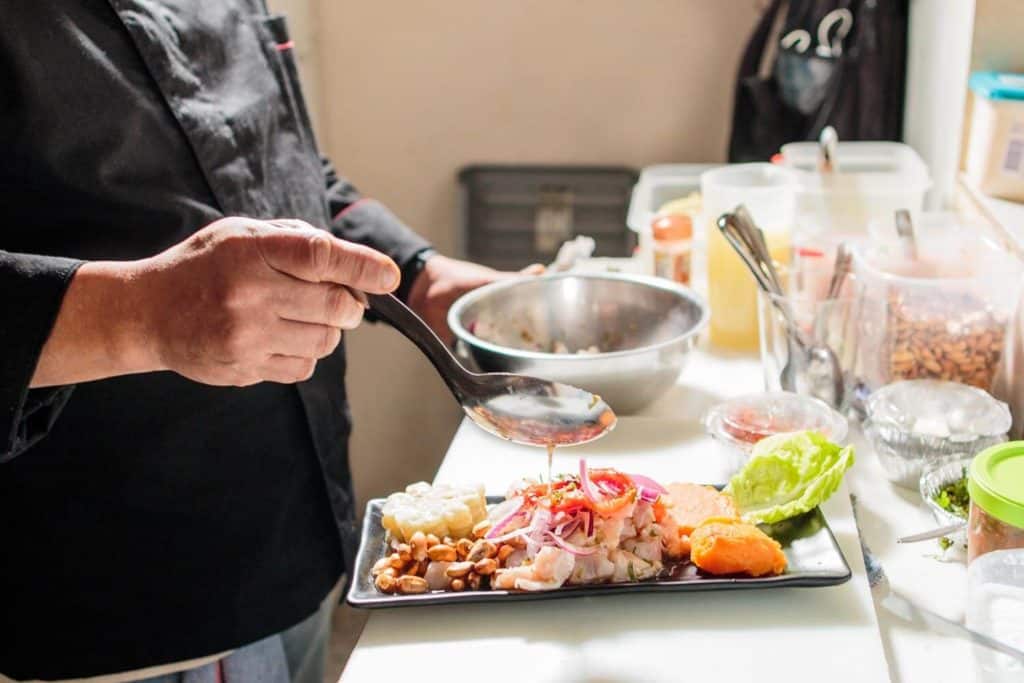
If food is an important part of your travels, then plan your Cusco city tour itinerary around it. The city offers everything from refined restaurants near Plaza de Armas to traditional markets that give insight into daily life. It’s one of my favorite ways to explore because it naturally sets a slower pace, which also makes adjusting to the altitude easier.
A food-focused Cusco itinerary can include the following:
Restaurants and local markets: Restaurants in the historic center can be an experience in themselves, especially if you book a table with a view and linger over regional dishes like trout, alpaca, or quinoa-based plates. But don’t limit yourself to restaurants. Check out San Pedro Market, which has a great selection of fresh juices, fruit, soups, and simple lunches that feel more connected to daily life.
Cooking classes and market tours: A cooking class in Cusco is a great way to understand Peruvian flavors while taking a break from walking. Many classes begin with a guided visit to a local market, where you’re introduced to regional ingredients before heading to the kitchen.
Two of the more established cooking schools in Cusco are Marcelo Batata and CooKing with Ricardo, both of which offer hands-on classes where you can enjoy the food you prepare while learning practical techniques along the way.
At the end of your class, you learn the essentials of Peruvian cooking and walk away with something you can actually recreate at home. If you’re adjusting to the altitude, it’s an easy activity that still feels meaningful.
Find out more here about Cusco cooking classes.
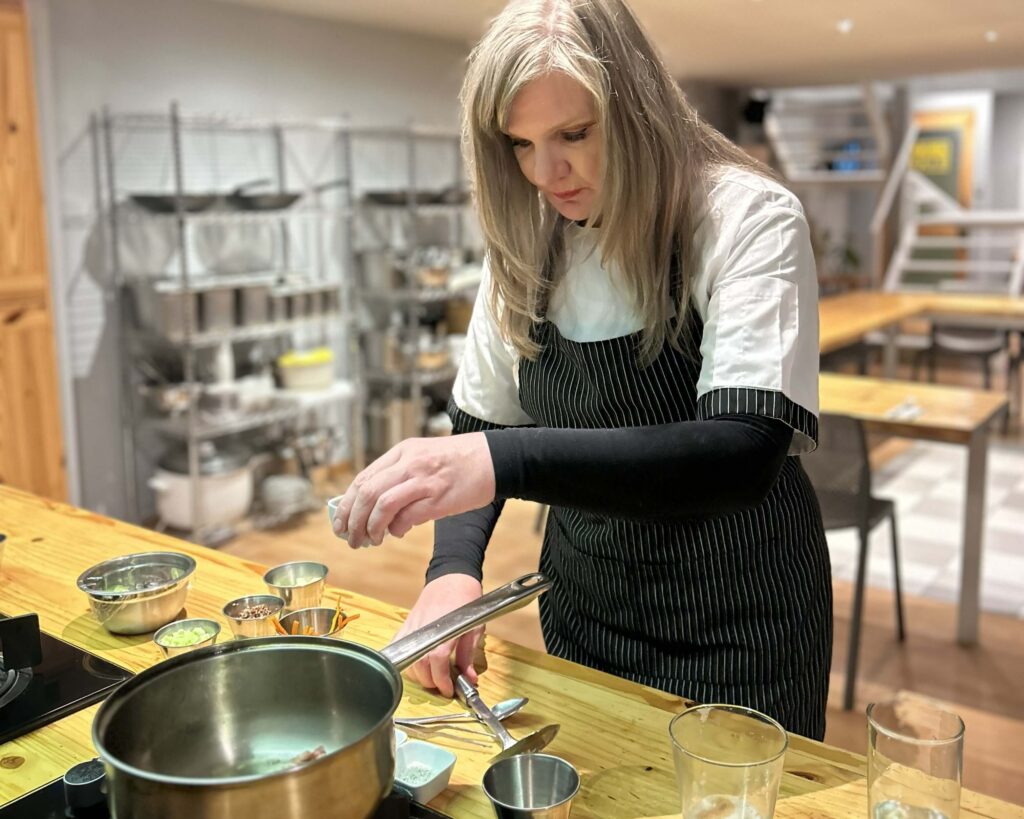
Market tours and workshops: If markets feel overwhelming at first, a guided tour can make them far more engaging. It helps you understand what you’re seeing, what’s worth trying, and how local ingredients connect to Andean cooking and everyday life in Cusco. It’s also an easy way to combine culture and food in one morning without overloading your schedule.
For a different perspective, Choco Museo offers chocolate workshops focused on Peru’s cacao production.(Plus, who doesn’t love chocolate tasting!)
Arts
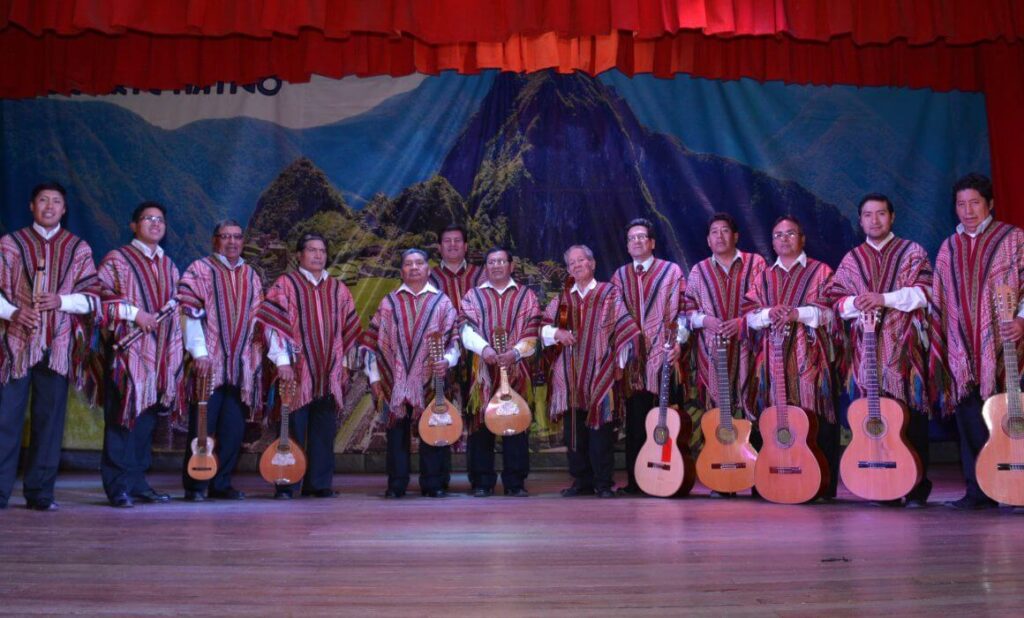
If you’re drawn to history and layered architecture, you’ll find plenty to explore in Cusco. You’ll see Inca stone foundations from the Inca civilization still supporting colonial buildings. Then you walk from an ancient wall straight into a cathedral filled with religious art. That visible overlap of civilisations is what makes exploring here so fascinating.
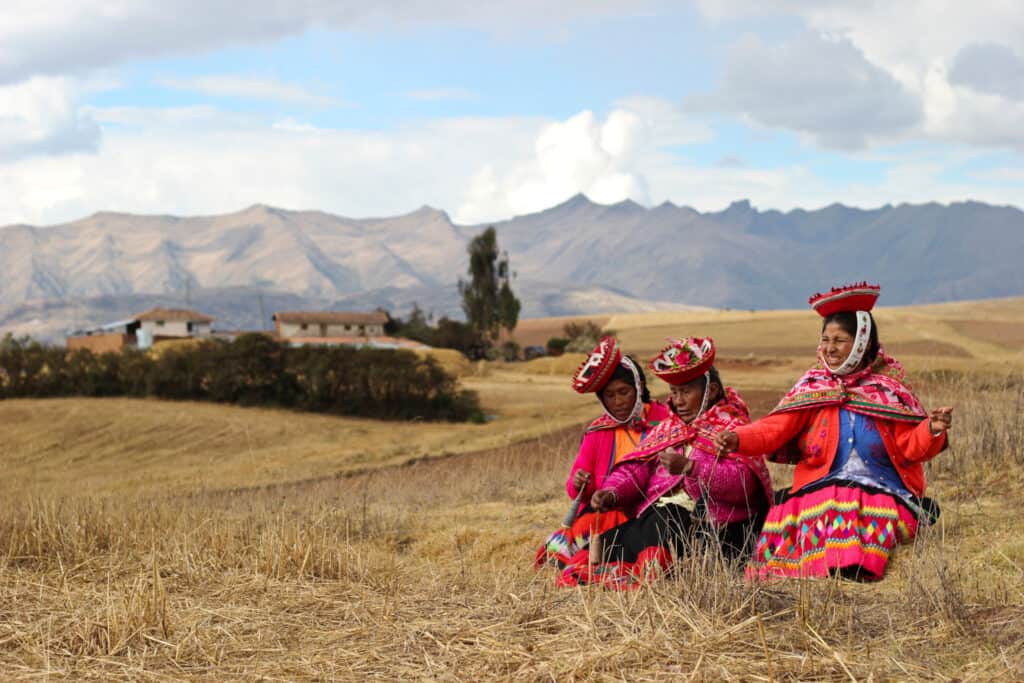
Textiles are also central to understanding the Andes. They’re a living tradition, with patterns and natural dyes carrying cultural meaning. The Centro de Textiles Tradicionales del Cusco on Avenida El Sol is also worth a stop, and the Regional Historical Museum and the Museo Inka are good places to start before visiting archaeological sites.
You might also want to visit the Coca Museum, which explores the role of coca leaves in Andean culture and history through its exhibits.
If you’re planning to visit several sites, the Boleto Turístico can be extremely useful. It includes entry to multiple museums and nearby ruins and is valid for ten days, allowing you to spread your visits out.
Culture & Festivals
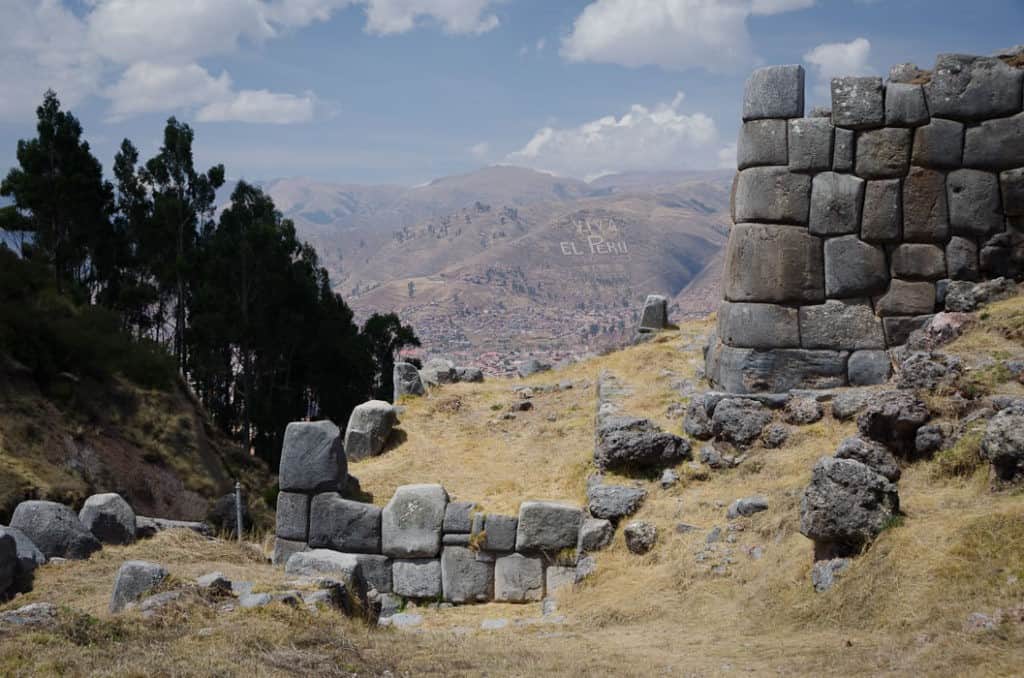
Cusco’s culture isn’t confined to museums. It’s visible in daily rituals, religious traditions, and annual festivals that fill the streets with music and processions.
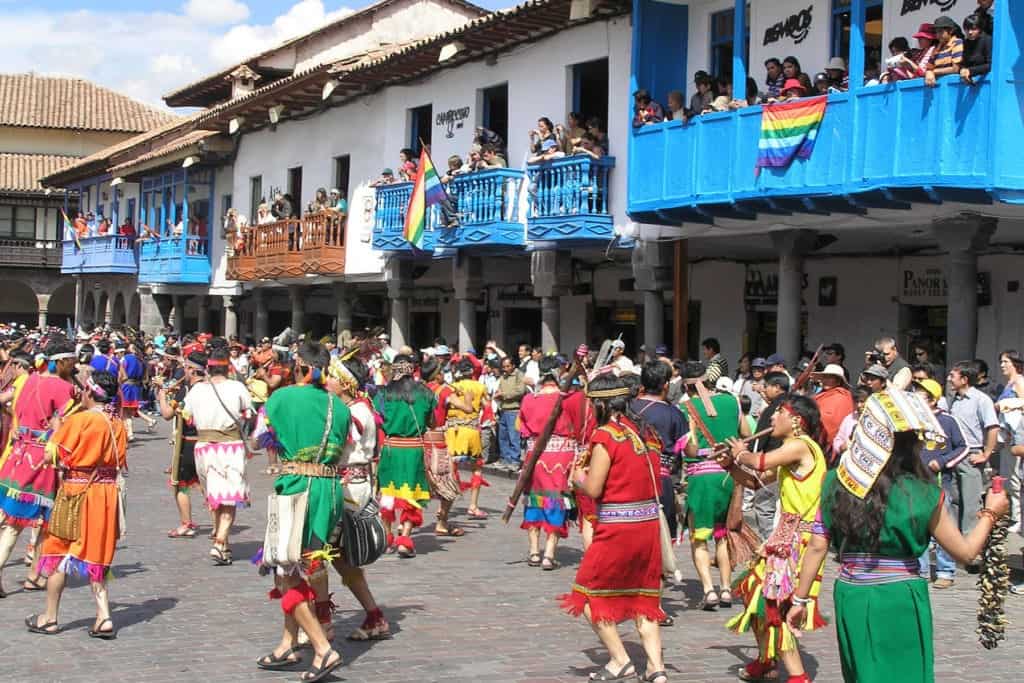
The Sun Festival (Inti Raymi) in June recreates the Inca Festival of the Sun at Sacsayhuamán with elaborate performances. In January, the San Sebastián Festival brings parades and community celebrations to the city. Outside Cusco, the Virgen del Carmen festival in Paucartambo is known for masked dances and vibrant costumes.
Attending the festivals of Cusco offers a deeper sense of the Andes as a living culture rather than a historical backdrop. Apart from Inti Raymi, these events are deeply religious events that people deeply believe it – they are not run for the tourists.
History
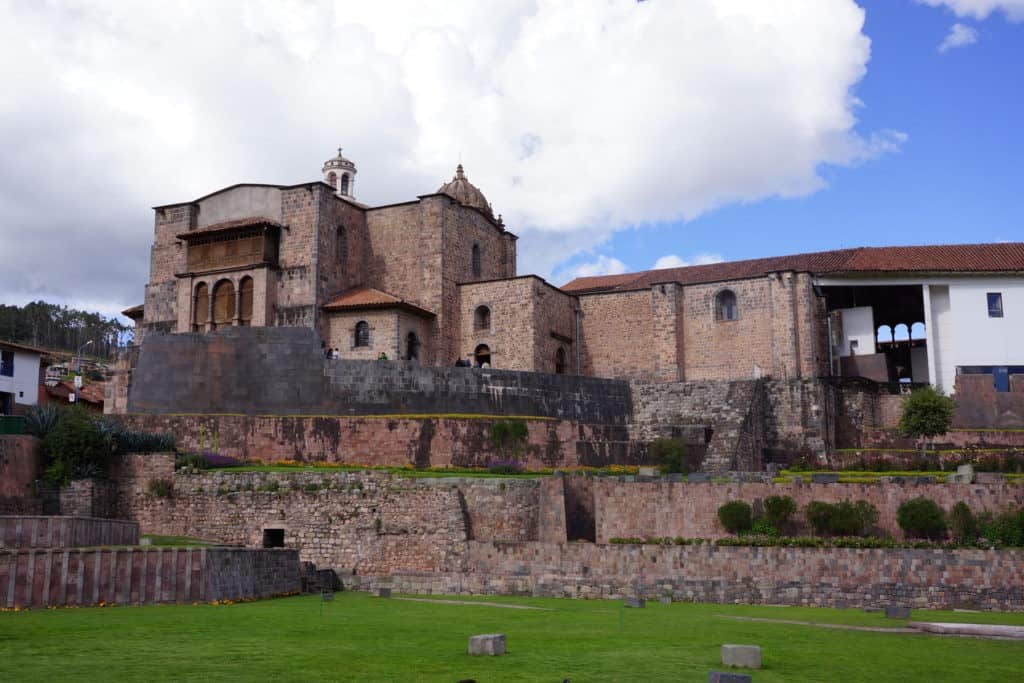
Cusco has plenty of fascinating archeological sites. If you’re interested in museums and history,the Q’orikancha is a must-visit. The site reveals Inca stonework beneath the Santo Domingo Church, clearly showing how Spanish construction was layered over earlier Inca architecture foundations. It is also closely linked to Inti Raymi, the annual Festival of the Sun, which begins here before continuing to Sacsayhuamán.
From there, I recommend visiting Cusco Cathedral on the Plaza de Armas, a UNESCO World Heritage Site. The interior holds an impressive collection of colonial religious art, including works from the Cusco School. Nearby, the Museo de Arte Precolombino, the Museo Inka, and the Santa Catalina Monastery Museum are good places to learn more about Cusco’s past.
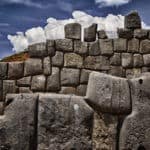
Before heading toward San Blas, pause at the famous 12-angled stone on Calle Hatunrumiyoc. It’s a striking example of Inca masonry and a reminder of the precision that defined their stonework.
Adventure-Based Cusco
Cusco is not only about churches, museums, and ruins. It’s also an excellent base if you want to add a bit of adrenaline to your trip. Most of these activities take place outside the city, in nearby valleys with bigger landscapes and, in some cases, slightly lower altitude.
If you’re building an adventure-themed itinerary, I recommend alternating high-energy days with slower city days. Altitude can make even fun activities feel more demanding than expected, so it helps to schedule outings after you’ve had time to acclimatise.
Here are some of the activities you could get involved in:
- Rafting: White-water rafting trips operate on rivers outside Cusco. It is a great way to see the region from a completely different perspective. If you want something active that doesn’t involve long, steep hikes, this is the perfect alternative.
- Motorbiking: Motorbiking means you can cover more ground and explore rural areas beyond the typical tourist trails. It’s best suited to confident riders and works well on a day when you’re feeling fully adjusted to the altitude.
- Paragliding: Paragliding can be a highlight if conditions are right. The views over the valleys and surrounding mountains are remarkable, and it’s an adventure that doesn’t require a full day of trekking.
Shopping & Design
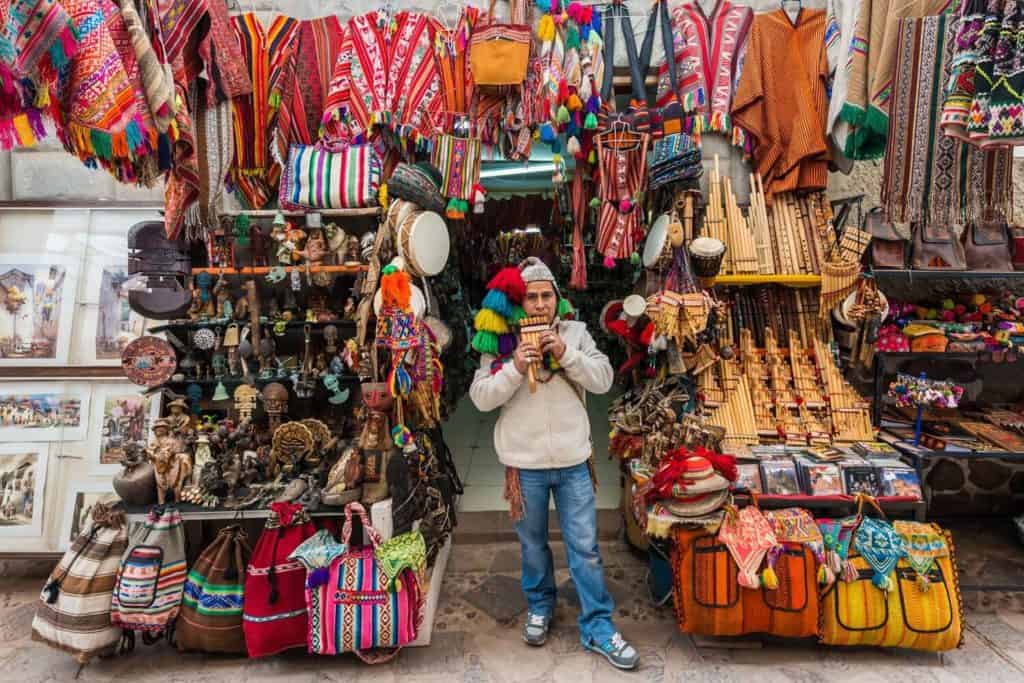
Shopping in Cusco can be as simple or as luxurious as you want. Beyond the obvious souvenir stalls, the city has a growing design scene where traditional materials meet contemporary style. It’s a great place to buy something meaningful rather than something that ends up in a drawer.
Cusco has a wide range of shopping options, from boutiques to busy tourist markets, and it is easy to tailor this part of your itinerary depending on how much time and energy you have.
Here’s what to expect:
- Alpaca Fashion Boutiques: Cusco is one of the best places in Peru to invest in high-quality alpaca pieces. Boutiques around the historic center offer knitwear, tailored coats, scarves, and minimalist accessories made from baby alpaca or fine blends.
- Jewellery: Cusco also has a strong jewellery scene, from small artisan workshops to high-end stores. Silver is common, often with semi-precious stones or designs inspired by Andean patterns and symbols. Quality and craftsmanship can vary, and browsing a few shops helps you understand the range before choosing a piece that feels right.
- Artisan & Tourist Markets: There are plenty of markets in Cusco, and each has a slightly different focus. Artisan markets are ideal for textiles, woven goods, handmade crafts, and gifts. Tourist markets make it easy to pick up smaller souvenirs without much searching.
Even if you’re not planning to buy much, wandering through a market gives you a feel for the city. Shopping pairs well with lighter sightseeing days and neighborhood walks, and it’s an easy way to experience Cusco at a slower pace.
Wellness & Spas

Cusco is one of those cities that’s ideal for a wellness break. Between the altitude, steep streets, and uneven cobblestones, it’s common to feel drained after the first couple of days. A massage or spa session can help you reset without losing momentum, especially before a long Sacred Valley or Machu Picchu trip, or on your final night in Cusco.
A spa day won’t cure altitude sickness, but it can support acclimatization. It works best when you’re feeling slightly fatigued but not severely affected. A gentle afternoon, a massage, plenty of fluids, and an early night can make the coming days noticeably easier.
If altitude tends to affect you strongly, it’s also worth knowing that some higher-end hotels in Cusco offer oxygen-enriched rooms, which can help with sleep at this elevation.
- Budget Alleyway Massage Spots: Around the historic center, you’ll find plenty of lower-cost massage studios tucked into alleyways and side streets. They’re easy to book on short notice.
- Luxury Hotel Spas: If you prefer something more polished, Cusco’s high-end hotels offer excellent spa experiences worth adding to your itinerary. Andes Spirit Spa at Palacio del Inka is a reliable choice for a full-service experience in the city center. For a more exclusive setting, Belmond Palacio Nazarenas offers Hypnôze Spa, known for its Andean-inspired treatments and tranquil atmosphere. If you’re spending time in the Sacred Valley, Tambo del Inka in Urubamba is well known for its Kallpa Spa and thermal circuit facilities, which feel particularly good after hiking or long travel days.
Cusco with Kids
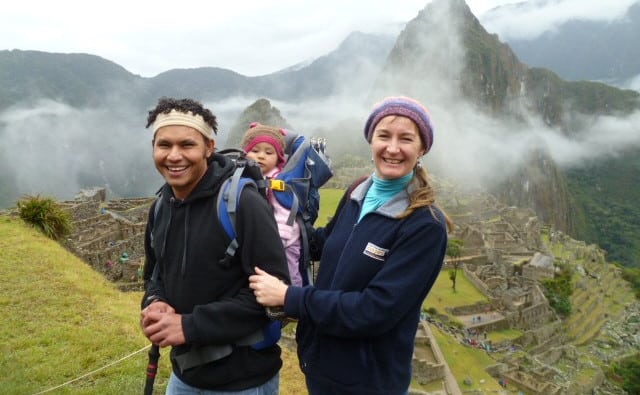
Cusco with kids can be a wonderful experience, especially if you plan at a slower pace. The city’s plazas, open spaces, and bustling markets give children room to explore while still learning about the city’s culture and history. For more practical tips and family-friendly ideas, take a look at this helpful guide to visiting Cusco with kids.
One thing to keep in mind is altitude with kids. Some adjust quickly, others need extra rest, hydration, and lighter activities during the first day or two. Building in downtime makes a big difference.
Here at Apus Peru, we offer some incredible tours for your Peru family holiday, from a 12 night Peru family tour to 1 day experiences and everything in between.
Cusco Itinerary Inspiration: 1-7+ Day Trip Ideas
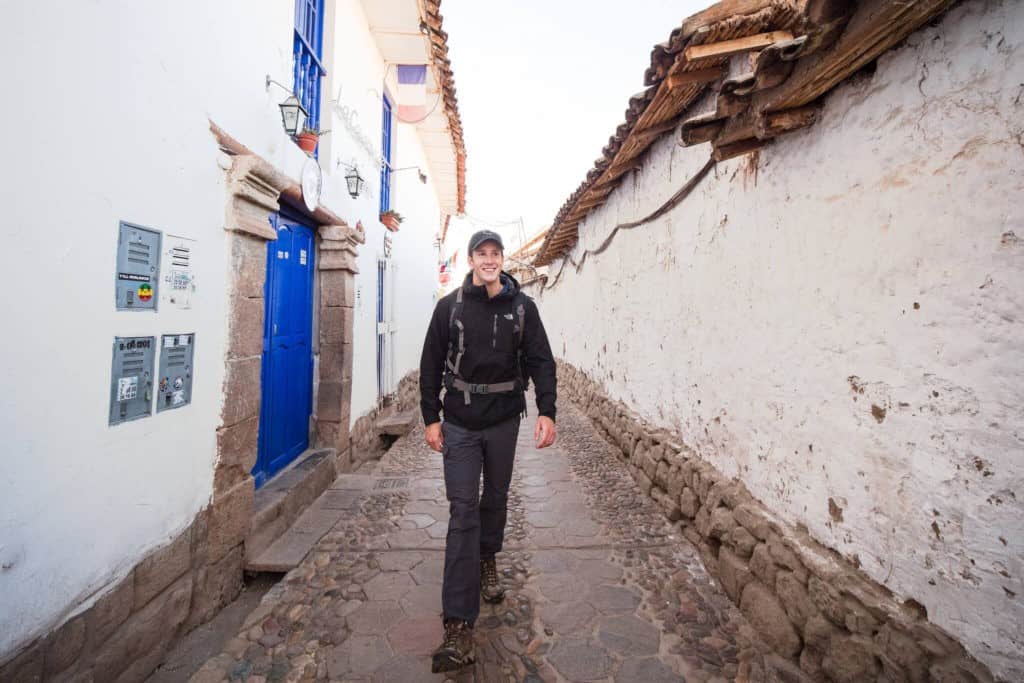
Cusco isn’t a place you experience the same way twice. Whether you have just one day or a week, the pace of your trip will depend on your time, energy, and interests.
Below, you’ll find practical itinerary ideas to help you shape your stay in Cusco.
What to Do in Cusco for a Day: When You Only Have 1 Day in Cusco
Someone asked me recently, “If you had just 1 day in Cusco, what would you do?”
You need to be especially kind to yourself if you only have one day in Cusco, as your body will need to adjust – and some people find that quite hard.
If you have never been at altitude before, then be kind to your body! We’ve suggested lots of exciting things to do in Cusco, but if your body says it’s too hard, then head to your hotel in Cusco to rest.
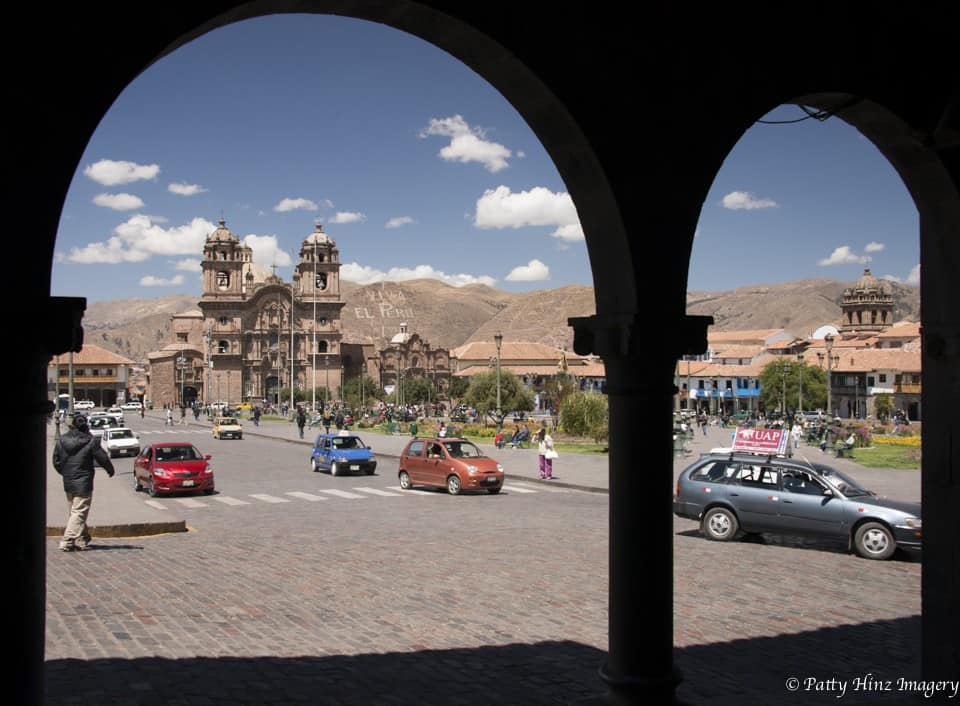
I’d suggest focusing on the best things to do in Cusco, Peru, such as visiting vibrant markets, exploring an Inca site, walking along the narrow cobblestone streets, and sitting on a bench in one of my favourite plazas, watching the colorfully dressed locals wander by. Many of the main highlights around the historic center are within walking distance, and you can cover several key spots in about an hour.
A great way to make the most of your one day in Cusco itinerary is to join a Cusco Half-day City Tour. It covers the city’s most important highlights, including key archaeological sites and colonial landmarks, while giving you context you might otherwise miss.
I also thought about soaking up the rare mountain sunshine, having kids approach you for a shoe shine, the smell of anticuchos, a delicious meaty street food floating through the air. I also started thinking about how the Incas built the foundation of the city, and how the churches are built above it.
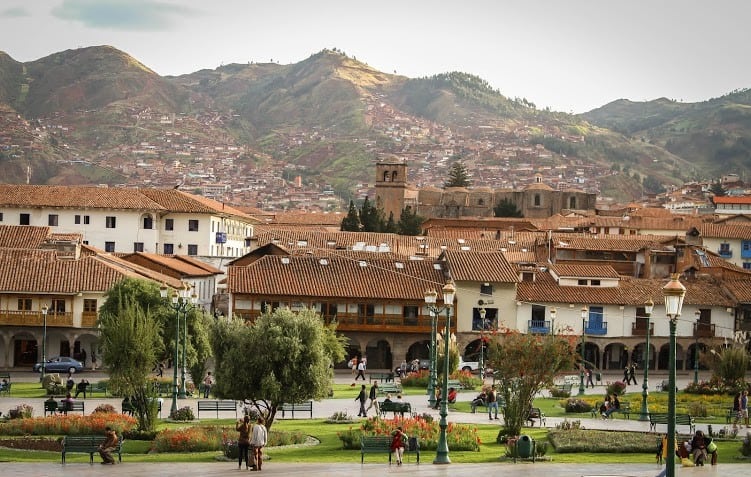
One thing is certain: if you have just 24 hours in Cusco, you won’t want to miss the beauty of the main square, the Plaza de Armas, during the day or even better at night. This plaza has a special energy, so spend a few hours walking through it, catch your breath, and appreciate the multicultural scenery. It’s one of my favourite places in Cusco!
Spending 2 Days in Cusco
So, you have two days in Cusco! This is the case for most hikers, as any reputable travel agency will tell you that you need at least two nights at altitude before heading off on a hike, including those hiking to Machu Picchu.
That said, if you can afford the time, spending just 2 days in Cusco is a mistake. To start with, if you are allowing just 2 days’ acclimatisation, your body is really going to feel it when you start going up above 4000 meters, as you will, no matter which trek you do, whether it’s the Inca Trail, or one of the Inca Trail alternatives. In short, 2 days is the bare minimum, and 3 days is far kinder to your body.
Plus, Cusco and the Sacred Valley offer so much more than what you can do in 2 or even 3 days if you want to delve deeply into the culture. But if you’re limited to planning a Cusco 2 day itinerary, we recommend heading straight to the Sacred Valley, where you can spend one or even both days taking in the sights and letting your body acclimatize.
Once in Cusco, here are my recommendations:
Start in Plaza de Armas, the heart of the puma. It has a great vibe, with lots of restaurants lining the edges, so you can easily kill two birds with one stone by having lunch on a balcony overlooking the plaza while soaking up the atmosphere.
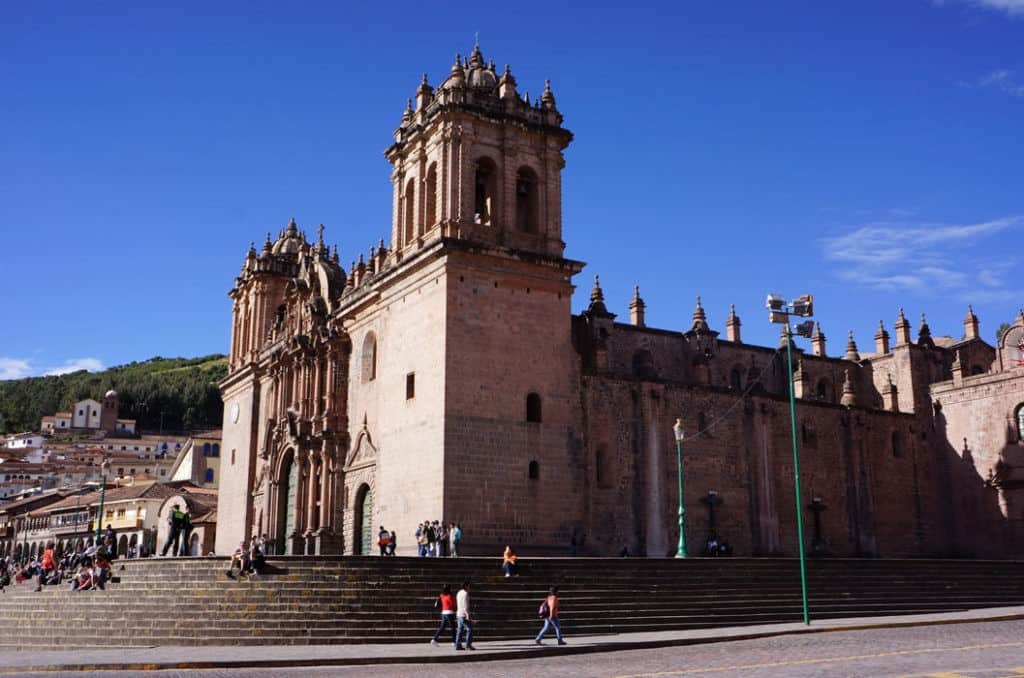
If you are traveling with kids, I do not recommend doing the cathedral tour at this point. Instead, you can climb the bell tower of La Catedral de la Compañía to see the bells and enjoy views over the plaza, which is much more engaging for children.
From the plaza, walk uphill, and you will soon reach the San Blas neighborhood. On the way, you will pass the 12-Angle Stone on Hatun Rumiyoc Street, before continuing up toward the plaza San Blas. This area is full of boutiques, street shopping, and restaurants, and over the years, my kids have picked up everything from finger puppets to hats and stuffed toys here. There’s also San Blas Market.
There is also an Inca museum and a cocoa museum in and around San Blas, which can be easy, short stops if you are exploring the area. If you are traveling with kids, refer to our Cusco with kids guide for more detailed suggestions.
To round out the day, you could add an art class or hands-on workshop to your 48 hours in Cusco, or join a short, private market tour to get a feel for local food and daily life.
3 Days in Cusco
With three days in Cusco, aim for balance rather than trying to fit everything in.
- Day 1: Keep it gentle. A visit to Mercado San Pedro, time around Plaza de Armas, Q’orikancha, and a walk through San Blas is all you need. If you still have energy, you can add Sacsayhuamán, but the priority should be acclimatization.
- Day 2: This is usually the main excursion day. Options include the Sacred Valley Tour(Pisac and Ollantaytambo), the South Valley, or a Machu Picchu day trip. Rainbow Mountain or Humantay Lake are possible, but only if you’re adjusting comfortably.
- Day 3: Use the final day to explore the city, including Inca ruins, museums, a cooking class, or a chocolate workshop. Don’t miss the stunning viewpoints. It should be all about relaxed wandering. If a major day trip wasn’t done on Day 2, this is the time to include it.
For a more detailed breakdown, see the full 3 Days In Cusco itinerary guide.
4 Days in Cusco
Four days in Cusco works well if you prefer a slower pace without feeling rushed. I recommend easing into the trip with a gentle walking tour in the historic center, giving your body time to adjust before adding longer excursions.
One of the best ways to structure a Cusco 4 day itinerary is to include an overnight stay in the Sacred Valley. The slightly lower altitude can feel more comfortable, and it breaks up the journey to Machu Picchu in a natural way.
From the Sacred Valley, travelling onward to Machu Picchu becomes much smoother. Instead of rushing back to Cusco the same day, you can move through the region more gradually and return feeling like the experience was integrated into your trip rather than squeezed into it.
5 Days in Cusco
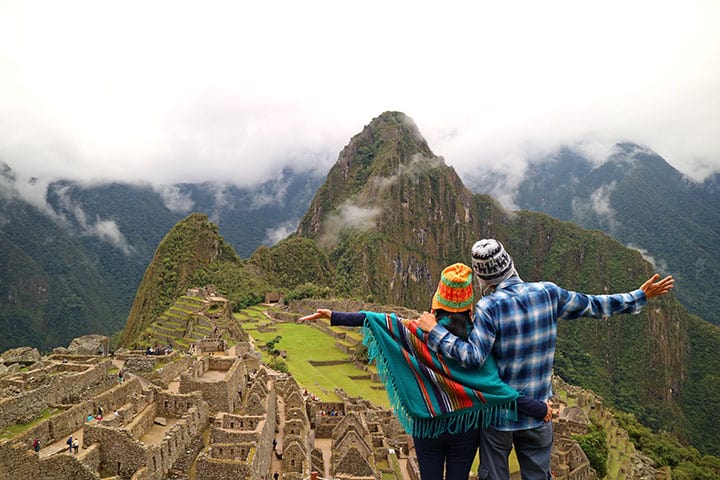
Five days give enough time to experience Cusco, the Sacred Valley, and Machu Picchu at a comfortable pace. If you’d rather not piece everything together yourself, our Must-See Machu Picchu Tour offers a well-structured way to cover the key highlights on your Cusco 5 day itinerary without feeling rushed.
The route typically begins in Cusco, continues through the Sacred Valley, and ends in Aguas Calientes before visiting Machu Picchu. Spending 5 days, there’s space to combine cultural sites, scenic landscapes, and time to acclimatise properly.
Planning five days in Cusco? We can tailor an itinerary to match your interests, whether you’re focused on Inca history, cultural experiences, or scenic hikes through the Andes. See our Cusco and Machu Picchu tour for a clear example of how those five days can be organized.
How to Spend 6 Days in Cusco
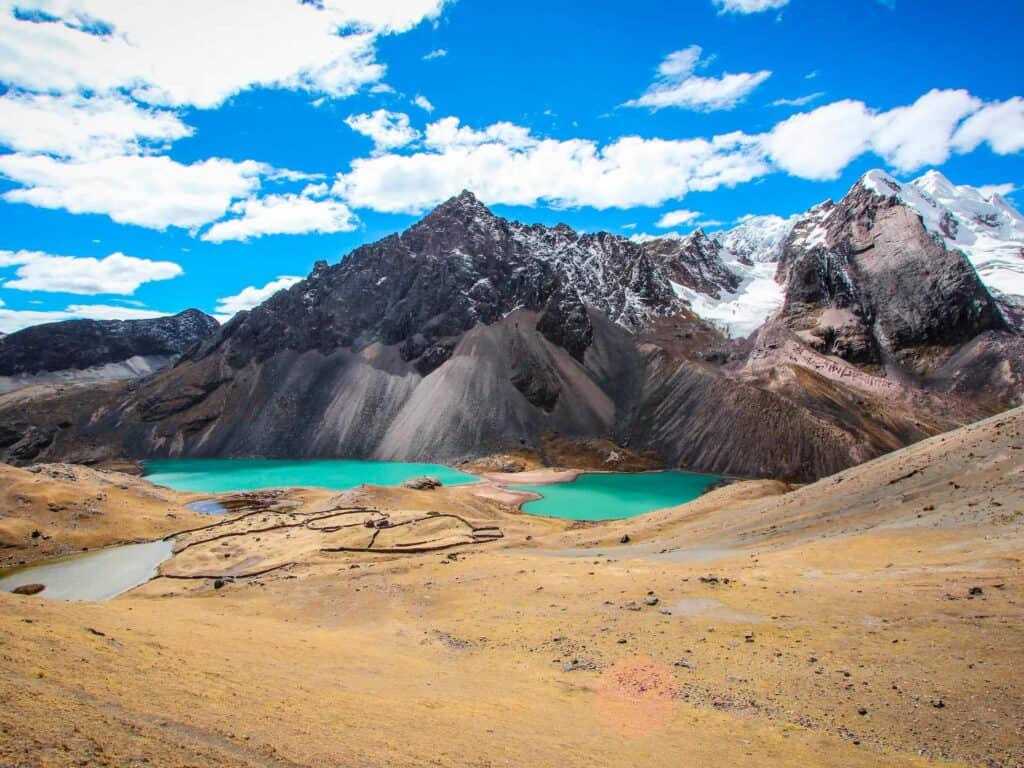
Six days in Cusco allow you to enjoy some sightseeing while also avoiding exhaustion. It’s enough time to explore the city and its surroundings, without feeling like every day needs to be packed.
I recommend using your first day as a proper acclimatisation day. Keep activities light, explore the area around Plaza de Armas at a gentle pace, and give your body time to adjust before planning longer excursions.
With the remaining days, you can combine time in the historic center with visits to nearby archaeological sites, add one or two days in the Sacred Valley, and include Machu Picchu without rushing back immediately.
Spending a Week in Cusco or Longer
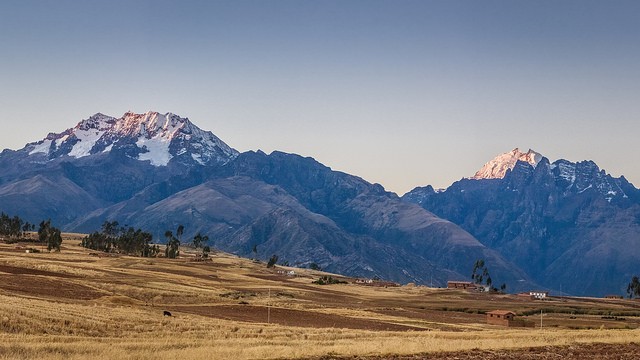
Spending at least a week in Cusco is ideal. It gives you time to acclimatise properly, move at a slower pace, and experience the city as more than just a stop on the way to Machu Picchu.
So, what to do in Cusco for a week? Using Cusco as a base, your 7-day Cusco itinerary could include:
- Exploring the historic centre and San Blas over multiple days
- Visiting museums and markets without rushing
- Taking day trips or short overnights in the Sacred Valley
- Allowing rest days to manage altitude more comfortably
- Including Machu Picchu without compressing the rest of your itinerary
Many travellers spend three to four days in Cusco itself, then add two or three days in the Sacred Valley, where the lower altitude offers a natural change of pace. Make sure to allow time to reach the train station outside the city if you’re heading to Machu Picchu. This approach works especially well for families, first-time visitors, and anyone who prefers a well-rounded experience.
If you need inspiration for the highlights at a comfortable pace, this 7-day Best of Cusco itinerary is a useful reference for organising your time.
Where to Eat in Cusco: Amazing Food Options to Include in Your Cusco Itinerary
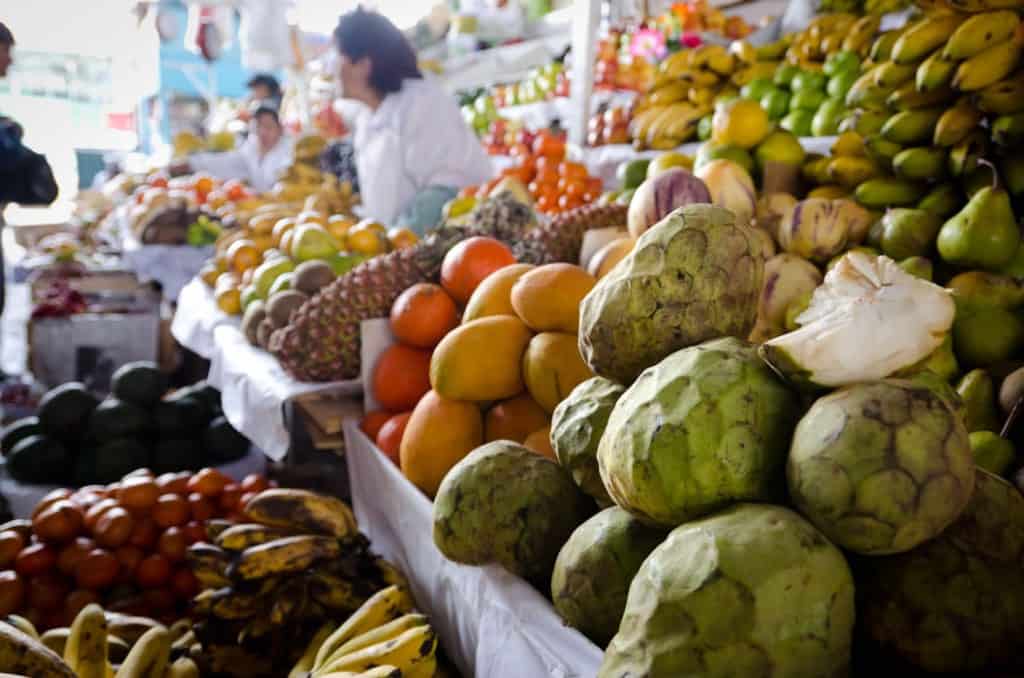
There is a lot of great food in Peru, and you must visit some of the best restaurants in Cusco to sample the tastiest Peruvian cuisine and, of course, try some traditional Peruvian dishes.
If you are going to be spending a few days in Cusco, we strongly recommend planning your time to sample as much of the truly sublime food from around the world as possible (plus make sure you include a few of the Novo Andino dishes, too), whether that’s a tasty lunch with plenty of local flavors or an evening out.
And of course, don’t miss trying a classic pisco sour, Peru’s iconic cocktail that’s the perfect companion to any meal.
Did you know that in Peru, there are over 3,000 varieties of potatoes? Some local food experts use this fact to the fullest by creating delish meals. Cusco offers such a cosmopolitan range of delicious food that you’ll be overwhelmed by all the amazing choices!
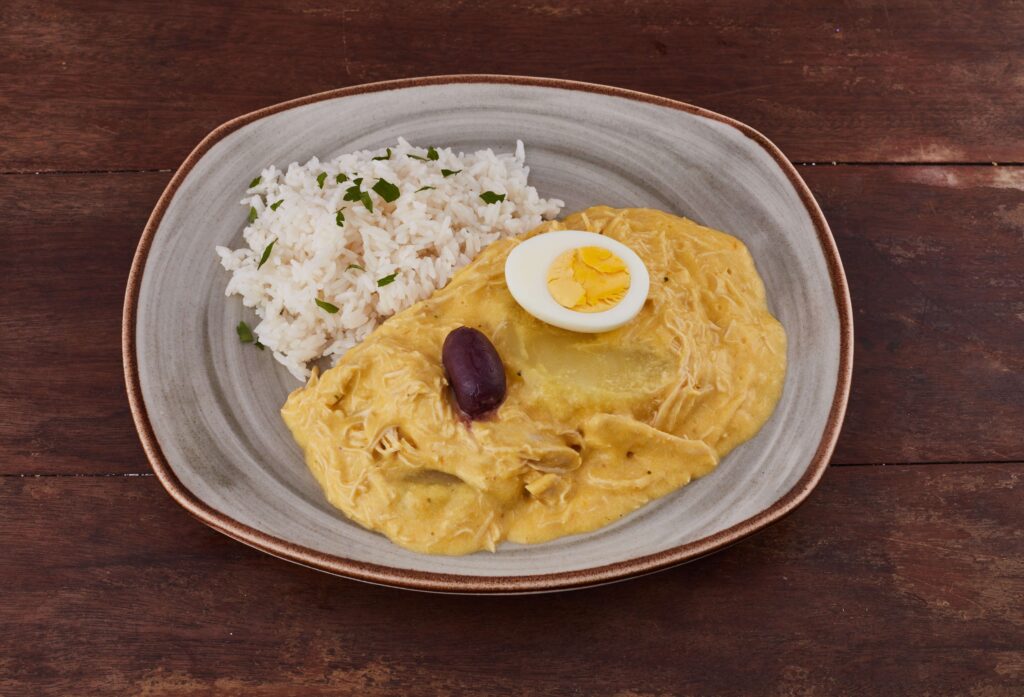
Foodies looking to splurge might want to head to:
- Gaston Acurio’s ChiCha – just off the Plaza de Armas on the other side of Plaza Regocijo
- Greens – just around the corner, across from the Cathedral.
- Limo – Dinner overlooking the Plaza de Armas.
If you are more budget-oriented, you might want to head down Procuradores or Plateros streets for a wide range of affordable options, including Italian, Israeli, Japanese, and Peruvian food.
Just up from the Plaza de Armas, towards San Blas, don’t miss:
- Fallen Angel – in Plaza Nazarenas (if you love funky décor)
- Uchu Steakhouse – for delicious dishes such as carne roja.
- Cicciolina: A favorite located on Calle Triunfo
Wondering where to find the best pizza in town? Two of our favourites are Carpe Diem, up on Procuradores, and La Bodega, just down the street from Uchu.
But to truly be convinced about the amazing restaurants Cusco has to offer, we recommend exploring Cusco’s cuisine scene in our blog.
Happy exploring – your taste buds are in for a treat!
Stays
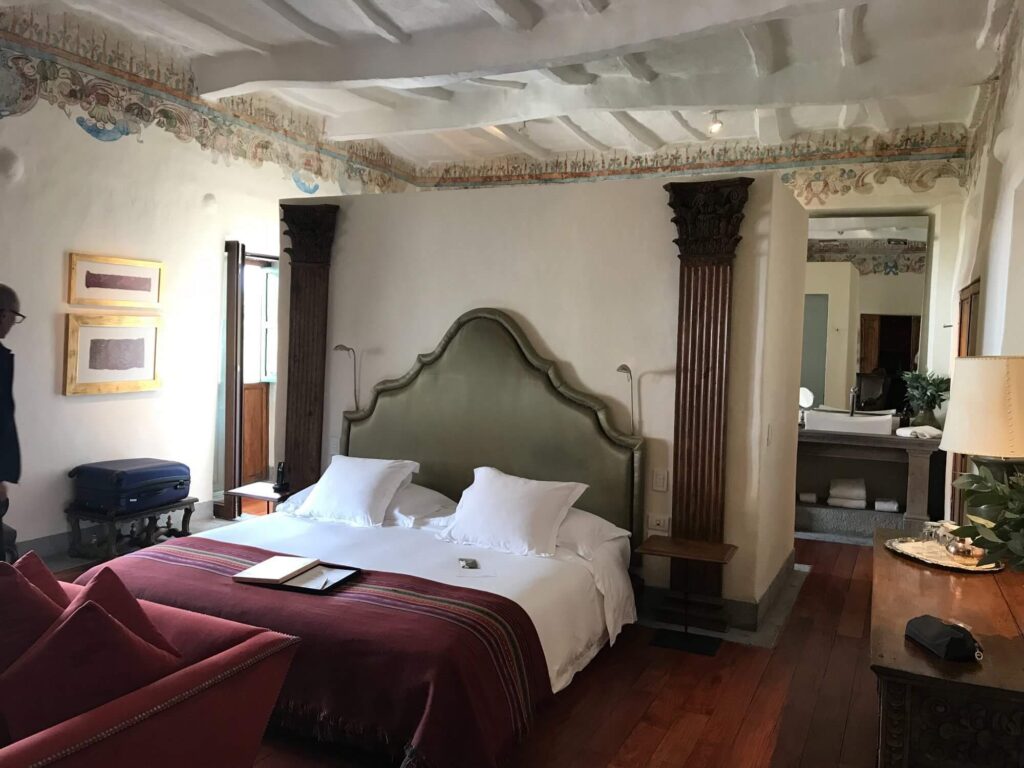
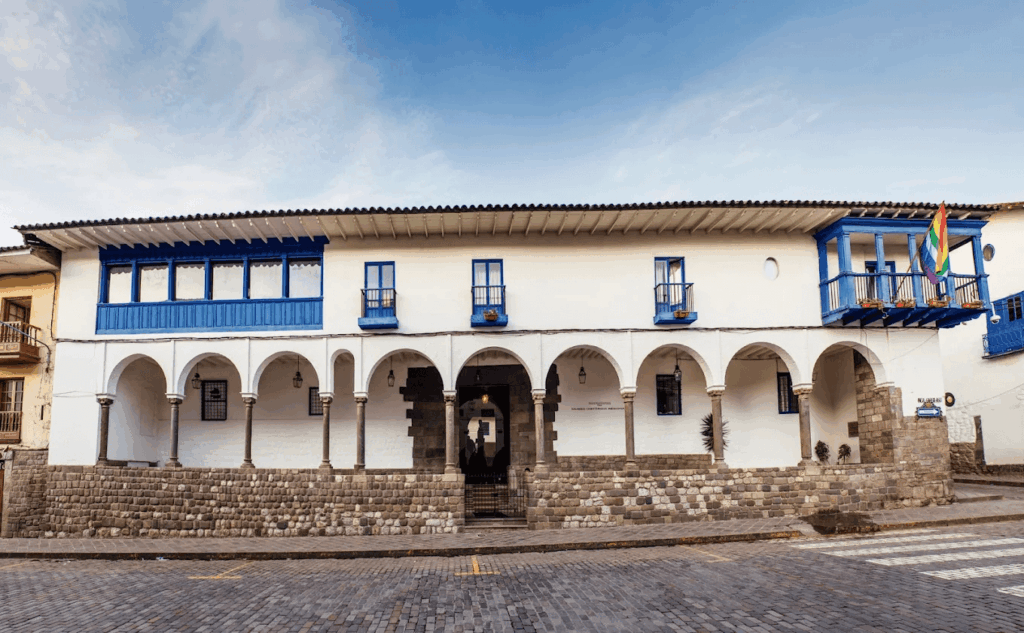
There’s a wide range of accommodation options in Cusco. Some travellers choose restored colonial mansions near Plaza de Armas, while others prefer smaller boutique hotels in San Blas.
Staying in a central location makes it easier to explore on foot while adjusting to the altitude. For more detailed recommendations, see our guide to the best hotels in Cusco.
Get in touch today, and our team can help you find the perfect accommodation option >>>
Onward Travel From Cusco
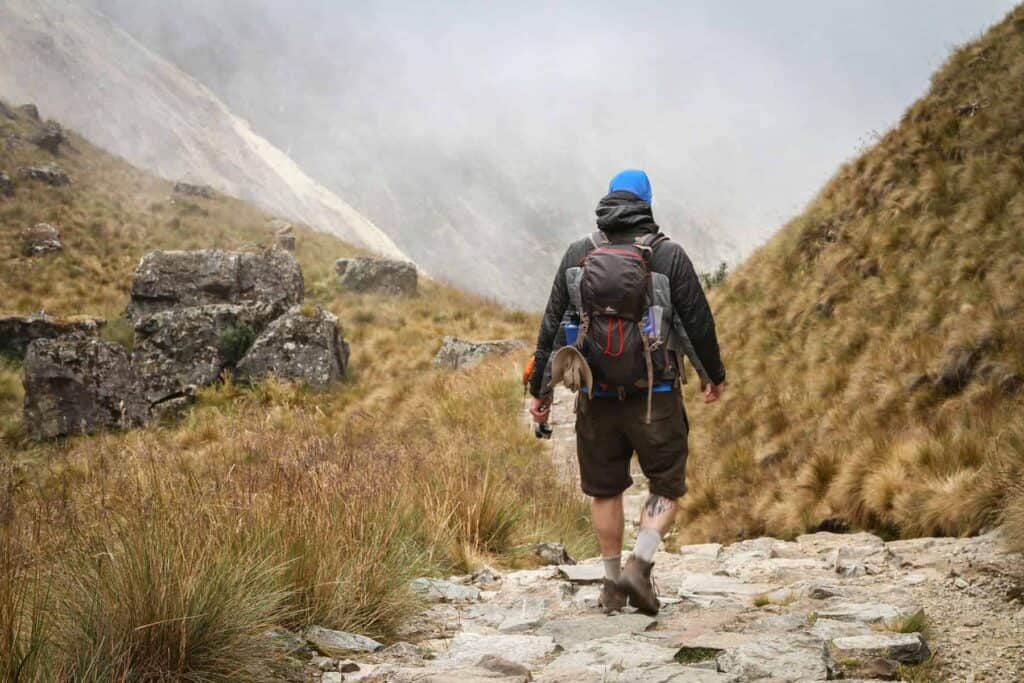
Cusco serves as the main hub for exploring some of Peru’s most exciting destinations, and how you organize your onward travel can shape the rest of your journey.
From Cusco, many continue to the Sacred Valley, Machu Picchu, or combine both into a multi-day route. Understanding how these places connect geographically makes planning far more straightforward.
The Sacred Valley is often a popular next step, which you can visit independently or as part of a trek. Multi-day routes such as the Inca Trail or the Salkantay Trek also begin from the Cusco region but require proper planning.
Cusco also connects to the Peruvian Amazon via Puerto Maldonado, and you can then head back to Lima airport for onward international flights.
Final Words
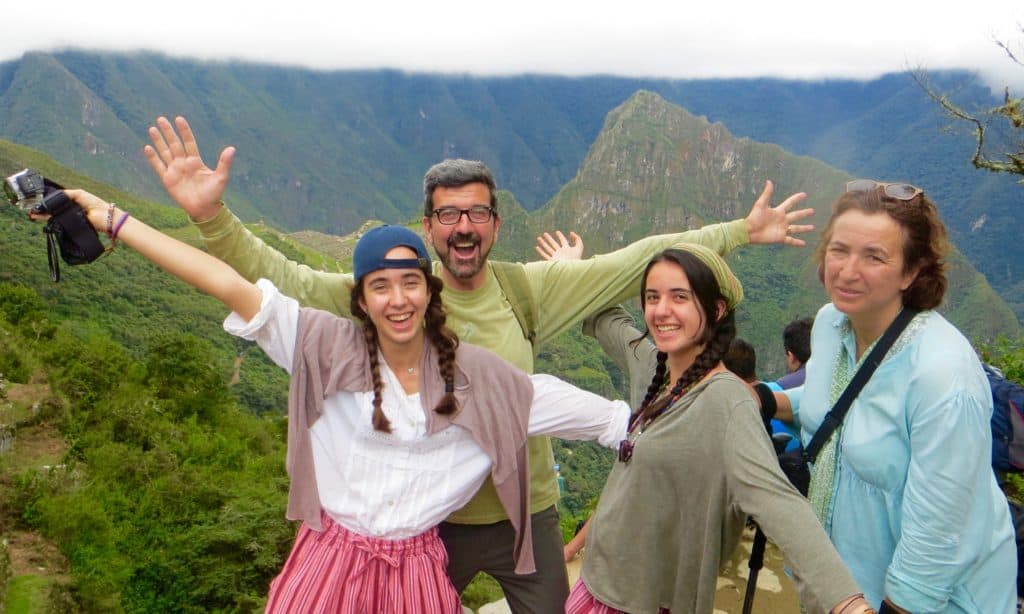
Cusco is one of those places that gives back what you put into it. If you rush it, it can feel tiring and chaotic. If you plan with the altitude in mind and give yourself a little breathing room, it becomes one of the most rewarding cities in Peru. Whether you have one day or a full week, focus on pacing, choose a travel style that fits you, and remember that it is completely normal to do less on your first day while you adjust.
If you are still deciding how to structure your time, start with a tentative itinerary length that matches your trip, then use the Sacred Valley and Machu Picchu sections to build the rest of your trip around them.
Discover all our Cusco tours here or get in touch with us today >>>
FAQs
Yes, four days in Cusco is enough to enjoy the historic center, explore neighborhoods like San Blas, visit a couple of museums, and still add one day outside the city. It is a great option if you want culture without rushing, especially if you are not trying to fit Machu Picchu into the same short window.
One day is enough to get a feel for Cusco, but it will be a highlights-only visit. If you only have one day, focus on Plaza de Armas, a slow walk through the historic streets, and one neighborhood like San Blas rather than trying to cram in multiple museums and ruins.
Keep it easy. Spend time in Plaza de Armas, choose a long lunch, and do a gentle walk through the historic center. Avoid steep hikes or packed schedules until you know how your body is handling the altitude. If you feel tired, a quiet afternoon and an early night can make the next day much better.
If you love museums, history, food, and city wandering, spend more time in Cusco. If you want day trips, ruins, villages, markets, and a slightly lower altitude, spend more time in the Sacred Valley. Ideally, do both, because they offer very different experiences.
It depends on your travel style. Lima is best for food, coastal culture, and museums, while Cusco is best for history, Andean landscapes, and access to the Sacred Valley and Machu Picchu. If this is your first time in Peru and you are focused on classic highlights, most travelers benefit from more time in Cusco than Lima.
For most people, the Sacred Valley makes the most sense. First, it breaks up travel, gives you a slightly lower altitude, and sets you up for Machu Picchu more smoothly. Machu Picchu can still be done first, but it often feels more rushed unless your logistics are very tight.
The Sacred Valley is the most popular and the easiest to recommend for first-time visitors. If you want something a bit quieter and more cultural, the South Valley is an excellent option. If you want something active, a day hike or an adventure activity can be a great addition once you have acclimatized.