Andean Tubers and Roots in Peru

Apus Peru > Culture & Festivals > Andean Tubers and Roots in Peru

Peru is famous for its incredible range of potatoes. A lesser-known fact is that the Peruvian highlands are home to a great diversity of Andean roots and tuber crops in general. Many of them receive little attention outside of Peru or in other regions of the world.

History of Andean Tubers
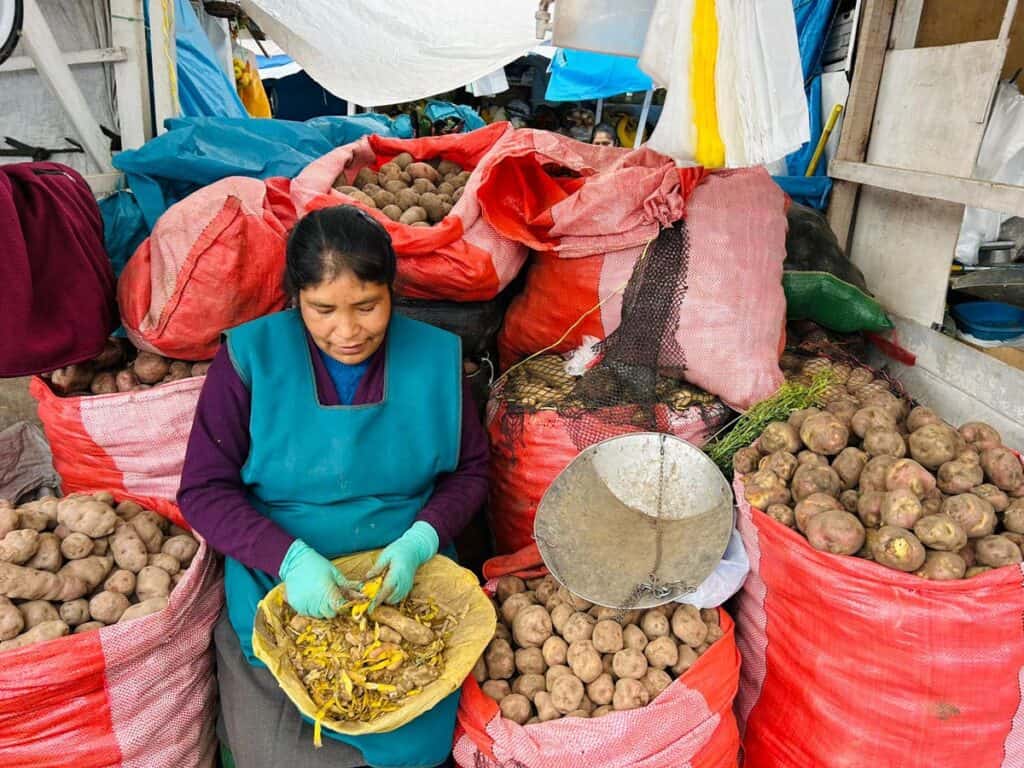
woman selling potatoes at local market in peru

The history of Andean tubers in Peru is deeply intertwined with the country’s cultural and agricultural heritage. For thousands of years, Quechua communities across present-day Peru and Bolivia have cultivated a wide array of storage tubers, adapting them to the diverse climates and elevations of the Andes.

These tubers were domesticated by ancient civilizations such as the Incas and have played a crucial role in their culinary traditions. Many are now considered the “lost crops of the Incas” because, despite their historical importance, they remain relatively unknown outside the Andean region.

The cultivation of tubers in Peru dates back to pre-Columbian times, with indigenous communities developing sophisticated agricultural techniques to adapt to the diverse climates and altitudes of the mountains. Today, these tubers continue to be staple foods in Peruvian and Bolivian cuisine, celebrated for their rich flavors, nutritional value, and cultural significance.

List of the Most Popular Andean Root Crops
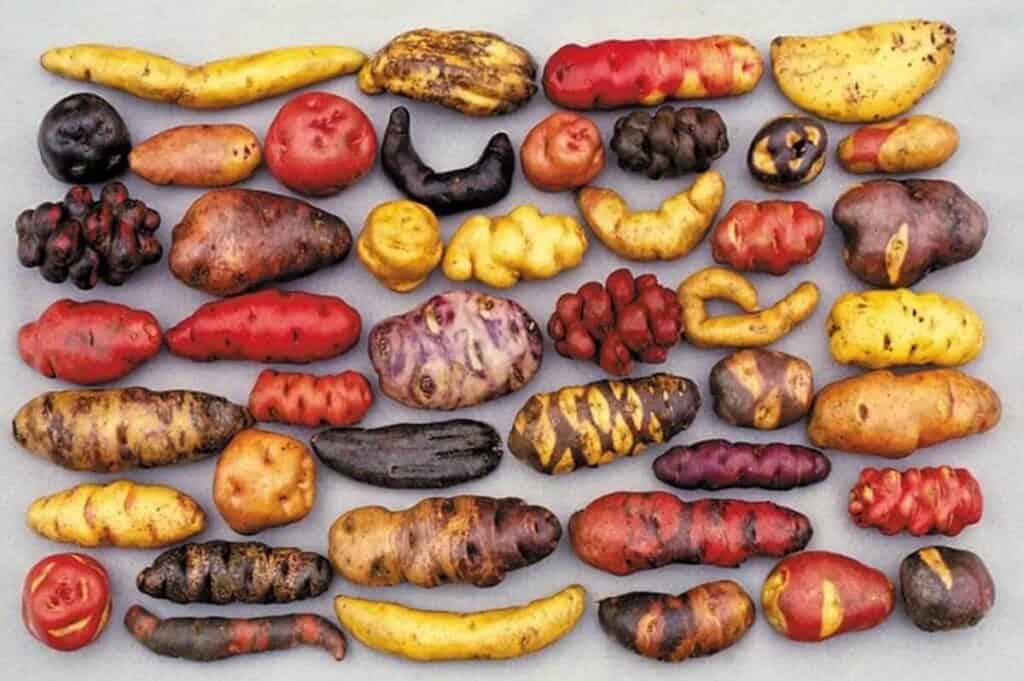
In addition to potatoes, edible Andean tubers such as oca, lisas, canna and añu hold significant popularity in local dishes and are prominently featured in local markets. Potatoes and other Andean tubers are ancient crops that predate the Inca civilization, forming an integral part of the local diet for centuries.

Each of these offers unique flavors, nutritional advantages, and varying levels of starch, making them important ingredients in traditional Sotuh American cuisine.

Oca Plants
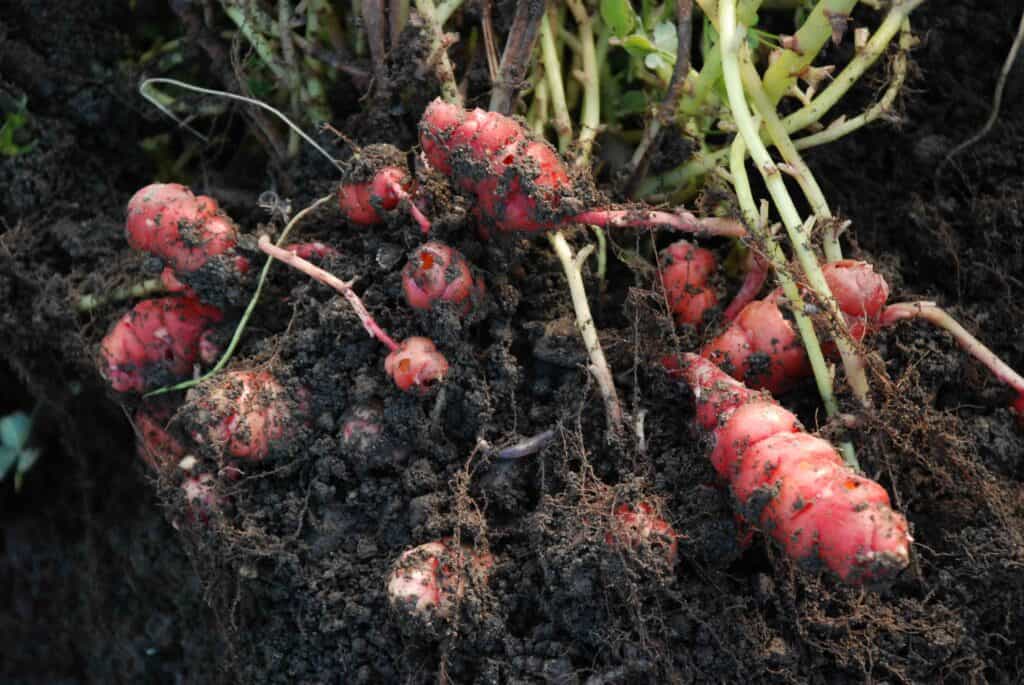
Oca tubers (pronounced OH-kah), scientifically known as Oxalis tuberosa, is a colorful tuberous root native to the mountains of South America, grown for thousands of years. Its vibrant hues range from red to yellowish, and its taste is slightly tangy when eaten raw, turning sweeter when cooked.

High in protein, carbohydrates, fiber, and essential vitamins and minerals, it is a versatile ingredient in Peruvian cuisine, used in soups, stews, salads, and more. These tubers are known for their ability to adapt to various environmental conditions, including high altitudes and diverse climates, making them resilient crops in the region.

Oca’s sugar content increases after exposure to sunlight and cooler temperatures, which is why the tubers become noticeably sweeter after harvest. It is often harvested after a light frost.

Lisas
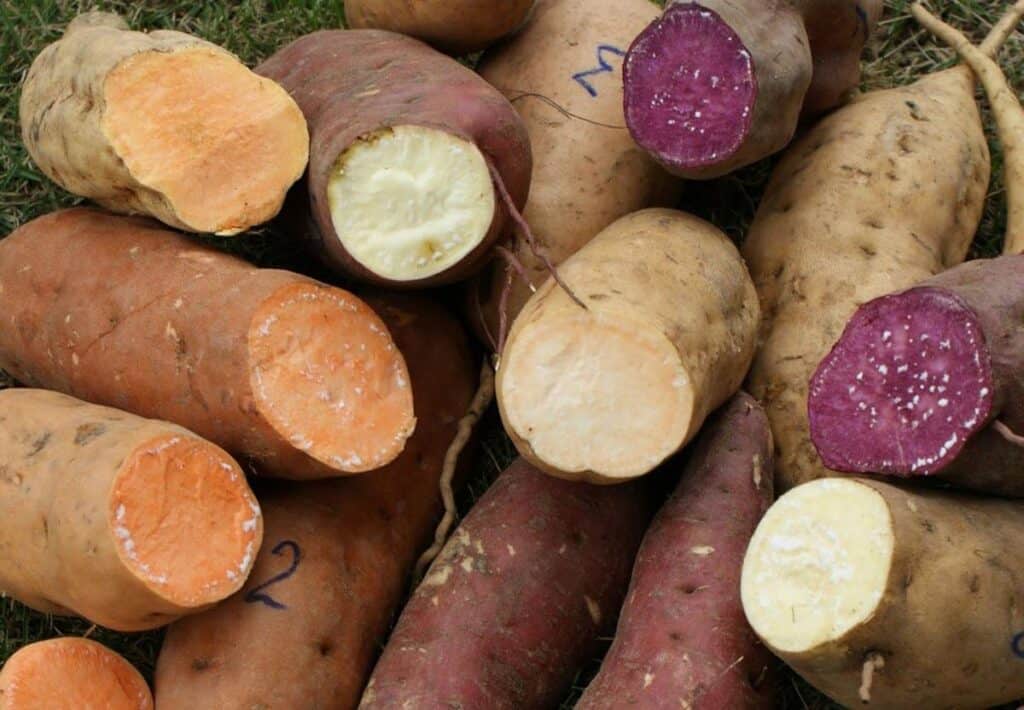
Lisas (pronounced LEE-sahs), also known as ulluco, are small, elongated tubers native to the Peruvian mountains. This Andean root vegetable comes in various colors (red to yellow) and offer a unique flavor from slightly sweet to earthy, with a crisp texture.

A mamita at the local market told me that Lisas are known for their long storage life, often lasting several months when properly stored, making them an essential food source during periods of scarcity in the Andes.

They are  very popular in soups and dishes such as aji de lisas. You can also eat the very nutritious leaves and stems.

Mashua Tubers
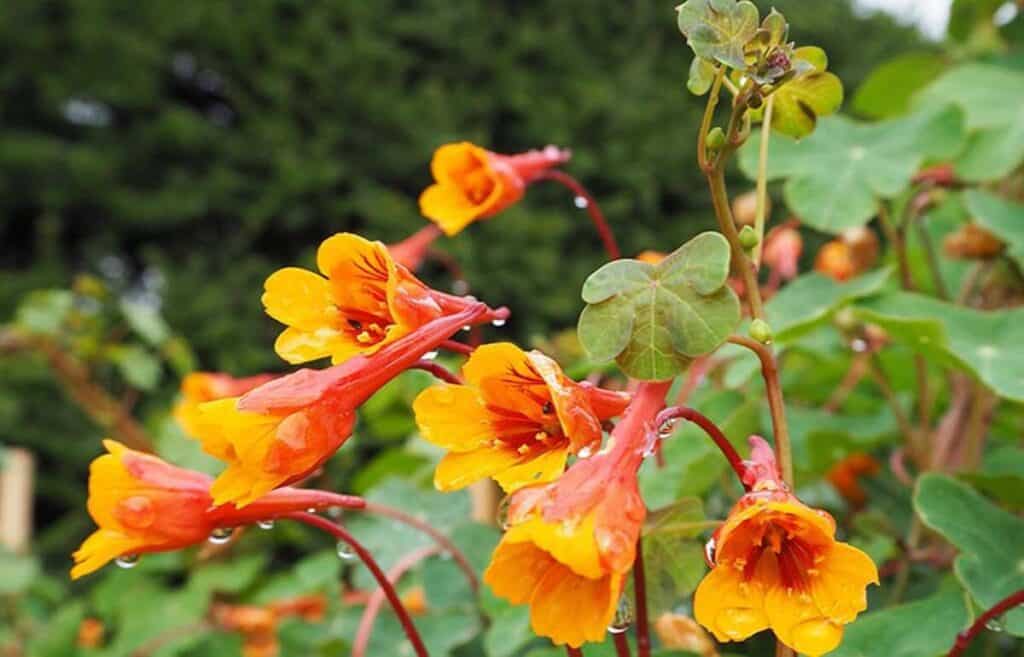
Mashua (pronounced MAH-shwah), also known as añu or Tropaeolum tuberosum, is a tuberous garden nasturtium that has been cultivated for centuries by farming families in the highlands. 

I would describe its flavor as a bit peppery, with a radish-like flavor and hints of sweetness. This distinctive taste makes these species a prized ingredient in Peruvian cuisine, where it is used in many dishes, including soups, stews, stir-fries, and pickles.

It is not only valued for its edible tubers but also for its ornamental flowers, which are often grown for their wild beauty in gardens. Many gardeners appreciate mashua for its vibrant blooms and vigorous growth habit.

Succulent Yacon

These tubers (pronounced YAH-kon), scientifically known as Smallanthus sonchifolius, have a daylength sensitivity. This means that its tubers begin to develop when the days shorten, typically late in the season, during late summer or early fall. This unique growth pattern allows yacon to store energy in its tubers during the shorter days of the year, providing a valuable food source during the winter months when other crops may not be available.

Although cultivated for its sweet, juicy tubers, yacon is actually a member of the sunflower family, producing small yellow flowers that resemble miniature sunflowers.

They have a unique flavor profile, resembling a cross between an apple and a watermelon (high water content!), with a crunchy texture similar to jicama or Asian pear. The tubers contain fructooligosaccharides (FOS), a type of soluble fiber that gives them their sweet flavour while being low in calories. In addition to being consumed fresh, the tubers can be juiced, dried, or cooked. 

Yacon syrup, extracted from the tubers, is a popular natural sweetener and alternative to sugar due to its low glycemic index.

Ahipa

Ahipa (pronounced ah-HEE-pah), scientifically known as Pachyrhizus ahipa, is a lesser-known Andean storage root native to Bolivia and parts of southern Peru. It produces crisp, juicy tubers with a mildly sweet flavor, often compared to jicama.

Unlike many Andean tubers, ahipa is relatively low in starch and high in water content, making it a refreshing snack when eaten raw. Traditionally cultivated by small farming communities in the Andes, ahipa is valued for both its edible roots and its ability to grow in challenging mountain environments.

Maca
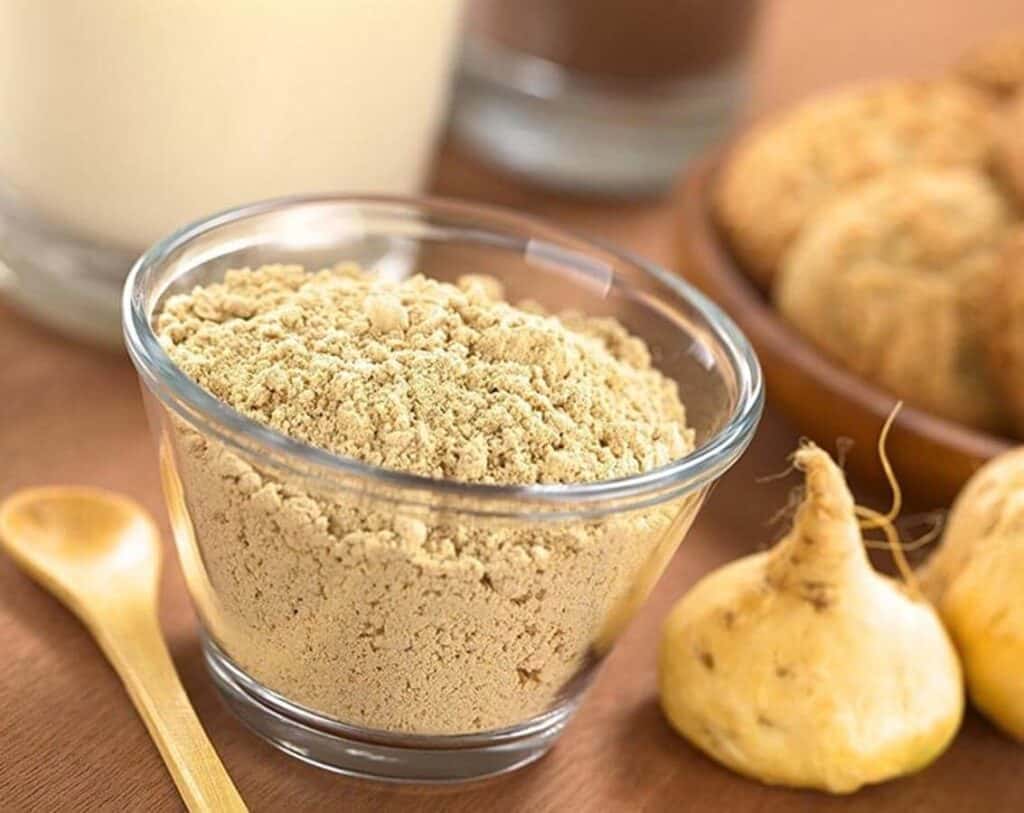
The root vegetable Maca (pronounced MAH-kah) is often referred to as a superfood due to its rich nutritional profile and purported health advantages. I have only seen this medicinal plant in powder form, which can be added to breakfast meals, drinks, and other culinary preparations.

This root is believed to enhance resilience to physical and mental stress, boost energy levels, and support hormonal balance. In traditional Andean medicine, maca has been used for centuries as a remedy for various health conditions, including fatigue, infertility, and hormonal imbalances. It is also believed to enhance libido and sexual function, earning it the nickname “Peruvian ginseng.”

Achira
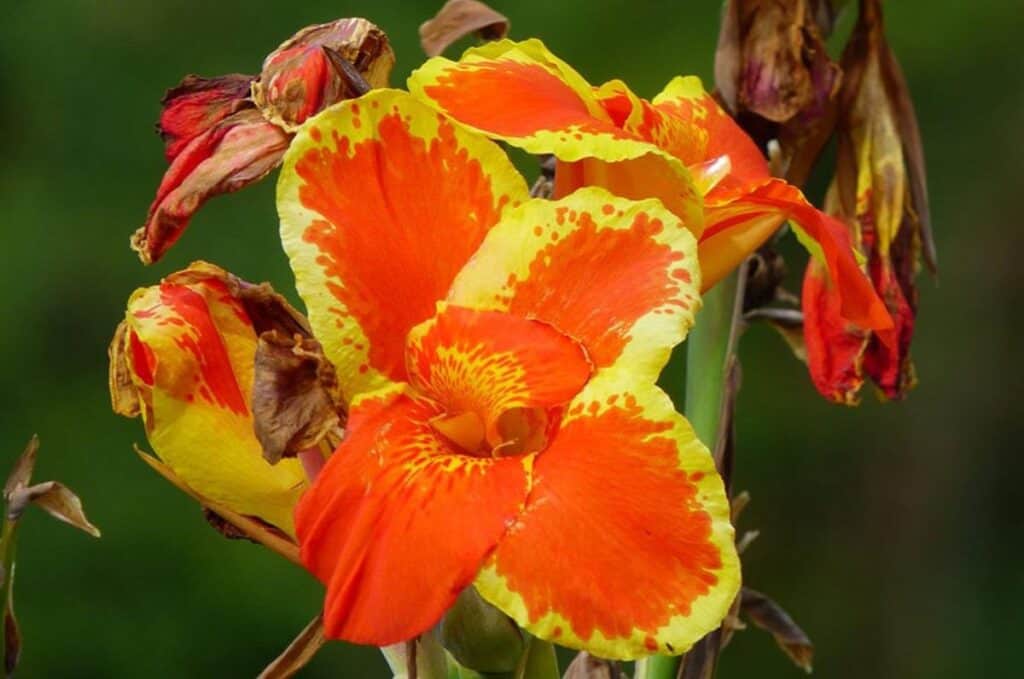
Achira (pronounced ah-CHEE-rah) has been cultivated for centuries by the rural community for its edible rhizomes, which can be consumed raw or cooked and have a starchy texture similar to potatoes. It is quite easy to grow.

They are often used to make flour, which is then used in baking or as a thickening agent in soups and sauces. Additionally, achira rhizomes can be dried and ground into a powder, which can be used to make bread, cakes, and other baked goods.

In addition to its culinary uses, the perennial achira has cultural significance among indigenous communities. It is often used for medicinal properties in traditional ceremonies and rituals, symbolizing fertility, abundance, and prosperity. The plant’s large, showy flowers are also used for decorative purposes and play an important role in religious ceremonies.

Mauka
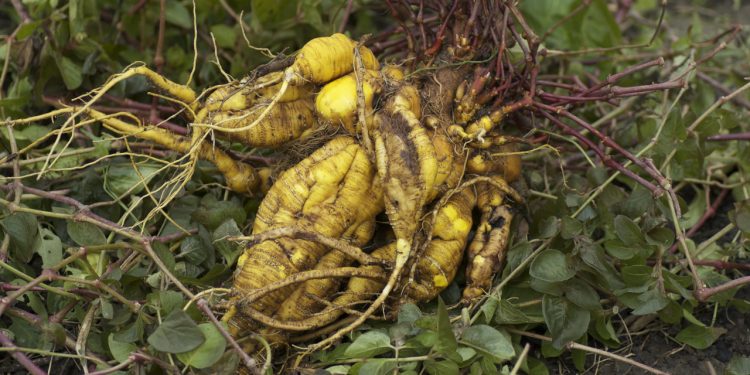
Mauka (pronounced MAO-kah) belongs to the same family as quinoa and amaranth, and has a nutty flavor. It is able to thrive in the harsh climates of the Andean highlands, including high altitudes and freezing temperatures, where other crops may struggle to grow. 

Its ability to survive in extremely difficult conditions has made it an important food source for Andean communities for generations.

Despite its nutritional value and perennial characteristic, mauka remains relatively unknown outside of the Andean region.

Arracancha
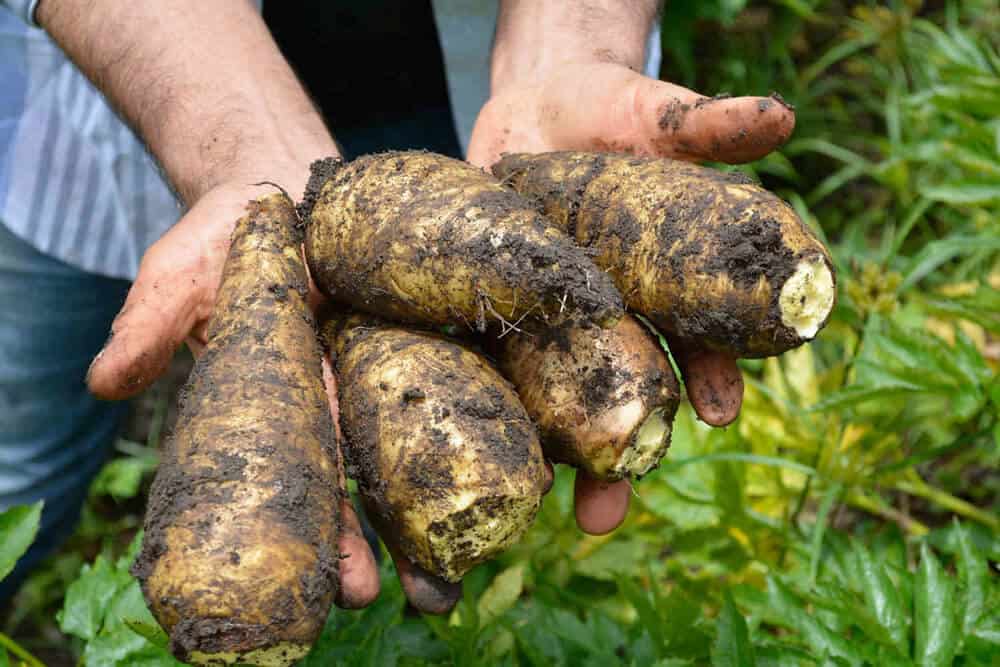
Arracacha (pronounced ah-rah-KAH-chah), also known as arracacia, white carrot, or Peruvian parsnip, is native to Peru, Colombia, and Ecuador. It belongs to the Apiaceae family, which includes carrots, celery, and parsley.

Arracacha is cultivated for its root, which is elongated and tapered, resembling a large white carrot. The root has a mild, sweet flavor with a hint of nuttiness, similar to a blend of celery and cabbage. It is commonly used in soups, stews, and purees, as well as roasted or mashed as a side dish.

One notable characteristic of arracacha is its versatility in culinary applications. It can be prepared in various ways, including boiling, steaming, frying, or baking. This makes it a versatile ingredient in both savory and sweet dishes.

Exploring Andean Tubers: Inside the International Potato Center

A genebank worker at the International Potato Center. / Cary Fowler/Global Crop Diversity Trust

Have you heard of a seed breeding center for potatoes and other root vegetables? Tucked away in Lima, Peru, is a place buzzing with discovery and innovation in the realm of potatoes and tubers: the International Potato Center (CIP).

Despite its name, this place isn’t just about potatoes. It’s a hotspot for a variety of root and tuber crops. While potatoes and sweet potatoes take the spotlight, CIP’s mission stretches further. Researchers here delve into the potential of lesser-known Andean gems like oca, ulluco, and even yams. Through careful breeding and smart farming methods, CIP aims to unleash the full power of these crops. Purpose is to enrich the planet’s biodiversity and the lives of those who rely on them.

Learn more about Peruvian potatoes in our blog post!

Try Andean Tubers and Different Crops in Peru!
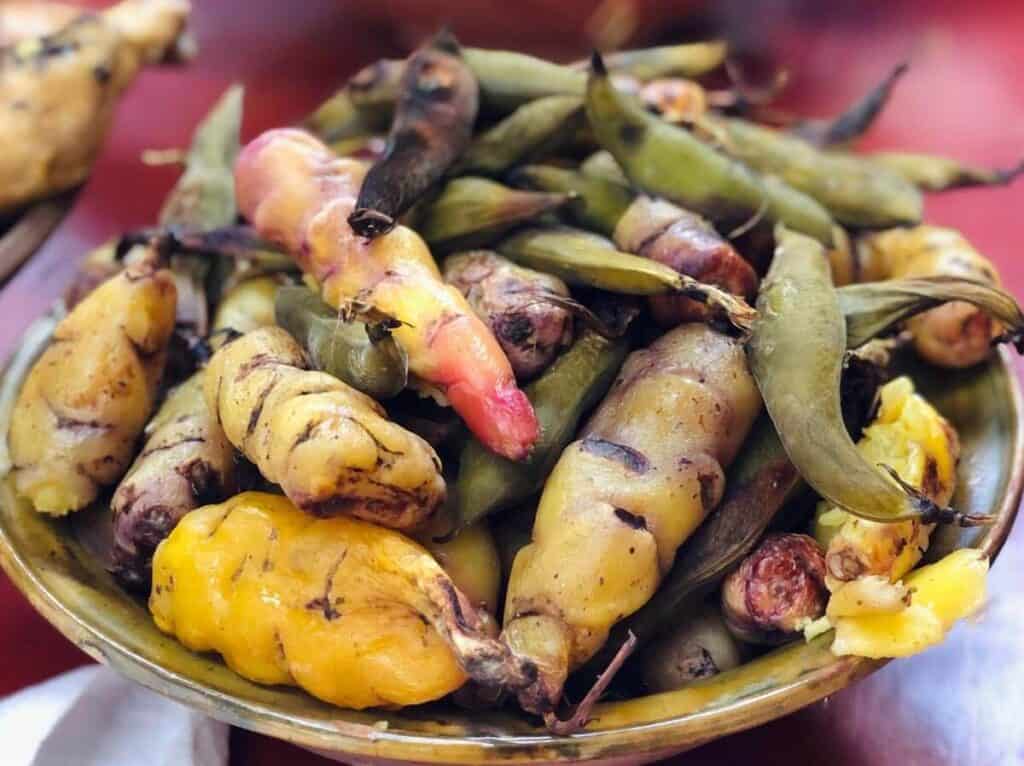
Fresh Andean tubers and seasonal vegetables, key ingredients in a traditional pachamanca cooked beneath hot stones.

Andean tubers are a marvel of nature, boasting a remarkable range and a wealth of benefits waiting to be discovered. They are also an essential ingredient in many traditional dishes, including pachamanca – an ancient Andean cooking method in which meat, potatoes, oca, mashua, and other native tubers are slow-cooked with hot stones buried in the earth, creating one of Peru’s most iconic culinary experiences.

If you’d like to dive deeper into Peru’s fascinating food culture, consider joining a cooking class in Cusco. Many classes include a visit to a local market, where you’ll discover the incredible variety of tubers, Peruvian fruits, and ingredients that this amazing country has to offer.

Another great way to experience Peruvian cuisine is by exploring local restaurants. Check out our guides to the best restaurants in Lima and the best restaurants in Cusco, as well as our dedicated list of vegetarian restaurants in Cusco.

To learn even more about Peru’s culinary traditions, take a look at our blog posts on Peruvian corn, Peruvian street food and traditional Peruvian dishes, including the country’s most famous specialty, ceviche.
Categories

Hiking in Peru

person enjoying views of inca site, private inca trail tour
Inca Trail Private tours to Machu Picchu: 4-Day Trek Expert Guide
15 February, 2024
Cusco Ruins, inca stones
7 AMAZING Inca Trail Ruins Plus More Inca Trail Attractions
24 June, 2022
group doing the inca trail
The Short Inca Trail to Machu Picchu: A Complete Guide
25 March, 2022

Peru Trip Planning

cusco main plaza
How to Plan the Perfect Cusco Itinerary – 1-7 Days
23 February, 2026
peru private tours
Peru Private Tours: Why You Should Choose a Cusco & Machu Picchu Custom Private Tour
17 February, 2026
altitude in cusco
Altitude Sickness in Cusco & Machu Picchu, Elevation in Peru
17 February, 2026

What our clients are saying about us

@apusperu
Apus Peru Adventure Trekking Specialists
  • Tucked away in the Urubamba Valley, Aguas Calientes is the perfect place to unwind before or after exploring Machu Picchu. ✨

Leave us a message if you want to plan your trip to Machu Picchu! 

#machupicchu #visitperu #apusperu
  • Trade busy roads for ancient trails and discover the authentic spirit of the Andes. 🏔️ ❤️ #apusperu #larestrek #andesmountains
  • Did you know Ollantaytambo has incredible Inca ruins you can explore for free? 🏔️

While the main archaeological site requires a ticket, the town itself is filled with fascinating Inca terraces, ancient streets, and hidden corners where you can experience the history and magic of this living Inca town. ✨

A perfect stop to enjoy the beauty of the Sacred Valley without spending a fortune. 🌿

#apusperu #ollantaytambo #perutravel
  • A few more moments from Qoyllur Rit’i, one of Peru’s most fascinating cultural and spiritual gatherings. 🇵🇪

Thanks to @ys.wander and our guide Marco for the amazing photos 🤩

#apusperu #peruwonders #discoversouthamerica
  • Our group at Qoyllur Rit’i, one of the most important pilgrimages in the Peruvian Andes. Every year, thousands of people gather high in the mountains to celebrate a unique blend of Indigenous Andean traditions and Catholic faith, surrounded by breathtaking glaciers and stunning landscapes. An unforgettable cultural and spiritual experience. ✨🏔️

Thanks to our amazing guide Marco and @ys.wander for the photos 💚😊

#apusperu #qoylloriti #peruadventure
  • #apusperu #machupicchuperu #worldwonders
  • The Inca Trail to Machu Picchu is one of the biggest highlights for trekkers in Peru! Since permits sell out quickly, we highly recommend booking this trek well in advance. Feel free to reach out to us – we’d be happy to help you secure your spot or find a great alternative trek if availability is limited.

Thanks to Ofelia for the beautiful photos!

#apusperu #incatrail #machupichu
  • A journey through Peru starts with its flavors. And there’s no better place to taste them than Lima. 🍋🐟

#foodtourism #apusperu #limaperu
  • #apusperu #andesmountains #cuscoperu #discoverperu #perutravel
Tucked away in the Urubamba Valley, Aguas Calientes is the perfect place to unwind before or after exploring Machu Picchu. ✨

Leave us a message if you want to plan your trip to Machu Picchu! 

#machupicchu #visitperu #apusperu
Tucked away in the Urubamba Valley, Aguas Calientes is the perfect place to unwind before or after exploring Machu Picchu. ✨

Leave us a message if you want to plan your trip to Machu Picchu! 

#machupicchu #visitperu #apusperu
Tucked away in the Urubamba Valley, Aguas Calientes is the perfect place to unwind before or after exploring Machu Picchu. ✨ Leave us a message if you want to plan your trip to Machu Picchu! #machupicchu #visitperu #apusperu
6 days ago
10
View on Instagram |
1/9
Trade busy roads for ancient trails and discover the authentic spirit of the Andes. 🏔️ ❤️ #apusperu #larestrek #andesmountains
2 weeks ago
13
View on Instagram |
2/9
Did you know Ollantaytambo has incredible Inca ruins you can explore for free? 🏔️

While the main archaeological site requires a ticket, the town itself is filled with fascinating Inca terraces, ancient streets, and hidden corners where you can experience the history and magic of this living Inca town. ✨

A perfect stop to enjoy the beauty of the Sacred Valley without spending a fortune. 🌿

#apusperu #ollantaytambo #perutravel
Did you know Ollantaytambo has incredible Inca ruins you can explore for free? 🏔️

While the main archaeological site requires a ticket, the town itself is filled with fascinating Inca terraces, ancient streets, and hidden corners where you can experience the history and magic of this living Inca town. ✨

A perfect stop to enjoy the beauty of the Sacred Valley without spending a fortune. 🌿

#apusperu #ollantaytambo #perutravel
Did you know Ollantaytambo has incredible Inca ruins you can explore for free? 🏔️

While the main archaeological site requires a ticket, the town itself is filled with fascinating Inca terraces, ancient streets, and hidden corners where you can experience the history and magic of this living Inca town. ✨

A perfect stop to enjoy the beauty of the Sacred Valley without spending a fortune. 🌿

#apusperu #ollantaytambo #perutravel
Did you know Ollantaytambo has incredible Inca ruins you can explore for free? 🏔️ While the main archaeological site requires a ticket, the town itself is filled with fascinating Inca terraces, ancient streets, and hidden corners where you can experience the history and magic of this living Inca town. ✨ A perfect stop to enjoy the beauty of the Sacred Valley without spending a fortune. 🌿 #apusperu #ollantaytambo #perutravel
4 weeks ago
15
View on Instagram |
3/9
A few more moments from Qoyllur Rit’i, one of Peru’s most fascinating cultural and spiritual gatherings. 🇵🇪

Thanks to @ys.wander and our guide Marco for the amazing photos 🤩

#apusperu #peruwonders #discoversouthamerica
A few more moments from Qoyllur Rit’i, one of Peru’s most fascinating cultural and spiritual gatherings. 🇵🇪

Thanks to @ys.wander and our guide Marco for the amazing photos 🤩

#apusperu #peruwonders #discoversouthamerica
A few more moments from Qoyllur Rit’i, one of Peru’s most fascinating cultural and spiritual gatherings. 🇵🇪

Thanks to @ys.wander and our guide Marco for the amazing photos 🤩

#apusperu #peruwonders #discoversouthamerica
A few more moments from Qoyllur Rit’i, one of Peru’s most fascinating cultural and spiritual gatherings. 🇵🇪 Thanks to @ys.wander and our guide Marco for the amazing photos 🤩 #apusperu #peruwonders #discoversouthamerica
1 month ago
12
View on Instagram |
4/9
Our group at Qoyllur Rit’i, one of the most important pilgrimages in the Peruvian Andes. Every year, thousands of people gather high in the mountains to celebrate a unique blend of Indigenous Andean traditions and Catholic faith, surrounded by breathtaking glaciers and stunning landscapes. An unforgettable cultural and spiritual experience. ✨🏔️

Thanks to our amazing guide Marco and @ys.wander for the photos 💚😊

#apusperu #qoylloriti #peruadventure
Our group at Qoyllur Rit’i, one of the most important pilgrimages in the Peruvian Andes. Every year, thousands of people gather high in the mountains to celebrate a unique blend of Indigenous Andean traditions and Catholic faith, surrounded by breathtaking glaciers and stunning landscapes. An unforgettable cultural and spiritual experience. ✨🏔️

Thanks to our amazing guide Marco and @ys.wander for the photos 💚😊

#apusperu #qoylloriti #peruadventure
Our group at Qoyllur Rit’i, one of the most important pilgrimages in the Peruvian Andes. Every year, thousands of people gather high in the mountains to celebrate a unique blend of Indigenous Andean traditions and Catholic faith, surrounded by breathtaking glaciers and stunning landscapes. An unforgettable cultural and spiritual experience. ✨🏔️

Thanks to our amazing guide Marco and @ys.wander for the photos 💚😊

#apusperu #qoylloriti #peruadventure
Our group at Qoyllur Rit’i, one of the most important pilgrimages in the Peruvian Andes. Every year, thousands of people gather high in the mountains to celebrate a unique blend of Indigenous Andean traditions and Catholic faith, surrounded by breathtaking glaciers and stunning landscapes. An unforgettable cultural and spiritual experience. ✨🏔️ Thanks to our amazing guide Marco and @ys.wander for the photos 💚😊 #apusperu #qoylloriti #peruadventure
2 months ago
23
View on Instagram |
5/9
#apusperu #machupicchuperu #worldwonders
2 months ago
18
View on Instagram |
6/9
The Inca Trail to Machu Picchu is one of the biggest highlights for trekkers in Peru! Since permits sell out quickly, we highly recommend booking this trek well in advance. Feel free to reach out to us – we’d be happy to help you secure your spot or find a great alternative trek if availability is limited.

Thanks to Ofelia for the beautiful photos!

#apusperu #incatrail #machupichu
The Inca Trail to Machu Picchu is one of the biggest highlights for trekkers in Peru! Since permits sell out quickly, we highly recommend booking this trek well in advance. Feel free to reach out to us – we’d be happy to help you secure your spot or find a great alternative trek if availability is limited.

Thanks to Ofelia for the beautiful photos!

#apusperu #incatrail #machupichu
The Inca Trail to Machu Picchu is one of the biggest highlights for trekkers in Peru! Since permits sell out quickly, we highly recommend booking this trek well in advance. Feel free to reach out to us – we’d be happy to help you secure your spot or find a great alternative trek if availability is limited. Thanks to Ofelia for the beautiful photos! #apusperu #incatrail #machupichu
2 months ago
13
View on Instagram |
7/9
A journey through Peru starts with its flavors. And there’s no better place to taste them than Lima. 🍋🐟

#foodtourism #apusperu #limaperu
A journey through Peru starts with its flavors. And there’s no better place to taste them than Lima. 🍋🐟

#foodtourism #apusperu #limaperu
A journey through Peru starts with its flavors. And there’s no better place to taste them than Lima. 🍋🐟

#foodtourism #apusperu #limaperu
A journey through Peru starts with its flavors. And there’s no better place to taste them than Lima. 🍋🐟

#foodtourism #apusperu #limaperu
A journey through Peru starts with its flavors. And there’s no better place to taste them than Lima. 🍋🐟

#foodtourism #apusperu #limaperu
A journey through Peru starts with its flavors. And there’s no better place to taste them than Lima. 🍋🐟 #foodtourism #apusperu #limaperu
2 months ago
6
View on Instagram |
8/9
#apusperu #andesmountains #cuscoperu #discoverperu #perutravel
2 months ago
15
View on Instagram |
9/9

Proceed Booking