In Peru, one crop stands out as both a staple and a symbol of the nation’s heritage: the potato. Loved for its taste and versatility, the potato holds a special place in typical Peruvian cuisine.
From the bustling streets of Lima to the Andean highlands of Peru, you’ll find potatoes in countless traditional dishes. Read on if you want to learn more about the variety of potatoes in Peru!
How Many Types of Potatoes Are There in Peru?
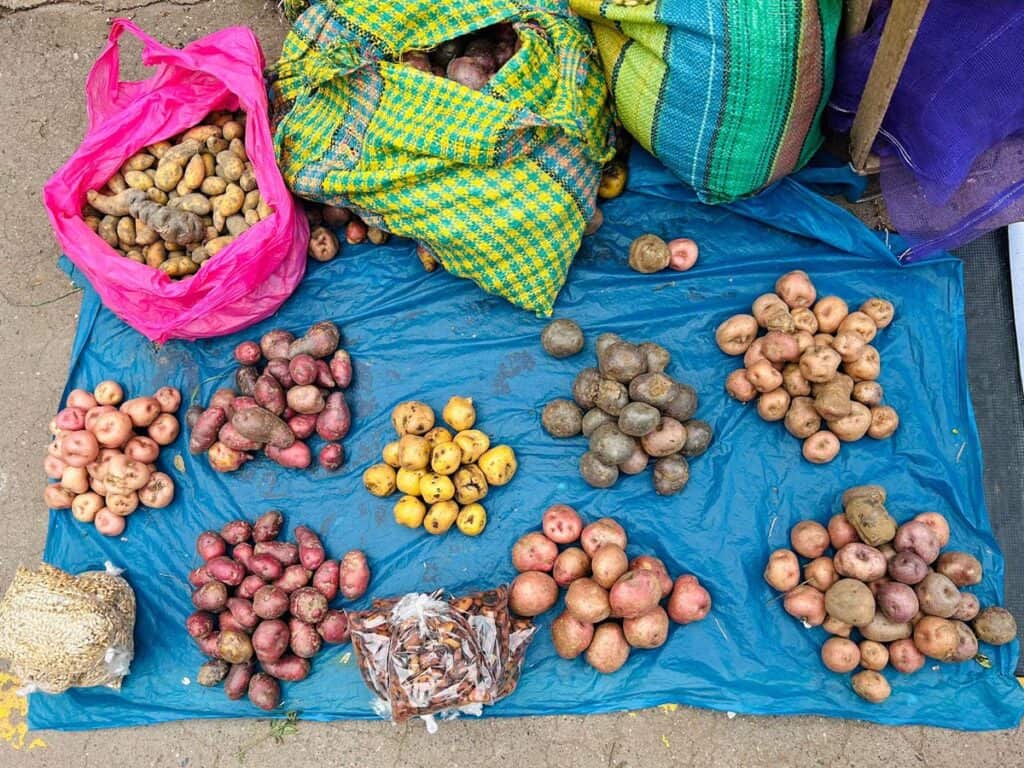
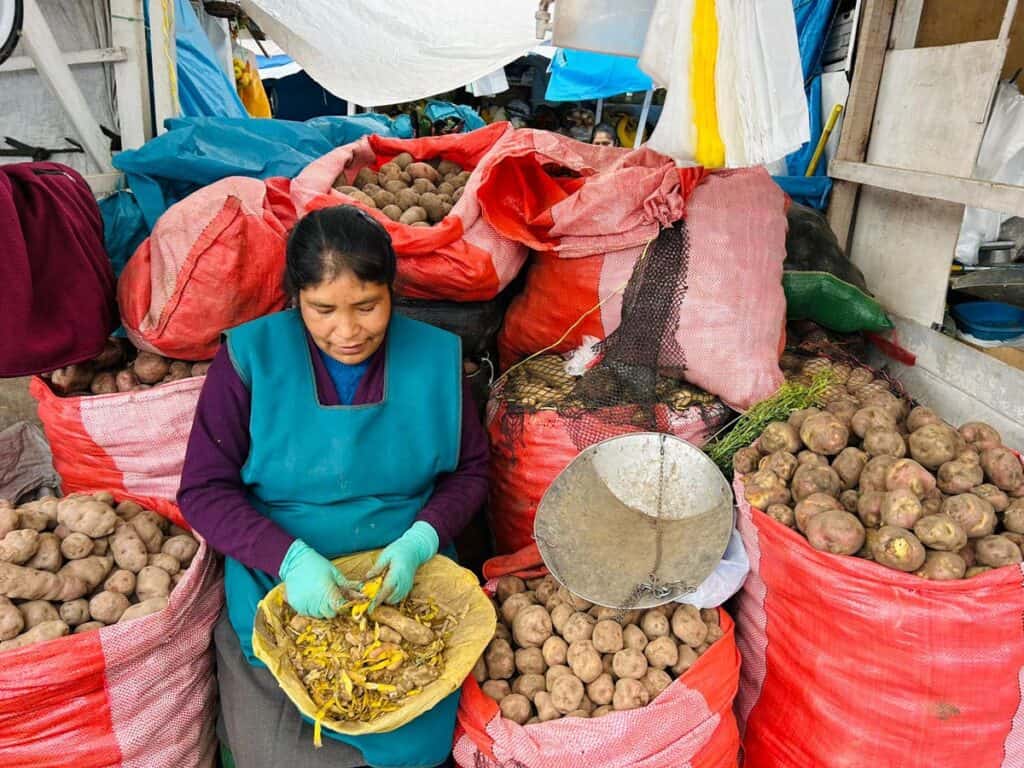
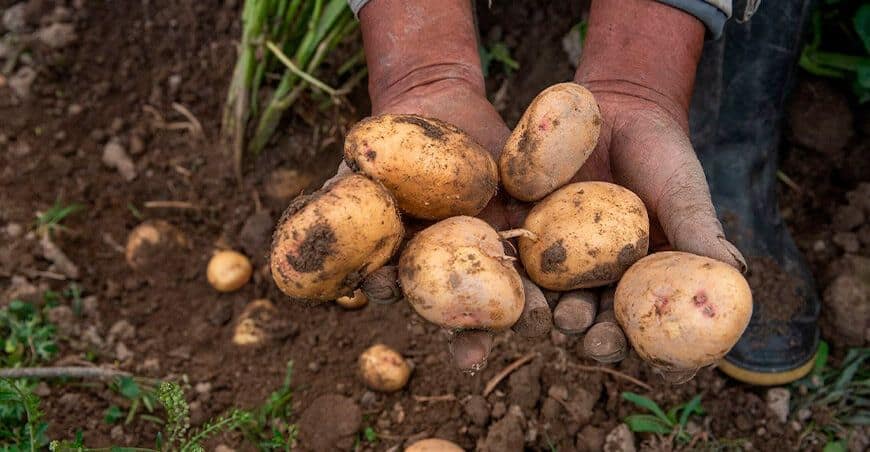
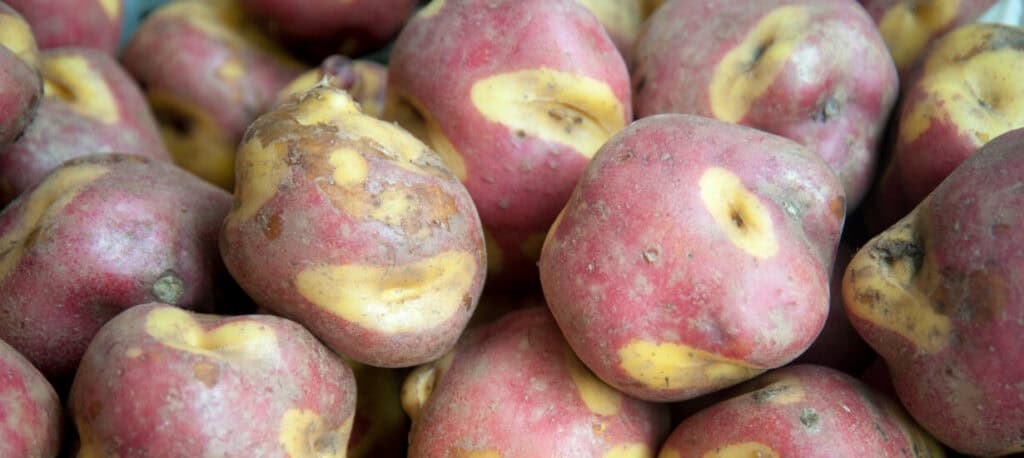
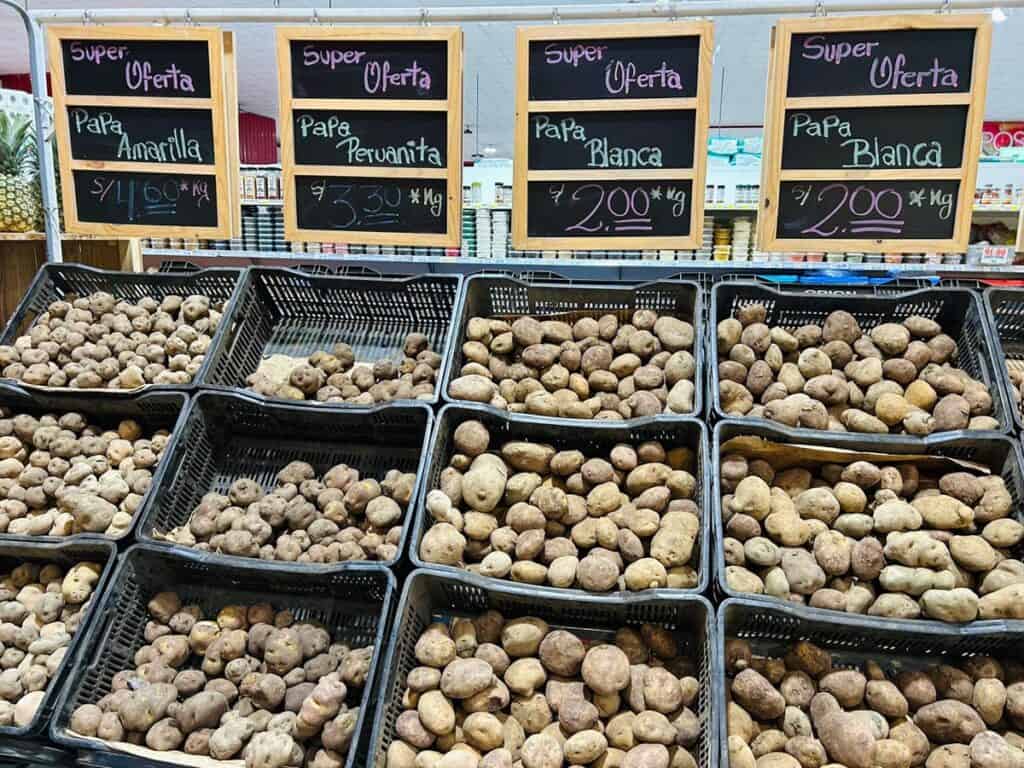
Let me tell you that there are MANY native potatoes found in Peru! Whenever I stroll down to the local market to pick up some potatoes from the Mamitas, it always turns into a lesson in potato science! In Peru, it’s not just about grabbing any old spud; it’s about matching the right potato to your dish. If I mention I’m making mashed potatoes, they’ll insist on the Papa Amarilla; for fries, it’s all about the Huamantanga potatoes. It’s become a bit of a routine – I’ll try to mix things up, and they’ll kindly educate me on why their chosen potato is perfect for my dish. It’s these little interactions that make grocery shopping in Peru so entertaining!
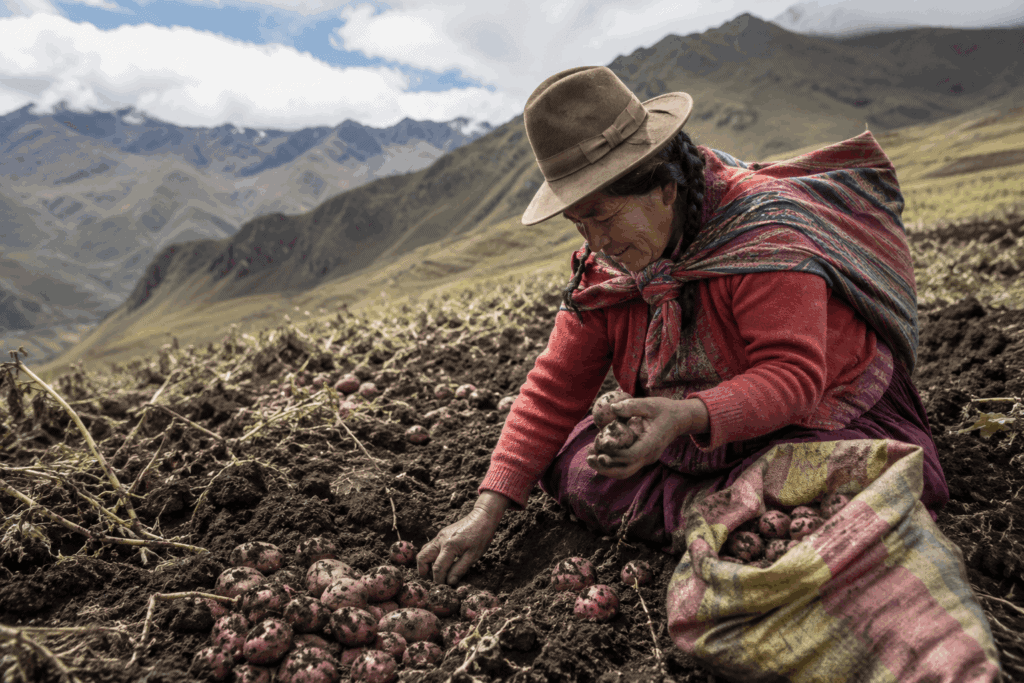
Why so many potato varieties, you ask? Peru’s fertile lands provide an ideal environment for potato cultivation, nurturing thousands of varieties that have been cultivated since Incan times. Thanks to the ingenuity and dedication of generations of farmers, building on ancient Incan agricultural knowledge, the country boasts over 4,000 distinct types of potatoes, each with its own unique flavor, texture, and culinary application.
The History of the Peruvian Potato
The history of the potato is a tale of resilience, exploration, and global impact. Originating in the Peruvian Andes Mountains, Bolivia, and Lake Titicaca region, indigenous peoples began domesticating the potato around 7,000 to 10,000 years ago, laying the foundation for one of the world’s most important food crops.
With the arrival of Spanish conquistadors in the 16th century, potatoes made their way to Europe, where they gradually gained popularity as an important food source, especially during times of famine.
Today, the potato is one of the most important crops in the world. Its journey from the Andes to dinner tables everywhere is a fascinating story of discovery and adaptation.
Why Does the Potato Have So Many Varieties?
With over 4,000 wild potato varieties around the world, the potato is part of Peruvian heritage. Well, you can think of potatoes as the ultimate chameleons because they can grow almost anywhere.
Even on Mars chances are high that potatoes could grow! Believe it or not, the NASA-backed “Potatoes on Mars” project has been making some exciting progress. They’ve managed to grow tubers in conditions that mimic those found on the Red Planet!
The funny thing is, the Incas were doing the same thing as NASA is doing today. The many varieties of potatoes we love today can be traced back to the brilliant minds of the ancient Inca civilization.
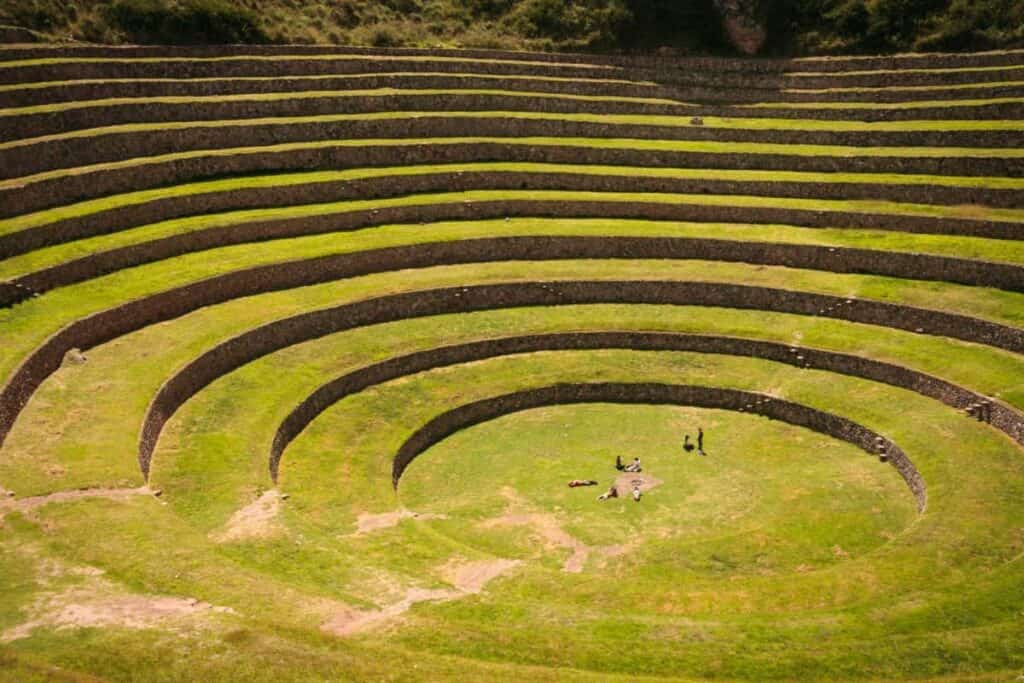
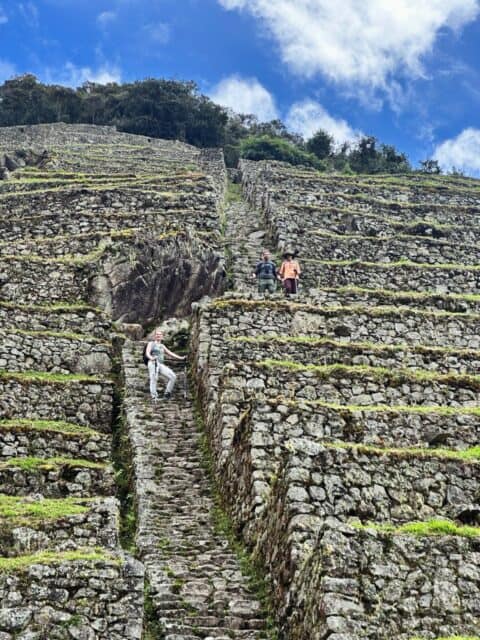
For example, in Moray, Inca farmers experimented with different potatoes in high-altitude terraced circles. It was their potato lab! By playing with altitude and soil, they unlocked the secrets of potato growth.
Moray: Each terrace has its own microclimate, which allowed the Incas to test the adaptability of crops to various altitudes and climates.
Peru is home to the International Potato Center (CIP), a world-leading research institute based in Lima. Founded in 1971, CIP is dedicated to conserving the incredible diversity of native potatoes and developing resilient crop varieties that help improve food security and sustainable agriculture around the world.
Which Types of Potatoes Are There?
Peruvian potatoes are like a treasure trove of flavors and colors, each variety with its own unique charm.
Let’s look at some interesting facts and popular picks – don’t worry, we won’t list all 4000 varieties:
Papa Blanca
This kind of potato is characterized by having a very light skin, white flesh, and a firm texture. It is large, oval-shaped, and flattened, like an apple.
The white potato is widely used in Peruvian cuisine for preparing soups and stews such as caucau, as well as for frying.
Papa Huamantanga
Known for its white flesh and a texture similar to Peruvian yellow potatoes, this variety is a favorite among many due to its versatility and pleasant taste.
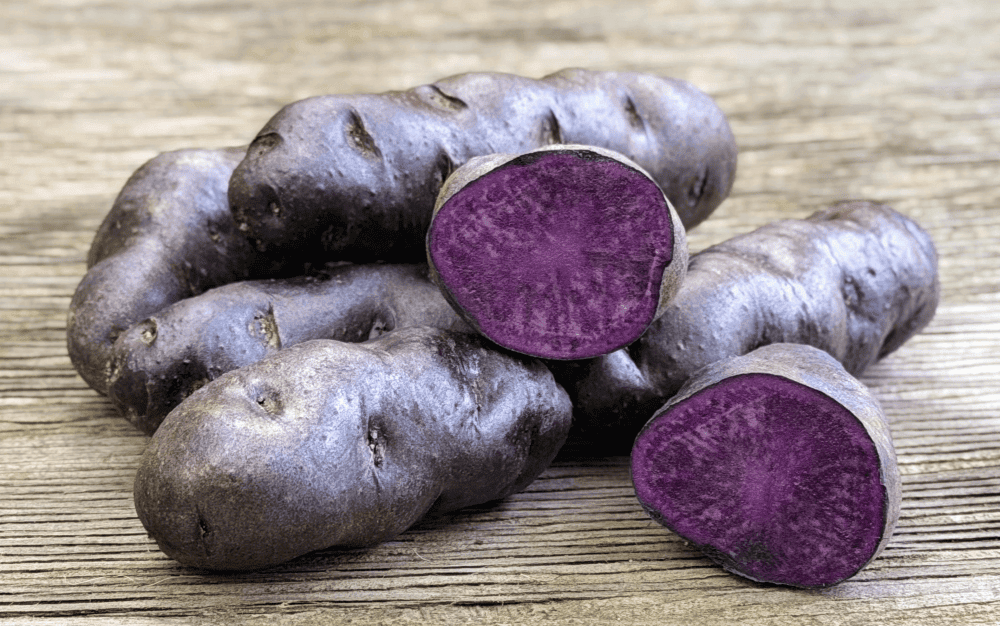
Purple Peruvian Potato (Papa Púrpura)
With its purple skin that turns slightly blue when cooked, the Peruvian purple potatoes have a historical significance, being treasured in the era of the Inca, especially among royalty. These purple Peruvian potatoes almost look like beetroots.
Blue Peruvian Potato
The Peruvian blue potatoes boast a flavor profile that is subtly nutty with a hint of earthiness, and a texture that’s creamy yet firm. Peruvian blue potatoes are also incredibly versatile in the kitchen.
From hearty soups and stews to colorful salads and side dishes, there is no limit to what you can create with these little wonders. And no matter how you cook them, that stunning blue hue remains intact, adding a touch of magic to every dish.
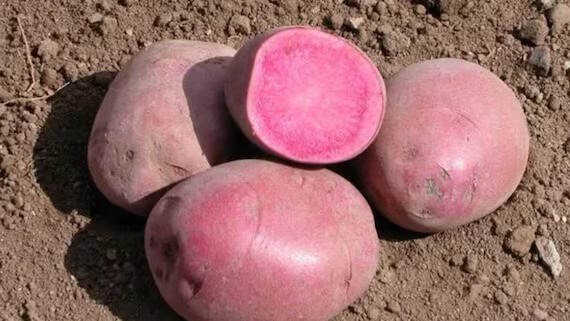
Pink Potato
The Peru Pink Potato, also known as the Pink Fir Apple Potato, is a heirloom variety native to the Andes region of Peru. Its elongated shape and distinctive pink skin make it stand out among other potato varieties.
It offers a slightly nutty flavor and a firm, waxy texture that holds up well in cooking. It’s particularly well-suited for roasting, boiling, or using in salads, where its unique appearance adds visual interest to the dish.
Papa Huayro
Huayro potatoes became a staple ingredient in Papa a la Huancaína. This dish is made with boiled potatoes in a spicy sauce made of queso fresco and grilled aji amarillo, accompanied by hard-boiled eggs.
Papa Peruanita
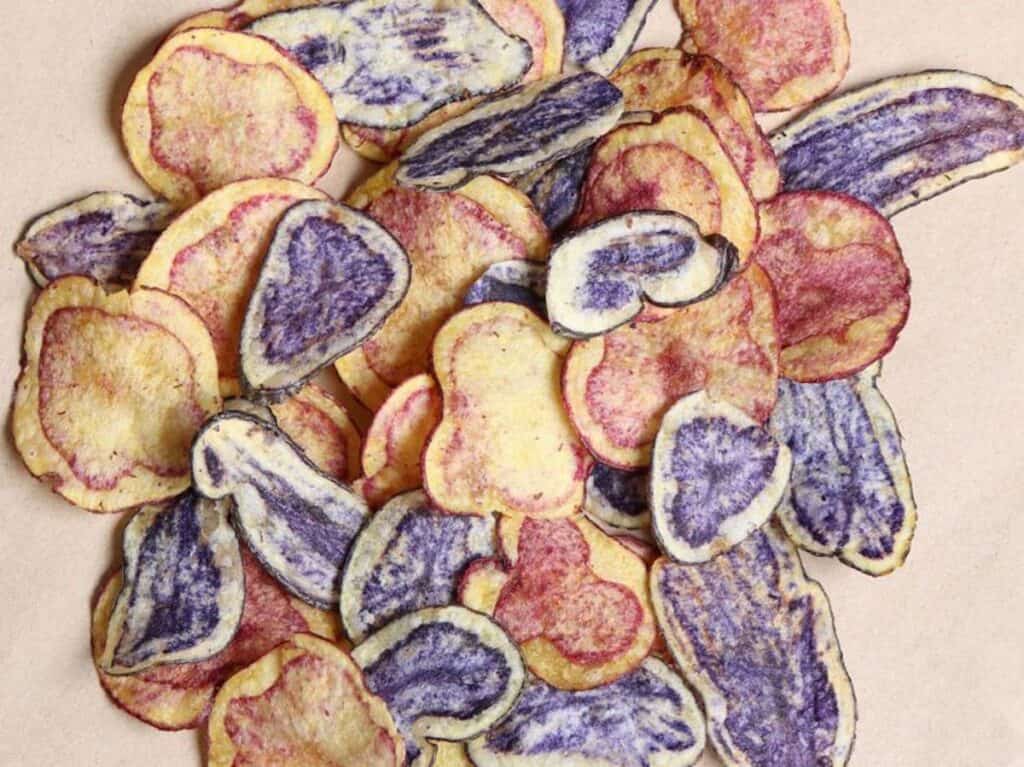
Sporting a vibrant, multi-colored skin and a rich taste, this potato adds a pop of color and flavor to any food in Peru it’s used in.
Papa Tarmeña
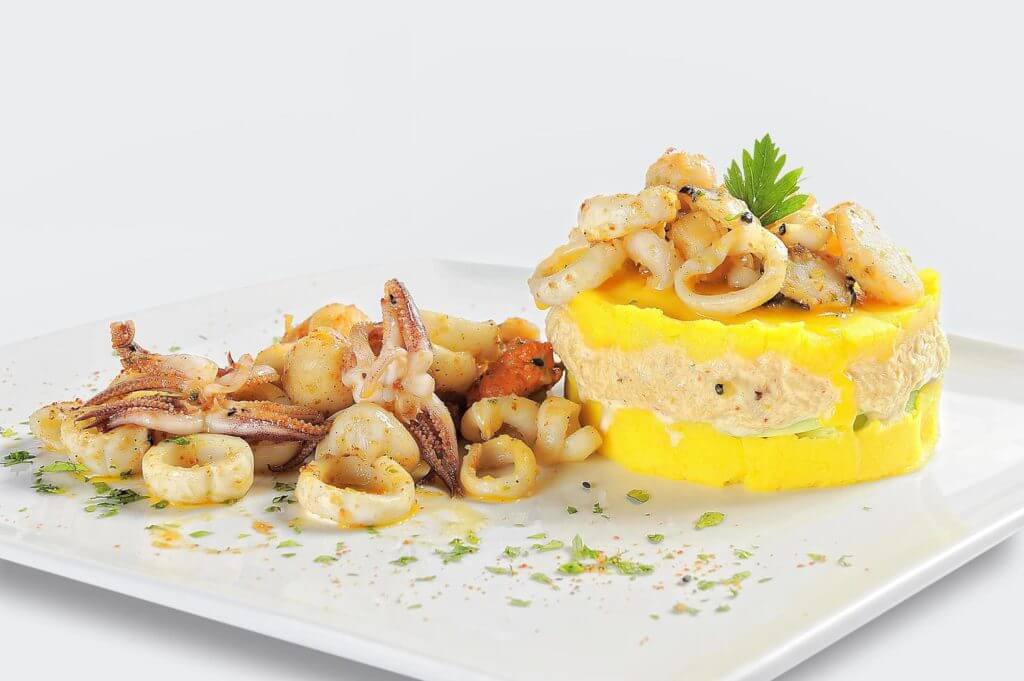
Resembling the Papa Peruanita in appearance, this popular potato is commonly used in causa, a traditional Peruvian food. It’s also enjoyed fried for a crunchy treat.
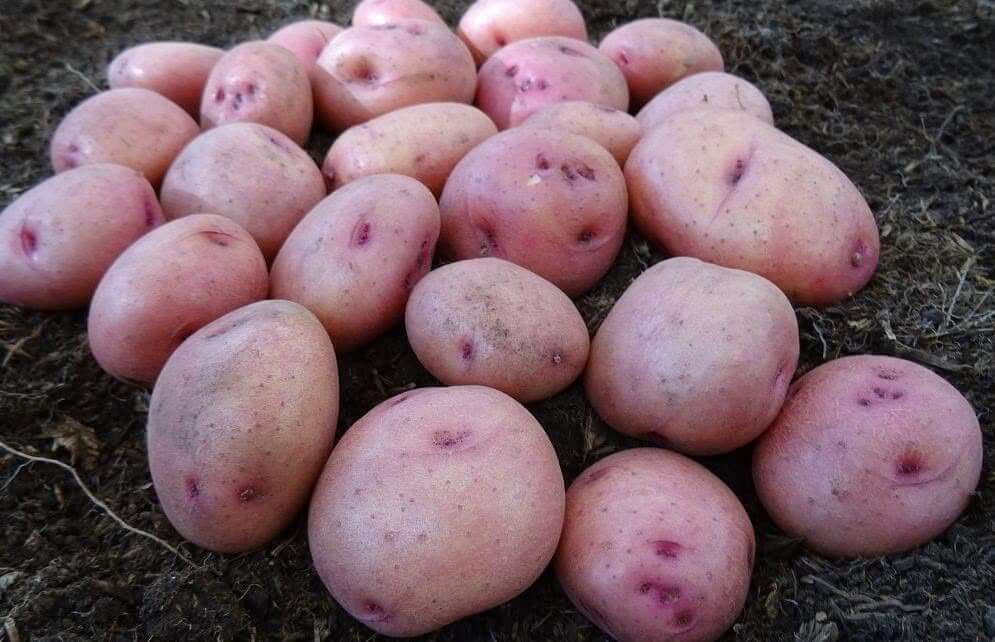
Papa Rosada (Peruvian Pink Potato)
Also known as papa canchan, this potato features pink skin and white flesh, offering a visually appealing addition to various dishes.
Papa Perricholi
Reminiscent of white potatoes, this relatively new variety is white and sweet, gaining popularity among those who enjoy its unique flavor profile.
Papa Negra Andina (Blue Peruvian Potatoes)
The Andean black potatos are round in shape, with purple skin and yellowish flesh. It even possesses pharmaceutical and healing properties and is rich in vitamin C.
Other Varieties of Native Potatoes, Tubers and More
In Peru, we’ve got a wide array of potato varieties and other forms to explore. Beyond the potatoes themselves, we’ve got freeze-dried options and plenty of potato-related tubers and root vegetables to discover. Check it out for yourself!
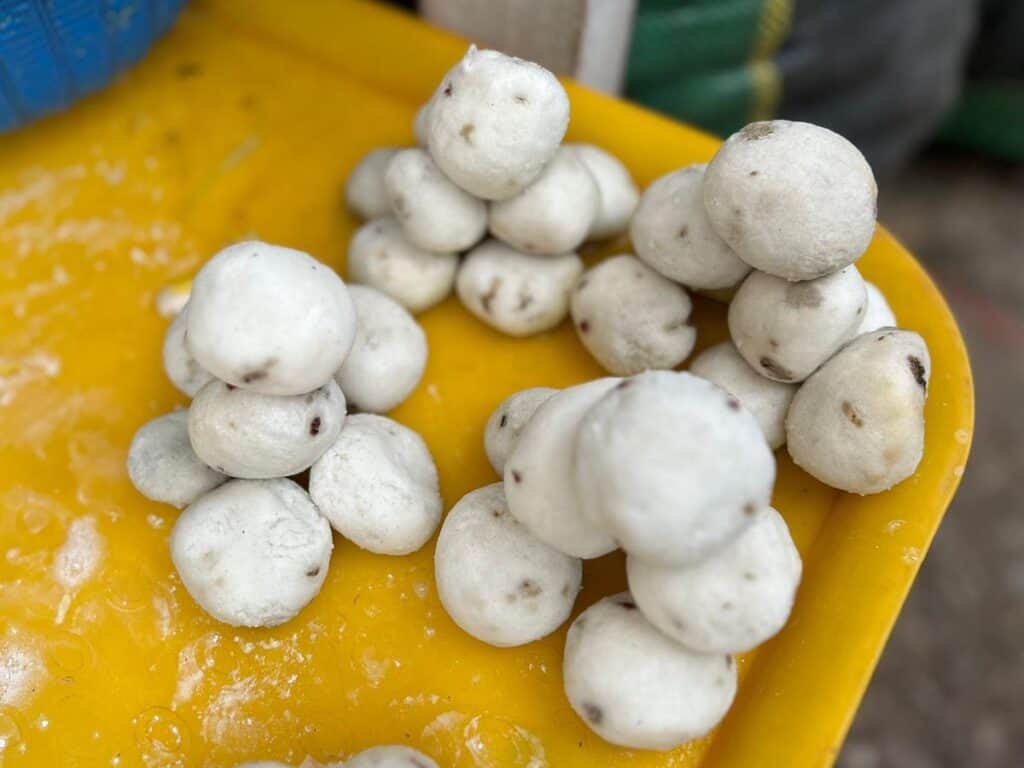
Chuño
These freeze-dried potatoes serve as a traditional ingredient in some Quechua communities. Chuño has been eaten since before the time of the Inca. To make it, small potatoes are spread on the ground and left to freeze overnight in the chilly Andean temperatures. During the day, as the sun shines on the potatoes, locals trample them to squeeze out the water and remove the skins before repeating the freezing and drying process.
When I first tried Chuño, I have to admit, I wasn’t a big fan. Its intense flavor, almost like a potent cheese, caught me off guard. But after living in Peru for a few years now, I’ve developed a bit of a taste for it! Now, I actually appreciate how Chuño adds a unique and special flavor to soups. It’s funny how our tastes change, isn’t it?
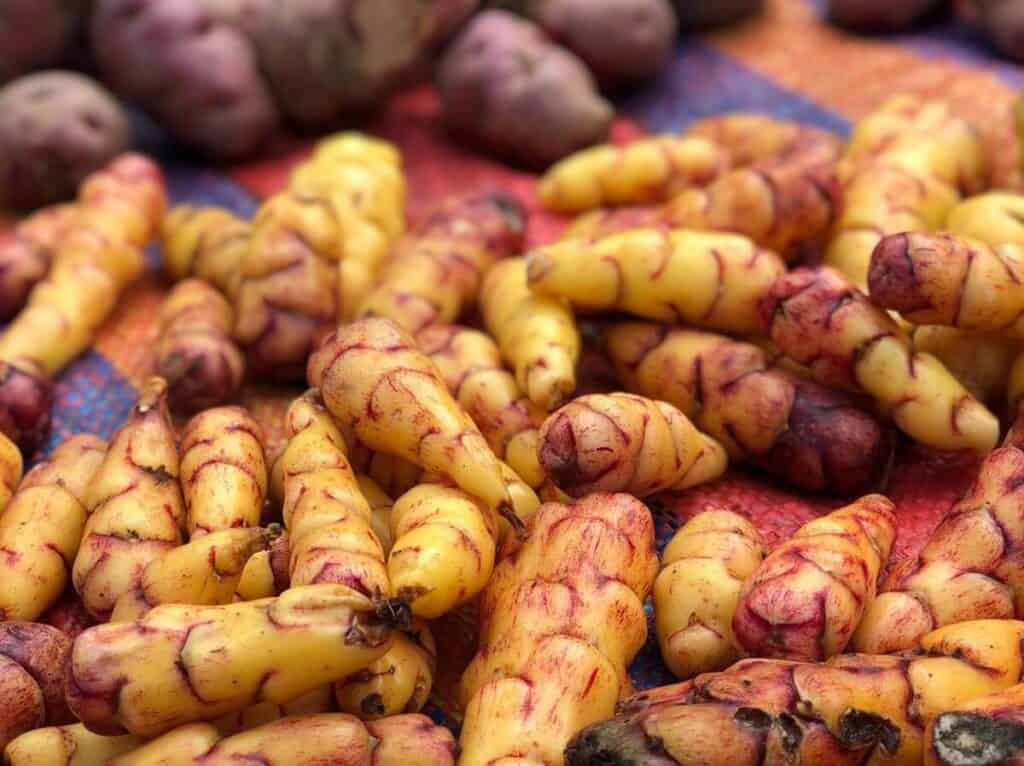
Oca Tuber
This bright-colored tuber is something of a competitor to the potato – it offers many similar perks but is in a category all its own. The crop originally came from the high Andes, where it was enjoyed by ancient cultures.
You can still find it in many Peruvian meals today. Oca grows in colors like pink, purple, red, white, or orange. It has a crispy quality to it, as well as an unmistakable sweetness that most people love. It tastes great as part of both sweet and savory dishes.
Learn more about nutritious tubers in our blog post!
Camote (Sweet Potato)
Peruvian sweet potatoes (or camote) might look similar to their savory counterparts, but contrary to their name, they’re not in the same plant family as potatoes. That said, camote has been part of Peruvian culture for thousands of years and has even shown up on ancient Peruvian ceramics.
You can find camote in many different sizes and shapes, and it’s still grown in regions like Amazonia and Ayacucho.
Potatoes play a starring role in a myriad of delicious dishes, from fried potatoes, potato stew, or the ever-popular comfort food salchipapas (sausage with french fries), and beyond. If you’re curious about the best-loved traditional fare cherished by Peruvians, make sure to read our blog post about the Best Peruvian Dishes. There, you’ll uncover a treasure trove of insights into these beloved potato-centric delicacies and more. We also have blog posts on Coca leaves, Peruvian fruits and Peruvian corn varieties!
So, now we know that in Peru, the humble potato isn’t just a vegetable – it’s a cultural icon, deeply rooted in the nation’s history and cuisine.
If you’re feeling inspired to dive into the world of Peruvian potato recipes, we’ve got just the perfect thing for you! Check out our guide on where to find the best Peruvian cooking classes. You’ll not only get to whip up some delicious food of Peru but also learn about the popular varieties of Peruvian potatoes firsthand.
If you’re planning to visit Peru and want to make culinary experiences a highlight, just drop us a message! We’ll help you create a trip to the Sacred Valley or Machu Picchu, or you can check out our 8-day gastronomic tour.
🌆 Discover Lima beyond the usual!
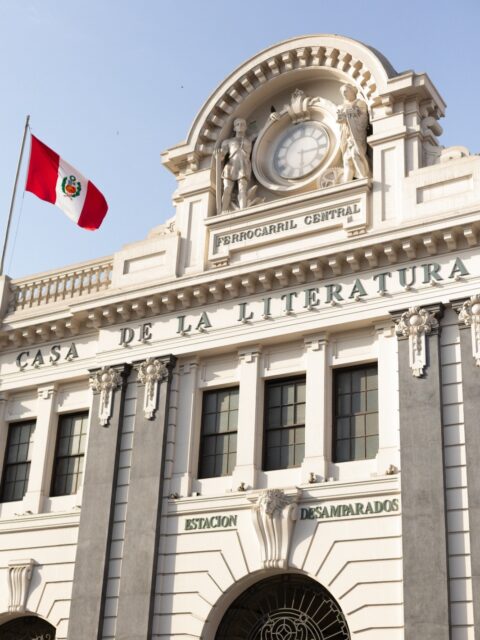
Lima is a city best explored on foot. You can visit the historic streets of the city center, explore colorful neighborhoods, local markets, beautiful architecture, and some hidden corners!
And there’s so much more to discover beyond the classic sights. Explore local food, culture, history, and everyday life while getting to know the many sides of Peru’s vibrant capital. 🇵🇪✨
#limaperú #apusperu #limacity #visitperu #southamericatrip
🏔️ The Ausangate Trek is unlike any other!
Trekking around Ausangate Mountain means stepping into some of the most spectacular and remote landscapes in the Peruvian Andes. From colorful mountains and turquoise lagoons to vast valleys, glaciers, and traditional Andean communities, every day brings a completely different view!!
#ausangate #apusperu #andesmountains #trekkinglover
The people who make our journeys possible are often the ones we see the least.
They carry the equipment, prepare the meals and work behind the scenes so thousands of travellers can experience the Inca Trail.
The recent death of porter Gabriel Ríos Mamani is a tragic reminder that we need to pay more attention to the working conditions of the people at the heart of tourism.
Choosing a responsible company is about more than a beautiful itinerary or a good price. It means asking who is behind the experience and whether they are treated with the respect, support and protection they deserve.
Travel can have a positive impact – but only if we care about the people who make it possible. #apusperu #responsibletravel
So many things to explore in Lima! Enjoy incredible street food, world-class restaurants, vibrant local markets, fascinating history, colorful neighborhoods, beautiful coastal views, and an exciting culinary scene. Let Apus Peru help you experience the very best of Peru’s capital! 🌊🍽️🇵🇪
#apusperu #lima #citylovers #visitperu
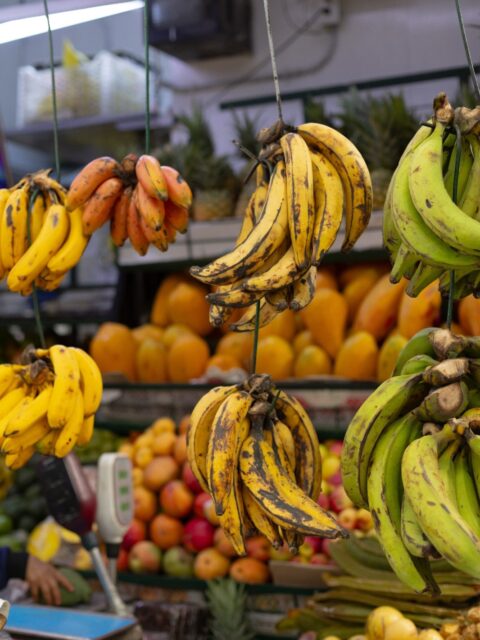
Discover the vibrant local markets of Peru – one of the best places to experience the country’s incredible food, fresh produce, and everyday culture. From exotic fruits to traditional dishes, there’s so much to explore! Planning a foodie adventure? Reach out to Apus Peru and we’ll help you create the perfect culinary tour. 🌽🍍🥑
#apusperu #culinarytravel #foodlovers #perufood
The journey to Machu Picchu begins with a scenic train ride through the Sacred Valley. At Apus Peru, we take care of all the details, from train tickets to your complete itinerary, so you can simply enjoy the adventure. 🚆🏔️
#apusperu #machupiccu #trekkingperu
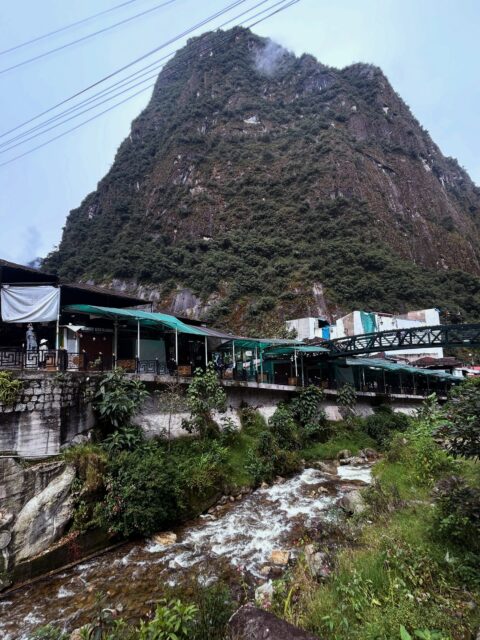
Tucked away in the Urubamba Valley, Aguas Calientes is the perfect place to unwind before or after exploring Machu Picchu. ✨
Leave us a message if you want to plan your trip to Machu Picchu!
#machupicchu #visitperu #apusperu
When you book with an account, you will be able to track your payment status, track the confirmation and you can also rate the tour after you finished the tour.
We use cookies to ensure that we give you the best experience on our website. If you continue to use this site we will assume that you are happy with it.