When you are in high-altitude spots like the city of Cusco and Peru, you will notice dried coca leaves all over local markets, sold as coca leaves tea and more. Peruvians LOVE coca chewing for an energy boost, and both locals and travelers often chew or drink coca to fend off altitude sickness.
I remember not being a fan of coca leaves initially – they have a bit of a bitter taste, like green tea or Argentine Mate. But now, I’m a convert! They really perk you up and are great for staving off hunger and anxiety. Instead of a coffee in the afternoon, I chew some coca leaves to help me focus and be more productive. Plus, hiking feels way easier with coca leaves. But does this practice actually help with altitude sickness? Let’s dive in and find out together!
What is High Altitude Sickness?

High altitude sickness, or acute mountain sickness (AMS), happens when you go up to really high places, typically above 2,500 meters (8,000 feet) above sea level. It is caused by the body’s inability to adjust to the decreased oxygen levels and lower air pressure at higher elevations.
Symptoms can range from a sore head, feeling sick, throwing up, dizziness, being super tired, having trouble breathing, losing your hunger, to struggling to sleep. In serious cases, it can lead to conditions like high-altitude pulmonary edema (HAPE) or high-altitude cerebral edema (HACE), which can be really dangerous if not treated quickly.
Your body needs time to get used to the higher altitudes. If you go up too fast, like climbing a mountain too quickly or flying straight to a high place, your body might not have enough time to adjust, and that is when you start feeling sick.
When you first get to Cusco, it’s a good idea not to rush into doing everything right away. Take your time to adjust and explore the city at a relaxed pace. Believe me, there are plenty of things to do in Cusco!
If you are feeling uncertain about committing to a multi-day hike, another option worth considering is booking a private Peru tour. Read our blog post on the best Cusco itinerary for travel inspiration and top tips to help you plan your perfect trip.
What are Coca Leaves?
Coca (Erythroxylum coca) is a plant native to South America, particularly found in countries like Peru and Bolivia, Chile, Colombia, and Ecuador. The use of coca is well known for its cultural significance and has been an important tradition among Indigenous communities for thousands of years.
Even though the coca leaf in its natural form is a harmless and mild stimulant comparable to coffee, the leaves of the coca plant contain various alkaloids, with the most notable one being cocaine.
Traditionally, coca leaves are chewed or brewed into a coca leaf tincture for their stimulating properties. It it is also chewed by taking dried leaf mixed with an alkaline ash known as lejia and sucking it into a wad buried in the cheek. (Personally, its an acquired taste)
These effects of coca include increased energy, reduced hunger, and alleviation of altitude sickness symptoms. Coca leaves also have cultural and social significance, often being used in rituals, ceremonies, and social gatherings.
In addition to its traditional uses, coca has been studied for its potential medicinal properties. Some research suggests that coca leaves may have benefits such as improved cognitive function, pain relief, and even potential application in treating certain medical conditions like gastrointestinal disorders. Learn more about medicinal plants and herbs!
Does Coca Use Really Help with Altitude Sickness?

Some anecdotal evidence and cultural practices suggest that the coca extract may offer relief from altitude sickness symptoms, such as headaches and nausea, due to its stimulant properties and potential vasodilatory effects. However, more research is needed to fully understand the mechanisms and effectiveness of coca in preventing or treating altitude sickness.
Benefits of Coca Leaf Chewing
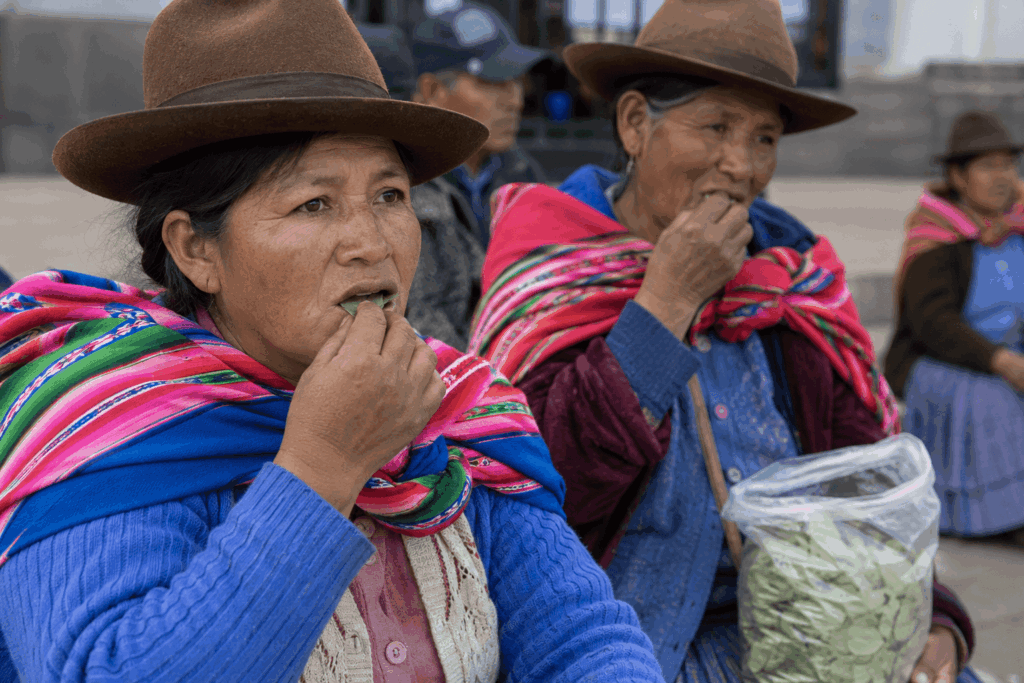
The benefits of coca leaves have been recognized for centuries and continue to be a topic of cultural, traditional, and scientific interest. For many Indigenous people in the Andes, chewing coca leaves is a long-standing practice.
One of the best-known benefits of coca leaves is their mild stimulant effect, which can increase energy levels and alertness without the intensity associated with caffeine. Coca leaves are traditionally used to help relieve symptoms of altitude sickness.
Chewing coca leaves may also help suppress appetite, which has historically been useful for people spending long hours working without regular meals. In traditional Andean medicine, coca leaves have been used to ease digestive problems, reduce fatigue, and support respiratory health.
Coca leaves contain naturally occurring vitamins, minerals, and antioxidants that contribute to their nutritional value.
How to Prevent Altitude Sickness in the Andes
- Gradual Ascent: Ascend to higher altitudes slowly, allowing your body time to adjust. Avoid rapid ascents, especially if you’re traveling to significantly higher altitudes.
- Hydration: Drink plenty of fluids, primarily water, to stay hydrated. Dehydration can worsen altitude sickness symptoms, so aim to drink more water and coca tea than usual, even if you don’t feel thirsty.
- Proper Nutrition: Maintain a balanced diet with an emphasis on carbohydrates and moderate protein intake. Avoid heavy, greasy meals that may exacerbate symptoms of altitude sickness.
- Medication: Consider taking medication such as acetazolamide (Diamox) to help prevent altitude sickness. This medication can help your body adjust to higher altitudes by increasing your breathing rate and promoting urine production.
- Avoid Alcohol and Smoking: Limit alcohol consumption and avoid smoking, as both can worsen altitude sickness symptoms and impair your body’s ability to acclimatize.
- Get Adequate Rest: Allow your body time to rest and recover, especially during the first few days at higher altitudes. Avoid strenuous physical activity until you’ve acclimatized properly.
- Descend if Symptoms Persist: If you experience severe symptoms of altitude sickness, such as difficulty breathing, confusion, or severe headache, descend to a lower altitude immediately.
- Supplemental Oxygen: In some cases, supplemental oxygen may be necessary, especially for individuals with pre-existing medical conditions or those experiencing severe altitude sickness symptoms. Portable oxygen systems are available in many high-altitude destinations.
If you want to learn more, leave us a message! And don’t worry, our professional guides are there for you in case you don’t feel well during your trip. They carry oxygen with them and know what to do in case of emergencies.
Are There Risks in Using Coca Leaves, and Is It Cocaine?
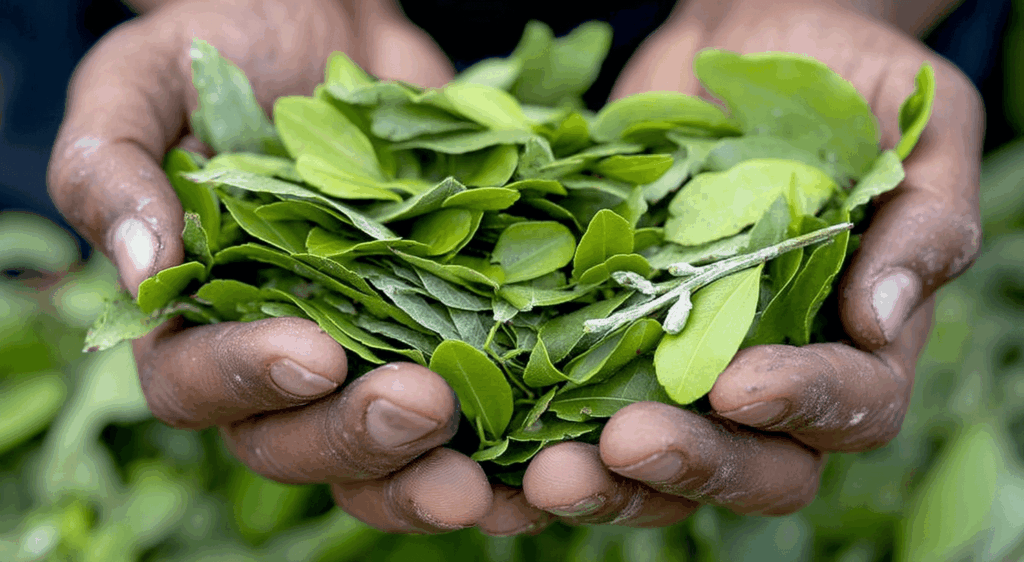
The use of coca leaves is not addictive. Although coca leaves are not cocaine, the effects of coca chewing naturally alter trace amounts of cocaine alkaloids. The process of producing cocaine from coca leaves involves extensive chemical processing, meaning the leaf itself is very different from the illegal drug.
A simple comparison is drinking a cup of coffee or black tea. Just as caffeine gives your body a gentle energy boost, coca consumption has a mild stimulating effect that can help reduce fatigue. This effect of coca is far less intense than the effect of cocaine, which is a highly concentrated and addictive drug.
Unfortunately, because coca leaves are the raw material used in the illegal drug trade to produce cocaine, they are often misunderstood. However, the traditional use of coca leaves by Indigenous communities in the Andes for chewing, brewing tea, and ceremonial purposes is entirely different from the manufacture and use of cocaine.
Exploring Peruvian Coca Products: Coca Leaf Tea, Sweets, & More!
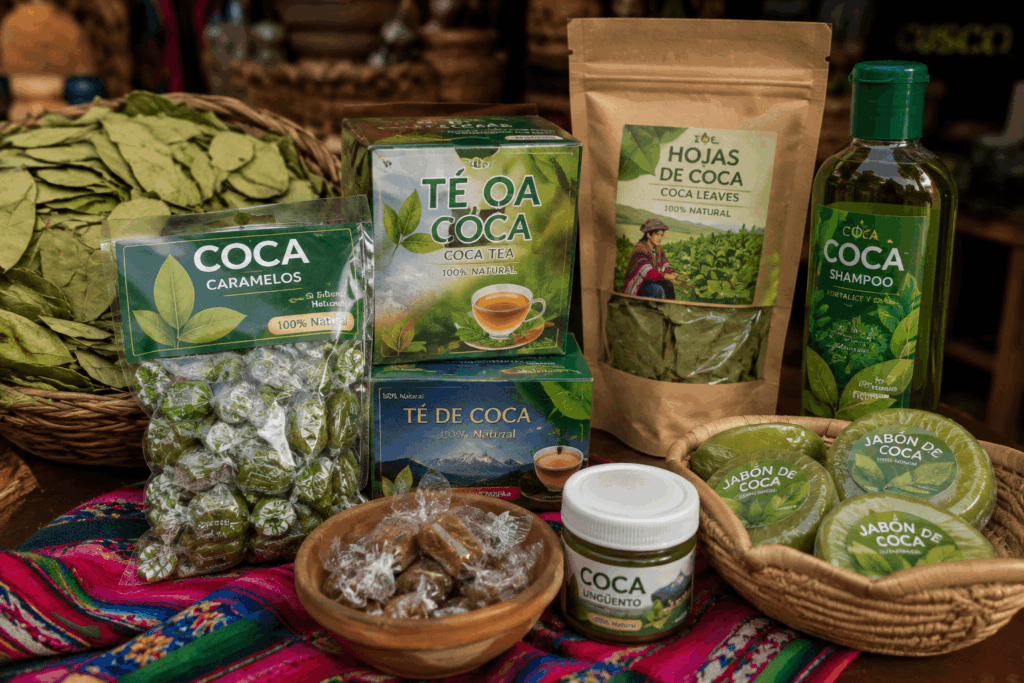
In Peru, coca leaves are commonly used in all sorts of interesting products you can munch on or sip while exploring this beautiful country. Here are some products containing coca that you might find in Peru…
Drinking of Coca Tea for Altitude Sickness (Mate de Coca)
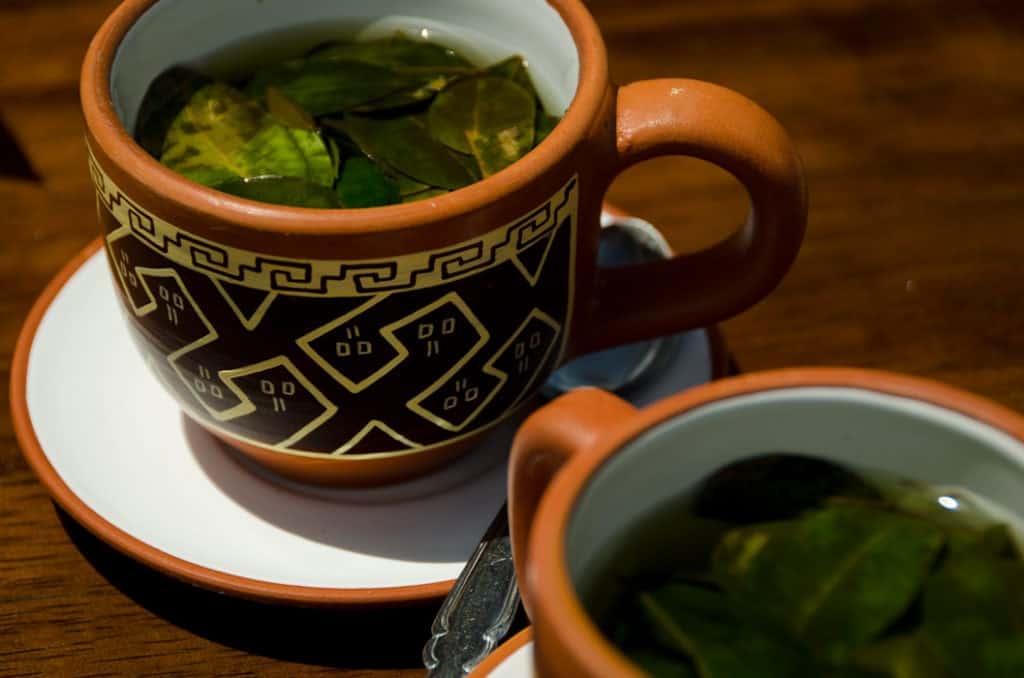
Coca leaves are steeped in hot water to make a tea known as mate de coca. It is widely consumed and often used to combat altitude sickness due to its mild stimulant properties. You can get the coca powder or the dried leaves.
Coca Candies
These are candies made from coca leaves and often flavored with other ingredients like mint or citrus. They are popular souvenirs and are also believed to alleviate altitude sickness.
Coca Chocolates
Some chocolate producers in Peru incorporate coca leaves into their chocolate products, offering a unique twist on traditional chocolate bars.
Coca Energy Drinks
There are some energy drinks on the market that contain extracts from coca leaves, claiming to provide a natural energy boost.
Coca: Cusco’s Altitude Ally and Cultural Companion
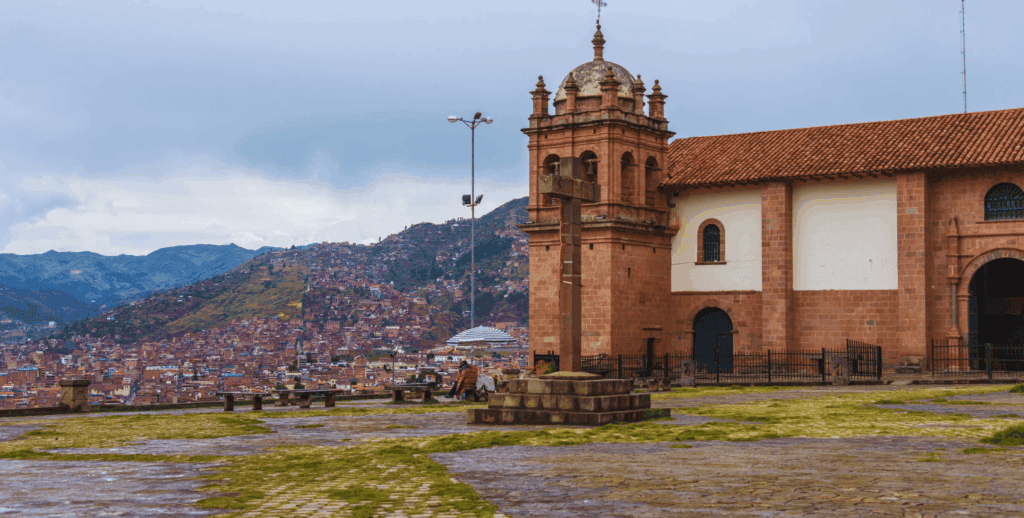
So, can coca-leaf chewing or drinking coca tea help relieve altitude sickness in Peru? While scientific evidence is still limited, centuries of traditional onsumption of coca and countless traveler experiences suggest that coca offers some relief. Many visitors swear by its ability to ease the discomfort of high altitudes.
Learning about the history of coca also provides valuable insight into Andean culture. For thousands of years, coca cultivation and coca crops have been an essential part of life for Indigenous communities, serving cultural, medicinal, and spiritual purposes.
Today, coca production for traditional and legal uses continues in Peru under government regulation, reflecting the plant’s enduring importance beyond the misconceptions often associated with it.
If you visit Peru, don’t hesitate to try the chewing of coca, or a cup of mate de coca. While these green leaves are not a guaranteed cure for altitude sickness, experiencing this ancient tradition is a fascinating way to connect with Peru’s rich cultural heritage while exploring its breathtaking mountain landscapes.
If you are keen on delving deeper into Andean culture and contemplating a trek to Machu Picchu or any other majestic peaks of the Andes, don’t hesitate to drop us a message or look for more travel inspiration.
Additionally, feel free to explore our other captivating blog posts on Peruvian street food, Andean corn, tubers, potato varieties and fruits for a truly immersive cultural experience!