Peruvian Amazon & Andes: Traditional Healing & List of Medicinal Plants in Peru
Apus Peru > Culture & Festivals > Peruvian Amazon & Andes: Traditional Healing & List of Medicinal Plants in Peru
In the heart of South America lies a treasure trove of natural remedies that has fascinated explorers, scientists, and healers for centuries. Peru, with its rich variety of plants, is home to many medicines used by the native peoples to treat illnesses and promote health.
Let’s take a journey to uncover the fascinating world of local medicinal plants in the Andes and the Amazon.
List of the Most Popular Peruvian Medicinal Plants
Peru is home to an incredible variety of medicinal plants that have been used for centuries in traditional Andean and Amazonian medicine. Below is a list of some of the most popular traditional medicinal plants from the Peruvian Amazon and Andes, along with their well-known medicinal uses and potential health benefits.
Coca Leaves for Altitude Sickness
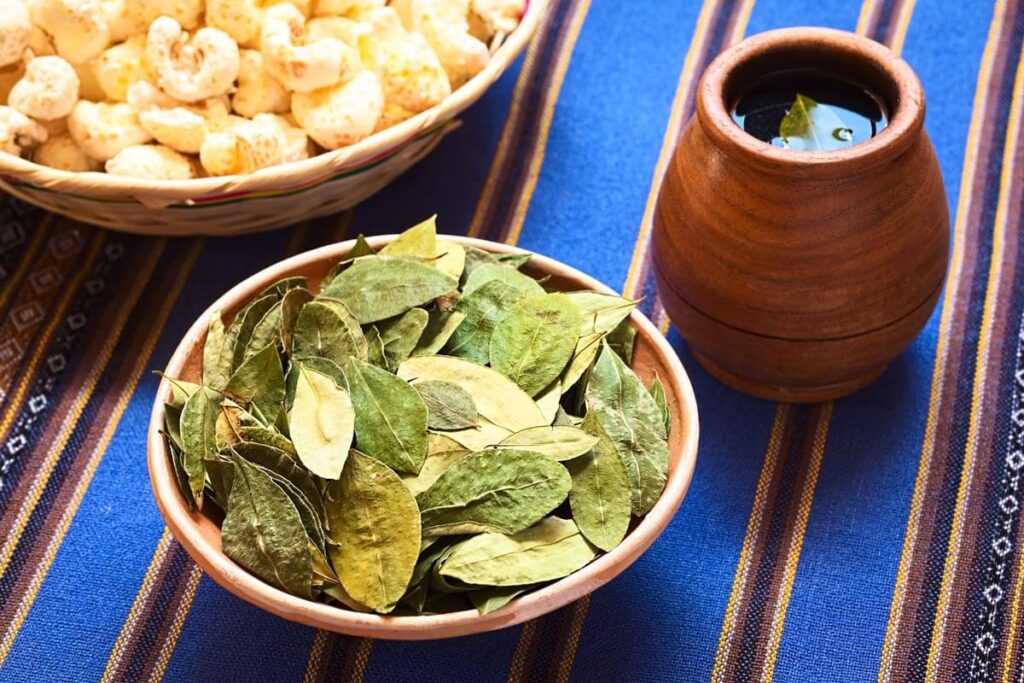
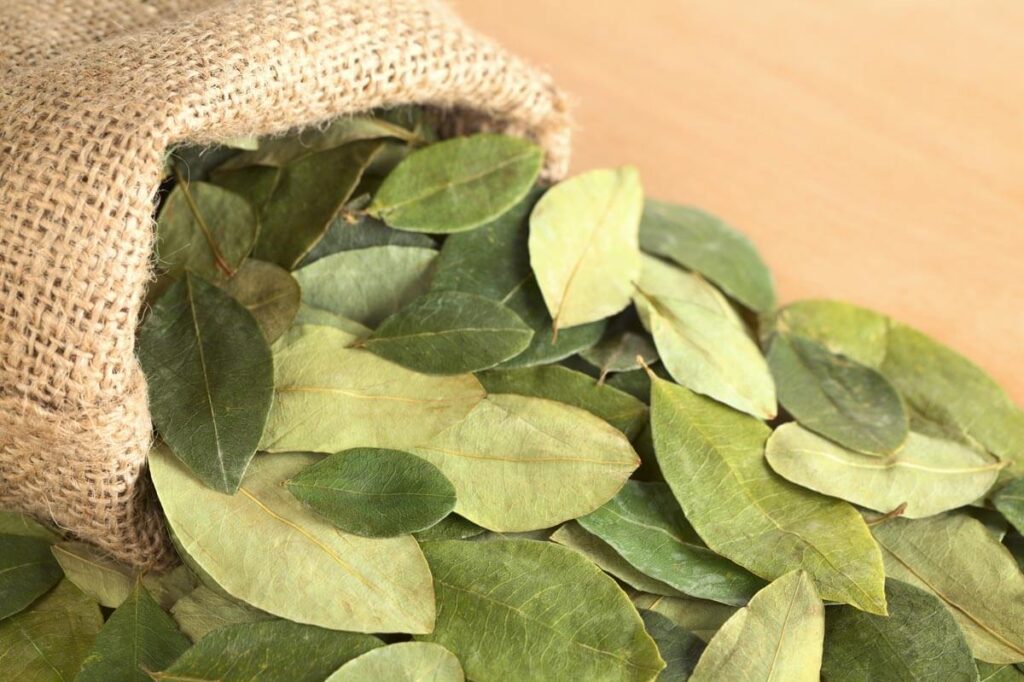
Coca, a traditional crop of the Andean Mountains, has roots that trace back to pre-Colombian times. Today, it remains a staple, often consumed as a tea or chewed. This plant species is believed to aid in acclimatization and boost energy levels.
In towns like Cusco, it’s common to enjoy a mate de coca after meals, as it is believed to aid digestion. This ancient practice continues to thrive, connecting modern-day Peru with its rich cultural heritage. Read more about coca leaves in our blog post.
In Peruvian communities, it is common to chew coca leaves for hours while working or hiking. After several years of living in Cusco, coca leaves have become an essential part of my own hikes. I’ve grown to enjoy the taste, and I find they provide a gentle, natural energy boost thanks to their naturally occurring alkaloids – a healthier alternative to drinking too much coffee.
If chewing the leaves isn’t for you, coca candies are a popular alternative. Just keep in mind that bringing coca leaves or coca products, including coca candies, into countries such as the United States and many European nations is generally prohibited.
You can learn more about the Coca Leaf and its medicinal purposes in the Coca Museum in Cusco, located right at the Plaza of San Blas.
Muña (Andean Mint)
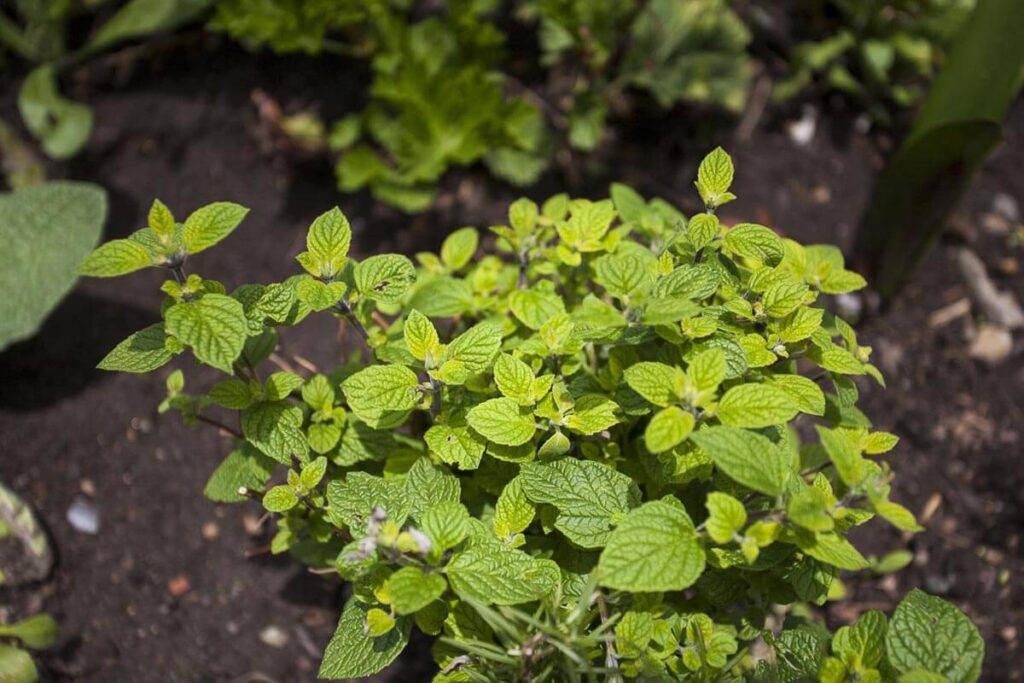
Muña holds a special significance in the Andean culture. The name Muna comes from “Munay” meaning love/feelings of the heart from the Quechua language. Muña is prized not only for its refreshing flavor but also for its medicinal properties. In traditional medicine, it’s renowned for its ability to ease digestive cramps and intestinal ailment.
Muña tea is one of my favorite beverages, especially after enjoying a hearty meal. It’s the perfect antidote to overeating. Fortunately, you can find it freshly available everywhere at local markets for just 1 Peruvian Sol. And if you are lucky enough to go on a hike in the Cusco area, keep an eye out for wild muña herbs, particularly abundant in the Saqsayhuaman area. (though we would not recommend this!)
Ruda
Ruda, also known as Rue, is a herbaceous plant that grows in the Mediterranean region. However, it is widely cultivated and still used in various cultures around the world, including Peru and Bolivia. It’s characterized by its small, yellow flowers and distinct, aromatic leaves – and they smell AMAZING!
In Peruvian folk medicine, ruda has a long history of use for its purported medicinal properties. It’s believed to have anti-inflammatory, antispasmodic, and digestive benefits. Traditionally, ruda has been used to cure menstrual cramps, reduce fever, and improve digestion.
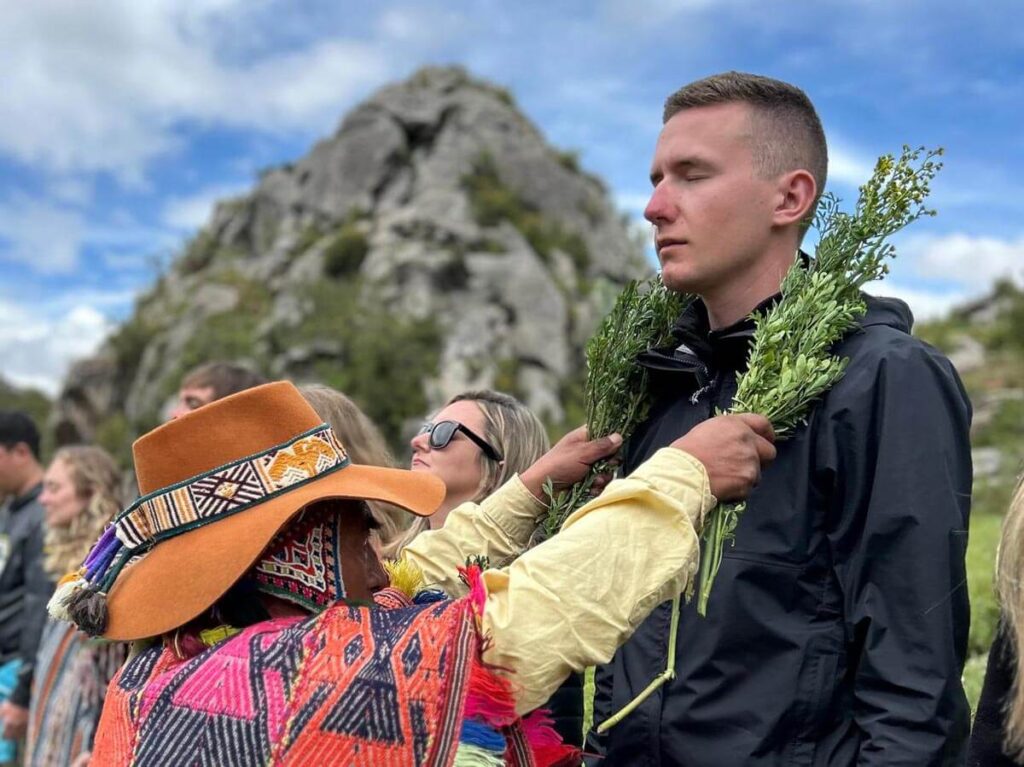
Some also believe it has properties that can ward off negative energy or bad luck, leading to its use in spiritual and cleansing rituals. You will notice this when walking around Cusco city: very often, you can find a bucket with Ruda herbs at the entrance, used to protect the house from bad spirits.
Uña de Gato (Common Name: Cat’s Claw)
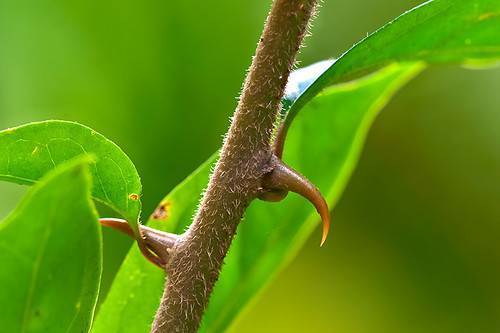
Cat’s claw (uña de gato) is a medicinal vine native to the Amazon rainforest, especially found in Peru. Its name comes from the small curved thorns on the plant that resemble a cat’s claws. The most commonly used species is Uncaria tomentosa.
Traditionally used in Amazonian medicine, cat’s claw is prepared as a tea, extract, or supplement from the bark and roots. It is known for its potential anti-inflammatory and immune-supporting properties, and it has long been used in traditional remedies to support general health and wellbeing.
Huacatay
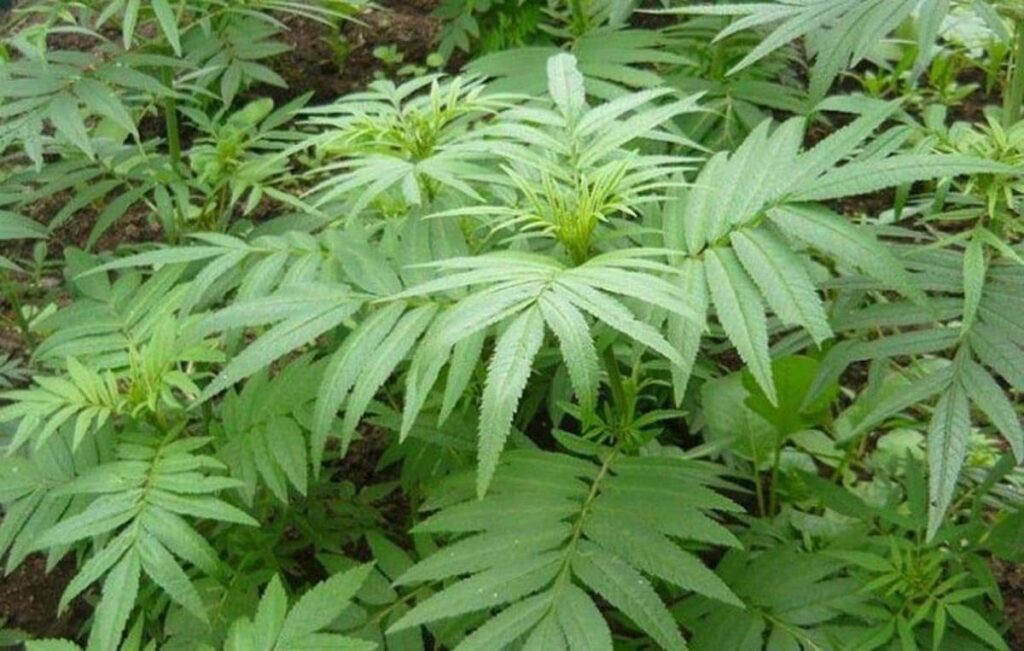
Huacatay, also known as Tagetes minuta, boasts a variety of local names including Peruvian black mint. This aromatic herb, often referred to as wild mint or southern marigold, is a herb with its home in the Peruvian Andes.
In Peruvian culinary traditions, huacatay is prized for its distinct flavor, reminiscent of a mix between mint and basil with a hint of citrus. It adds a unique depth to dishes, particularly in marinades, stews, and sauces like the famous “ocopa” or “huacatay sauce.” Beyond its culinary uses, this plant is used to aid in digestion and alleviate stomach discomfort.
Maca
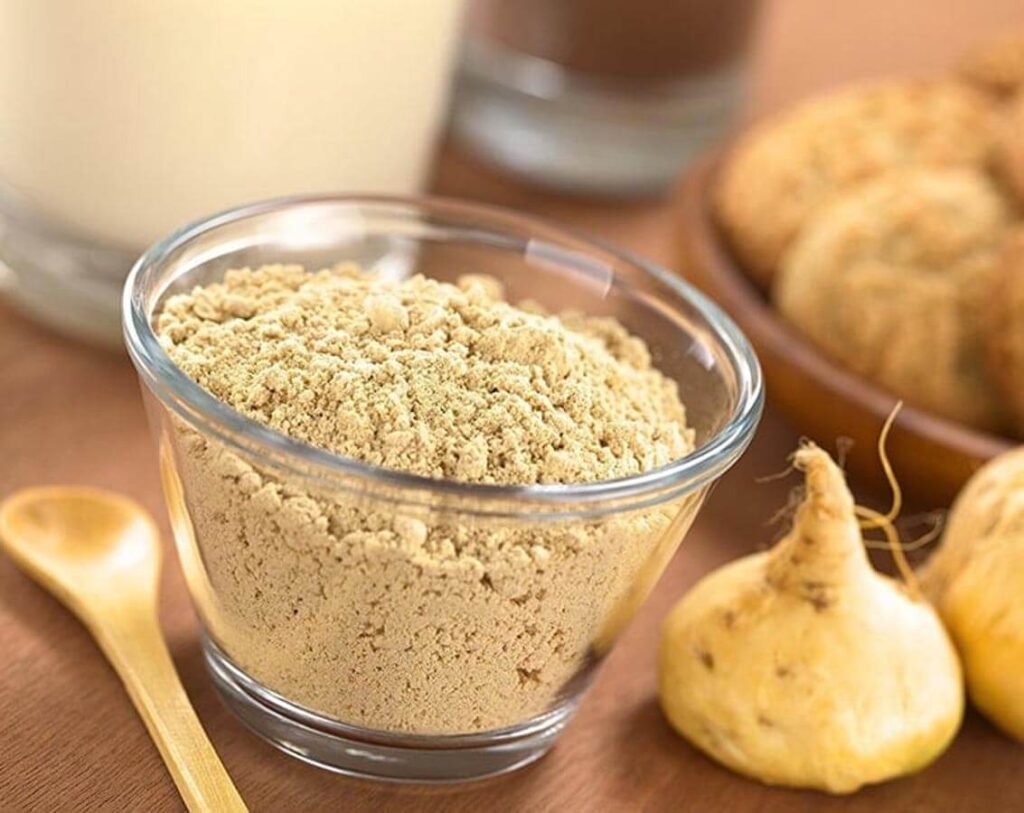
Maca, scientifically termed Lepidium meyenii, is a root indigenous to the Peruvian mountains, often likened to “Peruvian Ginseng” for its medicinal benefits. Known for its energizing properties, maca is celebrated for alleviating anemia, depression, and chronic fatigue syndrome. Its aphrodisiac qualities enhance fertility and libido in both genders, while also improving memory and cognitive function. It is a well-known and widely used plant.
Maca root can be brewed into drinks, ground into powder for smoothies, or baked and roasted for consumption, showcasing its versatility in various culinary applications. One of my favorite grab-and-go breakfast options is a hot maca drink, sold by locals in plastic bags for convenient sipping! Learn more about Andean tubers and roots in our blog post.
Sacha Inchi
Sacha Inchi, known as “mountain peanut” in Quechua, is a tree indigenous to the Peruvian Amazon. Its seeds, consumed raw or as extra virgin oil, boast exceptionally high levels of Omega 3, 6, and 9 fatty acids, surpassing even fish oil.
Rich in vitamins A and E, as well as amino acids, Sacha Inchi is used to treat the regulation of blood pressure, prevents certain cancers, balances hormones, improves cardiovascular health, and reduces bad cholesterol.
Amazonian Plant Ayahuasca
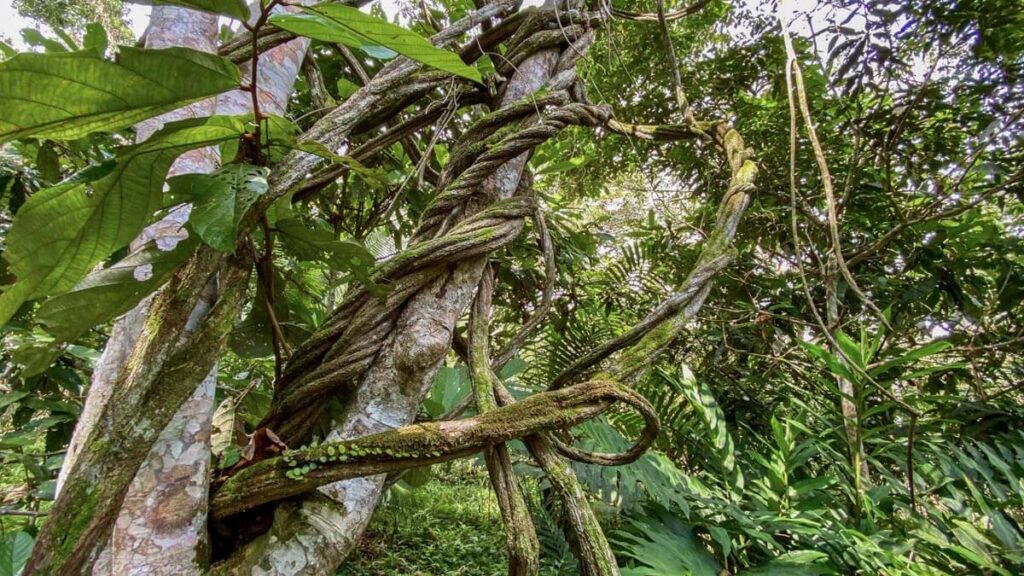
Ayahuasca, scientifically known as Banisteriopsis caapi, is a sacred plant medicine native to the Peruvian and Brazilian Amazon. For generations, Indigenous communities have used it in spiritual and healing ceremonies led by experienced shamans. During these ceremonies, participants drink a traditional brew that can induce vivid visions, deep introspection, and a heightened sense of spiritual awareness. In recent years, researchers have also explored its potential therapeutic benefits for conditions such as depression and PTSD.
Having participated in several Ayahuasca ceremonies myself, I have experienced its remarkable ability to bring hidden fears, emotions, and past experiences to the surface, offering a new perspective and deeper self-understanding. If you are considering an Ayahuasca retreat, it is essential to choose a reputable center that works with experienced Shipibo shamans.
Unfortunately, the growing popularity of Ayahuasca has also led to operators who prioritize profit over safety and lack the knowledge needed to guide participants through this powerful and deeply personal experience. Therefore we would strongly urge caution and doing your research properly.
Cacao Beans
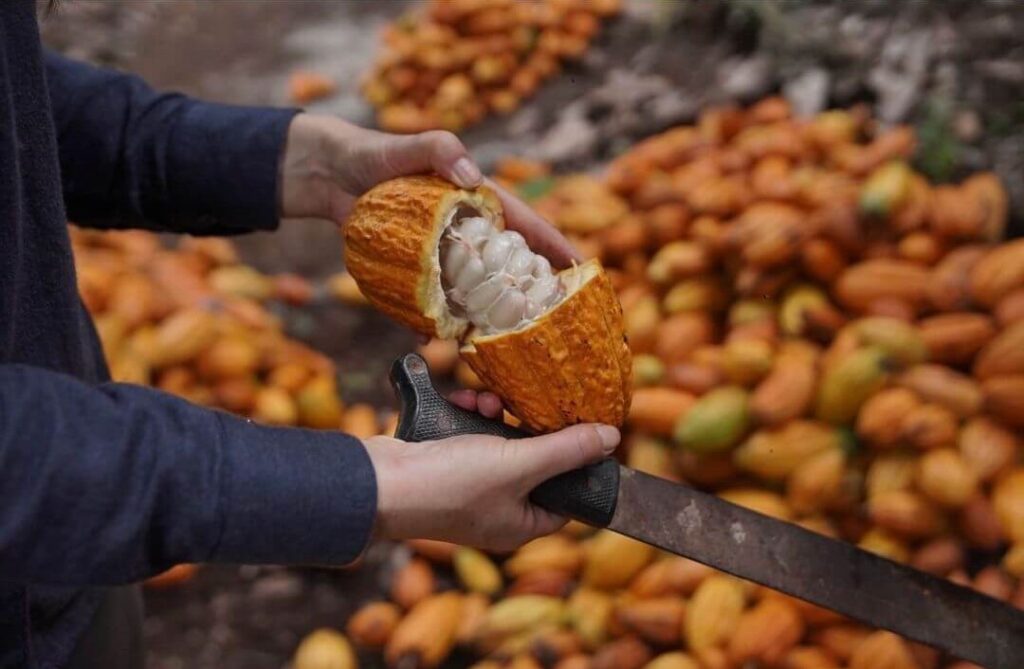
Cacao, the soul of chocolate, finds its origins in the Americas, thriving in Peru’s lush Amazon regions like Quillabamba, San Martin, and Madre de Dios. A genuine Peruvian chocolate bar makes for a perfect souvenir.
Cacao has been valued as both a food and a medicinal plant in the Amazon for centuries. Rich in antioxidants, magnesium, and flavonoids, raw cacao may support heart health, improve circulation, and help reduce inflammation. It also contains natural compounds that can boost mood and energy by stimulating the release of serotonin and endorphins.
Today, cacao continues to be enjoyed not only for its nutritional benefits but also for its role in traditional medicine and wellness practices.
You can learn more about the magical cacao bean at any one of the Choco Museos in Cusco, the Sacred Valley or Lima – here is a greatreview about the Choco Museo in Cusco.
Achiote
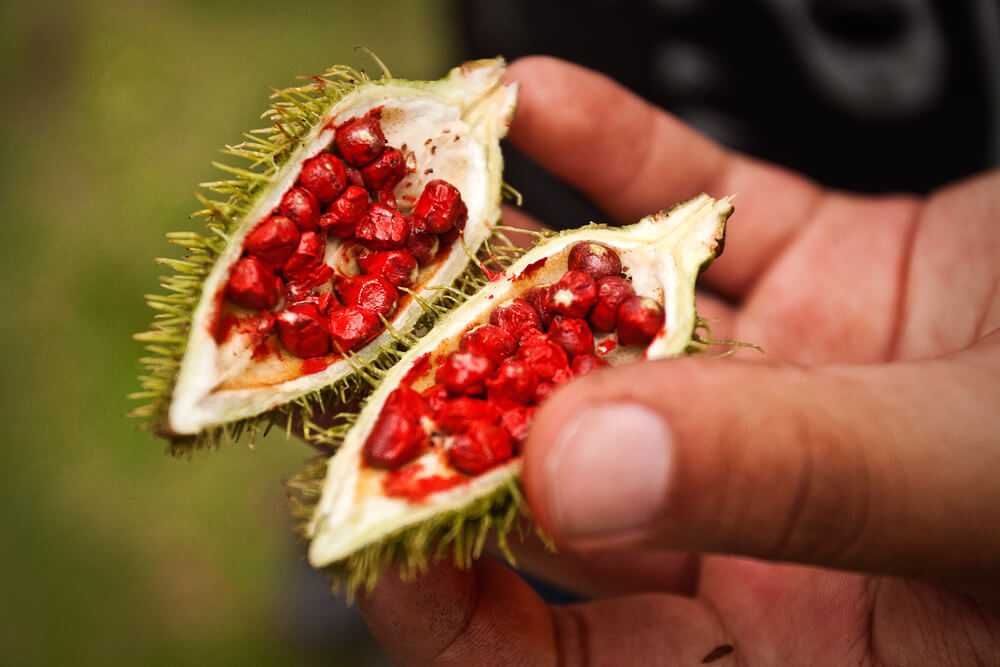
Achiote, scientifically known as Bixa orellana, is a small tree native to the Amazon and coastal regions of Peru that has been cultivated since ancient times. While it is best known for its bright red seeds, which are widely used as a natural food coloring and spice, achiote has also long been used for medicinal purposes.
Its seeds and pulp have been used to support digestion and have traditionally been used to treat ailments such as asthma and malaria. Tea prepared from the seeds or fruit is commonly consumed to help relieve headaches. The leaves are believed to have anti-inflammatory and antibacterial properties and have traditionally been used to ease respiratory problems, sore throats, fever, skin infections, diarrhea, vomiting, and conjunctivitis.
Some studies have also investigated the plant’s potential role in supporting prostate health, although further research is needed to confirm these effects.
Peruvian Coffee
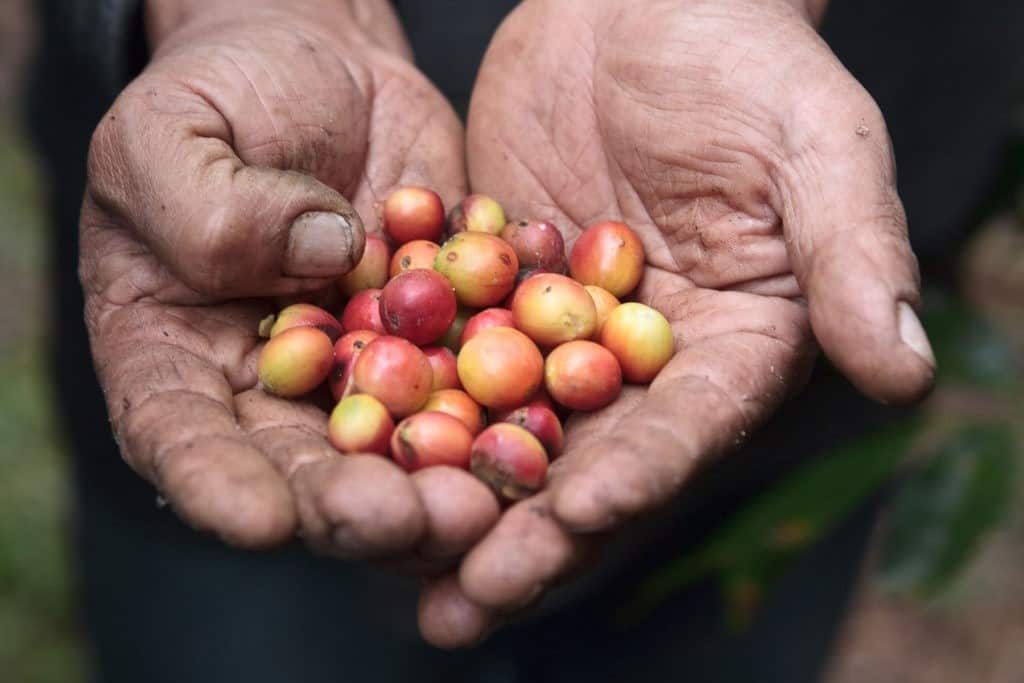
Although coffee is not native to Peru – it originated in Ethiopia and was introduced to South America centuries ago – it has become one of the country’s most important agricultural crops. Today, coffee is grown in Peru’s Andean and Amazon regions, where the unique climate and high elevations produce beans of exceptional quality.
Beyond being one of the world’s most popular beverages, coffee has long been valued for its medicinal properties. Thanks to its natural caffeine content and high levels of antioxidants, coffee can help improve alertness, boost energy, enhance concentration, and support physical performance.
Moderate coffee consumption has also been linked to a lower risk of certain chronic diseases, including type 2 diabetes and Parkinson’s disease. In traditional medicine, coffee has been used to relieve fatigue, stimulate digestion, and help ease headaches.
Peruvian coffee beans flourish in the high-altitude regions of the Amazon and eastern Andean slopes, where the main harvest season generally runs from May to September. Altitude plays a key role in shaping both the harvest timing and the distinctive flavor profiles of Peruvian coffee, contributing to the rich aromas and balanced acidity for which it is renowned.
Discovering Medicinal Plants of Peru & its Traditional Use
Many of these Peruvian plants from the Amazon and the mountains have been used in traditional medicine for centuries, reflecting the deep knowledge of medicinal plants passed down through generations. The Amazon rainforest, often called the “lungs of the Earth,” is not only one of the world’s most important ecosystems but also a rich source of medicinal flora used in Peru to treat everything from fevers to digestive ailments.
Today, some of this traditional knowledge about herbal medicine continue to attract interest from modern medicine, which studies their potential healing properties and benefits.
In the Andes of Peru, Indigenous Quechua and Aymara communities have long relied on medicinal plant use such as coca and muña for their stimulating and healing properties. During your visit to Peru, be sure to explore the local markets, where you can discover fresh medicinal herbs, exotic fruits,potatoes and corn.
Do you want to learn more about ethnobotany, and the Peruvian fauna? Check out the Museum of Natural History in Lima, which was founded to collect and conserve organisms and samples of Peru’s natural heritage. It’s definitely worth a visit to learn more about the traditional use of medicinal plants and the flora of Peru!
If you’re ready to experience Peru’s flavors firsthand, get in touch with us! We’d be happy to help you plan a culinary Peru trip, including food tours, cooking classes, local markets, and visits to some of the country’s best destinations. Let us help you create a trip that’s as unforgettable!
🏔️ Lares Trek to Machu Picchu
Looking for a more off-the-beaten-path way to reach Machu Picchu? The Lares Trek takes you through remote Andean valleys, high mountain passes, traditional Quechua communities, and breathtaking landscapes.
What makes this trek so special is the connection with local life. Along the way, you’ll encounter communities where traditional weaving, farming, and Andean culture are still part of everyday life.
After days of trekking through the mountains, the journey continues toward the ultimate highlight: Machu Picchu. A beautiful combination of adventure, culture, and unforgettable scenery. 🇵🇪✨
#larestrek #machupicchutravel #apusperu #trek #perunature
🌆 Discover Lima beyond the usual!
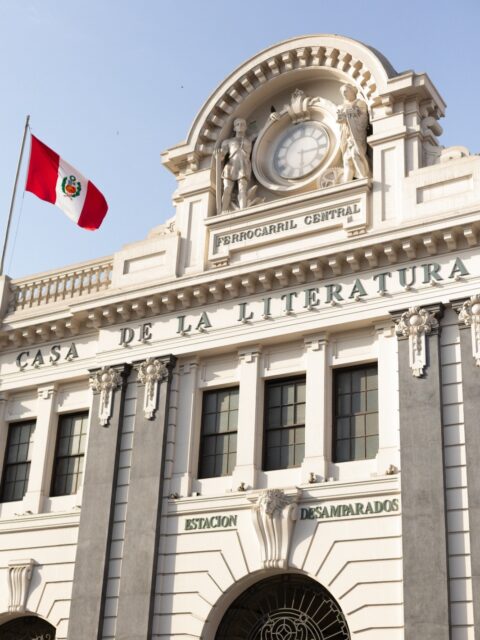
Lima is a city best explored on foot. You can visit the historic streets of the city center, explore colorful neighborhoods, local markets, beautiful architecture, and some hidden corners!
And there’s so much more to discover beyond the classic sights. Explore local food, culture, history, and everyday life while getting to know the many sides of Peru’s vibrant capital. 🇵🇪✨
#limaperú #apusperu #limacity #visitperu #southamericatrip
🏔️ The Ausangate Trek is unlike any other!
Trekking around Ausangate Mountain means stepping into some of the most spectacular and remote landscapes in the Peruvian Andes. From colorful mountains and turquoise lagoons to vast valleys, glaciers, and traditional Andean communities, every day brings a completely different view!!
#ausangate #apusperu #andesmountains #trekkinglover
The people who make our journeys possible are often the ones we see the least.
They carry the equipment, prepare the meals and work behind the scenes so thousands of travellers can experience the Inca Trail.
The recent death of porter Gabriel Ríos Mamani is a tragic reminder that we need to pay more attention to the working conditions of the people at the heart of tourism.
Choosing a responsible company is about more than a beautiful itinerary or a good price. It means asking who is behind the experience and whether they are treated with the respect, support and protection they deserve.
Travel can have a positive impact – but only if we care about the people who make it possible. #apusperu #responsibletravel
So many things to explore in Lima! Enjoy incredible street food, world-class restaurants, vibrant local markets, fascinating history, colorful neighborhoods, beautiful coastal views, and an exciting culinary scene. Let Apus Peru help you experience the very best of Peru’s capital! 🌊🍽️🇵🇪
#apusperu #lima #citylovers #visitperu
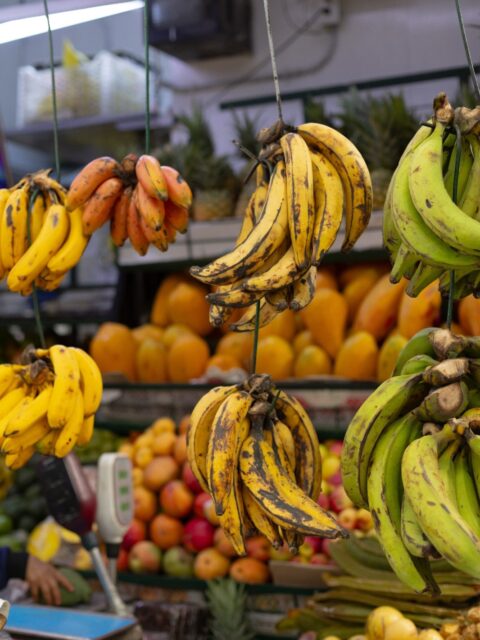
Discover the vibrant local markets of Peru – one of the best places to experience the country’s incredible food, fresh produce, and everyday culture. From exotic fruits to traditional dishes, there’s so much to explore! Planning a foodie adventure? Reach out to Apus Peru and we’ll help you create the perfect culinary tour. 🌽🍍🥑
#apusperu #culinarytravel #foodlovers #perufood
The journey to Machu Picchu begins with a scenic train ride through the Sacred Valley. At Apus Peru, we take care of all the details, from train tickets to your complete itinerary, so you can simply enjoy the adventure. 🚆🏔️
#apusperu #machupiccu #trekkingperu
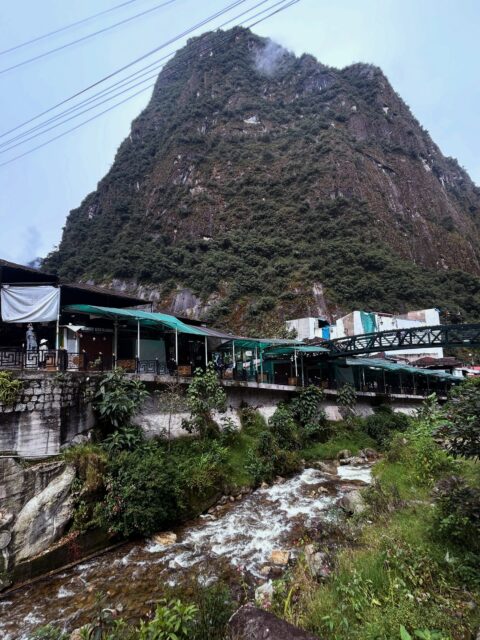
Tucked away in the Urubamba Valley, Aguas Calientes is the perfect place to unwind before or after exploring Machu Picchu. ✨
Leave us a message if you want to plan your trip to Machu Picchu!
#machupicchu #visitperu #apusperu
When you book with an account, you will be able to track your payment status, track the confirmation and you can also rate the tour after you finished the tour.
We use cookies to ensure that we give you the best experience on our website. If you continue to use this site we will assume that you are happy with it.