If you’re wondering when the best time to hike the Inca trail is or trek in Peru, you’ve come to the right place! On this page, we give you detailed information about the weather in Peru and how that affects hiking in Cusco or visiting other parts of the country. We also cover the Wet Season in Peru. The rainy season in Peru can have a big impact on the trekking available in the area around Cusco and especially the Inca trail rainy season – as its closed in February for this reason.
If you are planning to hike the Inca trail then you will also want to consider what’s the best time to visit Machu Picchu and Cusco, as they are ‘must see’ attractions in the Cusco area.
Some questions most people want to know when planning a trip to Peru:
- When is the best time to hike the Inca Trail?
- What’s the best time to visit Machu Picchu?
- When is the best time to visit Cusco Peru?
What is the best time to Hike the Inca trail?
So you want to know, “What is the best time to hike the Inca trail?” In short, there is no one answer – there are pros and cons to hiking during both wet and dry seasons. Dry season offers more route options and more comfortable, less risky hiking conditions. However, as it is peak season, tourist traffic is heavy both in places like Cusco and the Sacred Valley and on the mountain trails.
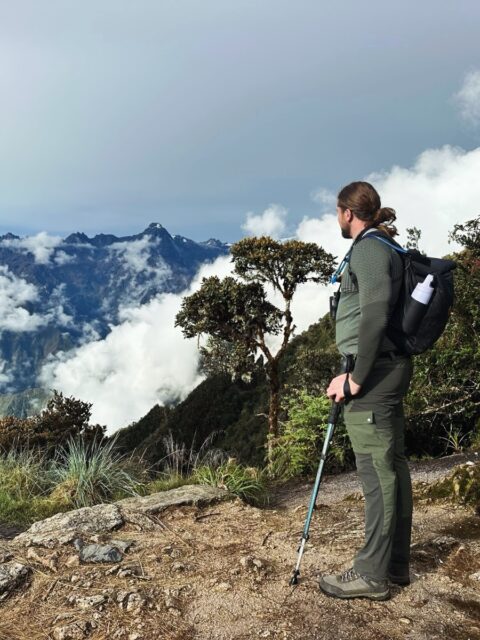
The best time to hike the Inca trail is considered from May through to August when the days should be bright and sunshiny, and the nights cold. In addition, with good visibility you should be able to enjoy crisp views of snow-capped mountains in the distance and warmth while you are hiking. By early September expect some rain showers, with more rain coming in the shoulder months of October and November.
Sign up for our Inca Trail newsletter and get all the info!
Of course, with the best time of year to trek the Inca trail considered May through August (which coincides with holidays in the summer hemisphere) you will also find that Inca trail permits have sold out many months in advance – in fact, pre-Covid you needed to book up to 6-8 months in advance for high season dates. We assume that once tourism gets back on its feet the Inca trail will be as popular as ever!
Inca trail permit dates that typically book out quickly are those around Easter and Corpus Christi (May/June) which are both movable dates from year to year. Dates that are not movable but also sell out well before the others are those around the solstices – 21 June, and 21 December, with the other popular dates around Inti Raymi (24 June) and Christmas and New Year’s!
Yes, that’s right, even though Christmas and New Year are in the heart of the wet season in the Andes, there are plenty of people who choose to escape the Northern Hemisphere winter and trek in Peru in this period. I mean: imagine visiting Machu Picchu on New Year’s Day – that would be pretty special! In addition to that, there are some charming Christmas celebrations around Cusco, including the Santikurakay market described at Christmas in Peru.
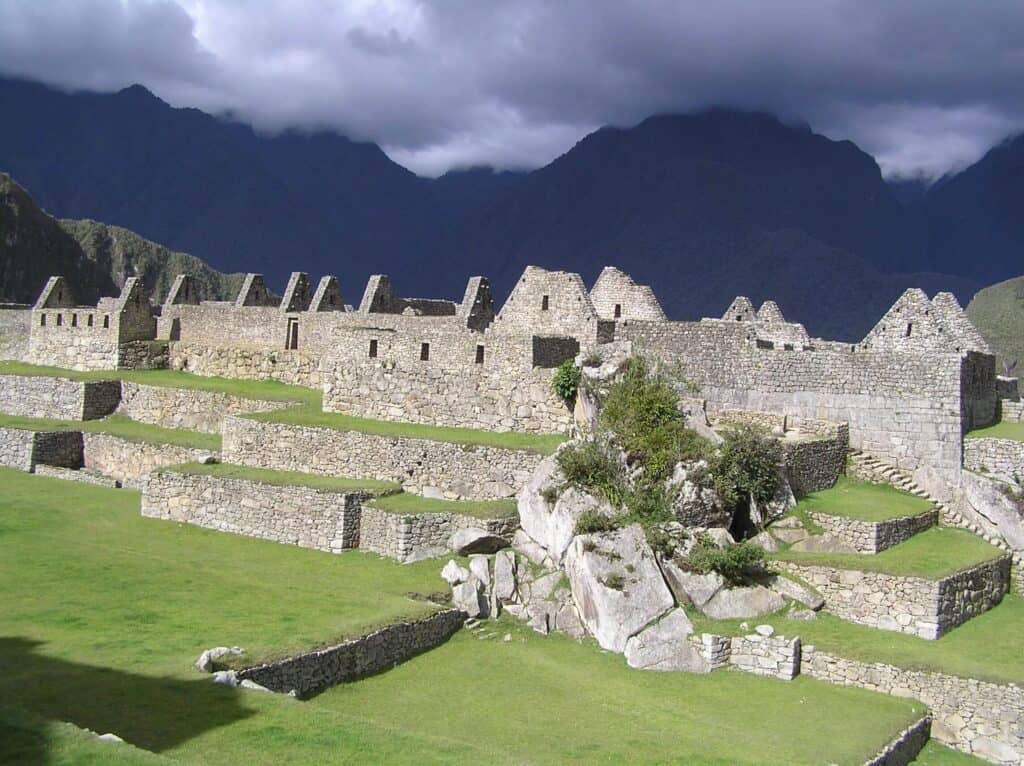
So what’s the Inca trail best time to hike?
In our opinion the shoulder months of April, September and October are the best months to hike the Inca trail as you get the best of both worlds – that is, not so crowded conditions in the towns and hopefully not too much rain.
April, early May and September are just either side of high season, meaning that the city and the trails are not yet likely to be overrun with tourists and hikers. As the seasons are beginning to change, they are also the two months with some of the best weather.
If I were to make a pick, I’d say late April is the very best time of year to hike the Inca trail as the mountains are green, whereas at the end of summer they are a pale yellow or brown colour. Of course you’d want to avoid Easter as sometimes it falls at the end of April.
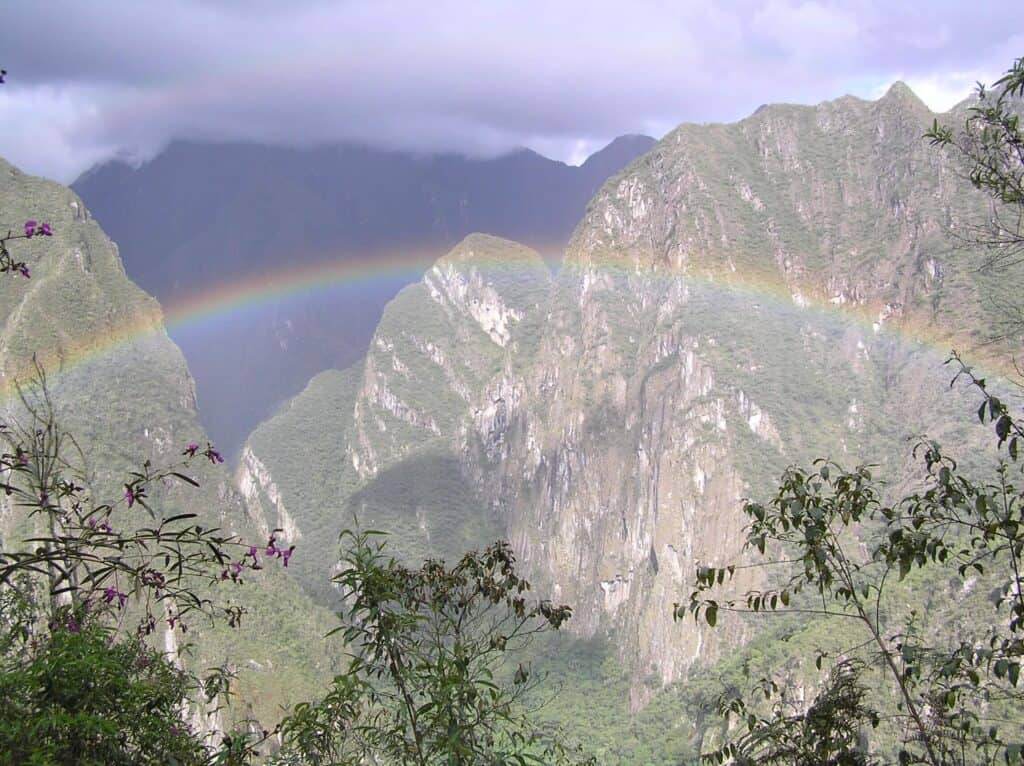
Average daytime /night-time and rainfall for the Inca trail and Cusco
To give you a bit of primer about best times of year to trek the Inca Trail
January weather – Inca trail
Daily high temperatures are around 19°C/66 F Daily low temperatures are around 7°C/45 F. Expect 18 rainy days which brings a whopping 145 mm of rain, or 5.7 inches. Remember that mostly the rain falls every day in January, though there are beautiful bursts of sunshine when it can feel hot and humid.
May – Inca trail
Daily high temperatures are around 19°C, Daily low temperatures are around. 2°C, rarely falling below -1°C . Rain hardly registers in the rain gauge, maybe 2 days of rain with maybe 5 mm/ .3 inch of rain.
August – Inca trail
Daily high temperatures are around 18°C, Daily low temperatures 1°C to 3°C, rarely falling below -2°C. The rain is the same as what May has, in general.
October – Inca trail
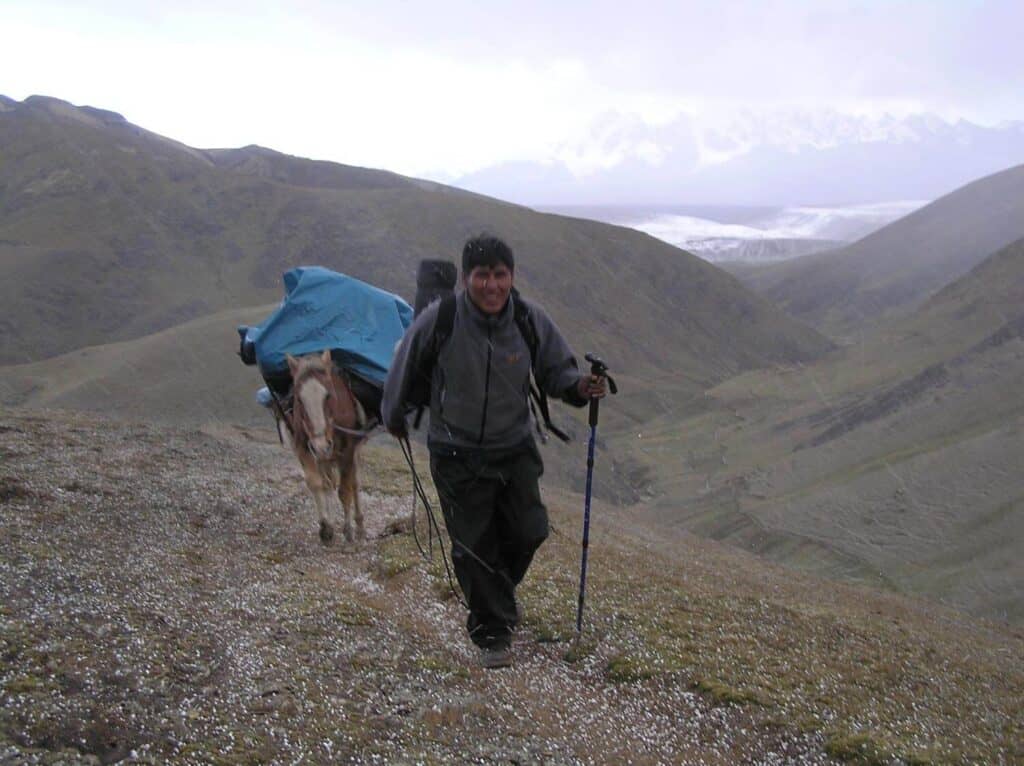
Daily high temperatures are around 20°C; daily low temperatures are around from 5°C to 6°C. Rain is about 40mm or 1.6 inches in the month with plenty of fine days.
When to hike the Inca trail – month by month
A note- the weather, like all places in the world is uncontrollable, but this is a pretty accurate guide of what each month offers for hiking the Inca trail.
January
January is the wettest month in the Andes, so you would expect heavy downfalls each day. While the downfalls can come in the form of hail, or even snow and sleet at high attitudes, there is a tropical pattern to them, they build up in the afternoons. That said, once the rush of the New Year is over, trekking on the Inca trail is less crowded than other times of year. Be aware that rock falls can occur, and have caused injury and death in the past.
One advantage of trekking the Inca trail rainy season is that unlike other trails in the Andes, much of the Inca trail is paved, making it solid and relatively dry underfoot. On other trails the path can be slippery or muddy making hiking uncomfortable.
February
February is also an extremely wet month on the Inca trail – for that reason it is closed. You’ll see information saying February is wetter than January, but – hey – it’s wet. By the time February comes around the steep sides of the mountains are loose, and slippery and this is the month considered most dangerous for landslides and rock falls.
Essential maintenance is done on the Inca trail in February! If you can only get vacation time in February then don’t despair – Machu Picchu stays open – and there are other good wet season treks, for example the Lares and Machu Picchu trek.
March
The Inca trail opens for the year in March, and it can be a good time to trek with less daily rain and sunshine. Trails tend to be less crowded and everyone fresh and full of anticipation for the year. A good time to trek in our opinion, unless the rains stick around longer than usual and there is some risk of landslides.
April
The best time of year for Inca trail is April, in our opinion. It should be quite dry and sunny and there are not so many tourists. Check your calendar when booking as Easter can often fall in April.
May
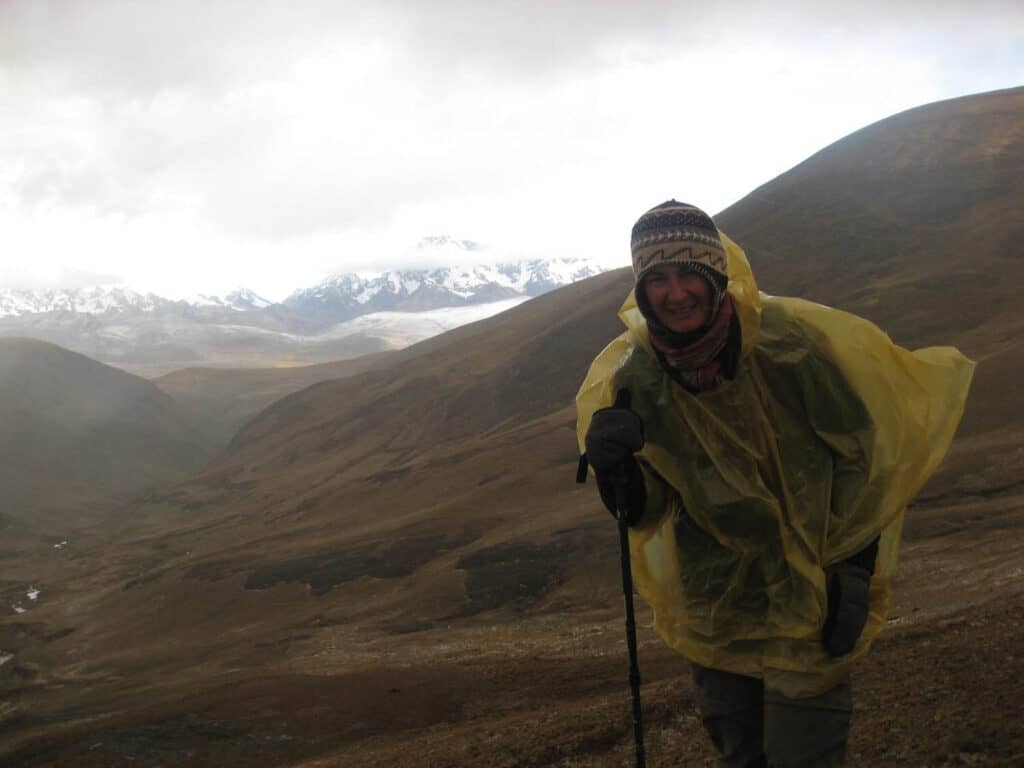
One of the driest months and best time to trek Inca trail is May, particularly early May. If you are fascinated by the mix between Andean traditions and the Christian religions you might want to plan you trip around the Corpus Christi festivities, which are a movable date that also falls in May. The QollorRiti festival dates are the 4 days prior to Corpus Christi and are for hardy travellers with a desire to see something out of this world.
June
Dry during the days, cold at night, June is often described as the best time of year to hike the Inca trail. Not only is the weather good, Inti Raymi, the Festival of the Sun (Inti Raymi) takes place on the 24th June and is typically the busiest time of the year in Cusco
July
Another excellent month to hike the Inca trail– but keep in mind that Peru’s national holiday is at the end of July (28/29 July) is also a busy time for Peruvians to tackle the Inca Trail or visit Machu Picchu by train.
August
The weather in August for the Inca Trail is very similar to June and July, and it is another very popular month to hike the Inca trail. The only downside we can think of is that there are few festivals around Cusco in August, and so you don’t get to experience some of these colourful Peruvian traditions.
September
We think September is amongst the best times of year for Inca trail, with generally dry days and only occasional rain. Nights are slightly warmer than the frosty months of mid-winter and often with the Northern Hemisphere summer over there are fewer people travelling
October
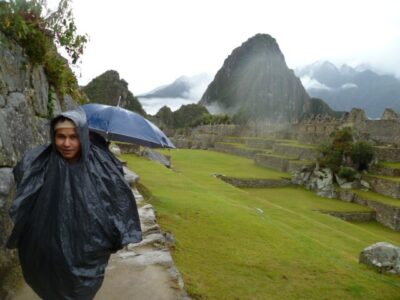
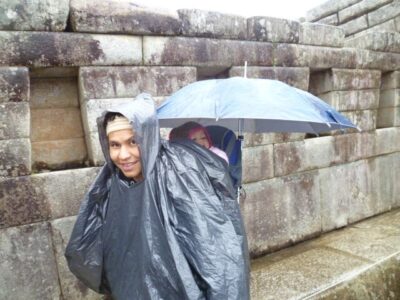
If you choose to trek the Inca trail in October, you should be rewarded by slightly warmer weather, though rain is now possible more frequently. Permits may not sell out as far in advance as the May through August period. One of our favourite things about October is that it is the ‘Mes Morado’, the Purple month and its common to see devotees of the Lord of the Miracles dressed in purple. If you are lucky you might be in either Cusco or Lima on one of the main feast days – it’s worth a look!
November
By November, the rainy season is starting up – sometimes really quickly! However it is possible you could get some good trekking conditions and you are likely to not need to book your Inca Trail pass so far in advance.
December
While December is definitely wet – you can expect about 5 inches of rain (125 mm) during the month – it is also a popular time for vacations – both Peruvians and international travellers alike. It can be very busy around Christmas and New Year’s with these permits selling out far in advance.
Best time to hike in Peru
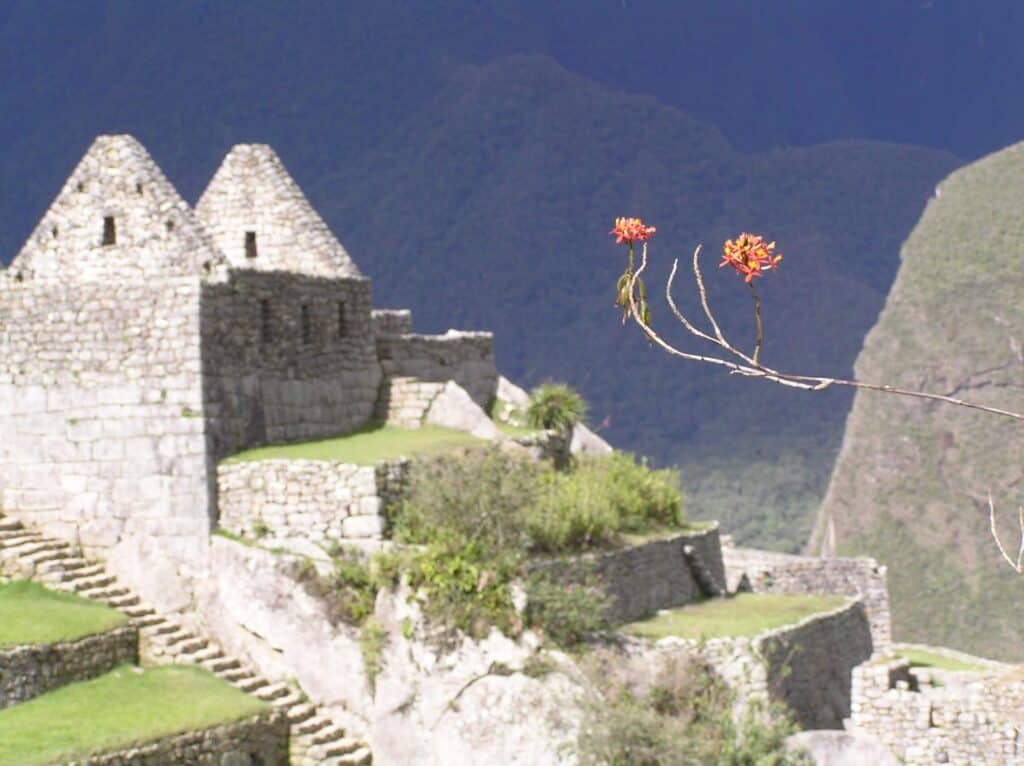
When considering when the best time to travel to Peru, wet season hiking is can actually be quite enjoyable – especially if you come prepared with really good rain gear! The rains turn the mountains into a brilliant green, giving you a whole different perspective on the Andes. Since it is low season, it can be a great time to more fully experience the remoteness of the routes, and enjoy some high Andean solitude.
February is another great month. It is the warmest time of the year, and it is also when Carnival is celebrated in the Andes – a crazy time when strangers attack each other in the streets with water balloons, water guns and foam. It is also the best time to visit Machu Picchu. With the Inca Trail closed, the number of daily visitors to the site is seriously reduced, meaning you get much more quality time communing with Inca history and taking in the gorgeous vistas. The mist that often enshrouds the site at this time of year just increases the site’s ethereal appeal!
Being in the middle of low season means that February is also when tourists have peak bargaining power! Some might consider it the best time to travel to Peru as you can often find some great deals on food and accommodation.
That said; some routes are impossible to hike during the wet season. This is due to the unpredictability of the weather and the trail conditions. On most routes, you are likely to experience mud, rock falls, fog, snow, rising rivers and general slipperiness on the trail. The best wet season treks are the Lares Trek and the Inca Trail.
Peru Trekking in Wet Season vs Dry Season
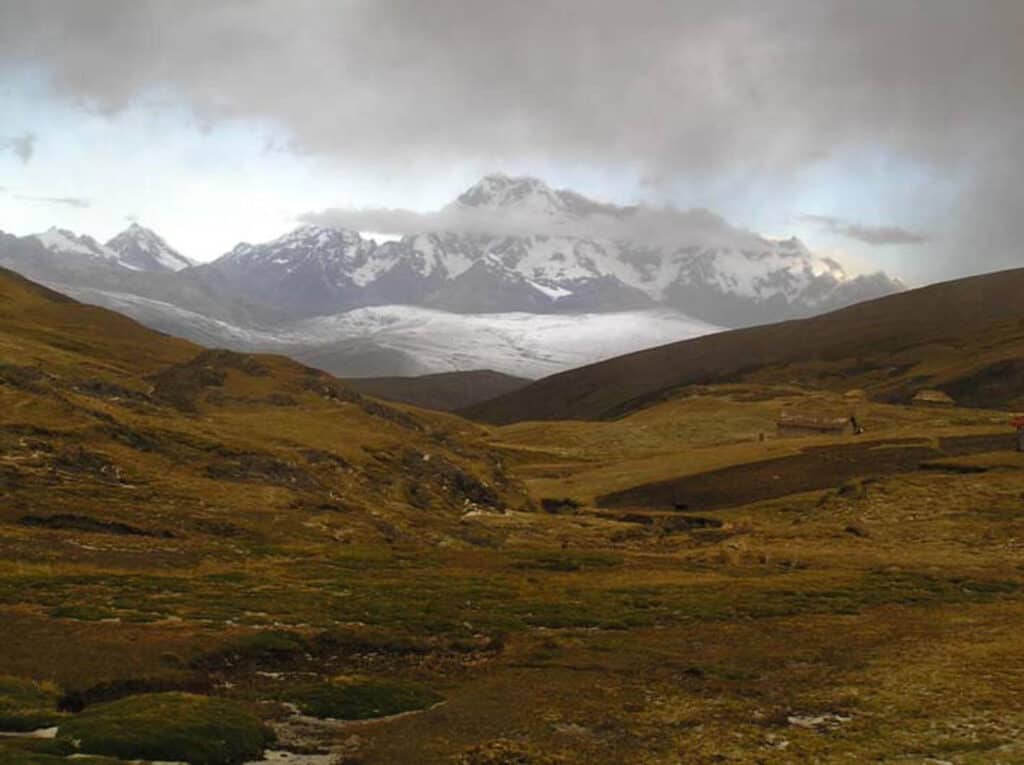
Outside the city, temperatures and conditions can vary from those experienced in town. The Sacred Valley is typically warmer than Cusco, since it is located at a lower elevation, but it is often windier as well. Most trekking routes pass through elevations much higher than Cusco, meaning that temperatures are frequently a few degrees colder. During wet season, when it is raining in Cusco or in the Sacred Valley, you can expect snow at the higher elevations!
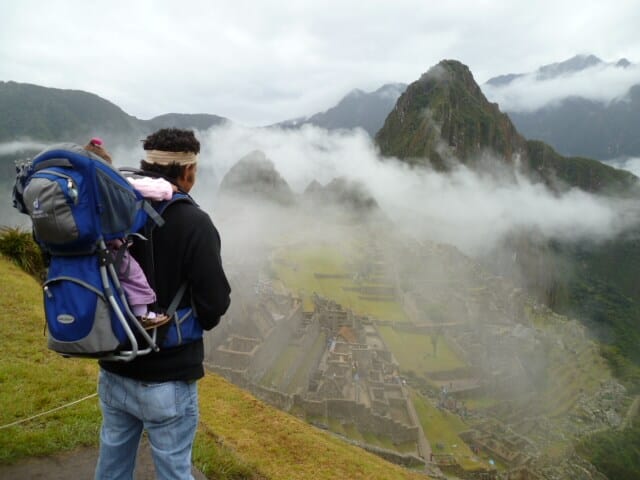
What is the Best Time to visit Peru?
The best times to visit Peru are largely dictated by the weather, so to answer “What is the best times to travel to Peru, we will spend a lot of time discussing Peru weather!
Peru is located in the southern hemisphere, where winter extends roughly from June through August, and summer runs from December through February. The Andes (the area around Cusco and Machu Picchu) experiences two distinct seasons: dry season and wet season. Dry season runs approximately from May through September, and wet season from November through March, with April and October considered “shoulder months” which experience a mixed climate as the seasons start to change.
This is essentially opposite to the weather experienced on the coast, including Lima. On Peru’s coast during the southern summer months, the coast experiences hot temperatures, lots of sun and virtually no precipitation; during the winter, it is cooler, constantly overcast and there are occasional light rain showers.
So, the best time to visit Peru depends a lot on where you want to go, and what you want to do!!! Peru has a colourful and activity filled festival calendar, and that also helps to answer the question, “best time to go Peru?”
Also we should add – Peruvians tend to travel locally during the following holidays:
- Easter
- Fiestas Patrias
- Christmas
These are typically very busy times around Cusco and Machu Picchu!
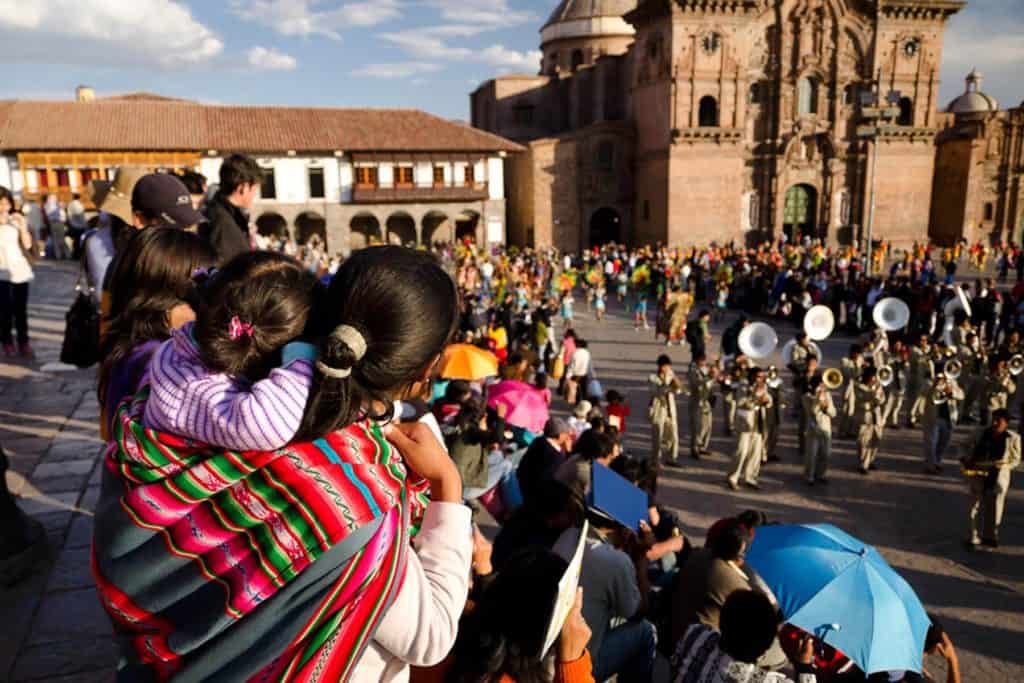
What is the Best time to visit Cusco?
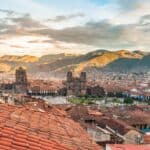
Cusco is located in the heart of the Andes Mountains and so we need to look at the weather in Cusco – and the festival calendar! In my opinion these two elements dictate the best time to go to Cusco!
As the name implies, dry season in the Andes experiences the lowest average rainfalls during the year, and this is what makes it peak tourism season: less rain makes for easier travel in the mountains, both by vehicle and on foot. In Cusco, daytime temperatures during dry season can feel quite warm as the sun is intense, but the nights are extremely cold, frequently dropping below freezing.
The dry season in Cusco starts in late April or May, and it’s one of my favourite times of year. The mountains are still lush and green, but the days are sunny and not too cold. By June the earth begins to dry and become a straw yellow – the nights are freezing cold but the days when you are out in the sunshine can be hot and you can wear shirt sleeves. June in Cusco is the ‘month of Fiestas of Cusco and from early in the month the streets are filled with people dancing – this culminates with a massive city wide party on the 23rd of June when all Cusquenos (Cusco residents) wear red ponchos, and then on the 24th of June a re-enactment of the celebration of Inti Raymi takes place in Sacsayhuaman and the Plaza de Armas.
If you are looking for the best time to visit Cusco definitely consult our Festival calendar, as there are a load of festivals all year round and if you can coordinate your dates to see one – well – you won’t regret it!
During wet season, the temperatures are considerably warmer at night, but the overcast sky and rain showers can make it feel quite chilly. At this time of year, rain is more frequent and can be quite heavy at times; however, rain showers are usually short in duration. More often than not, you can expect an intense shower in the early afternoon or evening almost every day, but the rest of the day may experience sunny breaks.
‘In Cusco city, especially the old cobblestone streets with poor guttering systems the streets can run full of water in a downpour and you’ll have to be careful not to get your feet wet!
We have loads more information on the best time to visit Cusco
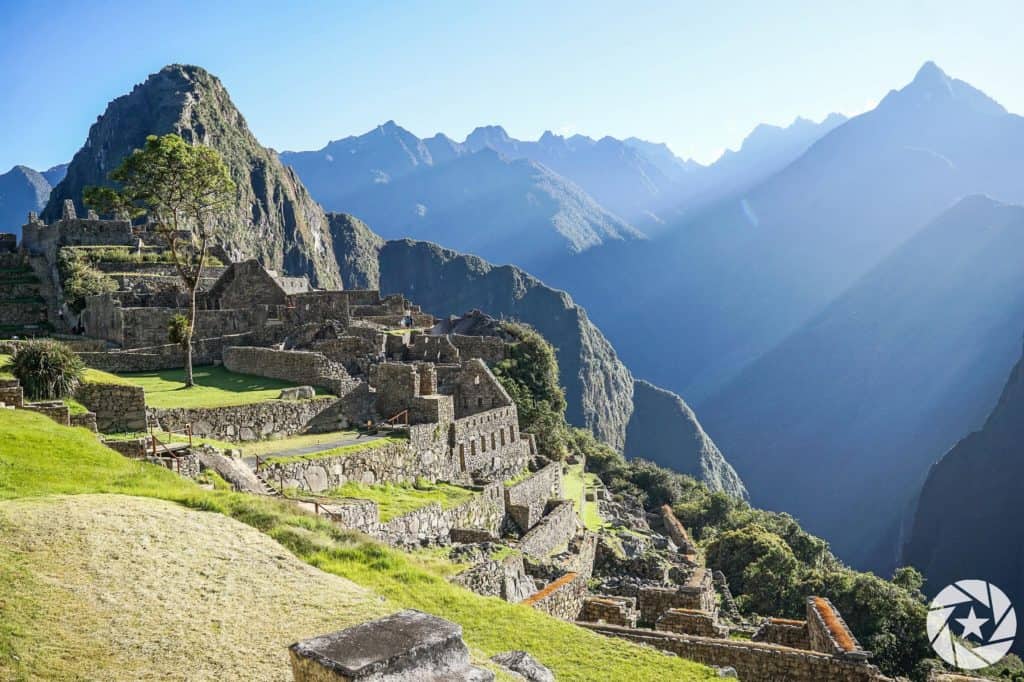
Best Time to Visit Machu Picchu/ hike Machu Picchu
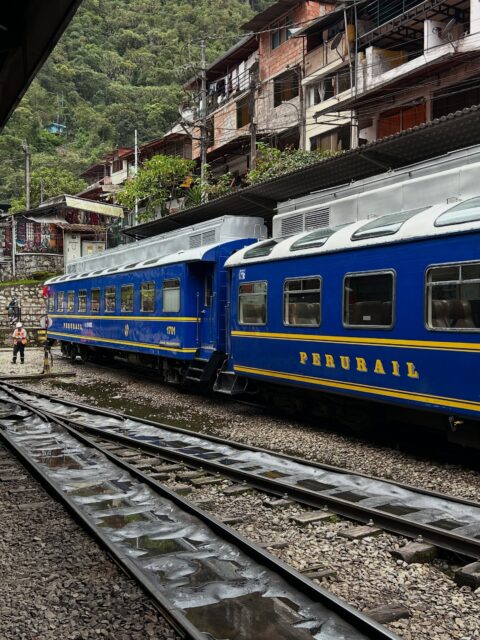
For most people, the best time to travel to Peru will coincide with the best time to visit Cusco and Machu Picchu. Therefore as Cusco is a jumping off point for the famous ruins, the best time of the year to travel to Machu Picchu is the dry season.
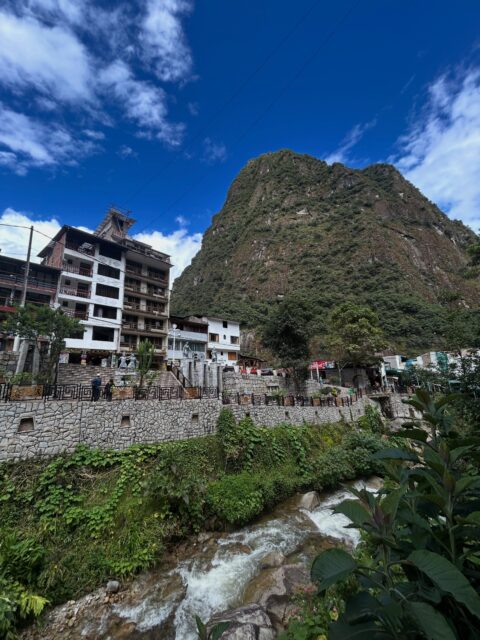
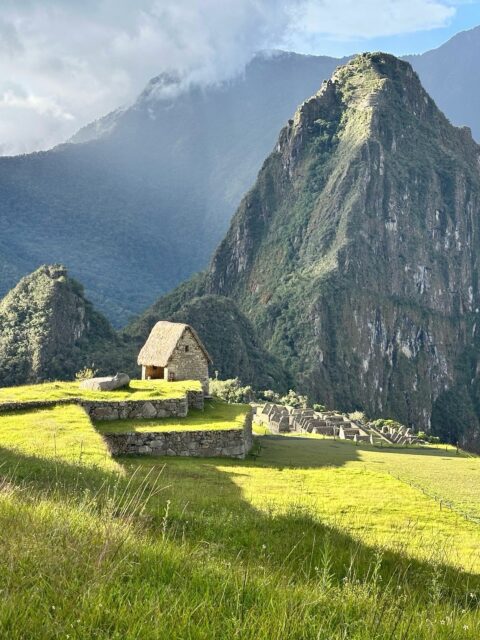
One major difference between the Cusco area and the Machu Picchu area is that the ruins are at a lower altitude, what is called locally the ‘eyebrow of the jungle’ or the high jungle. That means that it is green all year round, and generally warmer and wetter than Cusco.
Machu Picchu itself doesn’t celebrate any festivals, though it is always busier than usual on the summer and winter solstices which occur on the 21st June and the 21st of December. So talented were the Incan builders at Machu Picchu that when the first light of dawn rises on the winter solstice the first light shines through one of the two windows in the Temple of the Sun, landing on the special stone within. The second window does the same thing on the Summer solstice.
If you are looking for detailed information about planning your Machu Picchu visit take a look at the best time of year to travel to Machu Picchu.
If you aren’t able to hike the Inca trail you shouldn’t despair – there are actually a wonderful range of alternate hikes in Peru, including the well known Salkantay treks.
Need More Info on the Inca Trail?
Be sure to check out our Ultimate Guide to Hiking the Inca Trail, where you’ll find everything you need to know, and feel free to explore alternatives like the 5-day Inca Trail to Machu Picchu and the Short Inca Trail!
Sign up for our Inca Trail newsletter and get all the info!
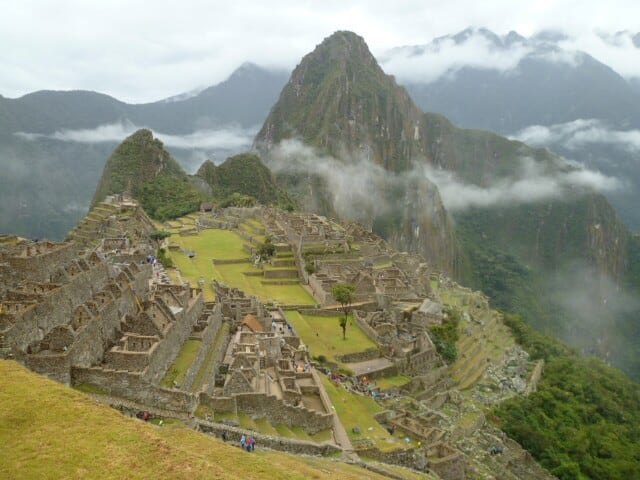
The verdict – best time to hike the Inca trail and trek in Peru
So there you have it –we’ve shared over 15 years’ experience trekking in the Andes with you! There has been sunshine, rain, hail, snow and sleet!!! To clarify: we are not bloggers who’ve just done one trip through the Andes; we have been there and experienced all seasons. We hope you find our information on when is the best time to hike the Inca trail and – indeed, trek in Peru both useful and illuminating. So what’s stopping you – let’s get out there and trek in Peru!