Interested in experiencing how Christmas is celebrated in Peru? The holiday season is a fascinating time to visit, especially in Cusco, where Christmas traditions combine Catholic celebrations with centuries-old Andean customs. If you’re looking for a special place to spend Christmas, Peru offers a unique combination of culture, tradition and unforgettable experiences.
We’ve spent many festive seasons in Cusco with our Peruvian family and are delighted to share some of our favorite traditions with you. Christmas is widely celebrated throughout the country, and the Christmas celebrations in Peru bring together food, culture and community – from colorful markets and elaborate nativity scenes to hot chocolate, panetón, tamales and family gatherings. Read more below!
Family Christmas Traditions in Peru: What to Expect
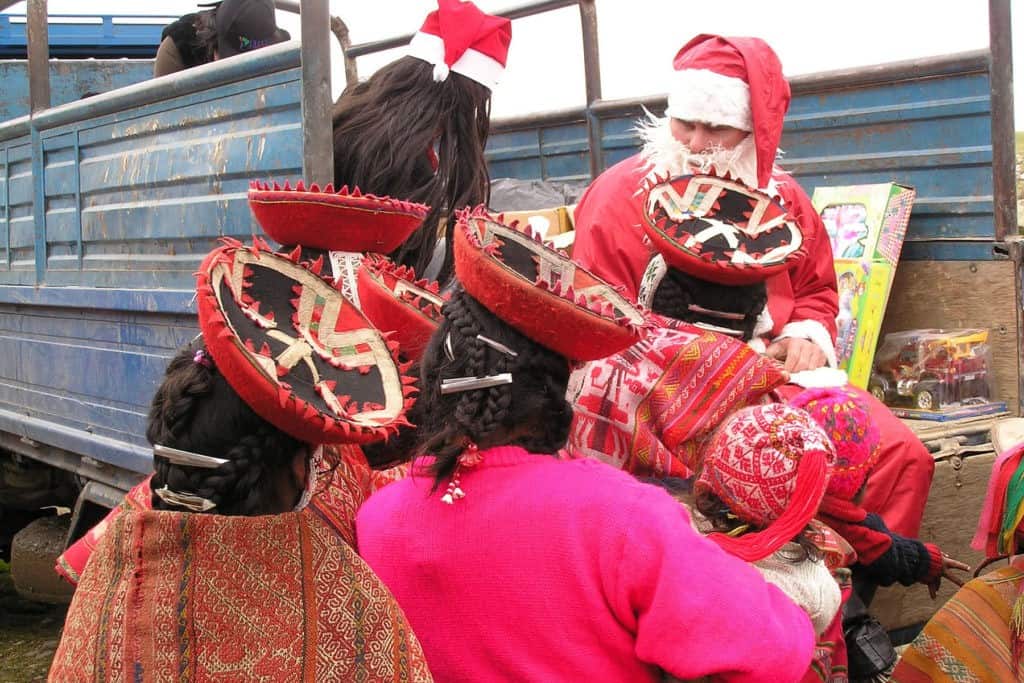
Christmas is one of the most important celebrations of the year in Peru. While many traditions will be familiar to visitors, such as Christmas trees, Santa Claus, exchanging gifts, Peruvian Christmas also has some distinctive customs.
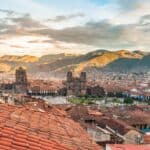
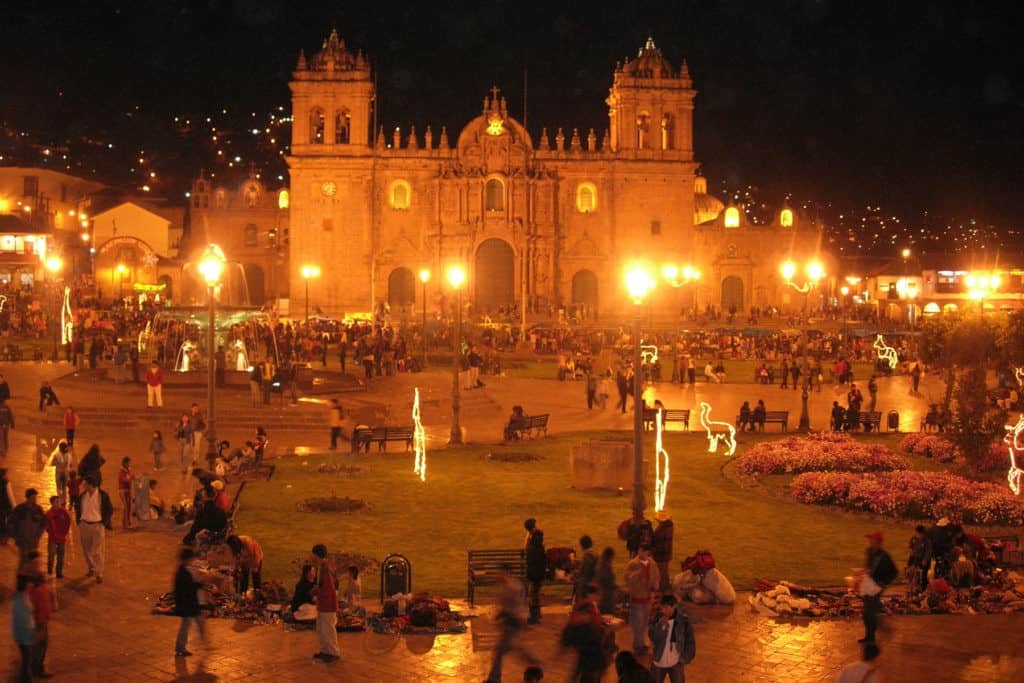
In Cusco, the festive atmosphere begins building in early December. The Plaza de Armas is decorated with Christmas lights and figures, while homes, shops and public spaces begin putting up their own Christmas decorations. Churches prepare their nacimientos (Christmas scenes), and artisans from around the region begin preparing for the annual Santurantikuy market.
As the evening approaches, the city becomes even livelier, with families preparing for the celebrations and fireworks lighting up the night sky. Many traditions also reflect the region’s Quechua and Andean heritage, which has become closely intertwined with Catholic customs over centuries.
Peru’s Ultimate Highlights in One Trip
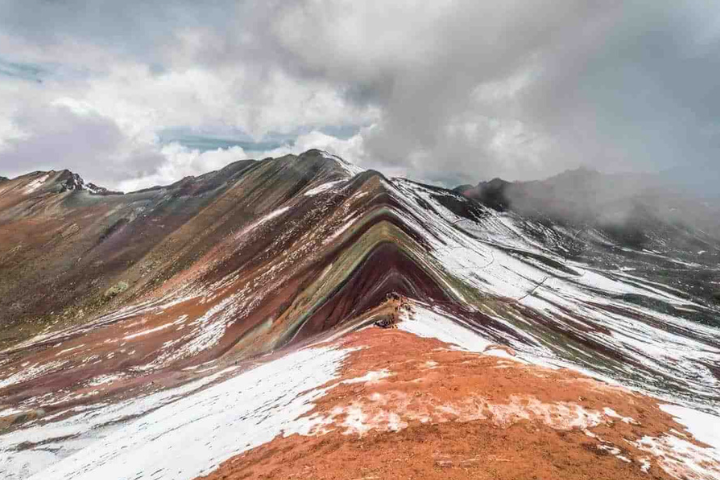
Tick off Peru’s major icons – from Machu Picchu and Vinicunca Rainbow Mountain to the Salt Flats. Meet locals, taste authentic food, and opt for a one-day Inca Trail hike.
For many families, however, Christmas is above all a time to come together, share food and celebrate with their community. Below, we will share more details on how Peruvians celebrate Christmas…
If you’d like to learn more about Peruvian food and traditional dishes, or discover some of the best street food in Peru, check out our blog posts for inspiration. We also share tips on finding the best restaurants in Cusco and best cooking classes in Cusco, so you can experience Peruvian cuisine for yourself.
Popular in Peru: Christmas Chocolatadas
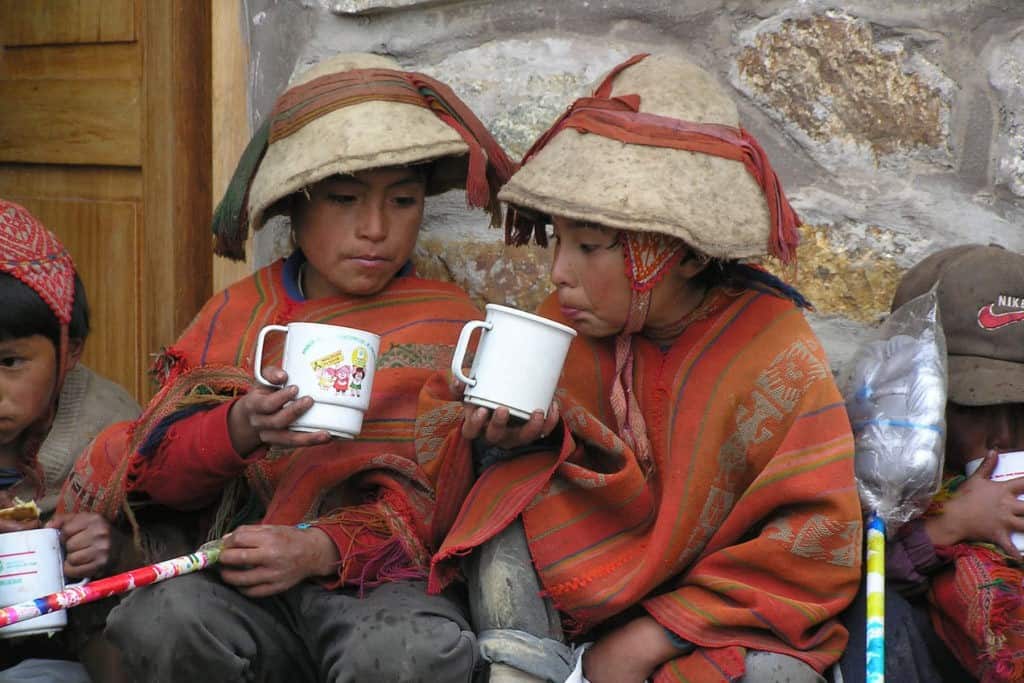
Usually held in the weeks before Christmas.
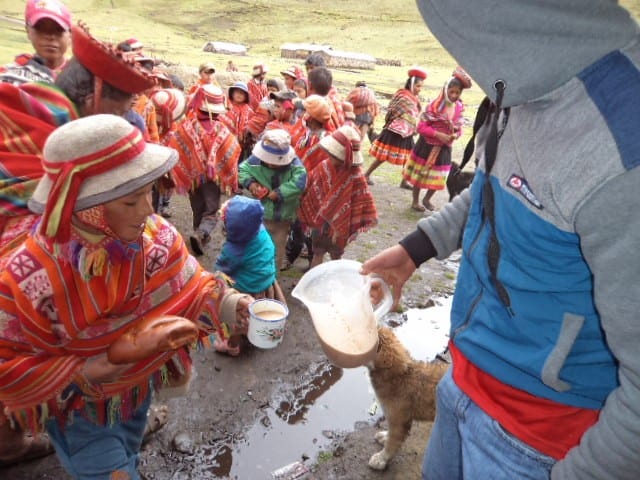
One of the most distinctive Christmas traditions in Peru is the chocolatada. These events are organized by individuals, businesses, churches, charities and community organizations to share some Christmas cheer with children, families and older people who may otherwise have little opportunity to celebrate.
A typical chocolatada includes a cup of hot chocolate, Panettone or biscocho, sweets and sometimes a small toy or gift. In Cusco, these events can take place throughout the weeks leading up to Christmas.
Some charitable organizations organize chocolatadas directly in Cusco, while others travel to rural communities to bring the celebrations to families there. Apus Peru and our partner nonprofit organization, Threads of Peru, have also organized Christmas chocolatadas in Andean communities.
For us, these celebrations are a wonderful reminder that Christmas in Peru is not only about decorations and presents, but also about sharing and community.
Nacimientos: Peruvian Nativity Scenes
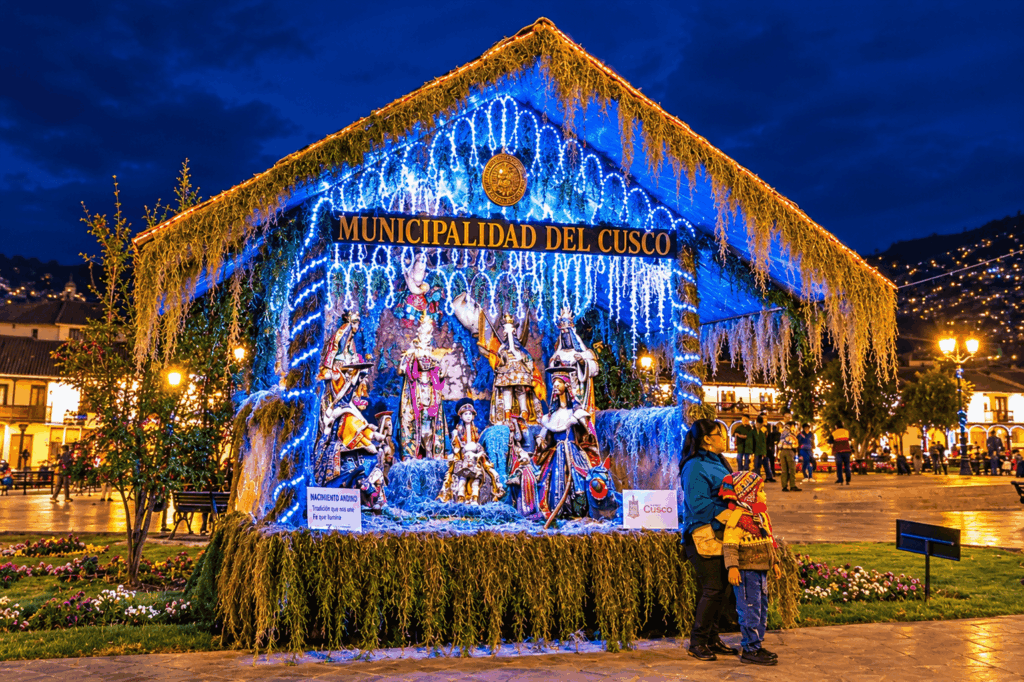
December 24 to January 6
Nativity scenes, known as nacimientos, are an important part of Christmas in Peru. Families, churches and communities create elaborate scenes depicting the birth of Jesus – commemorating the first Christmas – often incorporating local landscapes, animals, plants and traditional Andean elements.
Hundreds of people travel from Cusco and surrounding communities to sell handmade decorations, religious figures, crafts and other traditional goods. You may also find beautiful textiles and handmade products made from alpaca wool, making the market an interesting place to look for a unique Peruvian souvenir. For many families, visiting Santurantikuy is an essential part of preparing for Christmas.
The central figure is often the Niño Manuelito, the Andean representation of the baby Jesus. Unlike more familiar European-style figures, these figures often feature distinctly Andean clothing and characteristics.
Nativity scenes traditionally remain on display through January 6, when Peruvians celebrate the Bajada de los Reyes, or the arrival of the Three Wise Men.
In the days leading up to Christmas, visitors to Cusco can also visit different churches to see their nacimientos, many of which are beautifully decorated and accompanied by Christmas music or choir performances.
Santurantikuy: Cusco’s Christmas Market
December 23 and 24
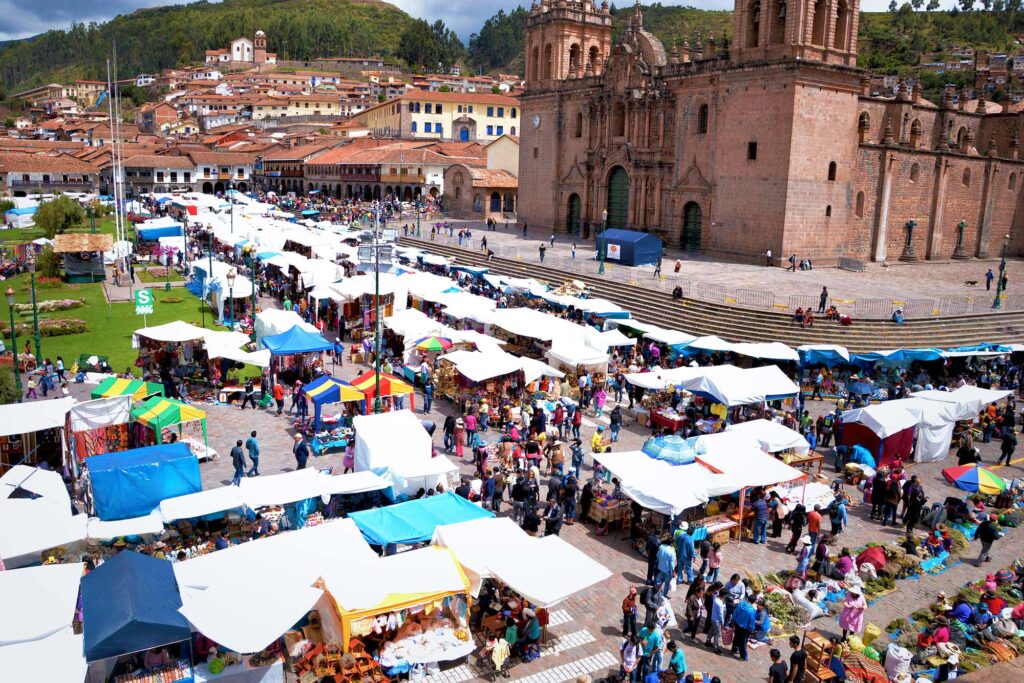
One of the most anticipated events of the Christmas season in Cusco is Santurantikuy, a traditional arts and crafts fair held in the Plaza de Armas on December 23 and 24.
The name Santurantikuy is often translated as “Selling of the Saints.” The tradition dates back to the colonial period, and the market has become one of the largest annual art fairs in Peru.
Hundreds of artisans travel from Cusco and surrounding communities to sell handmade decorations, religious figures, crafts and other traditional goods. For many families, visiting Santurantikuy is an essential part of preparing for Christmas.
The market is also a great place to find retablos, small boxed scenes containing miniature figures. Although retablos can depict many different aspects of everyday and religious life, Christmas versions often focus on the Nativity.
As evening arrives, Christmas food and drink vendors add to the festive atmosphere. One traditional favorite is ponche, a warm and sweet drink that is especially welcome during Cusco’s chilly December evenings.
Noche Buena: Christmas Eve & Christmas Dinner in Peru
December 24
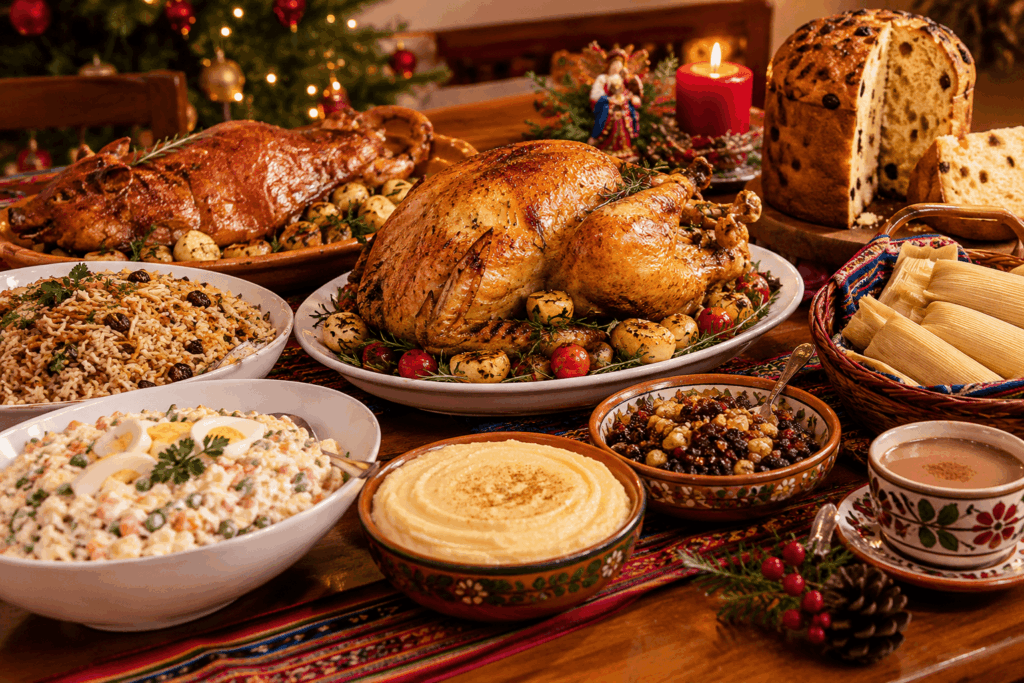
Christmas Eve, known as Noche Buena, is the main moment of Christmas for many Peruvian families. In fact, the main Christmas celebrations often take place on December 24, when relatives gather at home for a special meal, spend time together and exchange gifts.
Some families also attend Misa de Gallo, the traditional Christmas Mass. For Catholic families, this is an important part of the religious celebration and a way to mark the arrival of Christmas.
Food varies from family to family. Roast turkey is a popular choice for Christmas dinner, particularly among wealthier households, while chicken is a common alternative. Sweet tamales may also feature on the Peruvian Christmas table, as they are common in Peru and are often shared with family and guests during the holiday season.
One thing you’re very likely to encounter is panetón (also known as panettone), a sweet, fruit-filled bread that has become a much-loved part of Christmas in Peru. It is traditionally served with a cup of hot chocolate, making this combination one of the country’s most recognizable Christmas treats.
Adults may also enjoy a glass of pisco or a traditional pisco-based drink as part of the festivities.
Christmas trees, lights, Santa Claus figures and other Christmas decorations are also common, particularly in cities such as Cusco and Lima, adding familiar touches to a celebration that is distinctly Peruvian.
As midnight approaches, fireworks are often set off to welcome Christmas. The sound of fireworks across the city is a memorable part of Christmas Eve in many Peruvian towns and cities.
Christmas Day in Peru
December 25
Christmas morning is generally a quieter day than Christmas Eve. After the late-night celebrations of Noche Buena, families often spend Christmas Day relaxing at home, enjoying leftovers and continuing to spend time together.
For visitors, this means that Cusco can feel noticeably quieter than usual. Some businesses and restaurants close or operate on reduced schedules, although tourist services in the city generally continue to operate.
If you’re traveling around Peru during the Christmas period, it’s worth checking opening hours and making restaurant reservations in advance, particularly for Christmas Eve.
Special Christmas Time in Cusco & the Sacred Valley
Christmas in Cusco offers travelers the opportunity to experience a side of the region that goes beyond its famous archaeological sites. The weeks surrounding Christmas bring together families, churches and communities, creating a festive atmosphere throughout the historic center and surrounding areas.
Villages and communities throughout the Sacred Valley also celebrate Christmas with their own local traditions, church services, and family gatherings.
Christmas in Lima & Throughout Peru: A Blend of Cultures
Christmas traditions in Peru reflect the country’s long and complex cultural history. Catholic traditions introduced during the colonial period gradually became intertwined with existing Andean customs, creating a unique blend of celebrations that varies across the different regions of Peru.
The arrival of the Spanish in the 16th century marked an important turning point. When Francisco Pizarro arrived in Peru in the 1530s, Catholic traditions and religious celebrations were introduced alongside Spanish customs. We don’t know when exactly the first Christmas was celebrated, but its introduction was a gradual process, with Christmas traditions evolving as they became part of local life.
This cultural blend is particularly visible in the Andes, where religious celebrations are often combined with Andean imagery, Quechua traditions, local foods and community gatherings.
In southern Peru, Christmas can have a particularly strong connection to local communities and Andean cultural heritage, with traditions that reflect the region’s unique history and identity.
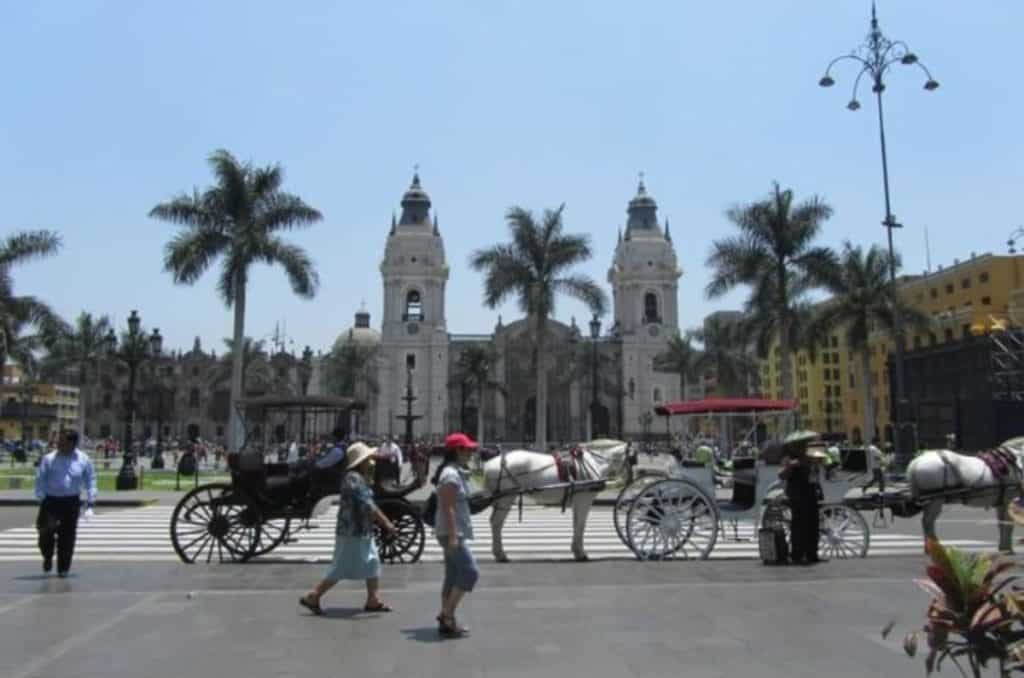
In Lima, meanwhile, Christmas has developed its own urban character. The capital comes alive with Christmas markets, illuminated streets, decorated shopping areas and family gatherings, creating a festive atmosphere that feels distinctly different from the celebrations found in the Andes and other regions of Peru.
Is Christmas a Good Time to Visit Peru?
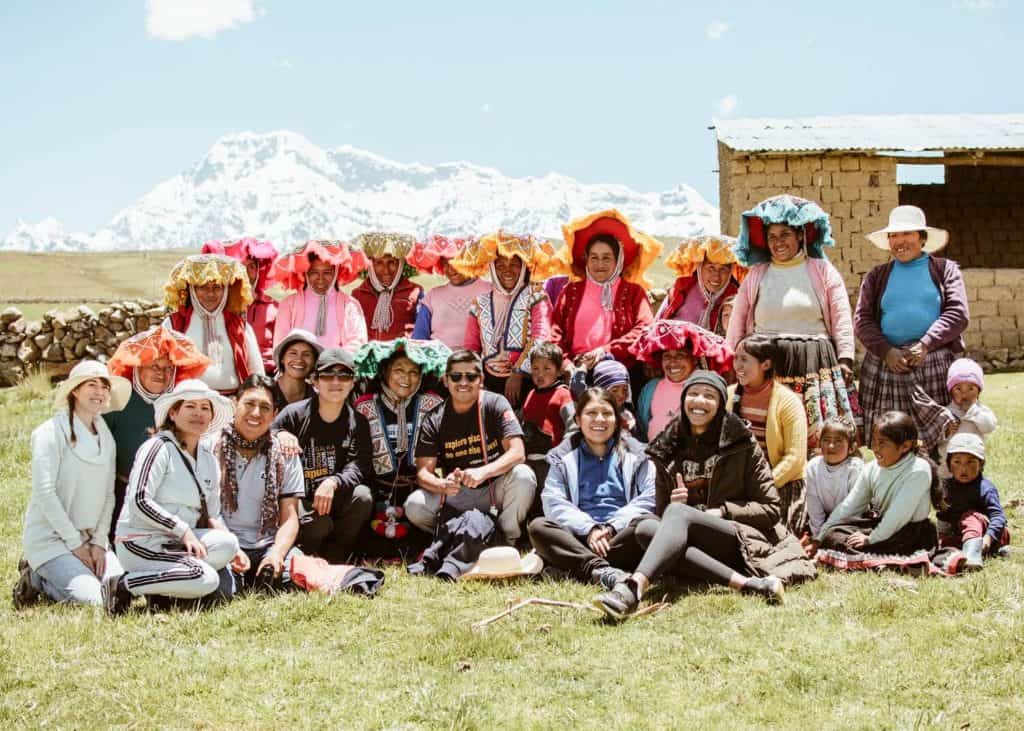
If you’re considering when to visit Peru, Christmas can be a particularly interesting time to experience the country’s culture. December is also a festive period leading into Christmas and New Year, so travelers can experience several celebrations during the same trip.
December falls during the rainy season in the Andes, so travelers should be prepared for changing weather, particularly if they plan to hike or explore mountain regions.
At the same time, the Christmas season brings a special energy to Cusco. Markets are full of activity, churches prepare their celebrations and families come together throughout the city and surrounding communities.
If you are planning your Peru travel during this period, we recommend booking accommodation and popular tours in advance. Christmas can be a busy time for restaurants, so making reservations ahead of time is a good idea.
Spend Christmas in Peru with Apus Peru!
If you’re planning a trip to Peru around Christmas, we’d be happy to help you create an itinerary that combines the country’s famous sights with opportunities to experience its local traditions and festive celebrations. Merry Christmas!
Want to discover more of Peru’s fascinating festivals and celebrations? Learn about New Year’s in Peru, Easter celebrations, and the famous Inti Raymi Sun Festival, or explore our monthly events calendar for a detailed overview of what’s happening throughout the year.