
Machu Picchu may be one of the world’s most famous archaeological sites, but it is far from the only place where you can experience Peru’s extraordinary history, landscapes, and cultures.
From enormous pre-Inca cities and remote Inca ruins to ancient temples, traditional Andean villages, and spectacular mountain landscapes, Peru offers countless destinations that can give you a completely different experience from Machu Picchu.
In this guide, we’ll look at some of the best Machu Picchu alternatives in Peru, from the impressive Inca ruins of Choquequirao and the mysterious archaeological site of Espíritu Pampa to Kuelap, Chan Chan, Sipán, Chavín de Huantar, and the many fascinating ruins around Cusco and the Sacred Valley.
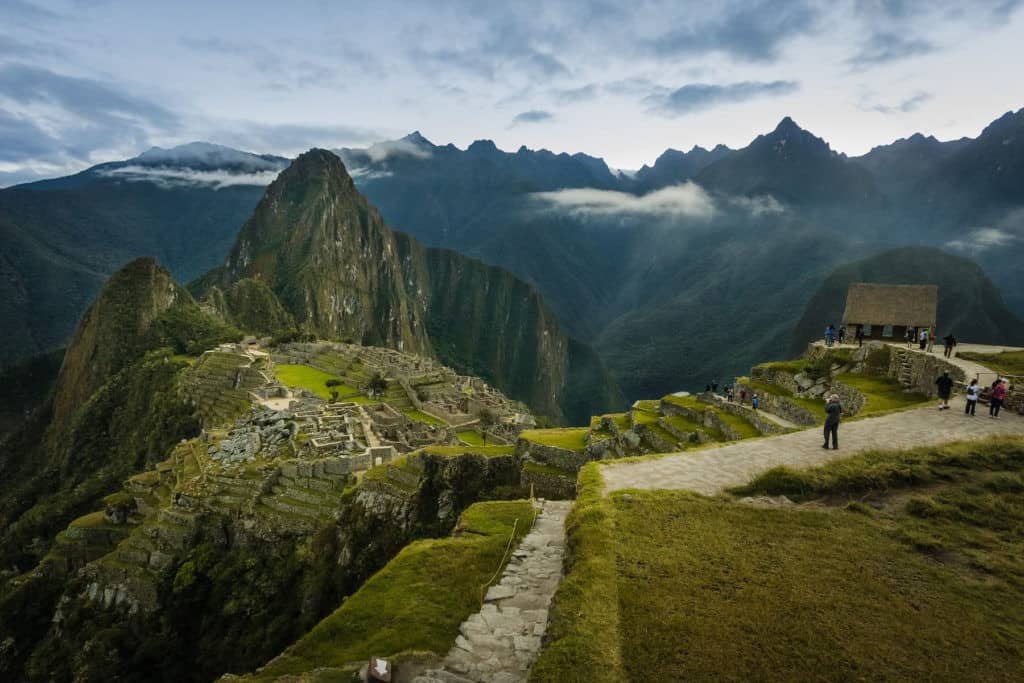
If what you’re actually looking for is a best alternative trek in Peru for a visit to Machu Picchu, that’s a different question. We’ve covered the best options if you want to hike Machu Picchu, including the Salkantay Trek to Machu Picchu, Lares Trek, Short Inca Trail, Huchuy Qosqo, and Choquequirao routes, in our guide to alternative treks to Machu Picchu.
Why Consider a Machu Picchu Alternative?
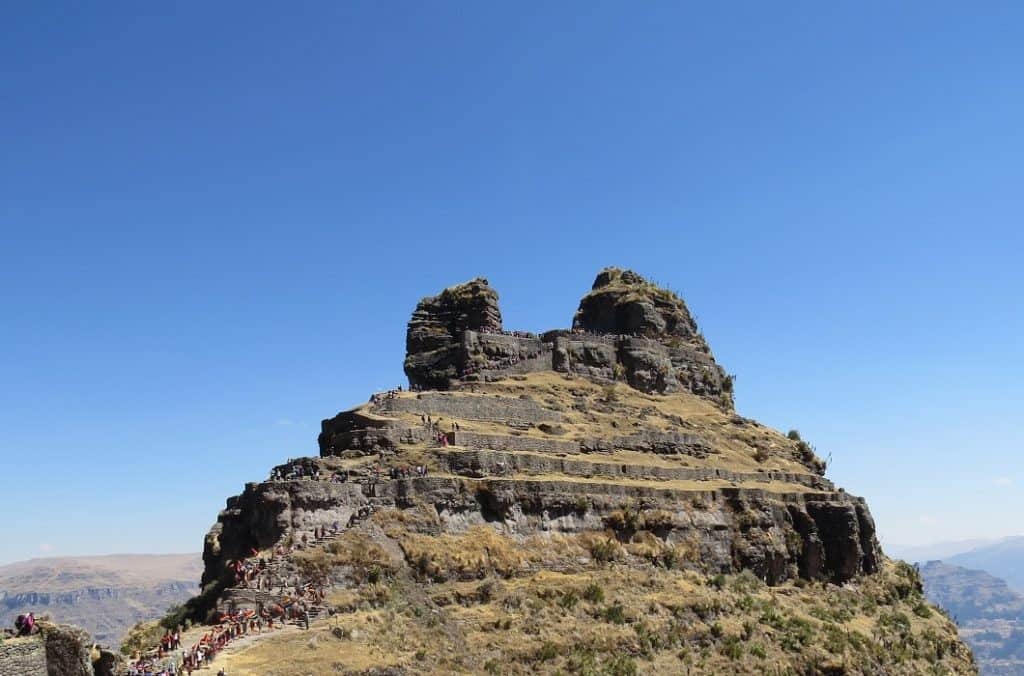
Machu Picchu is undeniably spectacular. As one of the New Seven Wonders of the World and a UNESCO World Heritage Site, it is one of Peru’s most iconic attractions – and for many travelers, going inside Machu Picchu is a lifelong dream.
But Machu Picchu isn’t necessarily the right experience for everyone.
Its international popularity means that it can be a busy and highly structured experience. Visitor numbers are managed through daily capacity limits, circuits, and timed entry, and travelers need to plan their visit around ticket availability. If you want to see Machu Picchu early, choosing an early entry time can be one way to experience the site before the crowds build up.
Peru’s Ultimate Highlights in One Trip
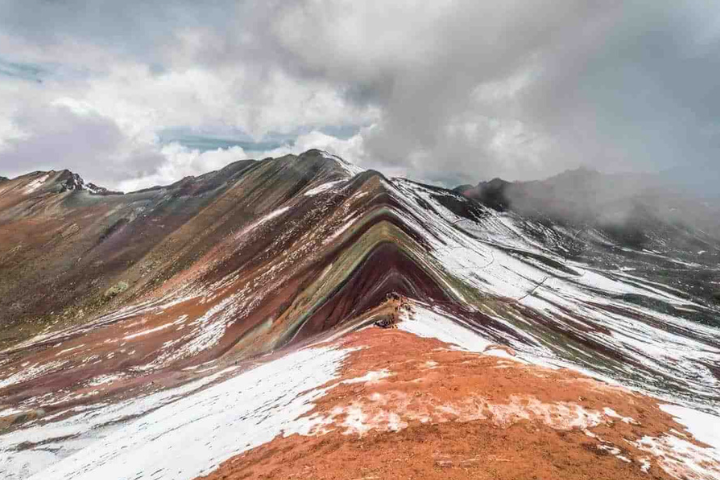
Tick off Peru’s major icons – from Machu Picchu and Vinicunca Rainbow Mountain to the Salt Flats. Meet locals, taste authentic food, and opt for a one-day Inca Trail hike.
So what if you’d rather explore somewhere quieter?
Perhaps you’re fascinated by ancient civilizations but don’t necessarily need to see Peru’s most famous archaeological site. Maybe you’d prefer a place where you can spend more time exploring ruins without following a set visitor route. Or perhaps you want to discover a completely different side of Peru – from the Chachapoya culture in the north to the Moche and Chimú civilizations along the coast.
Peru offers an incredible variety of destinations that can serve as alternatives to Machu Picchu. Some are archaeological sites that rival it in scale or setting, while others offer something completely different.
And if your main reason for looking for an alternative Inca Trail to Machu Picchu because the classic Inca Trail permits is sold out, don’t confuse an alternative destination with an alternative route to Machu Picchu. There are several ways to arrive at Machu Picchu besides the Classic Inca Trail hike, and you can read more about those in our guide to alternative hikes to Machu Picchu.
The standard Inca Trail Trek to Machu Picchu is famous for the incredible archaeological sites, mountain passes, and landscapes you encounter along the way. If you want to learn more about what you can see along this historic route, check out our guide to the iconic Inca Trail ruins and attractions.
Choquequirao – Alternative Machu Picchu Mountain
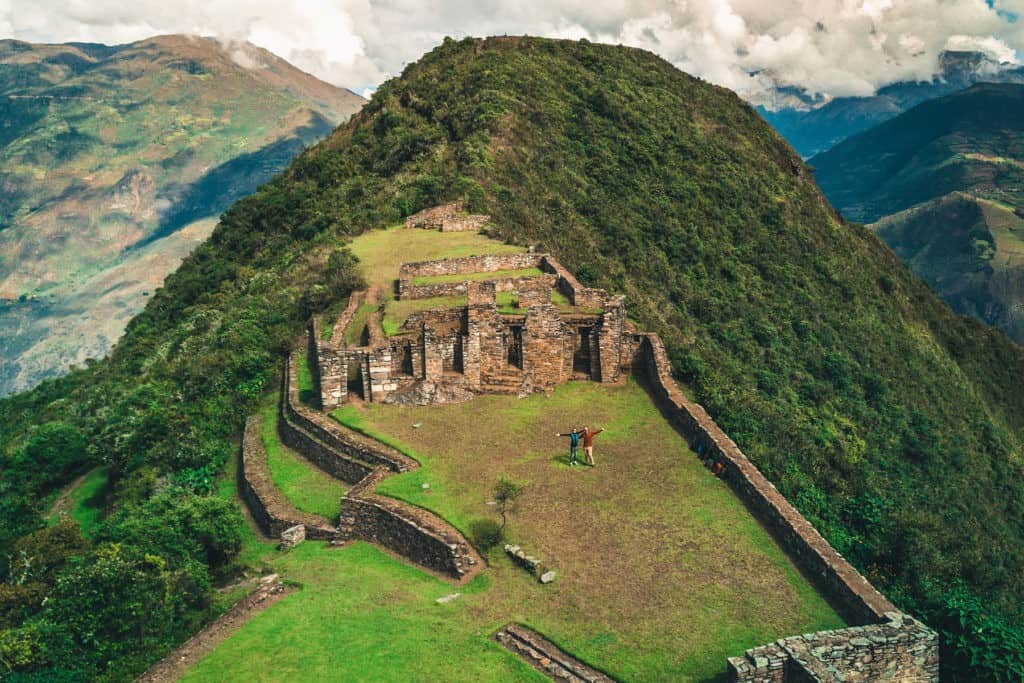
If you’re looking for an archaeological site that rivals Machu Picchu, Choquequirao is one of the strongest alternatives in Peru. And believe, me this place is a lot quieter than the Inca Trail!
Often described as Machu Picchu’s “sister city,” Choquequirao is an enormous Inca archaeological complex perched high above the Apurímac Canyon at around 3,050 meters above sea level. This trek is perfect for adventurers!
Built during the same broad period as Machu Picchu town, the complex includes plazas, terraces, ceremonial structures, temples, residential areas, and agricultural sectors spread across the mountainside.
One of the most fascinating features is the series of terraces decorated with white stone figures, including llamas. The combination of architecture, mountains, deep valleys, and dramatic scenery makes Choquequirao an extraordinary archaeological destination.
The experience is also completely different from Machu Picchu or the Inca trail trip.
Unlike Machu Picchu, you can explore this remarkable Inca site while escaping the crowds associated with Peru’s most famous archaeological destination.
There is one important difference: Choquequirao is currently only accessible by trekking. Reaching the archaeological site requires a challenging multi-day hike, making this destination best suited to travelers who are comfortable with a demanding adventure.
If you’re interested in the journey to Choquequirao, you can learn more about our Peru’s alternative treks here: 4-day Choquequirao Trek.
Machu Picchu vs Choquequirao
If you’re comparing the tour of Machu Picchu vs Choquequirao, the two sites share some similarities, but the experience of visiting them is very different.
| Choquequirao | Machu Picchu | |
|---|---|---|
| Type | Inca archaeological complex | Inca archaeological complex |
| Location | Apurímac Canyon | Sacred Valley |
| Crowds | Much quieter | Much more visited |
| Access | Multi-day trek | Train, bus, and Machu Picchu hike options |
| Experience | Remote and exploratory | More structured and established |
| Best for | Adventure and archaeology | History, archaeology, and iconic scenery |
Choquequirao is particularly appealing to travelers who want to experience an impressive Inca site while escaping the crowds associated with Machu Picchu.
If you’re lucky enough to have the time and the legs for it, why choose between Choquequirao and Machu Picchu? Our Choquequirao to Machu Picchu trek lets you tick both off the list in one epic Andean Inca trail route.
Vilcabamba & Espíritu Pampa – The Last Refuge of the Incas
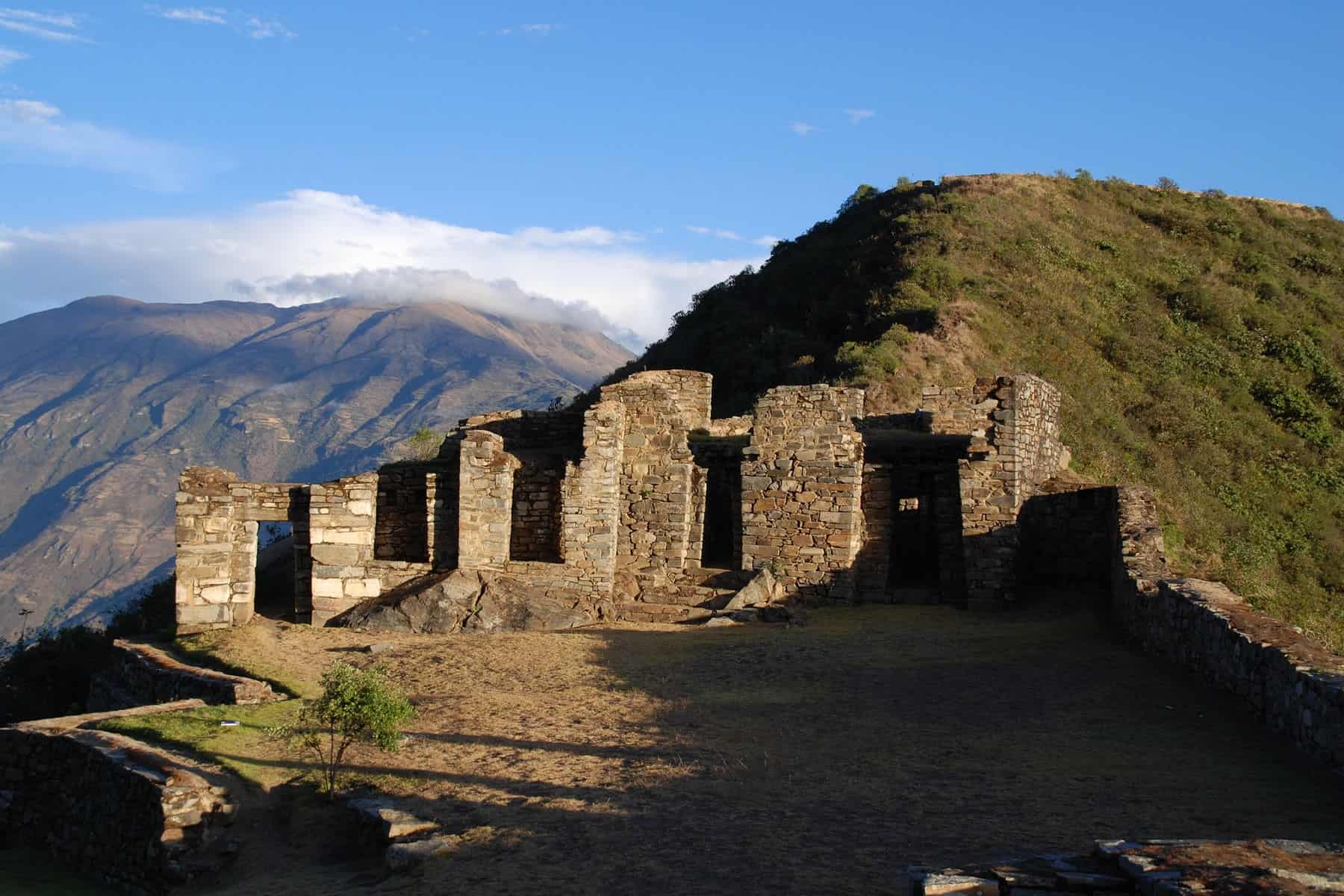
Unlike the Inca Trail in Peru, where you’ll share the route with other trekkers, Vilcabamba and Espíritu Pampa take you deep into a much more remote and little-visited corner of the Andes.
Espíritu Pampa is associated with the final refuge of the Incas during their resistance against the Spanish in the 16th century. The site is located in a remote part of the Andes, surrounded by lush vegetation and mountain landscapes.
The ruins are not as monumental or extensively excavated as Machu Picchu, but that is precisely what makes them special.
While Machu Picchu has carefully managed visitor routes, established viewpoints, and large numbers of travelers, Espíritu Pampa still feels much more like an archaeological discovery.
Choquequirao & Vilcabamba Trek
Discover the most varied, breathtaking trek that incorporates un-restored Inca trails crossing high mountain passes!
The site was abandoned and largely forgotten for centuries before being rediscovered and studied by archaeologists. Walking among the remains surrounded by dense green vegetation gives you a glimpse into a much less familiar part of Inca history.
I’ve visited many Inca sites, and this is honestly one of the most impressive experiences for travelers who enjoy archaeology and exploration. You may even be completely alone in the site!
Vilcabamba is best suited to adventurous travelers who want to go far beyond Peru’s most established tourist destinations. It is not an easy destination to reach, but for those willing to make the journey, it offers a fascinating connection to the final chapters of the Incas.
You can experience the region on our Choquequirao to Vilcabamba journey.
Amazing Machu Picchu Alternatives Around Peru
Machu Picchu may be Peru’s most famous archaeological site, but it represents only one chapter of the country’s diverse history. While many travelers come to Peru specifically to see Machu Picchu, there are countless other places worth discovering.
Long before the Incas built their empire, powerful civilizations flourished throughout Peru. The Chachapoya, Moche, Chimú, Wari, and Chavín cultures all left behind remarkable archaeological sites.
Exploring these places gives you the opportunity to see a completely different side of Peru and understand that the country’s history extends far beyond the Incas.
Kuelap, Northern Peru – Home of the Cloud People
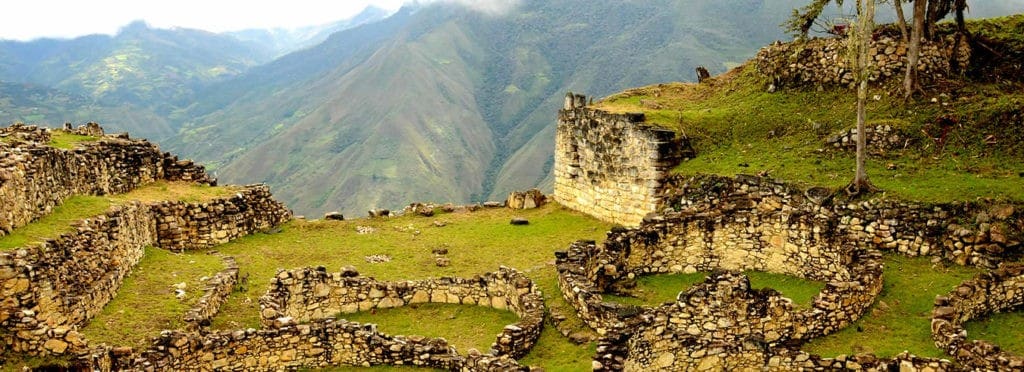
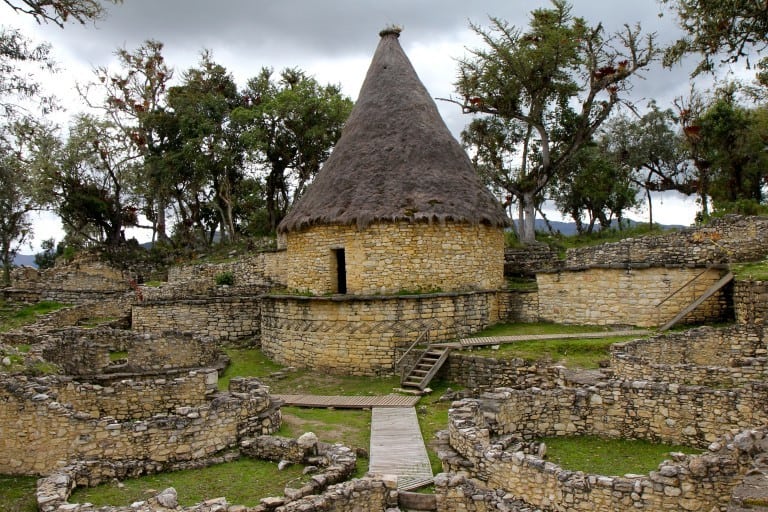
Kuelap is a unique mountain-top fortress located far from Peru’s main tourist trail and is one of the country’s most impressive archaeological alternatives to Machu Picchu.
Built by the Chachapoya, sometimes known as the “Cloud People,” Kuelap is one of the most important pre-Inca archaeological sites in Peru.
Located near the town of Chachapoyas in northern Peru, Kuelap sits among cloud-covered subtropical forests on the eastern slopes of the Andes. The fortress stands at around 3,000 meters and consists of three levels containing hundreds of unusual circular structures.
The enormous walls and unusual architecture make Kuelap immediately different from the Inca ruins around Cusco.
In 2017, a cable car was opened, making Kuelap much easier to reach. Before this, visitors had to choose between a winding mountain drive and a demanding hike.
The surrounding region is just as interesting as the archaeological site itself. Cloud forests, waterfalls, wildlife, traditional communities, and dramatic mountain landscapes make Chachapoyas one of Peru’s most rewarding destinations for travelers who want to explore beyond the usual tourist circuit.
If you’re looking for an archaeological site that feels completely different from Machu Picchu, Kuelap is a fascinating option.
Chan Chan, Northern Peru – The Largest Adobe City in the Americas
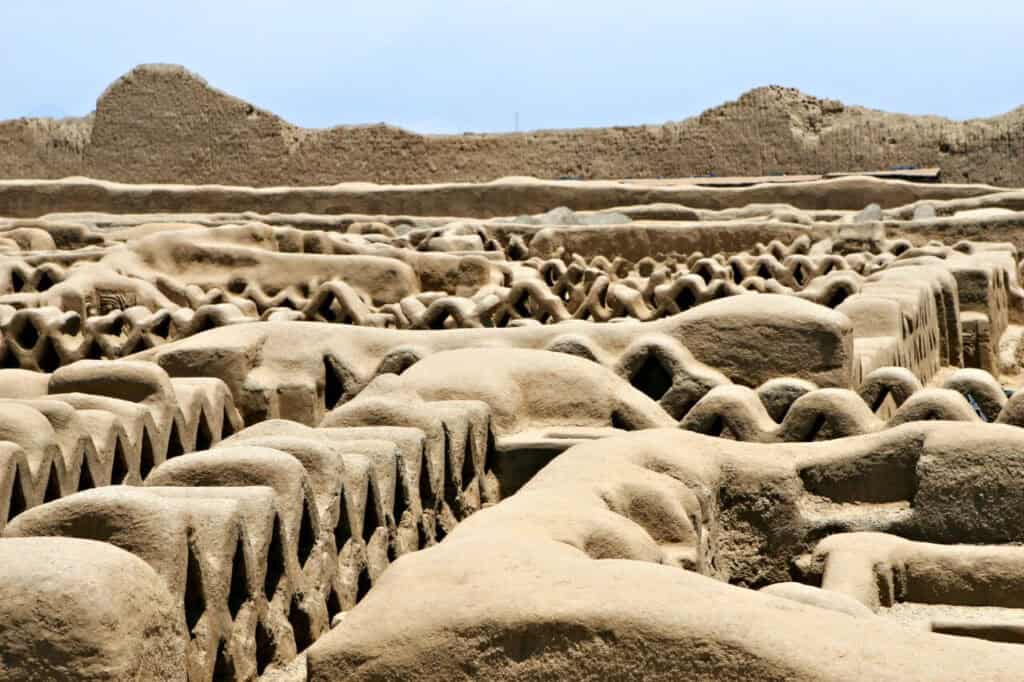
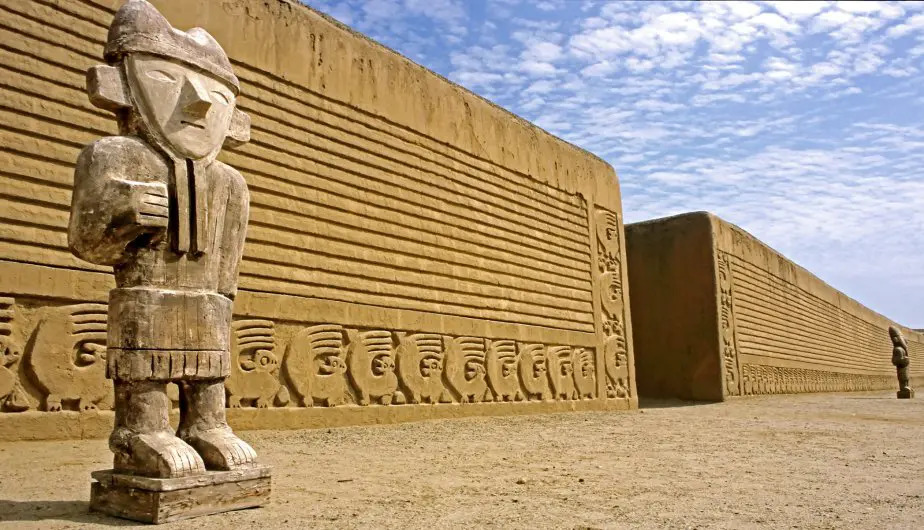
Another fascinating alternative to Machu Picchu is Chan Chan, the extraordinary ancient capital of the Chimú Kingdom.
Located near the coastal city of Trujillo in northern Peru, Chan Chan was once the largest city in pre-Columbian America and remains the largest earthen architecture city in the Americas.
The Chimú Kingdom flourished between roughly the 9th and 15th centuries, reaching its peak shortly before it was conquered and incorporated into the Inca Empire.
Built almost entirely from adobe, the vast city once covered around 20 square kilometers. Its monumental center contains enormous walled compounds, or citadels, which served as palaces and included temples, plazas, storehouses, residences, reservoirs, and burial platforms.
Chan Chan’s intricate adobe walls are decorated with beautiful reliefs depicting geometric patterns, birds, fish, and other animals and elements of the natural world.
Today, Chan Chan is a UNESCO World Heritage Site and remains vulnerable to environmental threats, particularly heavy rains and extreme weather associated with El Niño.
For travelers interested in Peru’s ancient civilizations, Chan Chan is an extraordinary alternative to visiting only Inca sites.
Sipán, Chiclayo – Discover the Moche Civilization
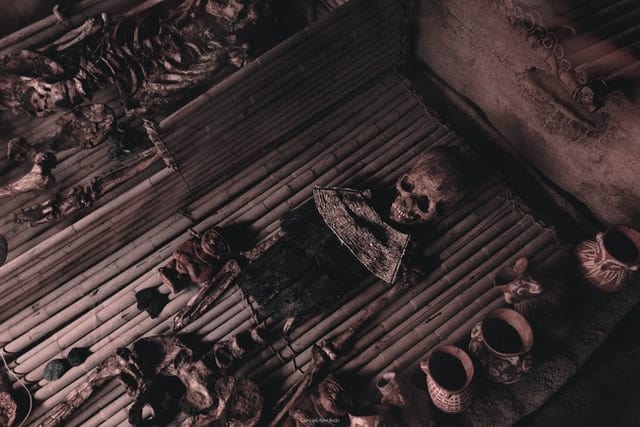
Often compared to Egypt’s King Tutankhamun because of the extraordinary treasures found in his tomb, the Lord of Sipán was one of the most important archaeological discoveries ever made in Peru.
His tomb, discovered in 1987 at Huaca Rajada near Chiclayo, was remarkably well preserved and provided an unprecedented glimpse into the wealth, power, and rituals of the ancient Moche civilization.
The Lord of Sipán was a powerful Moche ruler who lived around the 3rd century AD. He was buried with hundreds of precious objects, including elaborate ornaments and ceremonial items made from gold, silver, copper, and turquoise, as well as ceramics and other offerings.
At the Sipán Archaeological Complex and the nearby Museum of the Royal Tombs of Sipán in Lambayeque, visitors can see many of these remarkable discoveries and learn about the sophisticated society that created them.
Located in northern Peru, Sipán offers a fascinating alternative for travelers interested in ancient civilizations and archaeology.
While it is very different from the mountain landscapes and Inca ruins around Machu Picchu, it provides a remarkable opportunity to discover one of Peru’s great pre-Inca cultures.
Chavín de Huantar – A 3,000-Year-Old Temple
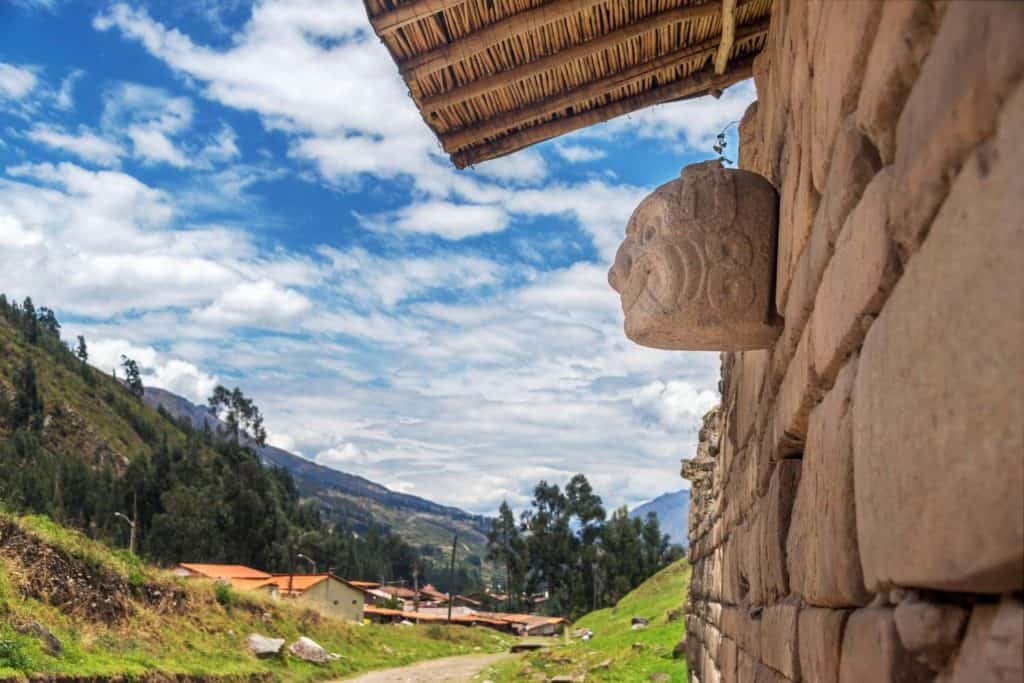
Like Machu Picchu, Chavín de Huantar is a UNESCO World Heritage Site. It lies in a narrow valley in the northern Andean highlands at around 3,200 meters above sea level.
The Chavín culture was one of the earliest major civilizations in ancient Peru and had a significant influence on later Andean cultures.
The Chavín de Huantar temple was an important religious pilgrimage site and features narrow tunnels, underground chambers, plazas, and impressive stone carvings.
Trek Stronger: Master the Altitude First
Prep your body for the heights while immersing yourself in authentic local culture away from the crowds. Make your high-altitude trek easy, seamless, and truly unforgettable.
There is a large central square, which is slightly below ground level, and archaeologists have been impressed by the sophisticated drainage system constructed to prevent the temples from flooding during the rainy season.
At the center of the underground complex is one of the most important relics of the Chavín religion: the 5-meter-high carved granite Lanzón. The monument depicts a powerful deity combining human and animal characteristics.
The temple was an important pilgrimage site and is located a few hours’ drive from the popular northern Peruvian city of Huaraz.
For travelers interested in the origins of Andean civilization, Chavín de Huantar offers a completely different experience from Machu Picchu.
Great Alternatives: Inca Ruins & Archaeological Sites Around Cusco

You don’t have to travel to a remote corner of Peru to find alternatives to Machu Picchu.
The area around Cusco is filled with impressive archaeological sites that demonstrate the scale, sophistication, and engineering abilities of the Incas.
The Sacred Valley in particular is dotted with ancient settlements, agricultural terraces, temples, and fortresses.
While none of these sites are identical to Machu Picchu, visiting several of them can provide a much broader understanding of Inca civilization.
Inca Town of Ollantaytambo
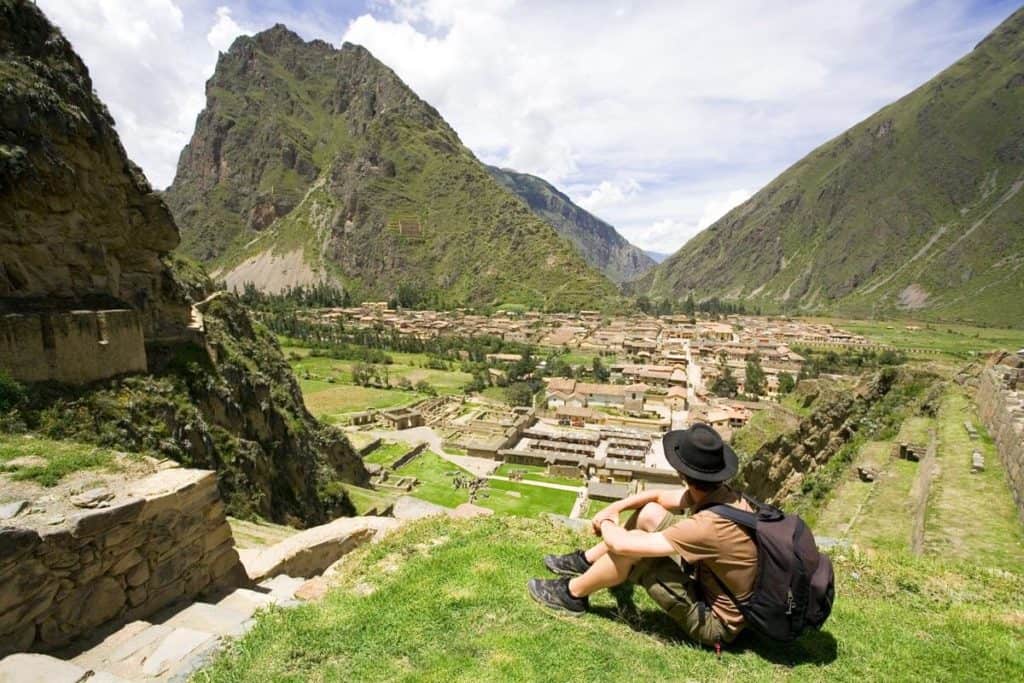
Ollantaytambo is one of the best-preserved Inca towns in Peru and has been continuously inhabited since Inca times.
Surrounded by dramatic mountains, the town blends ancient Inca structures with colonial and modern buildings, making it a fascinating place to explore.
Ollantaytambo also played an important role in the Inca resistance against the Spanish. In 1537, Manco Inca successfully defeated a Spanish expedition here and held the fortress for a time before eventually retreating.
The archaeological complex rises above the town and includes enormous terraces, ceremonial structures, and the unfinished Temple of the Sun.
One of the highlights is the climb up the roughly 200 steps to the ruins, where you’ll find incredible views over the town and river valley below.
Much of the original Inca stonework remains remarkably intact, including enormous stones used in the terraces that were transported from a quarry on the opposite side of the valley – an incredible feat of engineering for its time.
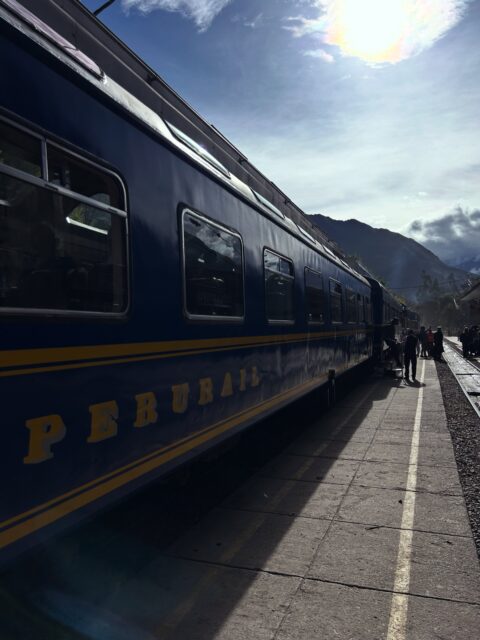
Today, Ollantaytambo is also one of the main train stations for travelers taking the train to Machu Picchu, making it easy to combine both destinations in the same itinerary.
Keep in mind that Ollantaytambo is included in many commercial Sacred Valley tours, so the ruins can get quite busy in the afternoon. If you want a quieter experience, I recommend visiting in the morning, ideally before midday.
Pisac – Inca Ruins Above the Sacred Valley
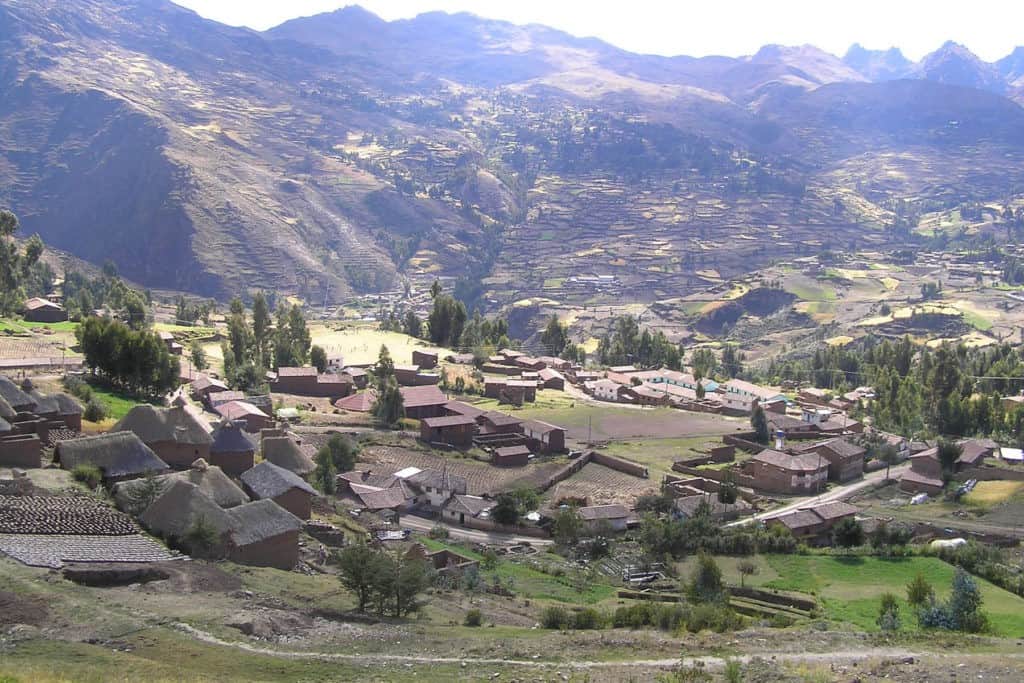
Pisac is home to one of the most spectacular and best-preserved Inca archaeological sites in the Sacred Valley. (sometimes spelt Pisaq)
The ruins stretch across an entire mountainside at the eastern end of the valley, with vast agricultural terraces and impressive stone structures overlooking the town below.
The name Pisac means “partridge” in Quechua, and according to tradition, the archaeological complex was designed in the shape of a partridge, which can be appreciated from above.
The ruins once served several purposes, including as an important agricultural center, trading post, and ceremonial site.
The Sun Temple is one of the highlights, built from finely carved pink granite and featuring ceremonial altars, water channels, and fountains.
The mountainside is also dotted with hundreds of ancient burial sites. The small openings that look like nests in the cliffs are actually Inca tombs. The dead were traditionally buried in a fetal position, reflecting the belief that they would return to Mother Earth.
Pisac is an excellent destination for travelers who want to explore substantial Inca ruins without spending several days on a trek.
When I visit Pisac, I usually take a taxi up to the archaeological site, explore the main ruins, and then hike down to the village. Along the way, you pass numerous terraces, ruins, and other archaeological remains, making this one of the best alternative routes!
Huchuy Qosqo – A Hidden Inca Settlement Above the Sacred Valley
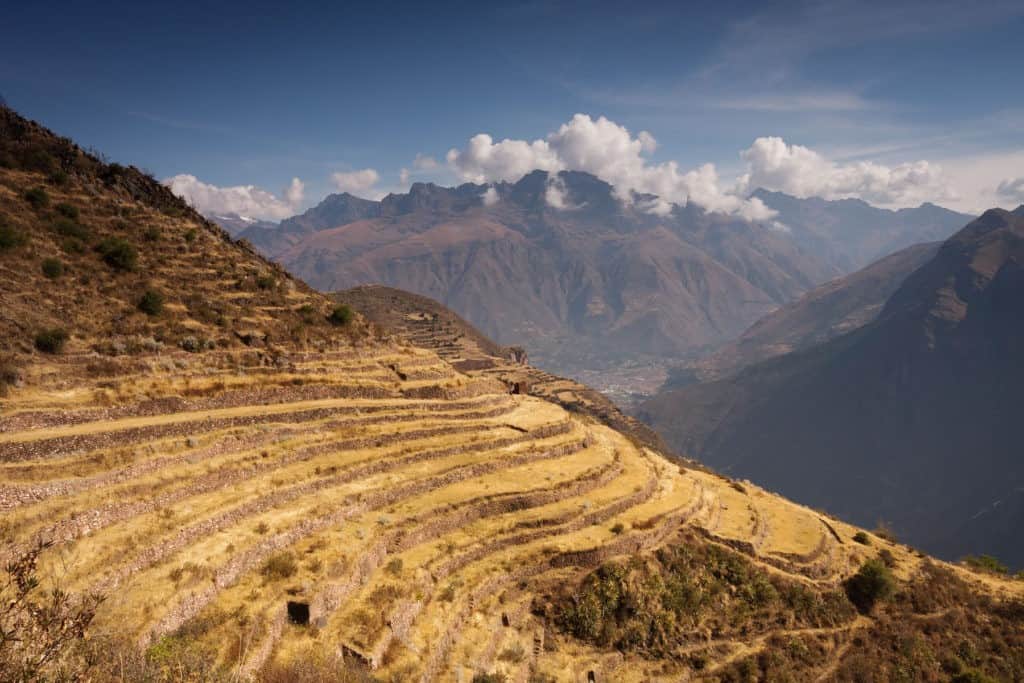
Huchuy Qosqo is one of the lesser-known Inca archaeological sites in the Sacred Valley and an excellent alternative for travelers who want to experience Inca ruins away from the busiest tourist routes.
The name Huchuy Qosqo means “Little Cusco” in Quechua, and the site is believed to have been an important royal estate and administrative center. Perched on a plateau high above the Sacred Valley, it offers spectacular views of the surrounding mountains and the valley below.
The archaeological complex includes stone buildings, large agricultural terraces, ceremonial spaces, and impressive irrigation channels. One of its most distinctive features is the large three-story structure built from a combination of stone and adobe, which stands out against the surrounding mountain landscape.
Huchuy Qosqo is particularly appealing because the journey to the ruins can be part of the experience. The site can be reached by hiking from several points in the Sacred Valley, including a popular route from Lamay. The trek takes you through high Andean landscapes before descending toward the archaeological complex. It can be done in one day of hiking, or 2 days.
Unlike the more established archaeological sites around Cusco, Huchuy Qosqo receives relatively few visitors. For travelers looking for a quieter Inca experience, it offers a wonderful combination of archaeology, mountain scenery, and trekking.
You can also combine Huchuy Qosqo with a visit to the Sacred Valley or incorporate it into a longer Cusco itinerary.
Chinchero – The Birthplace of the Rainbow
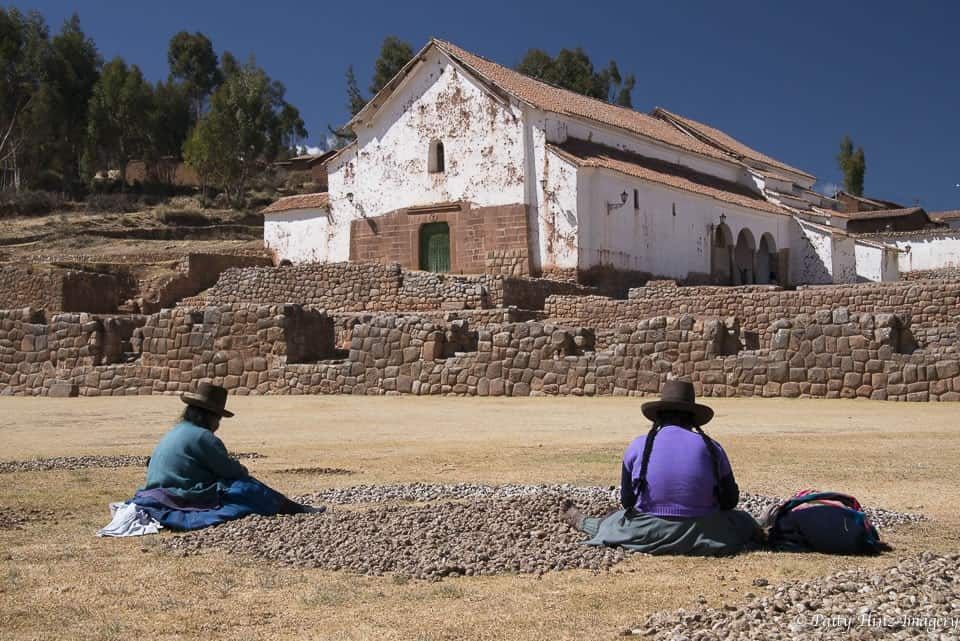
The village of Chinchero was thought to have been a summer retreat for Inca royalty, a place where they could relax and enjoy the cooler mountain climate.
The Inca palace once stood on top of the hill, but it was later destroyed by the Spanish. A colonial adobe church was constructed on part of the site, incorporating some of the earlier foundations.
Stone walls, aqueducts, and a series of agricultural terraces that are still in use today lead down from the church. From the terraces, there are beautiful views of snow-capped mountains and expansive fields.
The Inca people believed that Chinchero was the birthplace of the rainbow.
The archaeological complex contains beautiful pink stonework, carved steps, and other unusual features, while a short trail leads toward a waterfall.
If you happen to be visiting on a Sunday, there is a large market in Chinchero. You can also see demonstrations of traditional weaving at one of the local awana wasi weaving centers.
Chinchero is particularly interesting for travelers who want to combine archaeology with living Andean culture.
Moray – The Inca Agricultural Laboratory
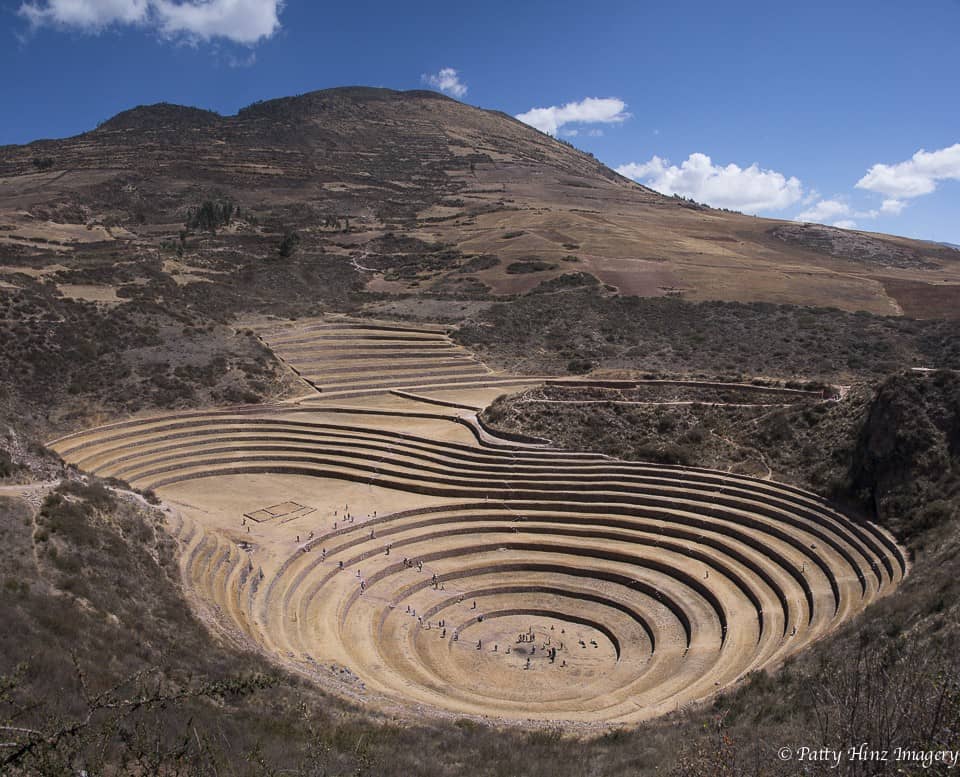
At first glance, the ruins of Moray look like a giant natural amphitheater, with their distinctive circular terraces carved into the landscape.
But this remarkable site may have served a much more practical purpose: an Inca agricultural laboratory.
The Incas were highly skilled in agriculture and plant cultivation, and Moray may have been used to experiment with different growing conditions. Each level of the terraces has a slightly different temperature, creating a series of microclimates.
This may have allowed the Incas to experiment with growing different crops at different elevations and understand which conditions were best suited to different plants.
Archaeologists have also discovered that some of the soil used at Moray came from different regions of Peru, further suggesting that the Incas deliberately created different growing conditions at the site.
Perhaps even more impressive, despite the heavy rainfall and flooding that can occur in this part of the Sacred Valley during the rainy season, the Moray terraces themselves do not flood easily.
The sophisticated drainage system is another testament to the Incas’ remarkable understanding of their environment.
Visit Moray – and the salineras at Maras – on our Maras & Moray 1 day tour.
Cachicata – The Inca Quarry Above Ollantaytambo
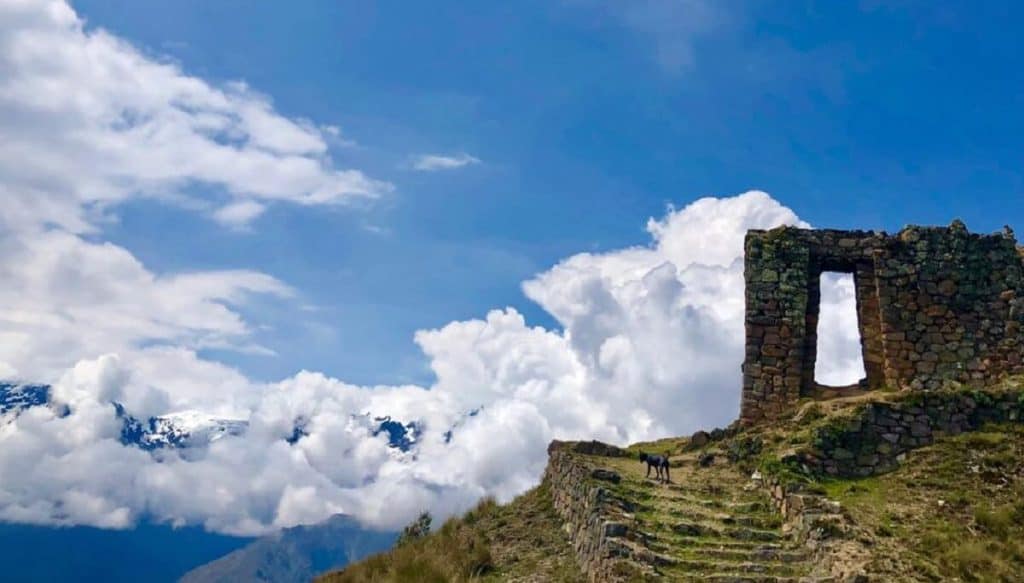
If you’re interested in how the Incas actually built their enormous stone structures, the Cachicata Inca Quarry is a fascinating addition to your itinerary.
Located above Ollantaytambo, Cachicata was an important source of stone for the Inca settlement. The area contains unfinished stones, quarrying sites, terraces, and archaeological remains, along with spectacular views across the Sacred Valley.
The experience offers a different perspective on Ollantaytambo. Instead of simply admiring the finished buildings below, you can see where some of the stone used to construct the town was extracted and worked.
The area also connects with the ancient Inca road system and offers access to Inti Punku, or the Sun Gate, a lesser-known viewpoint overlooking the Sacred Valley and the mountains surrounding Ollantaytambo. From here, you can appreciate the landscape from a completely different perspective and imagine how important this network of paths and viewpoints was to the Incas.
For travelers looking for an alternative trek, Cachicata and Inti Punku provide an excellent opportunity to explore a lesser-known part of the Sacred Valley.
Lesser-Known Archaeological Sites Around Cusco
The Cusco region is home to many archaeological sites that receive far fewer visitors than Machu Picchu.
Tipón – An Inca Masterpiece of Water Engineering
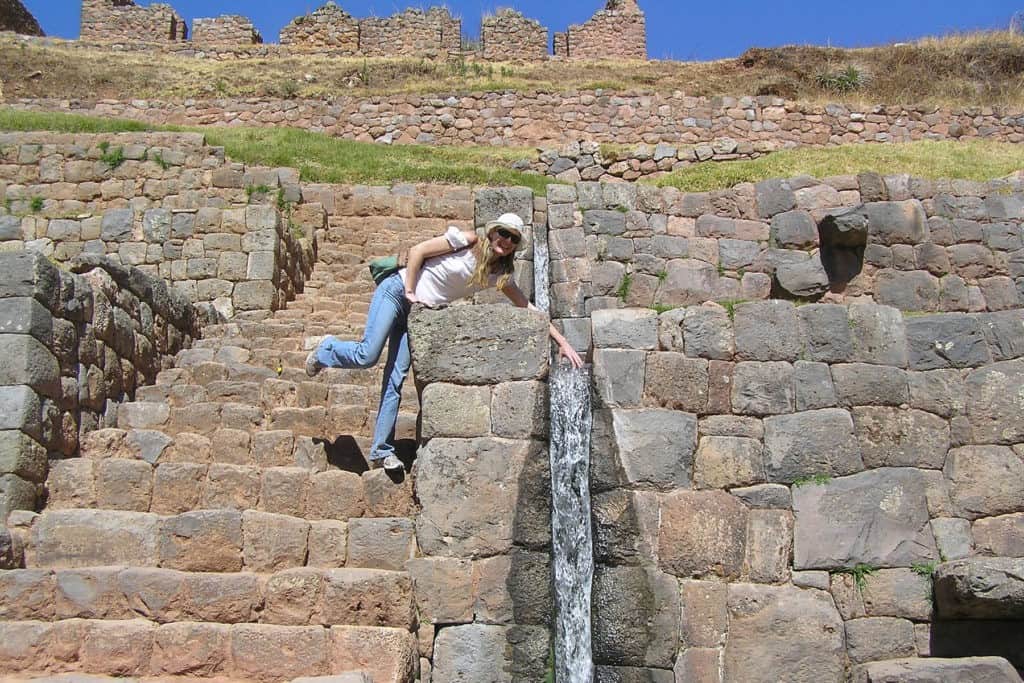
Tipón is a small farming village in the hills southeast of Cusco with impressive agricultural terraces and a remarkably well-preserved Inca irrigation system.
The beautiful green terraces are full of stone water features and intricate channels. The main fountain is at the top of the terraces, with channels carrying water slowly downhill.
The ruins at the top of Tipón were once a royal residence complete with ceremonial spaces, store buildings, and gardens.
The site is particularly interesting for travelers fascinated by Inca engineering. The water still flows through many of the original channels, demonstrating how effectively the Incas understood and controlled their environment.
Pikillaqta – A City Built Before the Incas
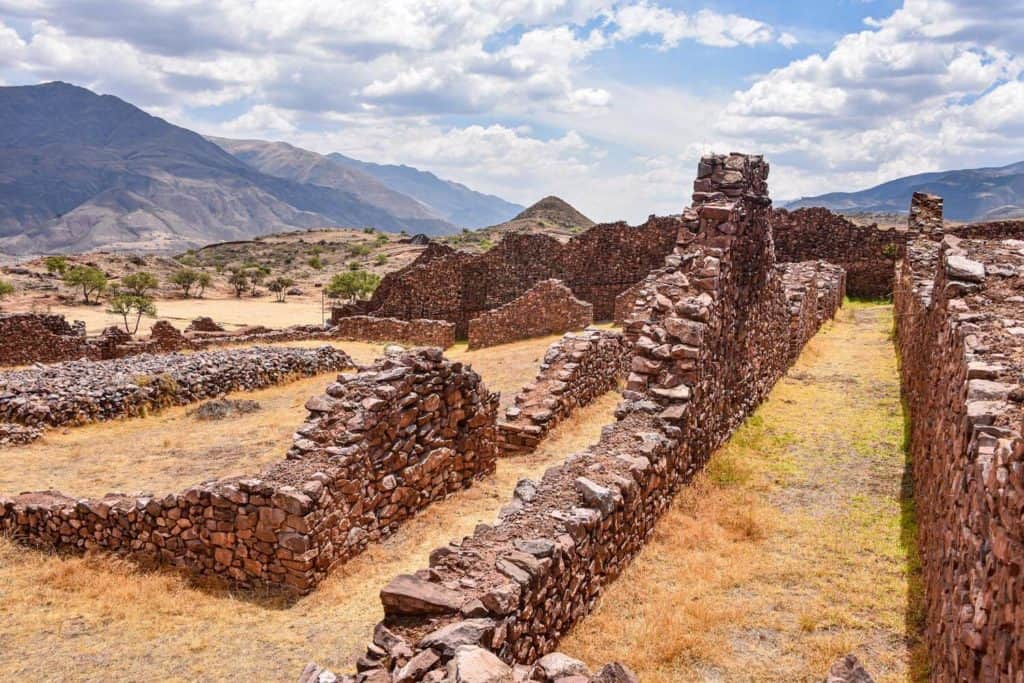
Six kilometers past Tipón is Pikillaqta, one of the most important pre-Inca archaeological sites in the Cusco region.
The pre-Columbian urban center was a provincial city of the Wari culture, which flourished between approximately 650 and 900 AD.
The ruins cover around 50 hectares and contain hundreds of structures arranged in a carefully planned urban layout.
Pikillaqta translates roughly as “Flea City,” although the origin of the name is uncertain.
The site offers an interesting contrast to the Inca ruins found elsewhere around Cusco and is an excellent addition for travelers interested in the civilizations that came before the Incas.
Alternative Machu Picchu Sites in Cusco City
You don’t even need to leave Cusco to discover more extraordinary archaeological sites.
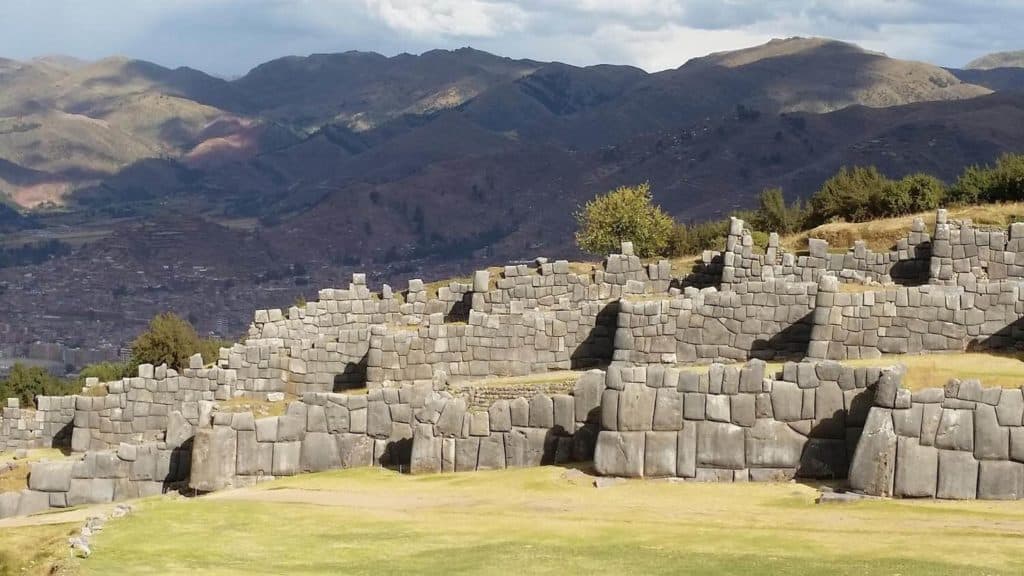
The hills surrounding the city contain several important Inca ceremonial and military complexes, including Sacsayhuaman, Qenqo, Puca Pucara, and Tambomachay.
Sacsayhuaman
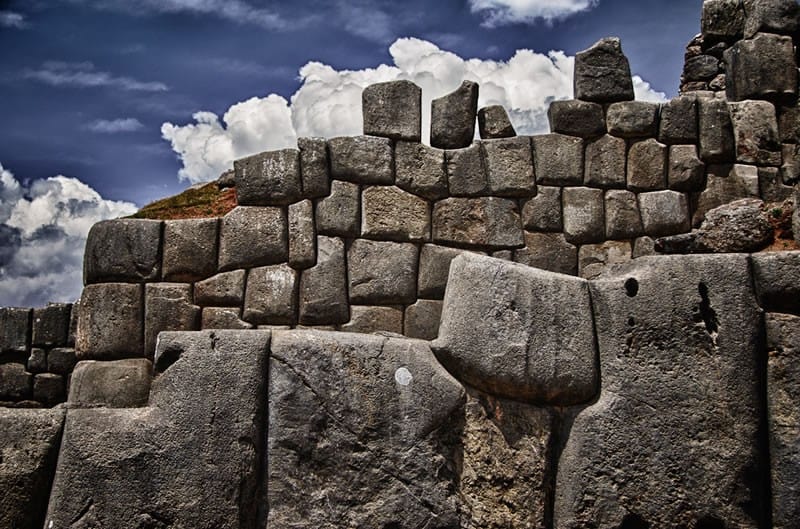
Sacsayhuaman was one of the most important military and ceremonial complexes of the Inca Empire and is one of the finest examples of precision Inca stonework.
Its massive walls were built from enormous stones, some weighing many tons, that fit together with remarkable precision.
The site sits above Cusco and offers impressive views across the city.
Qenqo
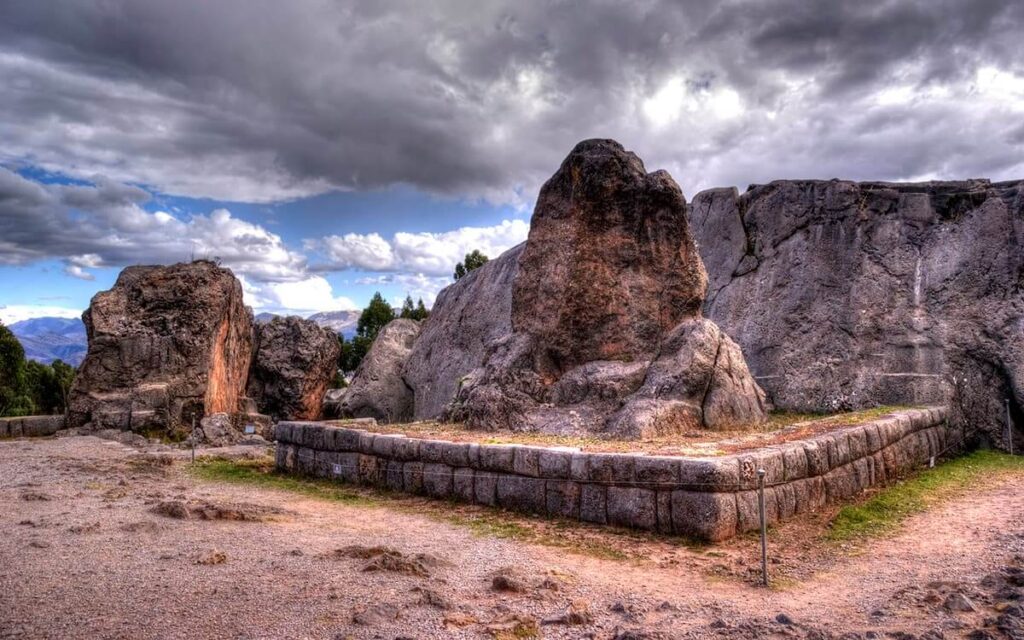
Qenqo is an archaeological site featuring caverns, canals, and a semi-circular structure that appears to have served ceremonial purposes.
The section open to tourists is Big Qenqo, or Hatun Q’enqo. One of its most famous features is an underground chamber carved directly into the rock.
Puca Pucara
Puca Pucara consists of military and administrative ruins, and its name means “red fortress,” referring to the reddish stone used in its construction.
It appears to have played a role in controlling access to Cusco and the wider Inca Empire.
Tambomachay
About 8 km from Cusco is Tambomachay, also known as El Baño del Inca, or “The Bath of the Inca.”
This ceremonial stone site features fountains fed by natural spring water. Small waterfalls and channels still carry water down from the mountains, demonstrating the Incas’ sophisticated hydraulic engineering.
You can visit all four sites on our full-day Cusco ruins tour.
More Ways to Experience Peru Beyond Machu Picchu
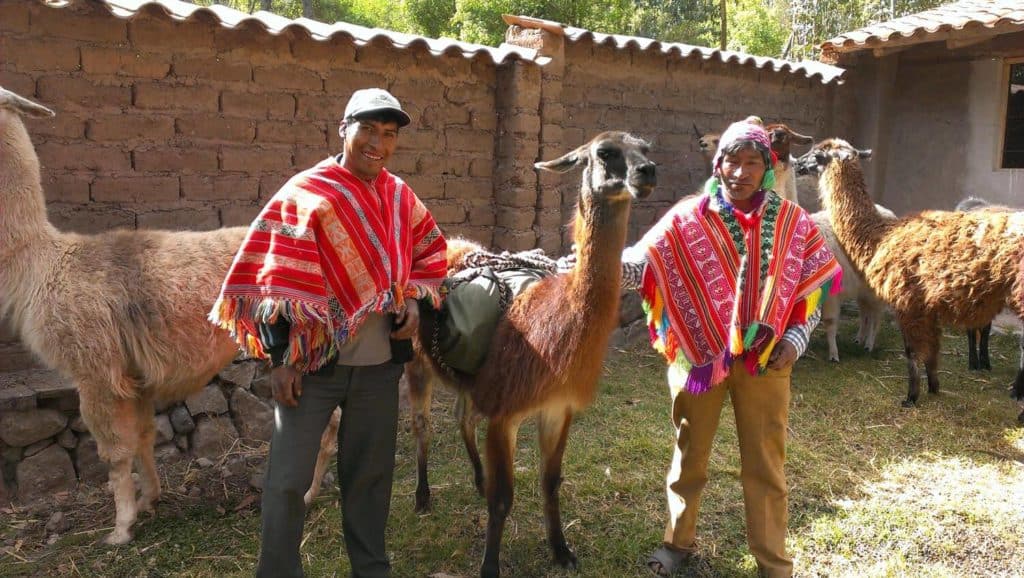
The places above are some of the strongest archaeological alternatives to Machu Picchu, but they are only part of what Peru has to offer.
You can also explore the Sacred Valley’s traditional communities, visit colorful markets, learn about Andean weaving, discover colonial cities, explore the Amazon, or spend time in the high Andes.
For many travelers, the best alternative to Machu Picchu isn’t another archaeological site at all. It is simply a different kind of Peruvian experience.
The Sacred Valley is particularly easy to incorporate into a Cusco itinerary. You can explore ancient ruins while also visiting traditional communities and learning about contemporary Andean culture.
Make the Sacred Valley part of your Peru adventure and discover its incredible Inca ruins, traditional communities, and spectacular mountain landscapes. We can include it in a customized Cusco itinerary or add one of our hands-on cultural experiences, such as our Inca Traditions Tour, Chichubamba Hands-On Tour, or Maras & Moray Tour.
So, Which Machu Picchu Alternative Is Right for You?
The best Machu Picchu alternative depends on what you want to experience.
Want impressive Inca ruins with fewer visitors?
Choquequirao is one of the strongest alternatives, particularly for travelers interested in archaeology, dramatic landscapes, and remote destinations.
Want to discover a completely different ancient civilization?
Kuelap, Chan Chan, Sipán, and Chavín de Huantar offer fascinating glimpses into Peru’s pre-Inca cultures.
Want to explore more Inca history around Cusco?
Ollantaytambo, Pisac, Chinchero, Moray, Tipón, and the archaeological sites around Cusco can all be incorporated into a Cusco or Sacred Valley itinerary.
Want something truly remote?
Vilcabamba and Espíritu Pampa offer a very different experience from Peru’s most established archaeological destinations.
Want to combine history and living Andean culture?
Chinchero, Pisac, Ollantaytambo, and the Sacred Valley are excellent choices, particularly if you want to meet local communities and learn about traditional weaving, agriculture, and Andean customs.
Looking for a popular alternative trek to Machu Picchu?
That’s a different category altogether.
If your goal is still to visit Machu Picchu but the traditional Inca Trail isn’t available or isn’t the right trek for you, there are several alternative routes to consider.
The Salkantay Trek, Lares Trek, Short Inca Trail, Huchuy Qosqo, and longer Choquequirao routes each offer a different way to experience the Andes before reaching Machu Picchu.
Read our complete guide to alternative treks to Machu Picchu to compare the different options.
Machu Picchu Alternatives: So Many Places to Discover in Peru
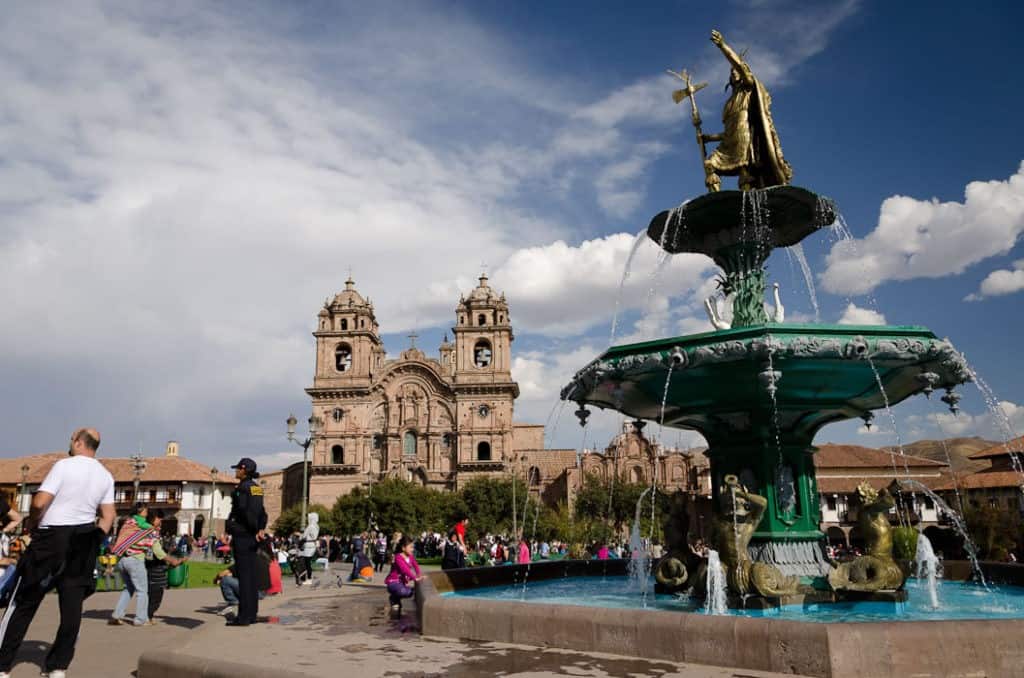
Machu Picchu is famous for a reason, but it doesn’t represent everything that makes Peru special.
From the enormous Inca ruins of Choquequirao and the mysterious remains of Espíritu Pampa to the Chachapoya fortress of Kuelap, the Moche treasures of Sipán, the vast adobe city of Chan Chan, and the ancient temples of Chavín de Huantar, Peru is filled with extraordinary places to discover.
And you don’t necessarily have to travel far from Cusco. The Sacred Valley and the hills surrounding the city are home to impressive archaeological sites such as Ollantaytambo, Pisac, Chinchero, Moray, Sacsayhuaman, Tipón, and Pikillaqta.
These places aren’t simply substitutes for Machu Picchu. They each tell a different story about Peru’s ancient civilizations, landscapes, and people.
So if Machu Picchu isn’t available, don’t see that as the end of your Peru adventure. It could be an opportunity to discover somewhere you might otherwise have missed.
And if you do want to visit Machu Picchu but are looking for an alternative way to get there, our team can help you choose the right route based on your interests, available time, and trekking experience.
Whether you want to discover ancient ruins, explore the Sacred Valley, experience Andean culture, or take on one of Peru’s more challenging mountain adventures, there is much more to Peru than Machu Picchu.
Ready to explore beyond Machu Picchu? Contact us to create a customized Peru itinerary built around the places, experiences, and landscapes that interest you most.








I was just talking with my friend today about alternatives to Macchu Picchu so this article was really helpful. We don’t want to hike so thanks for sharing all the alternatives including a great site accessible by cable car. I am sending it to her now so we can do some planning!