New Year’s Eve is celebrated all around the world, and Peru is no different. But if you spend New Year in Cusco, you will quickly discover that the celebration is about much more than champagne, parties and counting down to midnight.
For many Peruvians, the arrival of a new year is a chance to leave the past behind and welcome good luck, love, health, and new adventures. This is why New Year in Peru comes with so many fascinating traditions and superstitions. From eating 12 grapes at midnight to wearing yellow underwear and walking around the block with a suitcase, there are plenty of ways to express your desires for the upcoming year!
Very best of Cusco and Machu Picchu
Delve deeper into Cusco & the Sacred Valley: Incan salt terraces, ancient ruins, the spectacular Rainbow Mountain. Opt to trek or train to Machu Picchu.
In Cusco, these customs are combined with family celebrations, Andean beliefs and a huge public event in the historic centre. If you are visiting Peru during the holiday season, New Year’s Eve can be a memorable way to experience the city from a different perspective.
New Year in the City of Cusco (December 31)
Cusqueño families have many different ways of celebrating New Year, and traditions can vary from one family to another.
For many families, the celebration begins at home with a special meal shared with relatives. New Year’s Eve dinner may include turkey, chicken or guinea pig, depending on the family and their traditions. There is no single dish that everyone eats for New Year, but it is usually an occasion for preparing something special and spending time together.
After the family gathering, younger people often go out to meet friends and enjoy the city’s nightlife. Bars, restaurants and clubs organize special New Year’s Eve events, while many people head towards the historic centre to celebrate together.
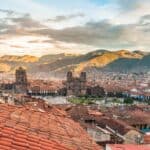
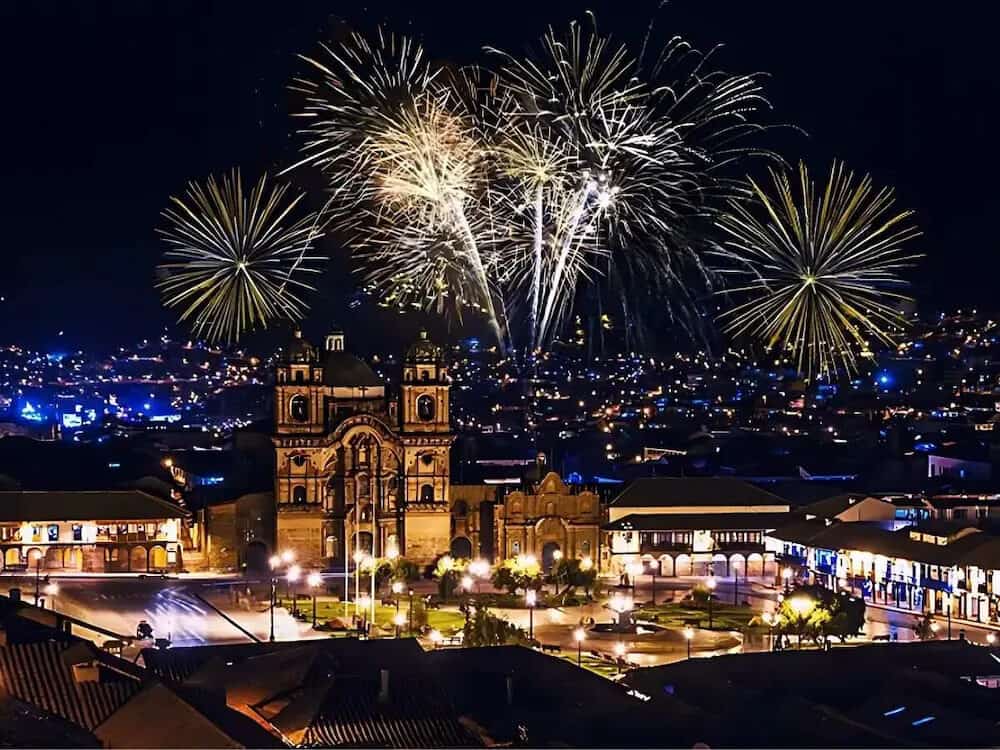
As midnight approaches, one of the main places to be is Cusco’s famous Plaza de Armas.
New Year’s Eve in the Plaza de Armas of Cusco

Cusco’s Plaza de Armas becomes a major gathering point at night.
People begin arriving before midnight, and by around 11:30 pm the square and surrounding streets can be very busy. Friends and families gather together, music fills the area and everyone waits for the countdown.
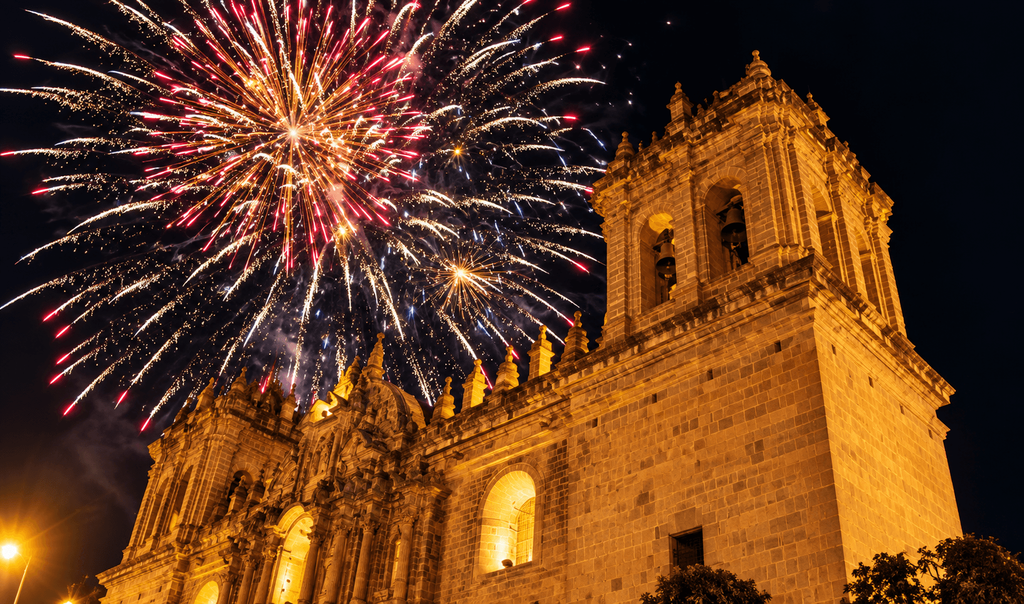
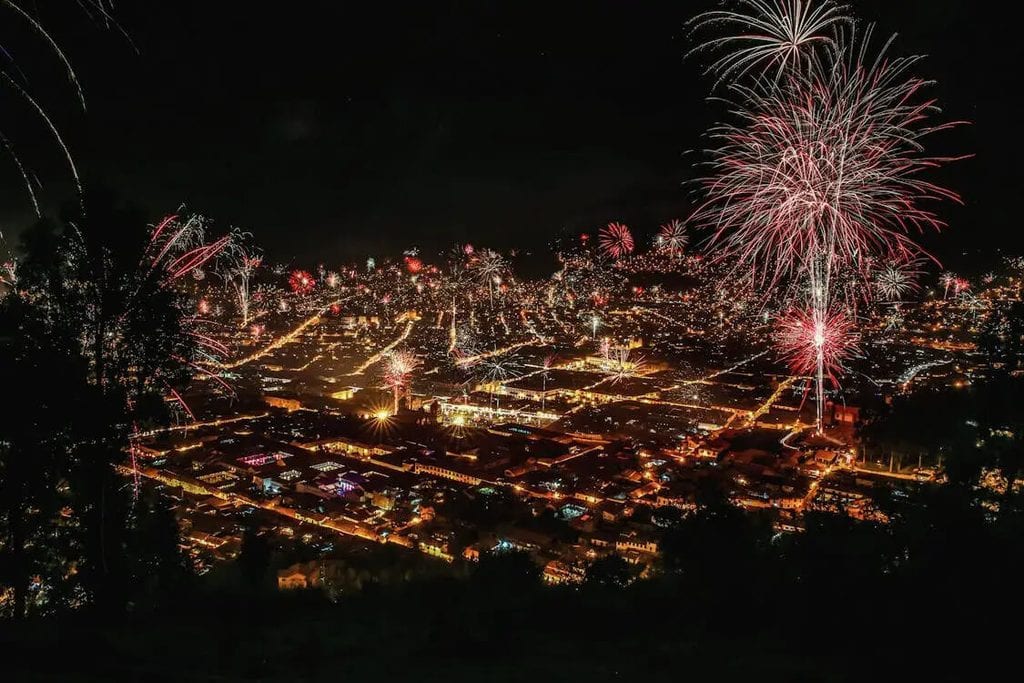
When midnight arrives, fireworks light up the sky and people celebrate the beginning of the new year. One popular local tradition is to run around the Plaza de Armas as the clock strikes twelve. Completing a lap around the square is believed to bring good luck for the new year. It also symbolizes new beginnings and a new cycle in life.
If you want to experience New Year in the Plaza de Armas, be prepared for large crowds. Keep your belongings secure and decide on a meeting point with friends beforehand in case you get separated.
New Year’s Traditions and Superstitions throughout Peru
New Year rituals in Peru are often connected with attracting fortune and leaving behind anything negative from the previous year.
Many of these customs are symbolic. People choose a particular color, eat certain foods or perform a small ritual while thinking about what they want to achieve in the upcoming year.
Here are some of the most popular New Year rituals you may encounter in Peru.
Eating 12 Grapes at Midnight
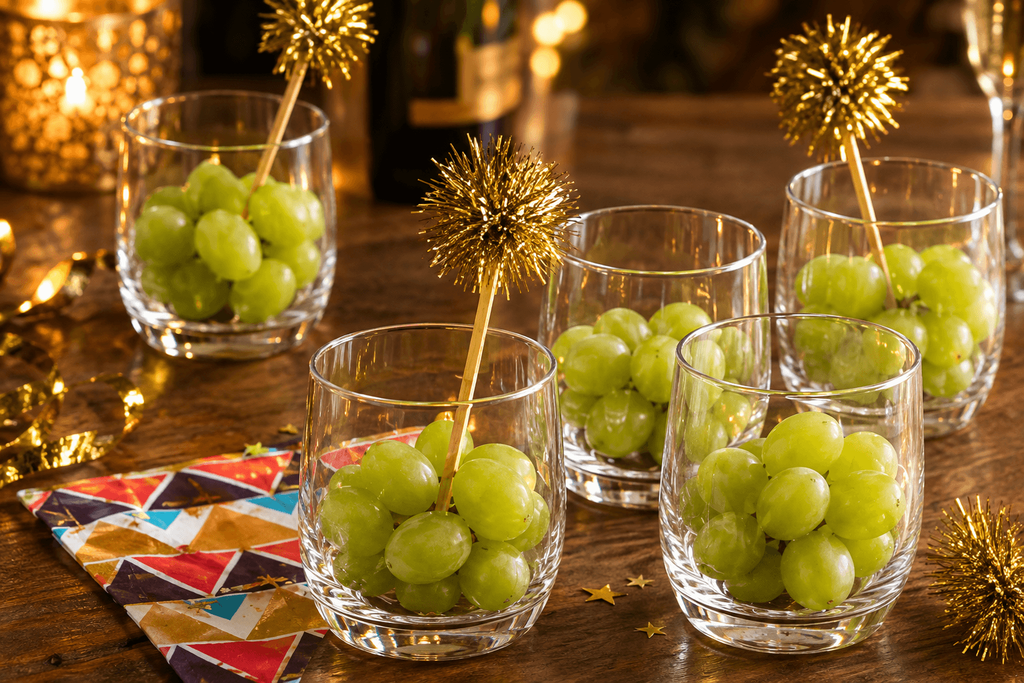
One of the best-known New Year rituals in Peru is eating 12 grapes as the clock strikes midnight.
Each grape represents one month of the coming year. As people eat them, they may make a wish or think about what they hope each month will bring.
The challenge is to eat all 12 grapes during the countdown!
This tradition is also found in other Spanish-speaking countries and has become a familiar part of New Year celebrations across Latin America.
Wearing Yellow Underwear on New Year’s for Good Luck
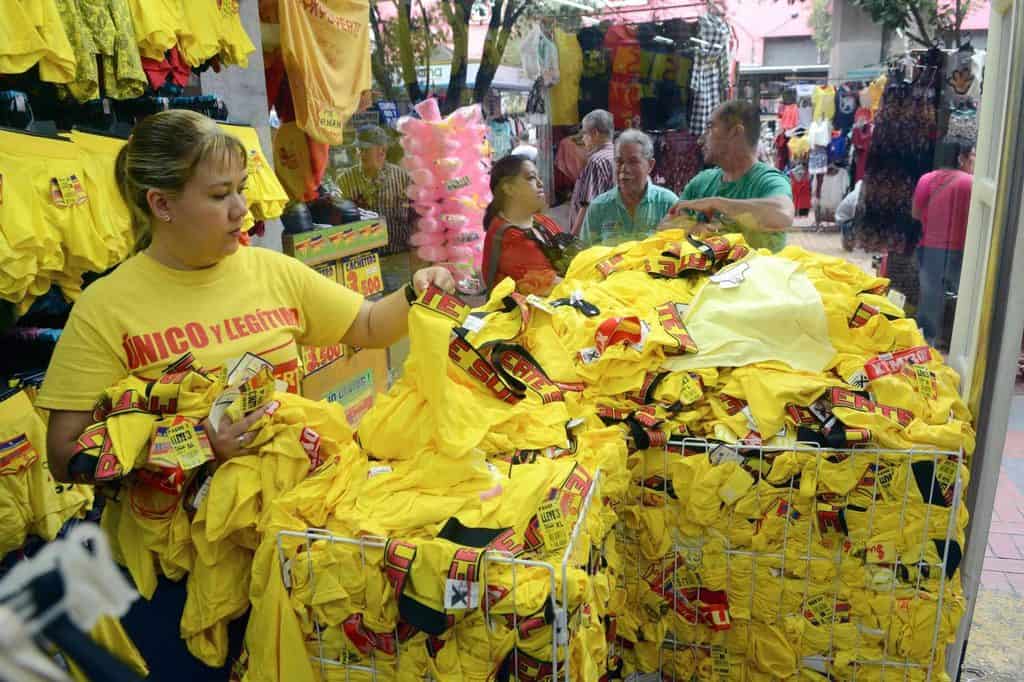
You may notice a lot of yellow around Peru in the days leading up to New Year.
Yellow is traditionally associated with happiness and fortune, making it one of the most popular colors to wear on New Year’s Eve.
New clothes are also important because they represent a fresh beginning. Markets and shops may sell colorful New Year clothing, and new underwear is particularly popular.
The color of the underwear is believed to influence what kind of luck you will attract.
Yellow is associated with luck and happiness, while red is connected with love and romance. Green represents money and financial prosperity, and white is associated with health and peace.
Burning the Old Year
Another traditional New Year custom in Peru is the burning of an effigy or doll made from old clothes.
The figure represents the old year and the things people want to leave behind. Burning it symbolizes getting rid of the past and making a fresh start.
This tradition can be particularly visible in some parts of Peru around New Year’s Eve, although customs and rules around burning objects vary depending on the location.
The symbolism is simple: say goodbye to the old year and make room for the new one.
Short on Time?
Discover the very best of Cusco and Machu Picchu in just 5 days. Experience a thoughtful, seamless, and unhurried itinerary designed perfectly for your schedule.
Take a Suitcase for Travel
Traveling to Peru in the coming year?
Then this is the Peruvian New Year tradition for you.
One popular custom says that if you want to travel during the upcoming year, you should take a suitcase or backpack and walk around the block shortly after midnight.
The idea is that taking your luggage out for a walk will attract travel and new adventures in the year ahead.
In Cusco, a city that attracts travelers from all over the world, it seems particularly fitting. And if you are already dreaming about your next Peru travel, there is certainly no harm in giving it a try!
Baño de Flores: A Flower Bath for Good Fortune
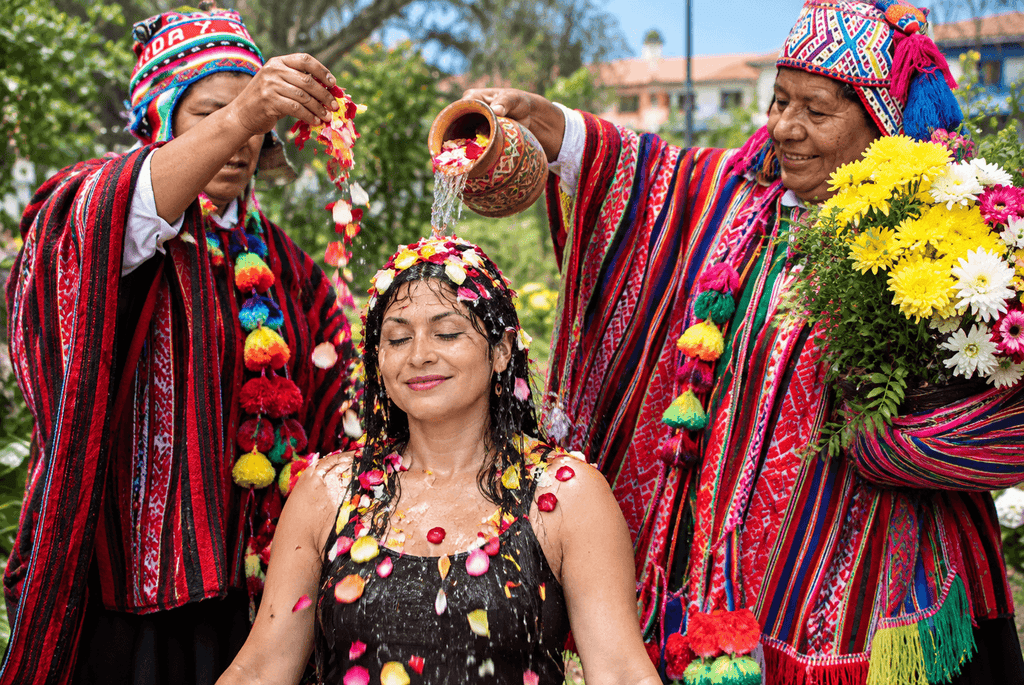
Another fascinating tradition is the baño de flores, or flower bath.
As the name suggests, flowers are placed in water and used as part of a ritual intended to attract good fortune or help bring a particular wish into reality.
The flowers and their colors can have different meanings. For example, roses may be associated with love, while other colors or flowers may be chosen for health, prosperity or other wishes.
These practices reflect the rich mixture of beliefs found in Peru, where Catholic traditions and older Andean beliefs have influenced one another over centuries.
For many people, New Year is therefore not simply a party. It is also a moment to reflect, make wishes and think about the future.
Potatoes and Your Financial Future
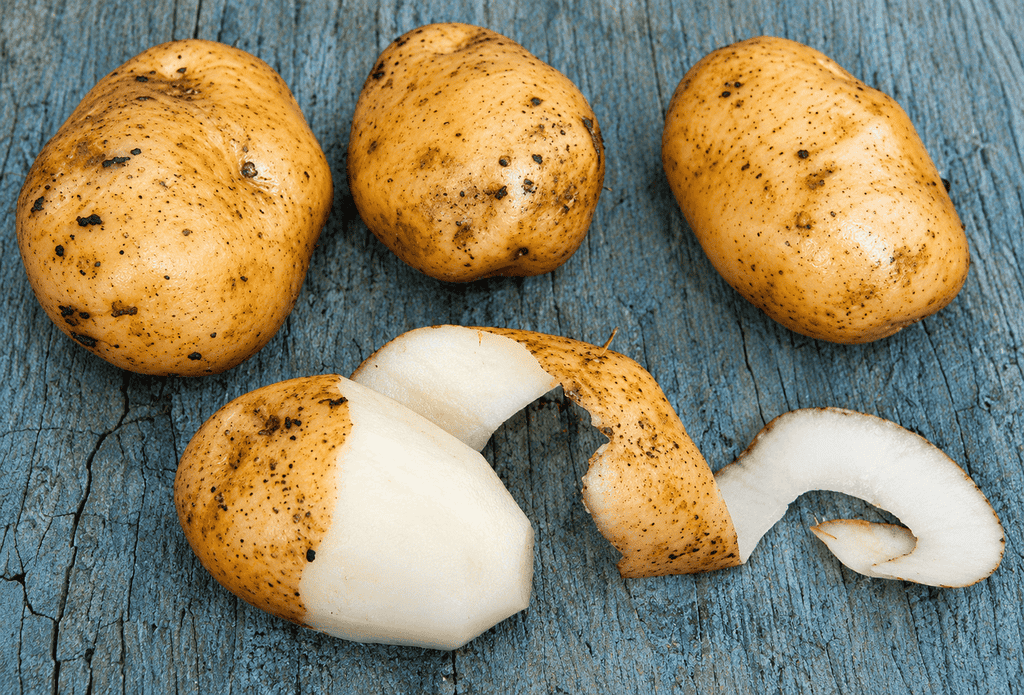
One of the more unusual New Year traditions involves three potatoes!
One potato is completely peeled, another is partially peeled and the third is left with its skin intact. The three potatoes are placed underneath a chair or sofa.
At midnight, someone chooses one of the potatoes without looking.
According to the tradition, the potato they choose predicts their financial situation in the following year.
A fully peeled potato represents a difficult financial year, a partially peeled potato represents an average year, while an unpeeled potato is supposed to mean a prosperous year.
Whether you believe in the prediction or not, it is certainly an entertaining way to celebrate New Year’s Eve in Peru!
Candles, Beans and Other Wishes
There are many other customs associated with attracting good luck and prosperity.
Some people light candles in different colors, with the colors representing different wishes. The meanings are similar to those associated with clothing: yellow for luck and prosperity, red for love, green for money and white for health or peace.
At midnight, some people also place beans in their pockets while making a wish for financial prosperity.
Another tradition involves throwing a small coin over your shoulder. Symbolically, this means throwing away poverty from the previous year and welcoming prosperity into the new one.
Rice may also be distributed around the home as a symbol of abundance, money and good fortune.
These traditions vary between families and regions, and not everyone follows all of them. That is part of what makes New Year in Peru so interesting: each family may have its own combination of customs.
New Year’s Day in Cusco (First Day of the Year)

The New Year’s celebration does not necessarily end when the fireworks are over.
January 1 is a public holiday in Peru, so many businesses and services may have reduced opening hours or remain closed. Families often spend the day together, enjoy a relaxed meal or simply recover from the previous night’s celebrations.
For travelers, New Year’s Day can be a quieter time to enjoy Cusco. However, it is a good idea to check opening hours in advance if you are planning to visit museums, restaurants or other attractions.
And after a late night of celebrating at high altitude, you may appreciate having a slower day!
Experience the New Year in Cusco!
If you are planning to spend New Year festivities in Cusco, it is worth organizing your plans in advance.
The city can be very busy during the holiday season, particularly around the Plaza de Armas. Hotels, restaurants and New Year’s Eve events can also fill up, so booking ahead is recommended.
If you want to celebrate in the Plaza de Armas, arrive early and be prepared for crowds. Keep your valuables secure and agree on a meeting point with your travel companions before entering the busiest areas.
Cusco is also located at more than 3,000 metres above sea level, so remember that staying up late, dancing and drinking alcohol can feel more tiring at altitude. Drink plenty of water and take it easy, particularly if you have only recently arrived in the city. Check out our blog post on the altitude in Cusco and how to prevent it.
Celebrating New Year’s in Peru & More Cultural Festivals

Welcome the New Year in Cusco! It is a celebration of family, friendship, traditions and hopes for the future. You might find people wearing yellow, carrying a suitcase around the block, choosing a potato to predict their financial future or simply gathering with loved ones to welcome another year.
Some traditions may seem unusual to visitors, but they all share something in common: the hope that next year will bring something better.
And perhaps that is what the new year experience and celebration in Peru so special. Beneath the fireworks, music and parties, there is a deeply human idea at the heart of it all – saying goodbye to the past and welcoming whatever adventures the new year may bring.
Want to learn more about festivals in Cusco and across Peru? Check out our festival guides! We have a handy overview with a month-by-month events calendar, as well as in-depth guides to festivals such as Inti Raymi, Qeswachaka and Christmas in Peru.
And if you already have your travel dates, get in touch with us! Tell us when you’re planning to visit Peru and Machu Picchu, and we can let you know which festivals and cultural celebrations are taking place during your trip – and whether they are worth adding to your itinerary.