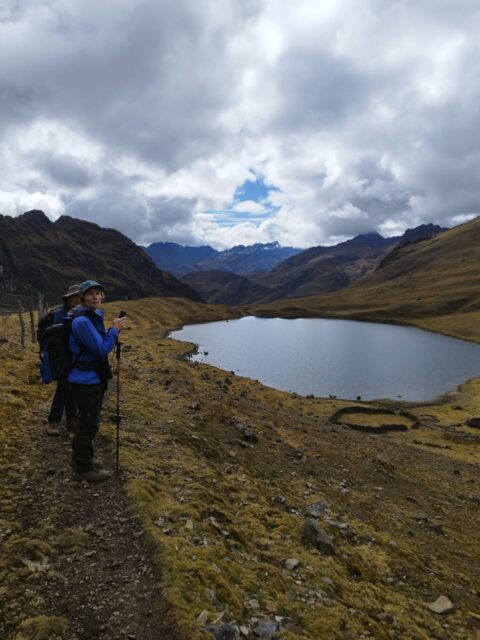
Do you want to experience a unique festival like the locals do here in Peru, immersing yourself in the vibrant culture? Then you shouldn’t miss one of the most exciting and popular religious festivals in Peru, in Paucartambo. This spectacular festival is held every year on the same date in mid-July in Paucartambo, which is located a three-hour drive away from Cusco, on the eastern slopes of the high Andes Mountains, not far from the tropical rainforest.
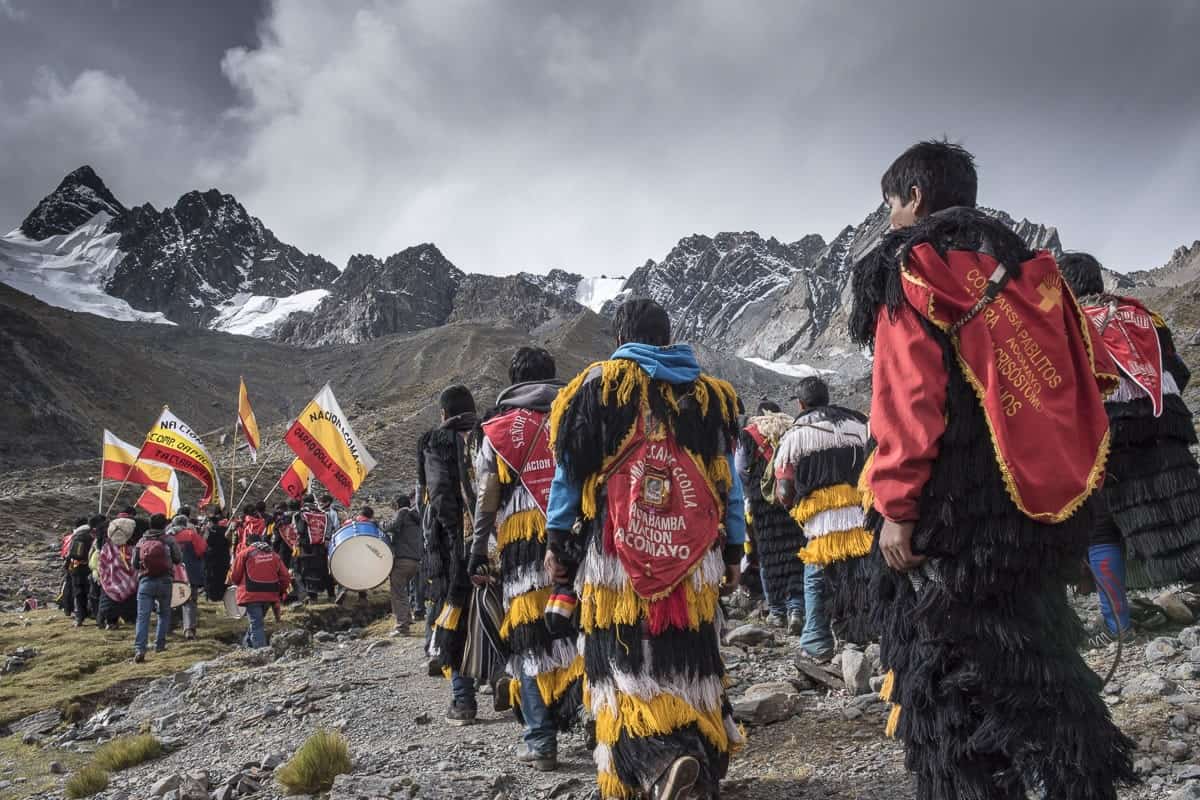
Peru has so much more to offer than just Machu Picchu and Rainbow Mountain – dare to have an authentic and cultural adventure from the perspective of locals! People from all over the country come to Paucartambo, playing their traditional live music, dancing in colourful costumes, and celebrating in honour of La Virgen del Carmen.
The festival is known for the splendor of its elaborate costumes, energetic dances and lively celebrations. Imagine a festivity that combines religion, art, dance, drinking and more, all rolled into one … it’s the Mardi Gras of Peru!
Want to know how to visit this incredible festival in Peru? Have a look at our Virgen del Carmen Festival tour
The Fiesta de la Virgen del Carmen: History & Origins in Spain
What is the story behind this Peruvian festival, and who actually is the Virgen del Carmen? Also known as Santa María del Monte Carmelo or Stella Maris, the Virgin of Carmen (which is Virgen del Carmen in Spanish) refers to the Virgin Mary, and is a very significant Saint to the local population. She is also known as the patron saint of sailors, fisher and seafarers, and is closely associated with the protection of those who travel on the water. This nautical connection is particularly important in coastal communities, where the Virgen del Carmen has long been honoured as a patron saint of the sea of those who depend on it.
The Virgen del Carmen meaning derives from Mount Carmelo (546m / 1,790ft) located in the city of Haifa in Israel, a biblical place where the prophet Elias (or Elijah) dwelt. It was there where Elijah prayed to God for the salvation of Israel, which was suffering a terrible drought at the time. He sent his servant up to Mount Carmel to pray for rain. After the seventh try, the servant spotted a little cloud, rising from the sea.
Shortly after, it started to rain heavily and Israel was saved. Elijah saw the cloud as a symbol of the much-awaited Virgin mentioned in a prophecy who would become the mother of the Messiah. Hundreds of years later, many pilgrims came to this holy place with the purpose of keeping the Virgin Mary of Mount Carmelo safe. Today, the Virgen del Carmen is the protector of all waters, seamen, and fishermen.
The dedication to Virgin Mary became an important part of many Catholic-based countries. In Nerja, Spain, faithful believers gave her the name of Stella Maris, or “The Queen of the Seas”. Fishermen and sailors from La Costa honored their protector and patrona, believing that she cleared the waters to protect them. Until today, this festival is celebrated on every July 16 in many coastal towns and villages throughout Spain.
The Virgen del Carmen in Peru
When the Spanish conquered the ancient Inca Empire, they brought their traditions and Catholic beliefs to Peru, including the festival of the Virgin of Carmen.
Today, Peruvian religion is a combination of Indigenous beliefs and Spanish Catholicism. La Mamacha Carmen became the patron saint of Paucartambo, and the Virgen del Carmen Festival one of the most popular holidays in Peru.
Learn more about festivals in Peru!
Where is the Procession of the Virgen del Carmen Held?
The Virgen del Carmen takes place in Paucartambo, a small town about three hours east of Cusco on the road to Manu National Park. This colonial town is the capital of the province Paucartambo in the Cusco region.
Today, the Virgen del Carmen Fiesta attracts thousands of visitors from across Peru and all of South America.
The Story behind the Virgin del Carmen, Peru
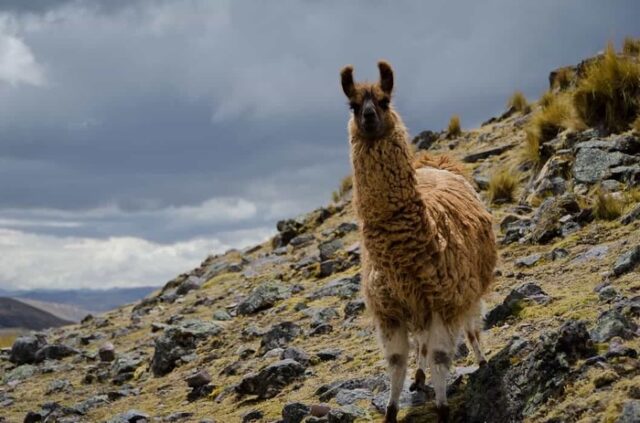
There are a number of quite different legends about the Virgen del Carmen story. It is believed that the origins of this Peruvian festival took place in the 17th century. According to one of many legends, inhabitants of the high Andes mountains were bringing their herd of llamas to Paucartambo to barter with locals. During their long journey, both immigrants and locals saw the face of a virgin in a clay pot. From that surprising apparition, they sculpted an image of the virgin and built a temple to venerate her.
Another legend is about a young female trader who headed to the little town of Paucartambo to trade a silver dish. Upon arrival in the village, she discovered a beautiful, bodiless head. When she placed the divine head on her dish, this head began to speak to her, saying that her name was Carmen and her purpose was to help the locals of Paucartambo. Carmen began to heal people and fulfill their deepest wishes. She performed various miracles among the community and it was said that she had rays of light glowing from her head.
The sculpture of the Virgin is very important to locals. She is locally known as “Mamacha Carmen” and the official protector of the mestizo population. It is believed that the colours of the Virgin’s cheeks forecast the fortune of the community. If her cheeks are red, it bodes well for the inhabitants, whereas pale cheeks augur bad times ahead.
The Dances and Costumes
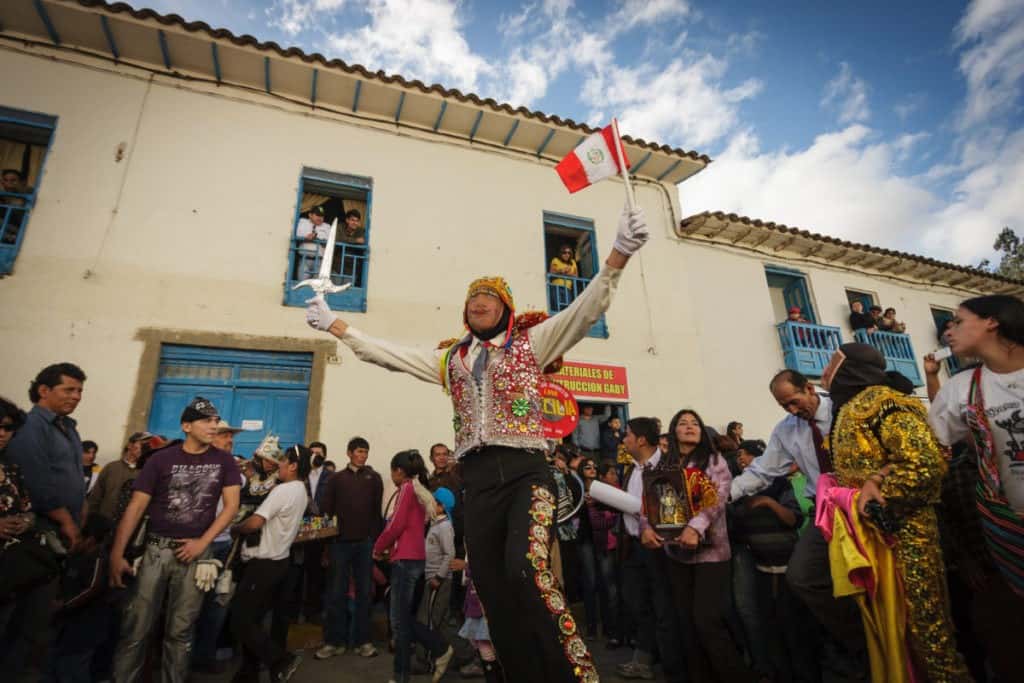
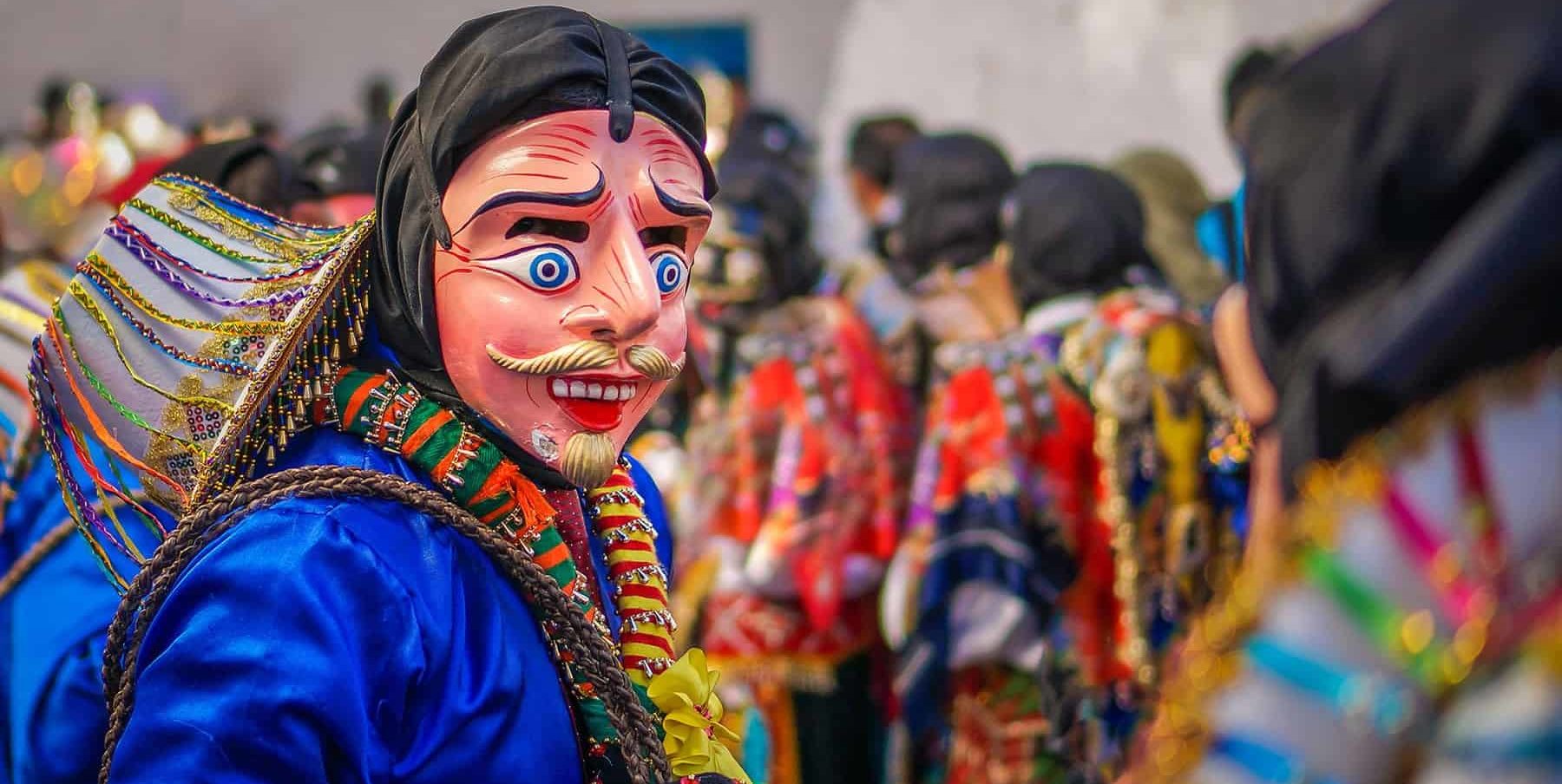
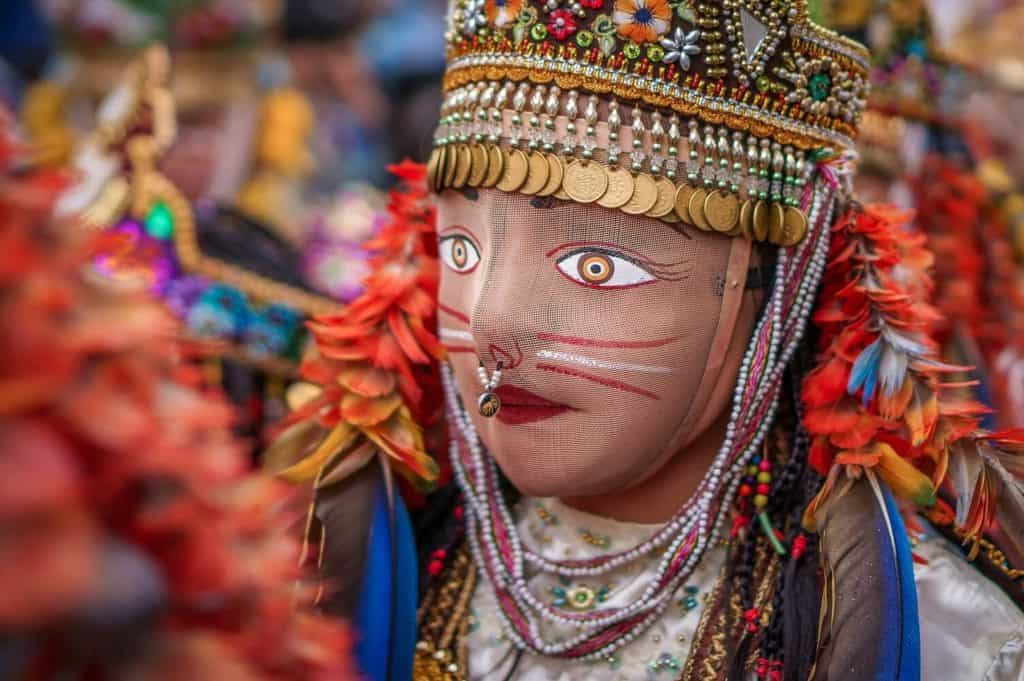
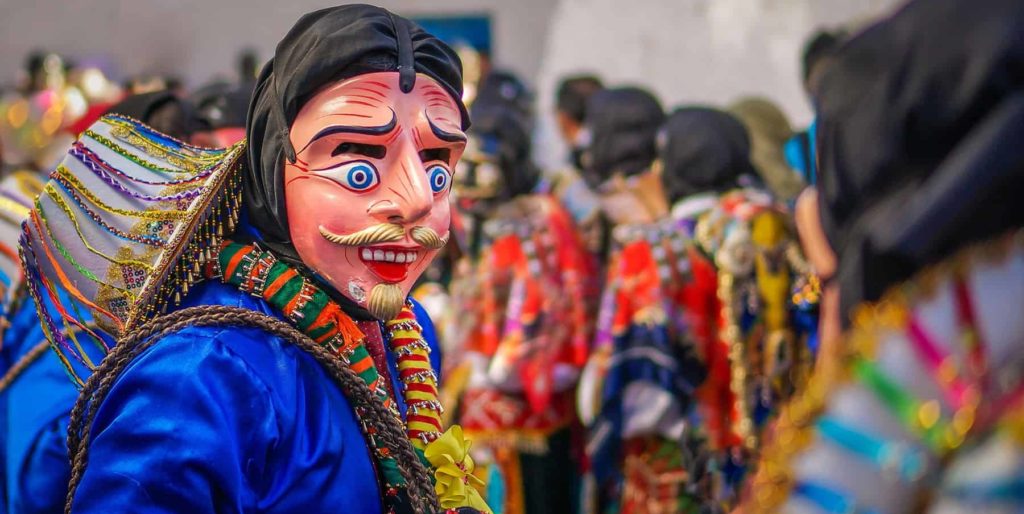
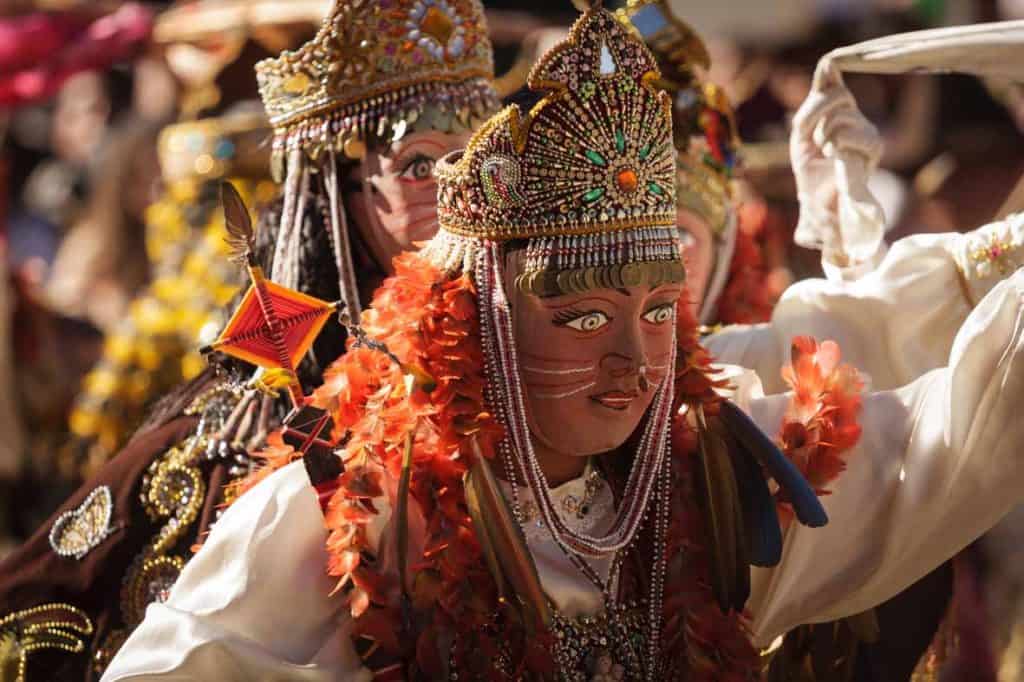
The Festival de la Virgen del Carmen consists of lots of traditional and significant dances by people in awesome costumes. Many of these dances have ingenious choreography that portray important events in Peruvian history. The dancers wear very colourful costumes and grotesque masks, representing colonial and religious characters during the procession, including demons, warriors, traders, colonials and guardians of the Virgin.
Some characters, such as doctors and lawyers, represent powerful bureaucrats who used to exploit local people. Another symbolic character is, for example, the black-masked Qhapaq Negro, depicting the African slaves who worked at the silver mines. Many other characters are parodied at the Virgen del Carmen Festival, such as red-nosed, drunken Spanish conquistadors, European colonial demons with blonde wigs and deformed masks, or monstrous-looking characters representing malaria victims.
Top tip: Bring your hard hat! Some of the performers, especially these demons with grotesque masks, like to throw random items into the crowd: fruit, vegetables, balls and wooden spoons. They even climb up to the balconies and rooftops during the procession, gesticulating and dancing wildly.
The Festival of the Virgen del Carmen in Peru: What to Expect
The Virgen del Carmen Festival Peru takes place every year from July 15-18 in Paucartambo. In recent years, the annual event has become more popular, attracting tourism and travellers.
The preparation of the Fiesta Virgen del Carmen, Cusco takes place over several months and every inhabitant of the community seems to take part, sewing costumes, creating grotesque masks, or practicing the traditional dance routines. But what exactly happens during these three days? Let us explain to you everything about this incredible event.
Day One (July 15)
The Virgen del Carmen Paucartambo festival begins with the explosion of a rocket and the ringing of bells. People then go to church, taking a moment to pray for their loved ones and leaving a little offering for the Virgin, such as flowers and candles. The participants decorate the altar with colourful flowers in honor of the Virgen del Carmen.
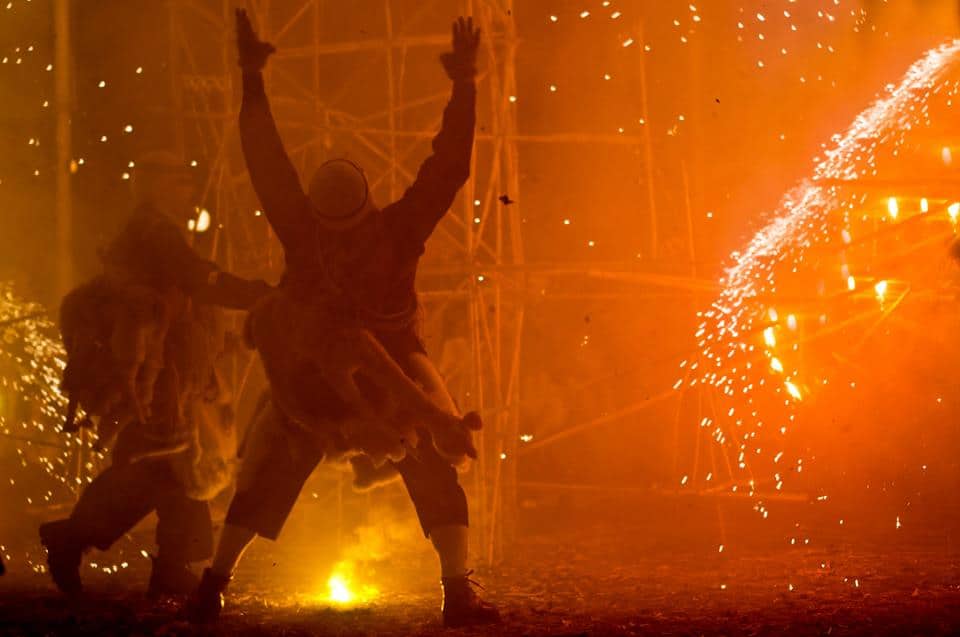
Afterwards, the procession starts, in which the dancers and bands perform their musical ensemble and swirl among the crowds. At night, there are spectacular fireworks and artists performing incredible fire shows. They jump through the fire to symbolically cleanse themselves from the negative energies and demons, stage historic battles, and perform all kinds of acrobatic shows for the crowds. It is an extravagant and very impressive program with lots of boisterous performances.
Day Two (July 16th)
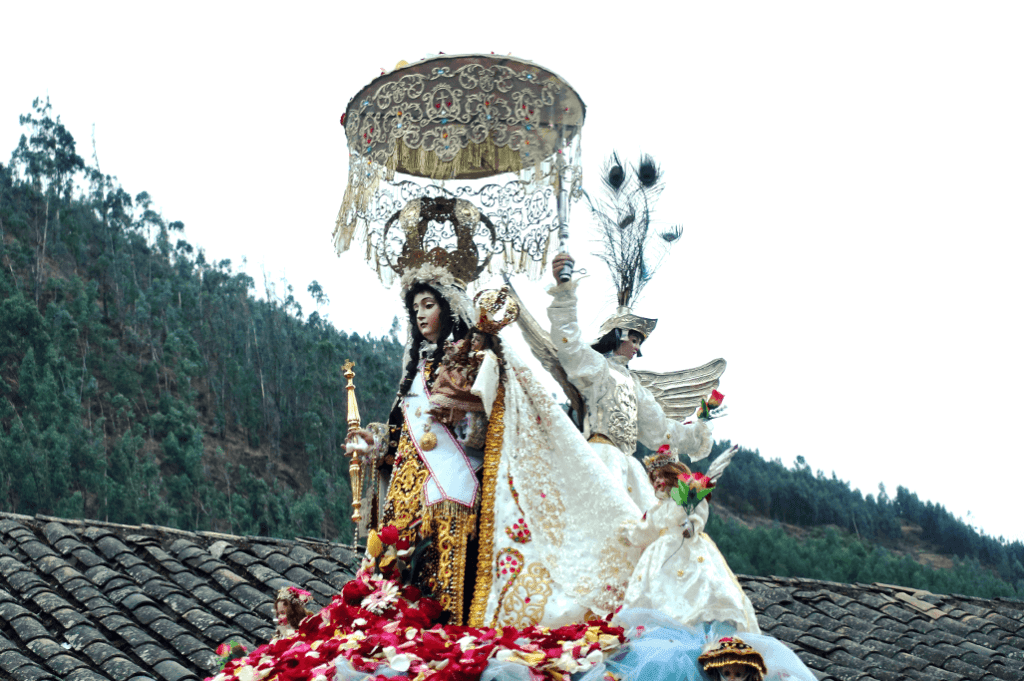
The second day, 16th July, is the festival’s main day, in which the actual procession begins. The Virgin, decorated with rose petals and flowers, is carried around the town in a spectacular procession to bless those present and scare away demons.
The dancers become more and more animated as the festival progresses, performing daring gymnastics and showing off their colourful Inca and colonial garb. At the end of the main procession, “war” is waged on the demons, from which the faithful emerge in triumph. This symbolic moment represents la victoria, the victory of good over evil.
Day Three (July 17)
On July 17, the gathering ends at the cemetery to pay homage to the souls of the dead. Everyone joins in, including the performers, dancing and singing at the cemetery as a symbolic celebration of life and remembrance of death.
For many visitors and local families, this is one of the most emotional moments of the Virgen del Carmen Festival, bringing together music, remembrance and community.
The Famous Sunrise at Tres Cruces, Paucartambo
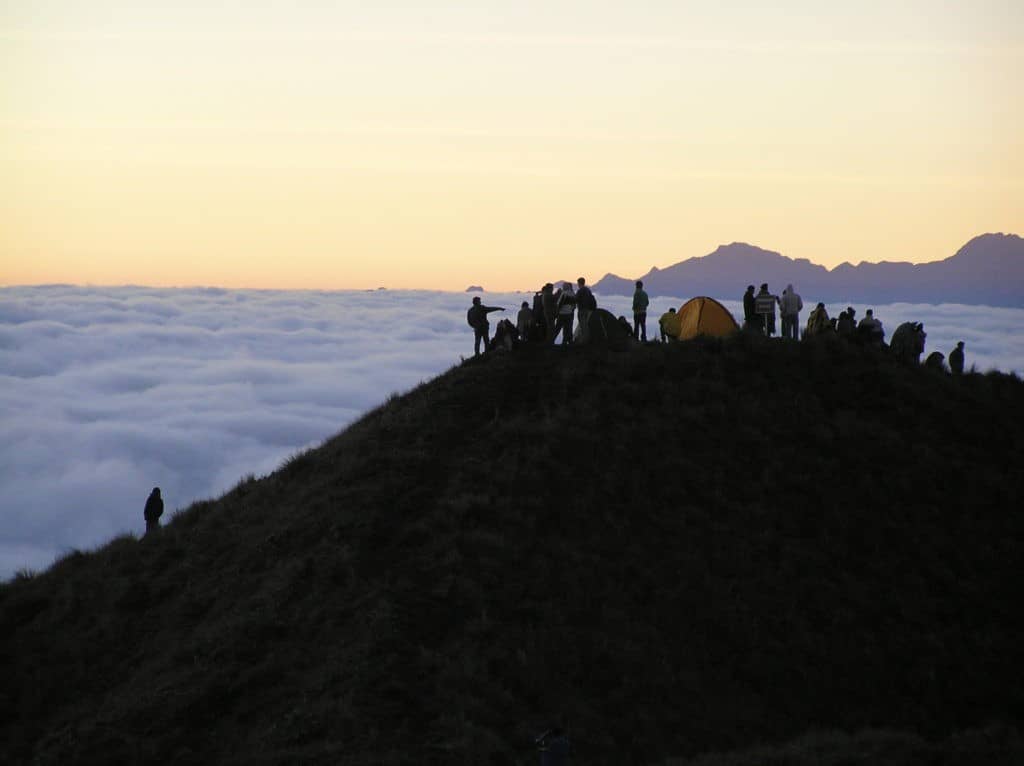
About 40 kilometers north of Paucartambo is a lookout spot called Tres Cruces (Three Crosses), which is situated on the very edge of the high Andes Mountains at an altitude of 3,900m (12,795 ft). The viewpoint is also known as “The Balcony of the East” and is one of the three places in the world where you can actually see the winter solstice. At this mirador, you can see the Manu National Park’s vast jungle, the highest mountain range of the snow-capped Ausangate Mountain, the Paucartambo River, as well as the impressive mountain valley of Apuqañaqway.
Tres Cruces Paucartambo is most famous for the spectacular rising of the sun, with a variety of colours, shapes, and an incredible light show. It is a unique phenomenon that only occurs between May and July due to the special climate conditions during these months. Read more about how to reach this stunning destination and admire the breathtaking triple sunset of Paucartambo in our expert guide.
Experience the Festival Virgen del Carmen Tour 2D
Join Apus Peru on a tour and experience the Virgen del Carmen Festival first-hand! We organise for adventurous travellers the unique opportunity to be entertained during the Virgen del Carmen Paucartambo festival! This Andean Fiesta lasts four days and includes beautiful dances, local food, and gorgeous parades (not to mention a fair bit of alcohol).
With Apus Peru, travellers get to immerse themselves in the local culture with private transportation, a guide, and cooks to keep them comfortable. Our two departures every July combine attending this incredibly colourful festival in Paucartambo with a trip to Tres Cruces. Read more about our Virgen del Carmen Tour!
Do you want to join the Virgen del Carmen Festival this year? Contact our travel experts for personalised attention.
What to Expect on Day 1: Cusco – Ninamarca – Paucartambo – Tres Cruces
The Virgen del Carmen Festival Tour itinerary begins with a drive from Cusco to Paucartambo, stopping at the fascinating pre-Inca chullpas of Ninamarca along the way. We then continue to Paucartambo, arriving around midday with time for lunch before heading out to explore the festival.
Our local guide will take you to the best place to watch the famous dancers and musicians as they parade through the town, across the colonial bridge and into the main square. Depending on the celebrations, you may also have the chance to watch the festivities from a local terrace, giving you a different perspective of the colourful costumes, masks and traditional dances filling the streets.
In the evening, we return to the main square for spectacular fireworks and traditional fire performances. After experiencing the lively nighttime celebrations, we leave Paucartambo behind and head up to Tres Cruces (3,800m / 12,467ft), where we set up camp for the night. The following day begins early with a spectacular sunrise before we return to Paucartambo for the main Virgen del Carmen procession.
What to Expect on Day 2: Tres Cruces – Paucartambo – Cusco
We’ll start the day early with a spectacular sunrise at the Tres Cruces viewpoint, where the Andes meet the Amazon rainforest. On clear mornings, you may even witness the famous “three suns” phenomenon, created by the unique atmospheric conditions. We’ll enjoy a hot drink and a light breakfast before returning to Paucartambo around 7 am.
Today is the main day of the Virgen del Carmen Festival, with the highly anticipated procession of the Virgin through the crowded streets of Paucartambo. From the historic Colonial Bridge, we’ll have a great vantage point to watch the Virgen del Carmen and more than 15 traditional dance groups accompanying her procession.
After experiencing the main celebrations, we’ll have some time to enjoy the festive atmosphere before departing Paucartambo around 5:30 pm and returning to Cusco, arriving at approximately 9 pm.
Plan Your Trip Around a Peruvian Festival!

Are you interested in other festivals in Peru? We’ve got you covered! In addition to Virgen de Carmen, Apus Peru offers tours and treks to several festivals in Peru. Including festival visits in your trip to Peru is a great opportunity to experience local culture and history, plus have a great time!
Festivals are pretty much non-stop in Peru, so it is likely one will fit your schedule. Please see our monthly event calendar and our guide on festivals in Cusco for more information and travel inspiration!
There is so much more to explore! Inti Raymi, the fascinating Sun Festival held in Cusco, is a colourful festival honouring the Inca sun god, with lively parades, traditional music and spectacular reenactments.
Other highlights include Easter in Peru, with its solemn processions and unique Andean Catholic traditions, Cruz Velacuy, a fascinating festival centred around the veneration of crosses, and Christmas in Peru, when towns come alive with local traditions. During the festive season, don’t miss the Peruvian chocolatada, a beloved tradition of sharing hot chocolate, panetón and treats with family and community.