
Few places in the world capture the imagination quite like Machu Picchu. For many travelers, visiting this ancient Inca citadel is a lifelong dream – a place imagined long before the journey to Peru ever begins. But what makes Machu Picchu so special? Why is Machu Picchu important, and is it really worth visiting?
The answer goes far beyond its fame.
Let’s take a closer look at Machu Picchu and discover why this extraordinary place should be on your Cusco itinerary.
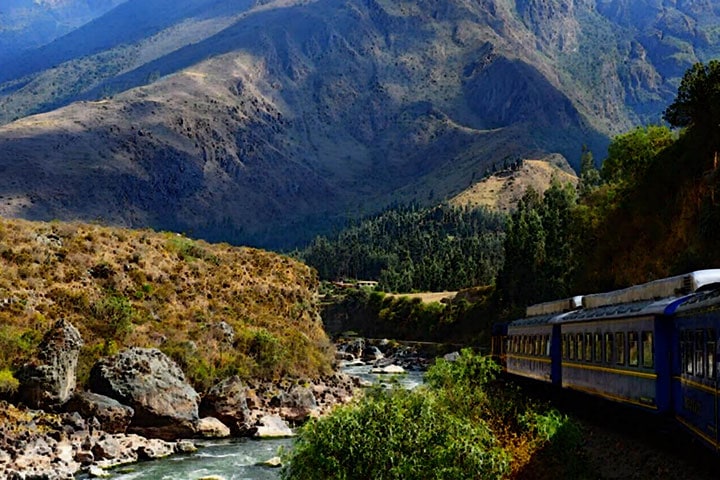
2-day Cusco to Machu Picchu train trip
All-inclusive train to Machu Picchu including a Sacred Valley tour. Best option for private tour; customize to suit your itinerary.
In this day and age of social media, YouTube and immersive online experiences that are well filmed and very detailed, it would be easy enough to stay at home on the couch. However, let us assure you – there is nothing quite like experiencing things for yourself…
To Experience Inca History Firsthand
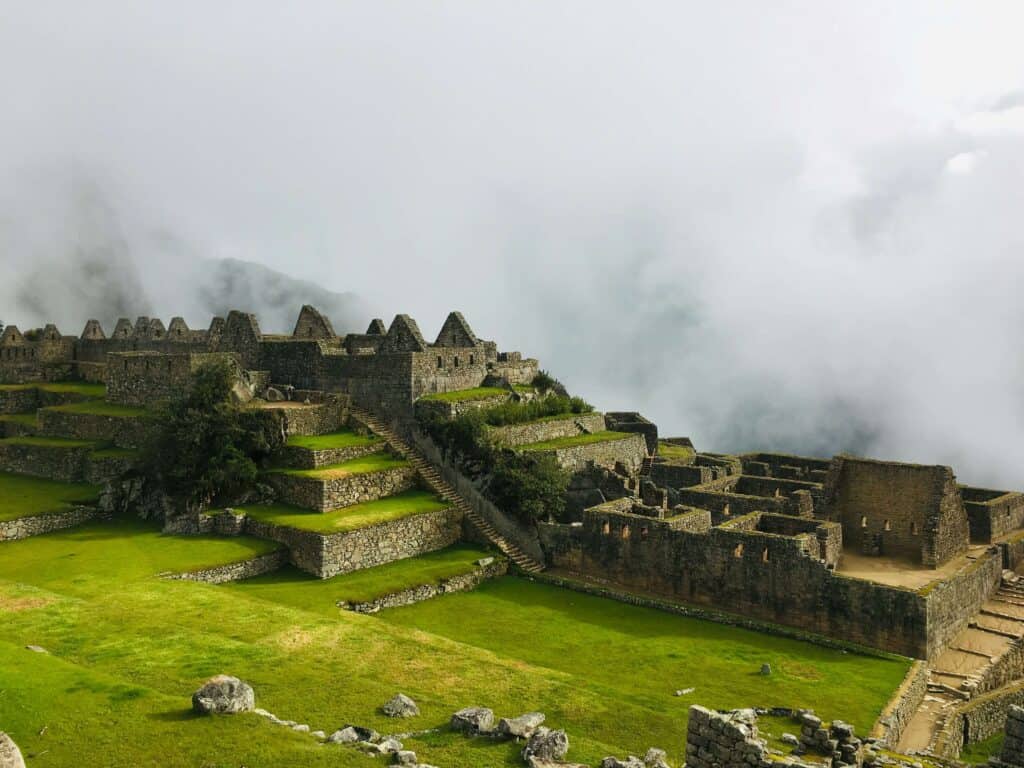
Thanks to the support of Yale University and the National Geographic Society, Dr. Hiram Bingham organized an important expedition to Machu Picchu in 1911, bringing together specialists who would help advance the study of Peruvian archaeology. His work helped bring Machu Picchu to international attention, and he later published numerous accounts of his explorations, including “In the Wonderland of Peru” in National Geographic Magazine, which featured photographs that introduced the site to a wider audience.
These early scientific expeditions also helped researchers better understand the true scale and complexity of Machu Picchu. They revealed its connections with other Inca settlements throughout the Sacred Valley and surrounding region, showing that Machu Picchu was part of a much larger and highly developed Inca world.
To Discover the Spiritual Side of Machu Picchu
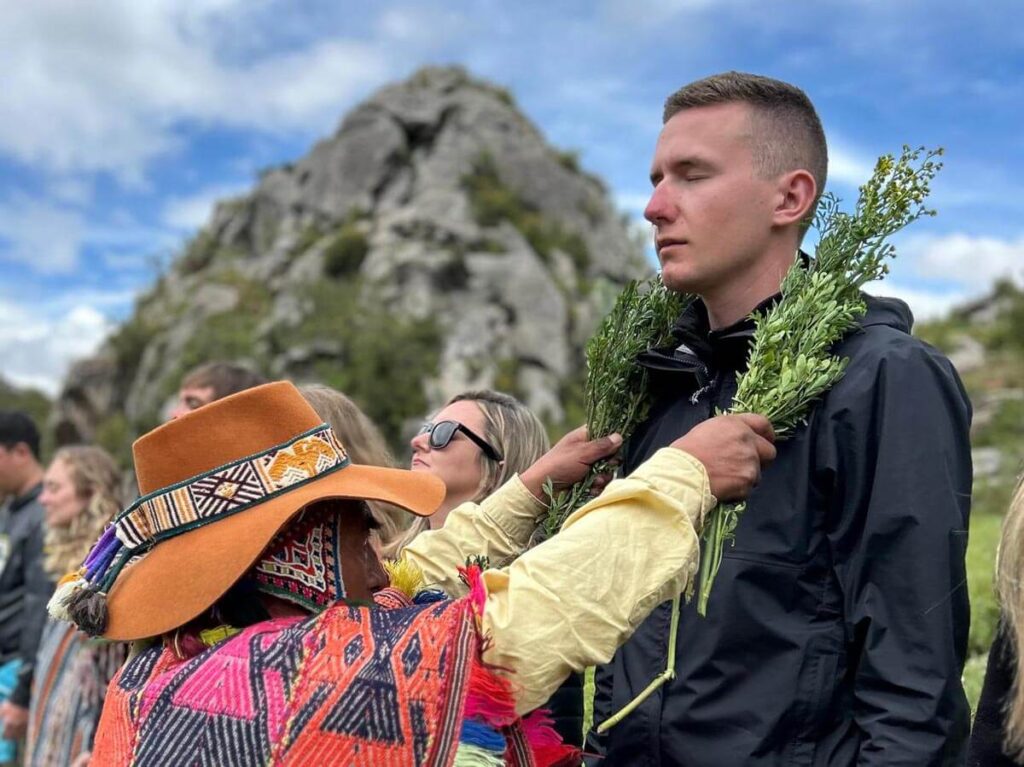
Machu Picchu is not only an extraordinary example of Inca architecture – it is also a place that may have held an important spiritual and ceremonial purpose. Its dramatic location among sacred mountains, its carefully designed temples, fountains, and astronomical features all add to the sense that this was more than simply a settlement.
Some researchers, including Italian archaeo-astronomer Giulio Magli, have suggested that the journey along the Inca Trail may itself have formed part of a ceremonial pilgrimage, preparing travelers for their arrival at Machu Picchu. Along the route, pilgrims may have stopped at significant points to perform rituals before entering the sacred city. Once inside, water and fountains may also have played an important role in ceremonies and purification.
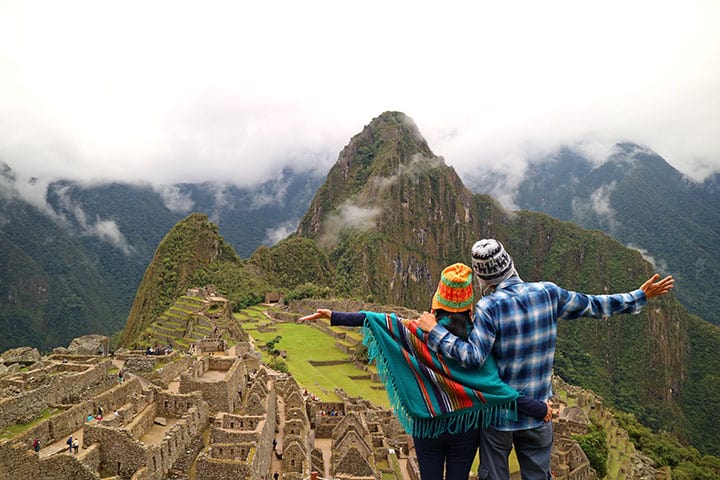
Want to see Machu Picchu…?
4 complete days around Cusco + Trek or Train to the Lost City; Colorful markets, llamas, amazing Peruvian food
While much about the exact purpose of Machu Picchu remains a mystery, this sense of spirituality is still one of the reasons the site is so fascinating to visit. Walking through its temples, sacred spaces, and fountains, surrounded by towering Andean peaks, offers an experience that goes far beyond simply visiting an archaeological site.
To Admire the Incredible Engineering of the Incas
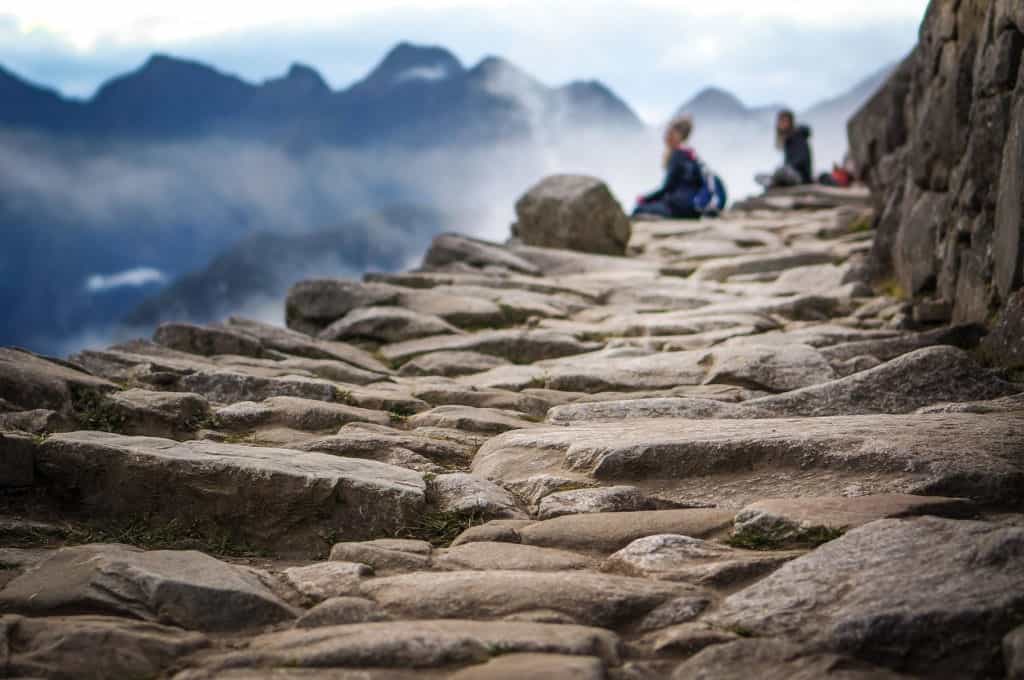
One of the most remarkable reasons to visit Machu Picchu is the opportunity to see the incredible skill of the Inca civilization while exploring the ancient citadel and the spectacular landscapes behind Machu Picchu, including Huayna Picchu and Machu Picchu Mountain.
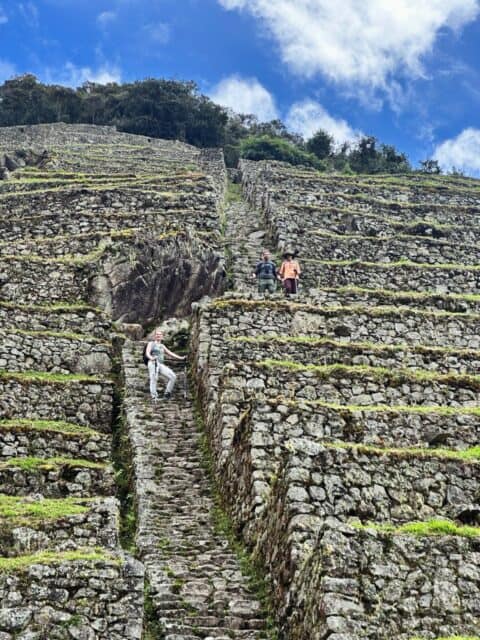
Built high on a steep mountain ridge in a region with heavy rainfall and challenging terrain, Machu Picchu is an extraordinary example of Inca engineering. The Incas created agricultural terraces, sophisticated drainage and water systems, staircases, pathways, and precisely constructed stone buildings that have survived for centuries. Many of the stones were carefully shaped to fit together without the use of mortar, demonstrating an impressive understanding of architecture and construction.
As you walk through its stone paths, terraces, temples, and residential areas, you are following routes that were once used by the people who lived and worked here. Every staircase and pathway offers a closer connection to the site and the remarkable civilization that created it.
The experience becomes even more meaningful if you arrive at Machu Picchu on foot, following ancient trails through the Andes before reaching the citadel. This is why we recommend to hike the Classic Inca Trail, or other alternative hikes heading to Machu Picchu.
To See One of Peru’s Most Extraordinary Landscapes
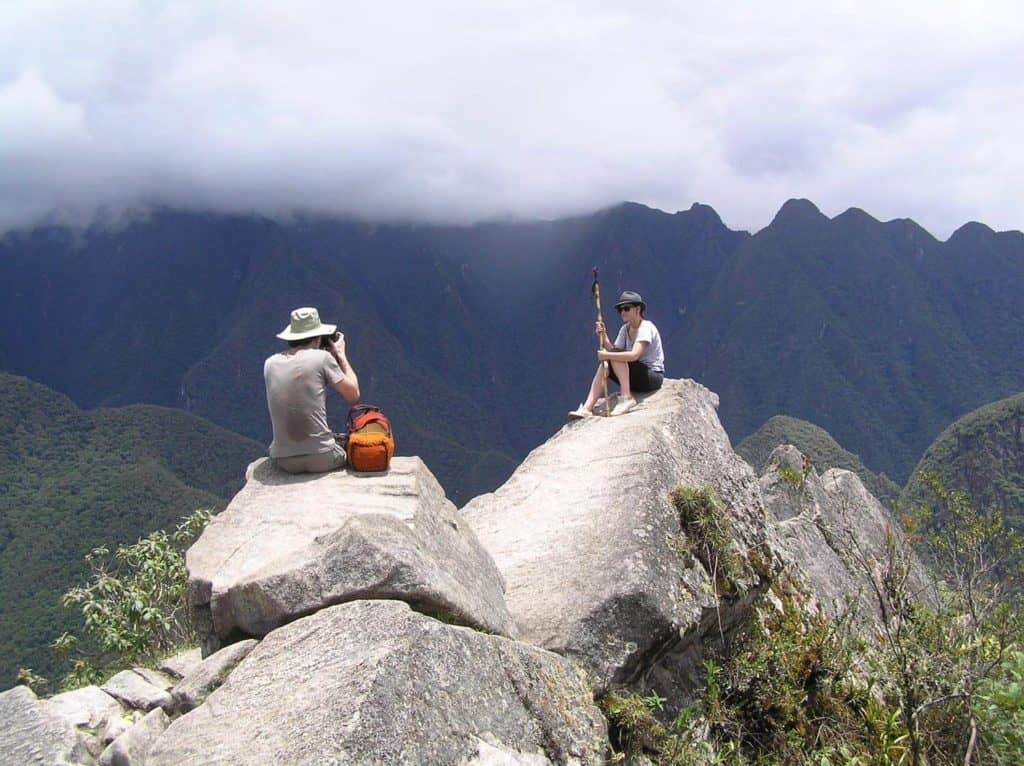
Even without its Inca ruins, the location around Machu Picchu would be spectacular.
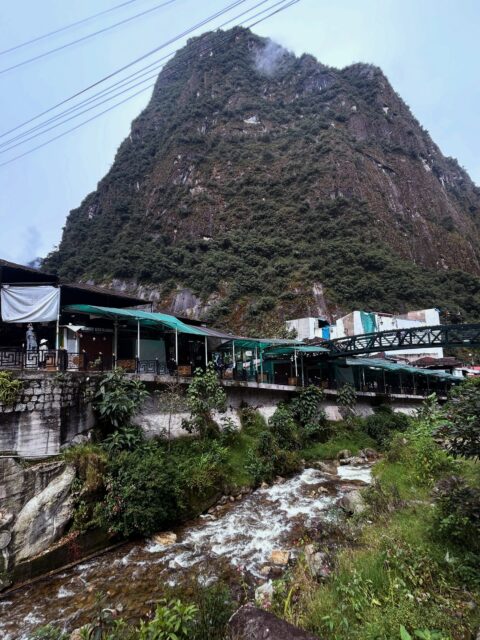
The Incan citadel sits among dramatic Andean mountains, surrounded by steep green slopes, cloud forest, and the Urubamba River far below. The combination of ancient architecture and wild natural scenery is one of the things that makes Machu Picchu unlike almost anywhere else in the world.
The landscape can also change dramatically throughout the day. Clouds may slowly move through the mountains, revealing and hiding different parts of the surrounding scenery. In the morning or during rainy season, mist can create an almost mystical atmosphere, while clear weather offers spectacular views of the mountains surrounding the citadel.
Machu Picchu is not simply an archaeological site placed in a beautiful landscape – the landscape is an essential part of the experience.
To Discover a Place That Still Holds Many Mysteries
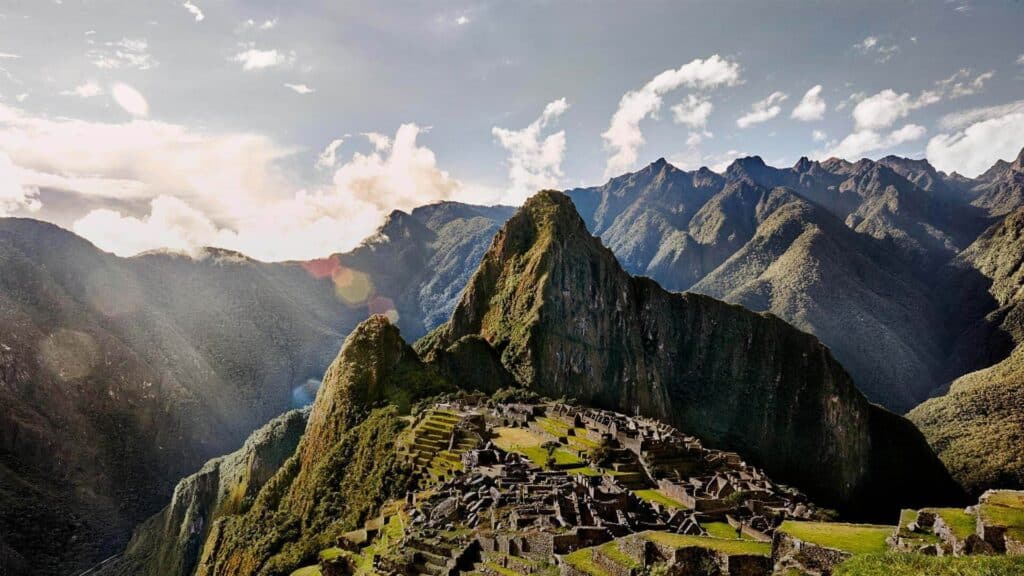
Despite more than a century of research, many parts of Machu Picchu still raise questions.
Researchers have developed different theories about its purpose. Some believe it may have served as a royal estate, while others have focused on its possible religious or ceremonial importance. There is also still debate about the people who lived there and how different areas of the citadel were used.
To Explore the Sacred Valley and the Wider Inca World
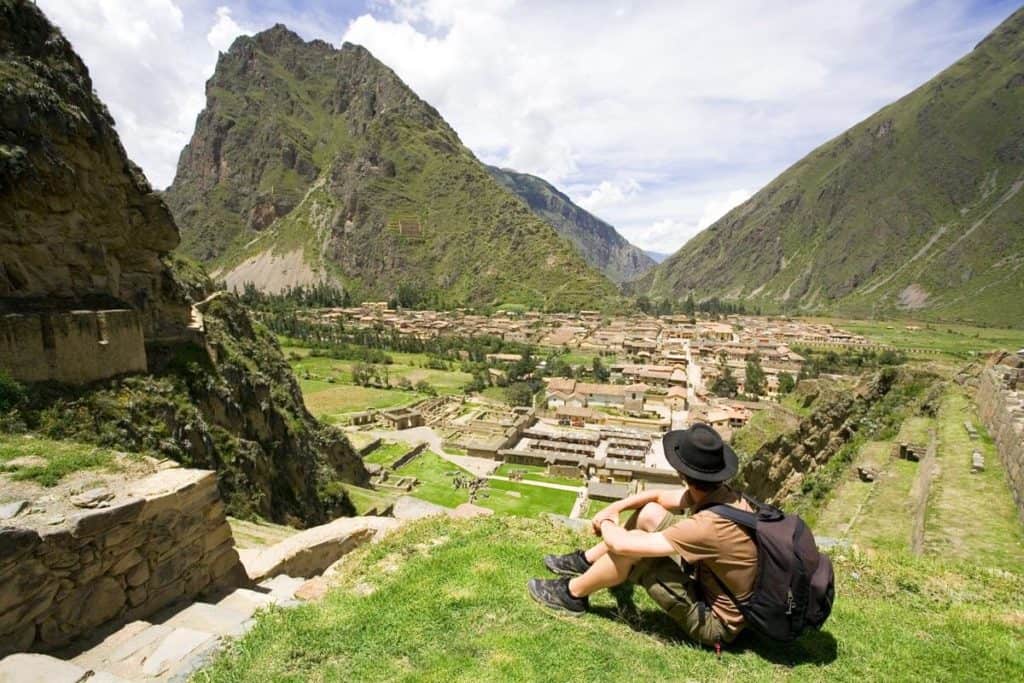
One of the best reasons to visit Machu Picchu is that the journey does not have to begin or end at the citadel itself.
Machu Picchu is part of a much larger Inca landscape. Before or after your visit, you can explore the Sacred Valley, home to impressive archaeological sites, traditional communities, agricultural terraces, and spectacular mountain scenery.
Places such as Pisac, Ollantaytambo, and Moray offer different perspectives on the ingenuity and achievements of the Inca civilization. Exploring these sites can help you better understand Machu Picchu and its place within a much larger network of settlements, roads, and sacred landscapes.
Taking time to explore the Sacred Valley also gives you the opportunity to experience rural Andean life, beautiful landscapes, and a slower pace before continuing towards Machu Picchu.
To Discover the City of Cusco, the Historic Heart of the Inca Empire

Your visit to Machu Picchu can also be part of a journey through Cusco, the former capital of the Inca Empire.
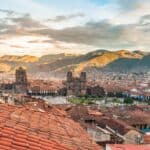
Cusco offers a fascinating mixture of Inca and Spanish history. Ancient Inca walls stand alongside colonial churches and plazas, while archaeological sites such as Sacsayhuaman provide another opportunity to appreciate the extraordinary stonework of the Incas.
The city is also an important part of preparing for your visit to Machu Picchu. Spending time in Cusco and the Sacred Valley allows you to acclimatize to the altitude while exploring museums, markets, archaeological sites, and local culture.
By the time you finally reach Machu Picchu, you may already have a much deeper understanding of the civilization that created it.
To Make the Journey Part of the Adventure
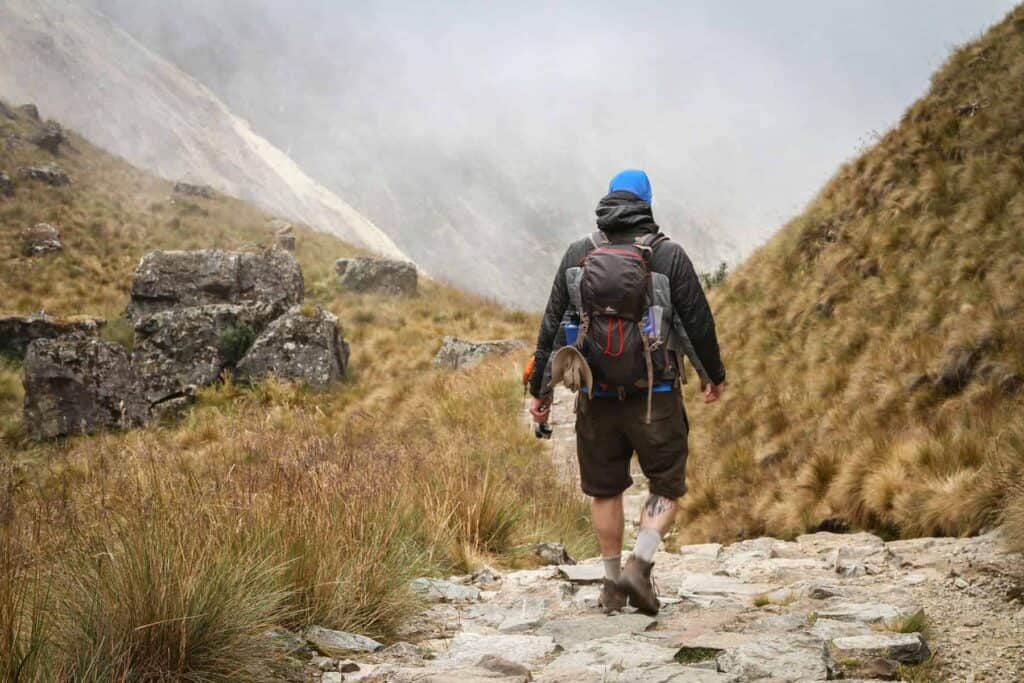
There are many ways to go from Cusco to Machu Picchu, and the journey itself can become one of the highlights of your trip.
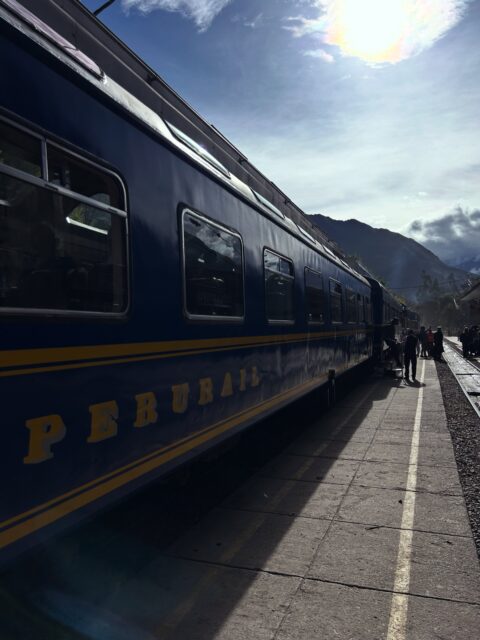
A number of visitors choose to arrive by train from Ollantaytambo, enjoying incredible views as they travel through the Sacred Valley towards Aguas Calientes. Others prefer to hike, following ancient routes and mountain trails through the Andes before arriving at the citadel.
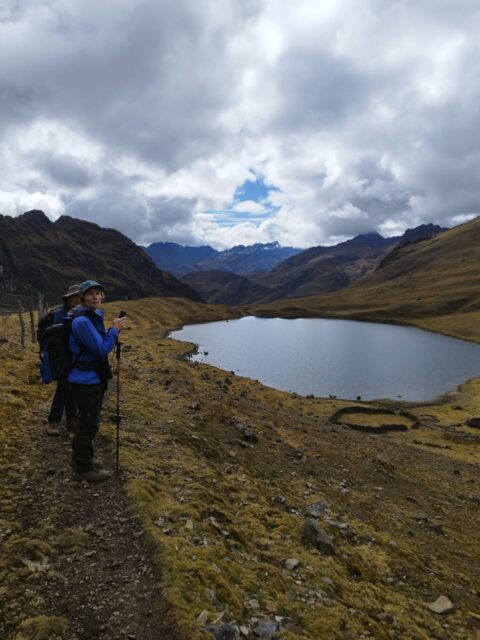
The famous Inca Trail offers the opportunity to follow sections of the original Inca road network, passing through mountain landscapes and archaeological sites along the way. Alternative treks can also provide a more adventurous journey through the Andes.
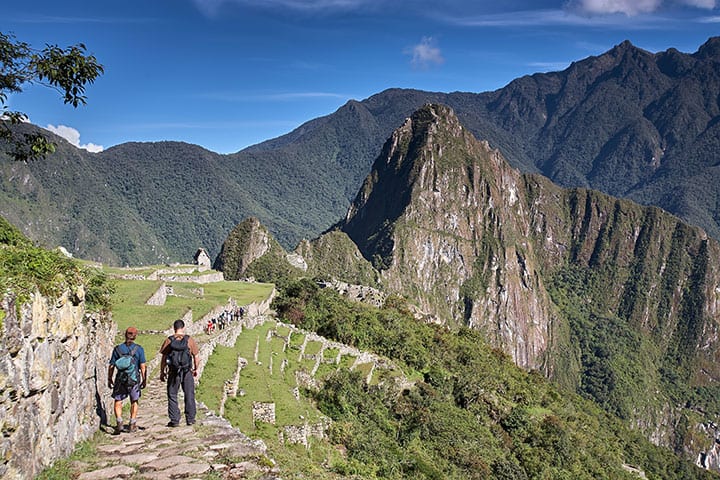
One day Inca trail hike + Machu Picchu experience
Hike part of the Inca Trail, pass through the Sun Gate, enjoy Peruvian cuisine and sleep in a comfy bed before your once in a life-time Machu Picchu visit!
However you choose to get there, reaching Machu Picchu can feel like the culmination of a much larger journey through Peru’s history and landscapes.
To See a Wonder of the World with Your Own Eyes
There is a reason why Machu Picchu has become one of the most recognizable travel destinations in the world.
Photographs can show you the famous breathtaking views of the citadel surrounded by mountains, but they cannot fully capture the scale of the landscape or the feeling of standing there in person.
The first glimpse of Machu Picchu is often one of the most memorable moments of a trip to Peru. Seeing the ancient stone structures spread across the mountain, with dramatic peaks rising around them, makes it easy to understand why this place has captured the imagination of travelers from around the world.
Of course, Machu Picchu is much more than a photo opportunity. But experiencing that famous view for yourself is undoubtedly part of the magic.
To Experience More Than Just a Famous Tourist Attraction
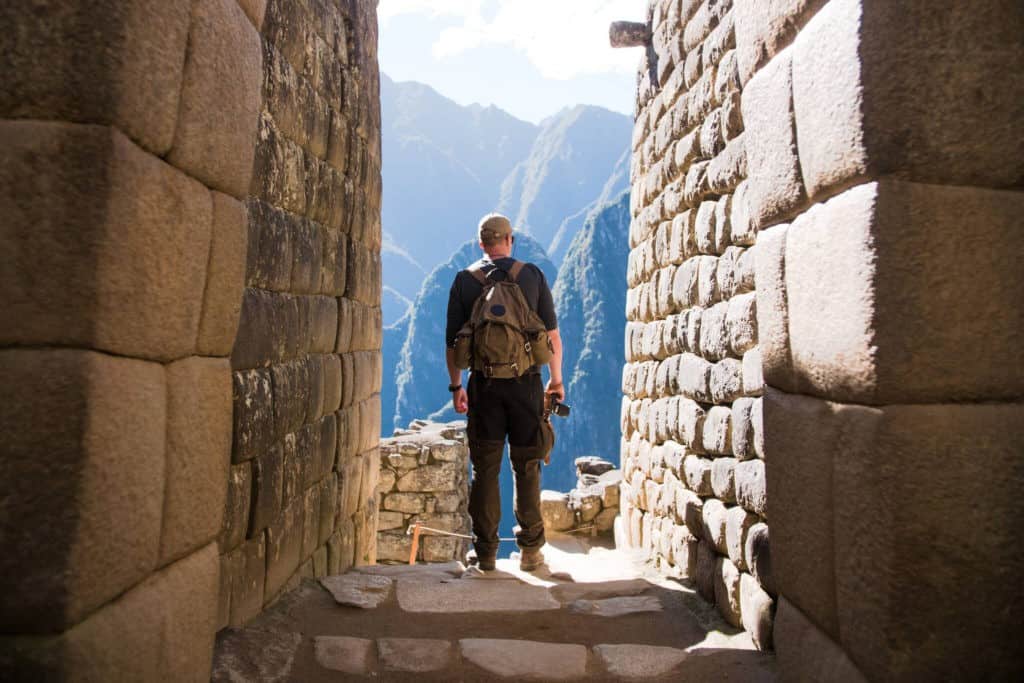
It is easy to think of Machu Picchu simply as one of the world’s most famous bucket-list destinations. But spending time there can reveal something much deeper.
It is a place where history and nature are inseparable. It is a remarkable achievement of engineering built within a challenging mountain environment. It is connected to a much wider network of Inca settlements, roads, and sacred landscapes.
And perhaps most importantly, Machu Picchu is a place that still leaves room for wonder.
You can arrive knowing a great deal about its history, or almost nothing at all, and still be impressed by the experience of walking through the ancient citadel and seeing the mountains that surround it.
How to Get to Machu Picchu
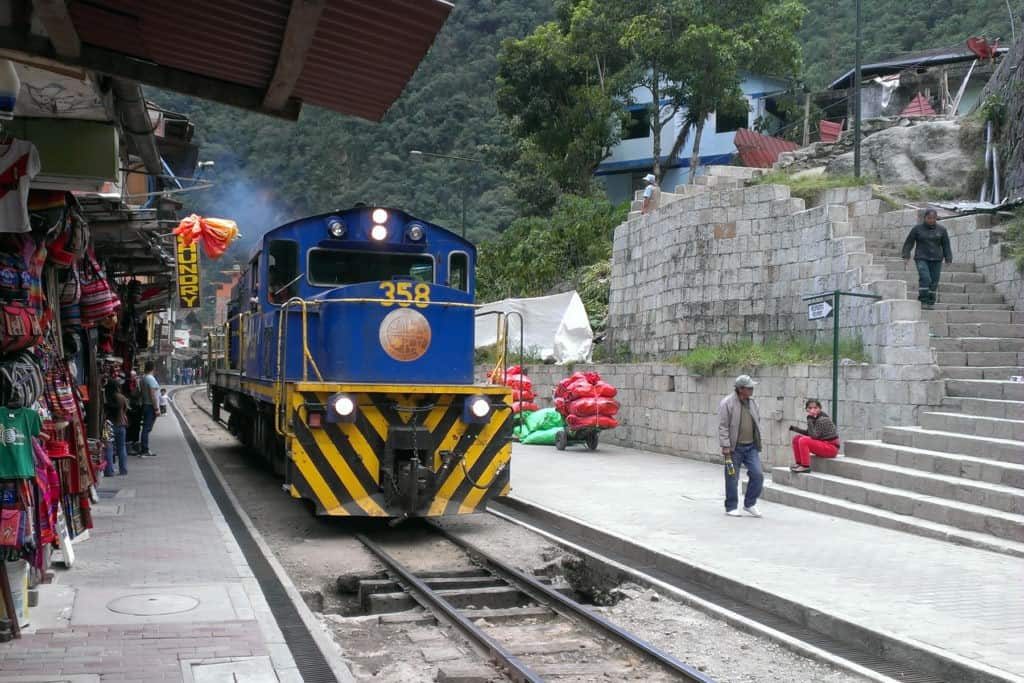
Getting to Machu Picchu is part of the experience, and there is more than one way to visit this incredible Inca citadel. Read our travel guide with everything you should know for your Machu Picchu visit!
The most popular option is to take the train through the Sacred Valley to Aguas Calientes, where you can stay in an accommodation before visiting Machu Picchu the following day. From Aguas Calientes, you can take the bus up to the entrance of the archaeological site, or, if you prefer to walk, you can hike up the mountain. If you are planning to visit during the high season, make sure to book your ticket and train ticket well in advance, as availability can be limited.
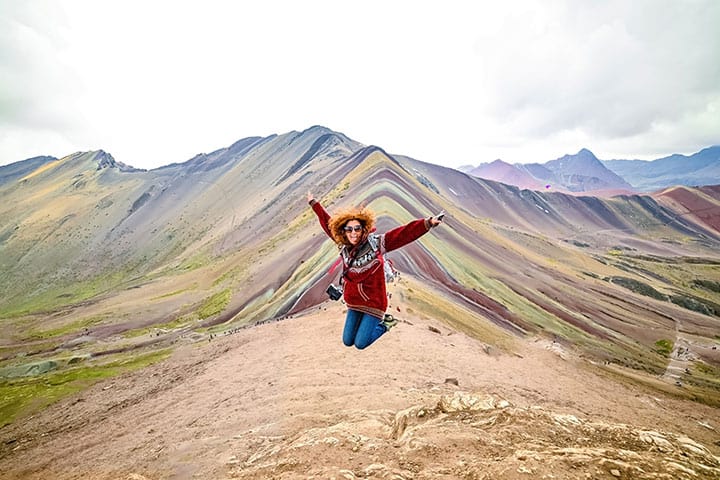
Very best of Cusco and Machu Picchu
Delve deeper into Cusco & the Sacred Valley: Incan salt terraces, ancient ruins, the spectacular Rainbow Mountain. Opt to trek or train to Machu Picchu.
Need Help Planning Your Machu Picchu Trip?
Planning a Machu Picchu tour can involve a lot of details, from choosing the right Machu Picchu ticket and circuit, and train tickets to deciding where to stay and how much time to spend in the region. If you are not sure where to start, reach out to us. Our team can help you plan your trip from start to finish, with all the details taken care of and lots of travel tips for you.
Another popular way to visit Machu Picchu is by trekking, with routes such as the Inca Trail and Salkantay Trek offering the chance to experience the Andes on foot. Whichever route you choose, remember that Cusco and the surrounding region are at high altitude, so allowing time to acclimatize can help reduce the risk of altitude sickness.
So… Is Machu Picchu Worth Visiting?
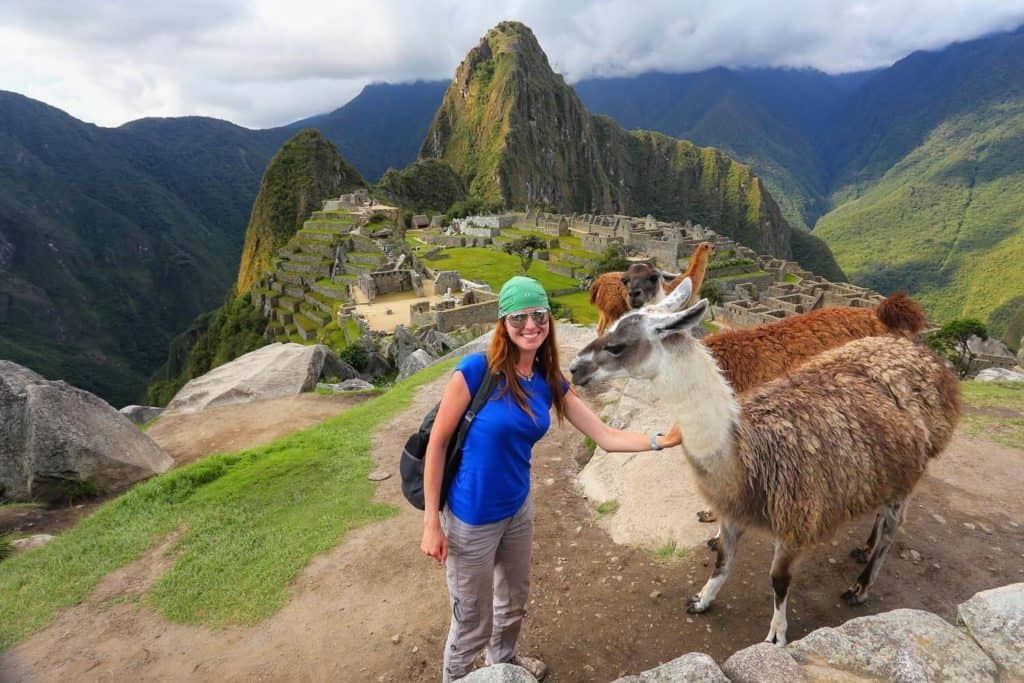
Absolutely.
Machu Picchu is worth visiting not simply because it is one of the most famous archaeological sites in the world, but because of everything that comes together in one extraordinary place. You can explore the remains of an ancient Inca city, admire remarkable engineering, discover its possible spiritual significance, experience spectacular mountain scenery, and connect with a civilization whose influence can still be felt throughout Peru.
Whether you arrive after hiking through the Andes or travel by train through the Sacred Valley, visiting Machu Picchu is an experience that stays with you long after you leave.
If Peru is on your travel bucket list, Machu Picchu is one place that deserves more than a quick photo. Take the time to understand its history, explore its surroundings, and experience for yourself why this ancient Inca citadel continues to fascinate the world.
Machu Picchu FAQ
The best time to visit Machu Picchu depends on what kind of experience you are looking for. The dry season generally offers clearer weather, while the rainy season brings greener landscapes and fewer visitors. If you are wondering about the best time to go, it is worth considering the weather, crowds, and availability of tickets and accommodation.
Yes, visitors can climb Huayna Picchu, the iconic mountain rising behind the ancient citadel. However, access is limited, so if climbing Huayna Picchu is part of your plans, it is important to book it well in advance.
For travelers who enjoy hiking and adventure, trekking to Machu Picchu can be an unforgettable experience. Routes such as the Classic Inca Trail allow you to follow ancient paths through the Andes before arriving at the citadel. However, there are also alternative treks available, depending on your interests, fitness level, and available time.
Before you’re heading to Machu Picchu, make sure you understand which ticket and circuit you need, how you will get there, and where you plan to stay. It is also a good idea to arrange travel insurance and allow enough time to acclimatize if you are arriving from a lower altitude.
Common symptoms of altitude sickness can include headache, nausea, dizziness, fatigue, shortness of breath, and difficulty sleeping. Spending a few days acclimatizing in Cusco or the Sacred Valley before visiting Machu Picchu can help your body adjust to the altitude. Read our blog post about how to prevent mountain sickness and check out our 4-day pre acclimatization tour.
If you are traveling during the high season or want a specific circuit, train schedule, or the opportunity to climb Huayna Picchu, it is best to book it well in advance – by this we mean up to 6 to 8 months. Popular dates and limited-entry tickets can sell out many months before, so planning early gives you more flexibility. You will have a lot better chance with low season – that is November through March, but if you know your dates, its best to get the tickets booked as soon as you can!
Yes. The Inca Trail is closed every February for maintenance and conservation. If you are planning a trek during this time, you may want to consider one of the alternative hikes to Machu Picchu instead.
Some of the most useful tips for Machu Picchu include booking your tickets and transportation in advance, arriving prepared for changing weather, and allowing time to acclimatize to the altitude. If possible, visiting first thing in the morning can also be a great way to experience the site before the day gets busier.
There is more than one way to get to Machu Picchu. Many travelers take the train to Aguas Calientes and then continue by bus to the entrance of the citadel, while others choose to hike one of the trekking routes through the Andes. The best route to Machu Picchu depends on how much time you have and whether you prefer comfort or adventure. Read more in our blog post about how to get to Machu Picchu.
The number of days in Peru you need depends on what else you want to see. Ideally, allow several days to explore Cusco, the Sacred Valley, and Machu Picchu rather than rushing through the region. This also gives you time to acclimatize before heading to higher elevations. Read our blog post about how many days in Machu Picchu you need.
Cusco is much more than a starting point for Machu Picchu. Once the capital of the Incas, this vibrant city of Cusco combines impressive Inca remains, colonial architecture, museums, markets, and living Andean culture. Spending a few days here can also help you acclimatize before you go to Machu Picchu.
Machu Picchu has limited daily visitor capacity, so it is important to get tickets in advance, particularly during busy travel periods – we mean months in advance! You can find tickets online through official channels or work with a reputable travel operator that can help organize your tickets and transportation. Read more about Machu Picchu tickets.
Visiting Machu Picchu first thing in the morning can be a wonderful experience, especially if you want to enjoy the early atmosphere and changing light over the mountains. However, the weather can change quickly in the Andes, so conditions may be different from one morning to the next.
Machu Picchu was built around the 15th century, meaning the site is more than 600 years old. Walking among the ancient Incan structures today gives visitors a remarkable opportunity to see architecture that has survived for centuries high in the Andes.
Machu Picchu was named one of the New Seven Wonders of the World in 2007, joining a list of internationally recognized landmarks. Its extraordinary Inca architecture, spectacular location, cultural importance, and enduring mystery have helped make it one of the most famous destinations in the world.
The Machu Picchu archaeological site itself is not closed in February, but the Classic Inca Trail is traditionally closed in February for annual maintenance. If you want to go to Machu Picchu during this month, you can still visit by train or choose another trekking route.
Coca tea is traditionally consumed in the Andes and is often offered to travelers arriving in Cusco and other high-altitude destinations. Many people drink coca tea as part of the acclimatization experience, although it should not be considered a medical treatment for altitude sickness. If you experience symptoms of altitude sickness, such as headache, nausea, dizziness, or unusual fatigue, take them seriously and allow your body time to adjust.
A visit to Machu Picchu is also an opportunity to experience the living culture of the Andes. The people of the region continue many traditions that have been passed down through generations, from agricultural practices and weaving to celebrations, food, and language. Taking time to learn about local communities can make your trip much more meaningful.
Machu Picchu has a subtropical mountain climate, and the weather can change quickly throughout the day. You may experience sunshine, cloud, mist, or rain during the same visit. This is particularly important to keep in mind when deciding the best time to go to Machu Picchu and what to pack for Machu Picchu.








this was a great description of this place ( thanks for sharing )
thanks! 🙂