
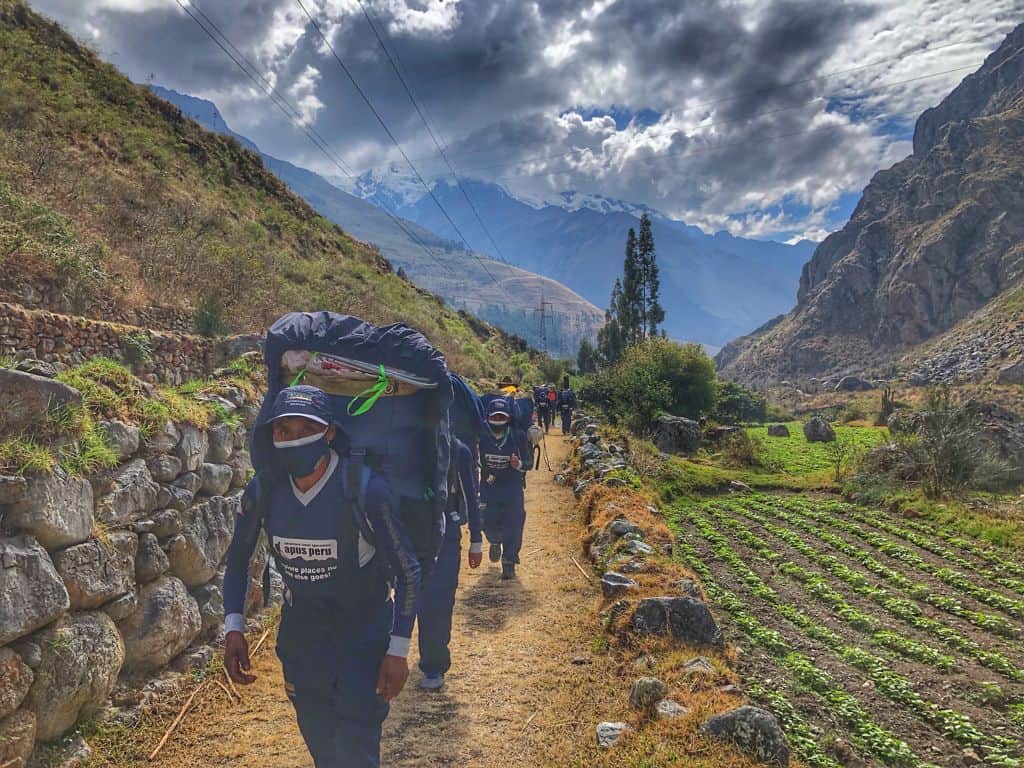
The Classic Inca Trail to Machu Picchu is one of the world’s most famous treks, but it isn’t the only way to experience the Andes. If Inca Trail permits are sold out, you want a quieter route, or you’re simply looking for a different trekking experience, there are excellent Inca Trail alternatives to consider.
We’ve put together a list of some of the best alternatives for you! Some routes end at famous Machu Picchu, while others focus entirely on the landscapes, archaeology and culture of the Andes.
At Apus Peru, we specialize in unique alternative treks, including hikes to Machu Picchu as well as remote trekking adventures. Read on to discover which Inca Trail alternative might be right for you!
What Does “Inca Trail Alternative” Mean?
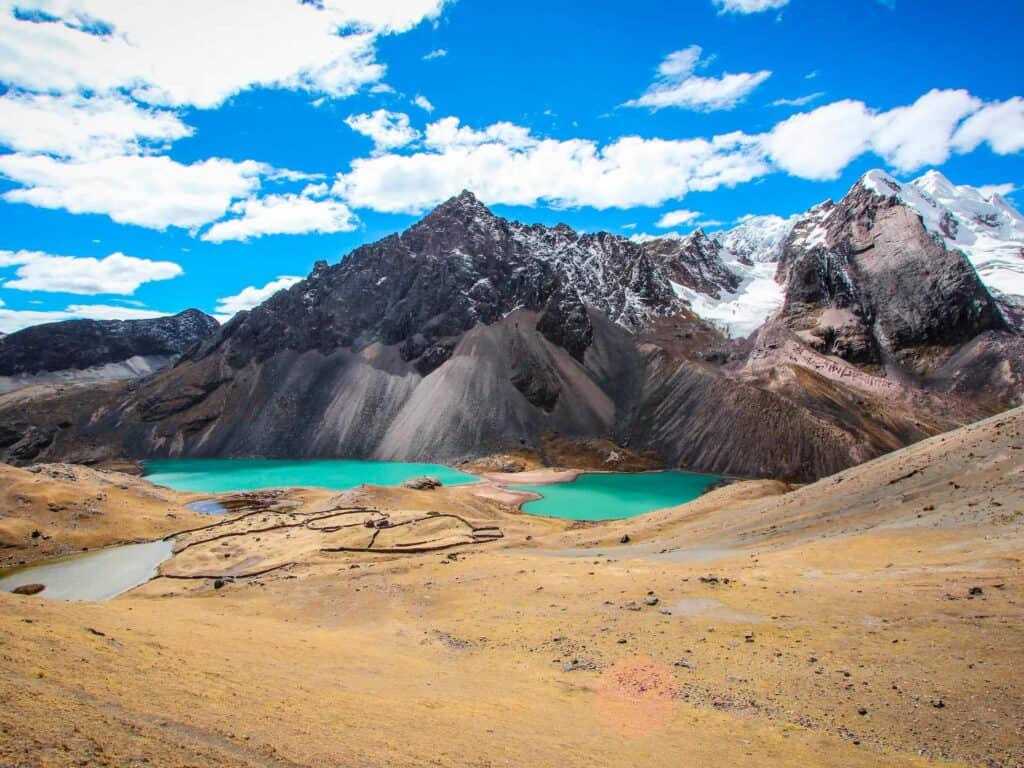
An Inca Trail alternative is a trekking route that offers a different experience beyond the Classic Inca Trail. Some routes became popular as alternatives when Inca Trail permits became limited, while others are simply different trekking routes through the Cusco region.
The Classic Inca Trail hike is a regulated trek with a limited number of permits available each day. If permits are sold out, or if this trek isn’t the right experience for you, there are many other ways to explore the mountains around Cusco.
However, “alternative” doesn’t mean “second best”! After decades of exploring these beautiful mountains, we know that every route offers something different – breathtaking vistas, fascinating archaeological sites, traditional Andean communities, and pristine natural environments.
Some alternative treks take you to Machu Picchu. Others lead to spectacular archaeological sites or remote mountain landscapes instead.
That distinction is important: if your goal is specifically to hike the historic Inca Trail and enter Machu Picchu through the Sun Gate, you need an Inca Trail permit. If you’re looking for a different trekking adventure in the Andes, there are many excellent alternatives.
Why the Classic Inca Trail Is Different
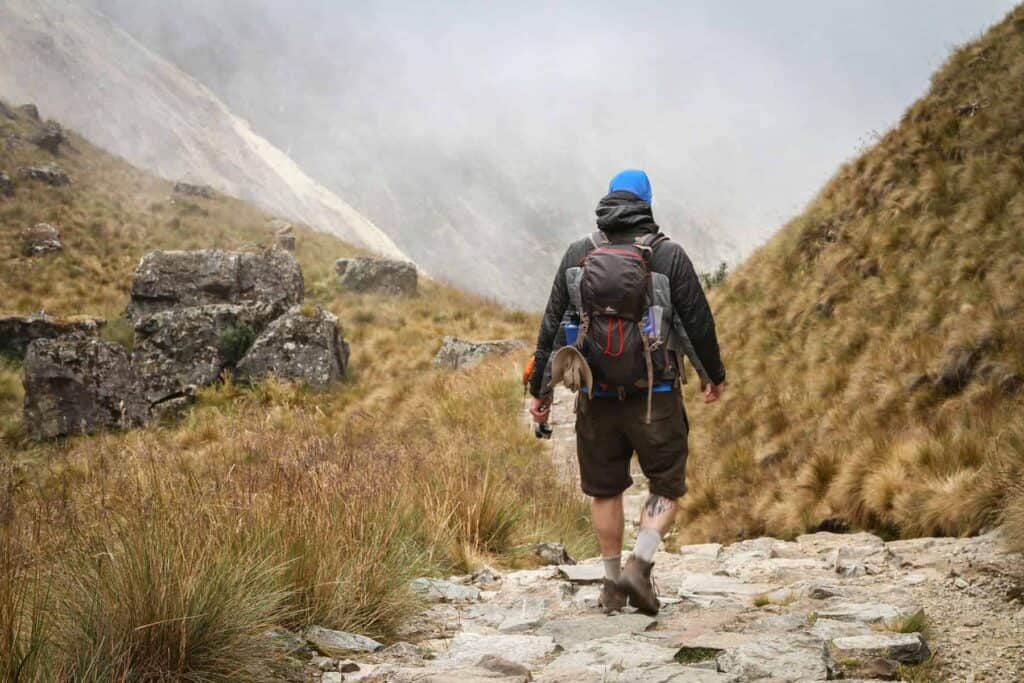
Before choosing an alternative to the Inca Trail, it is important to understand what makes hiking the Inca Trail unique.
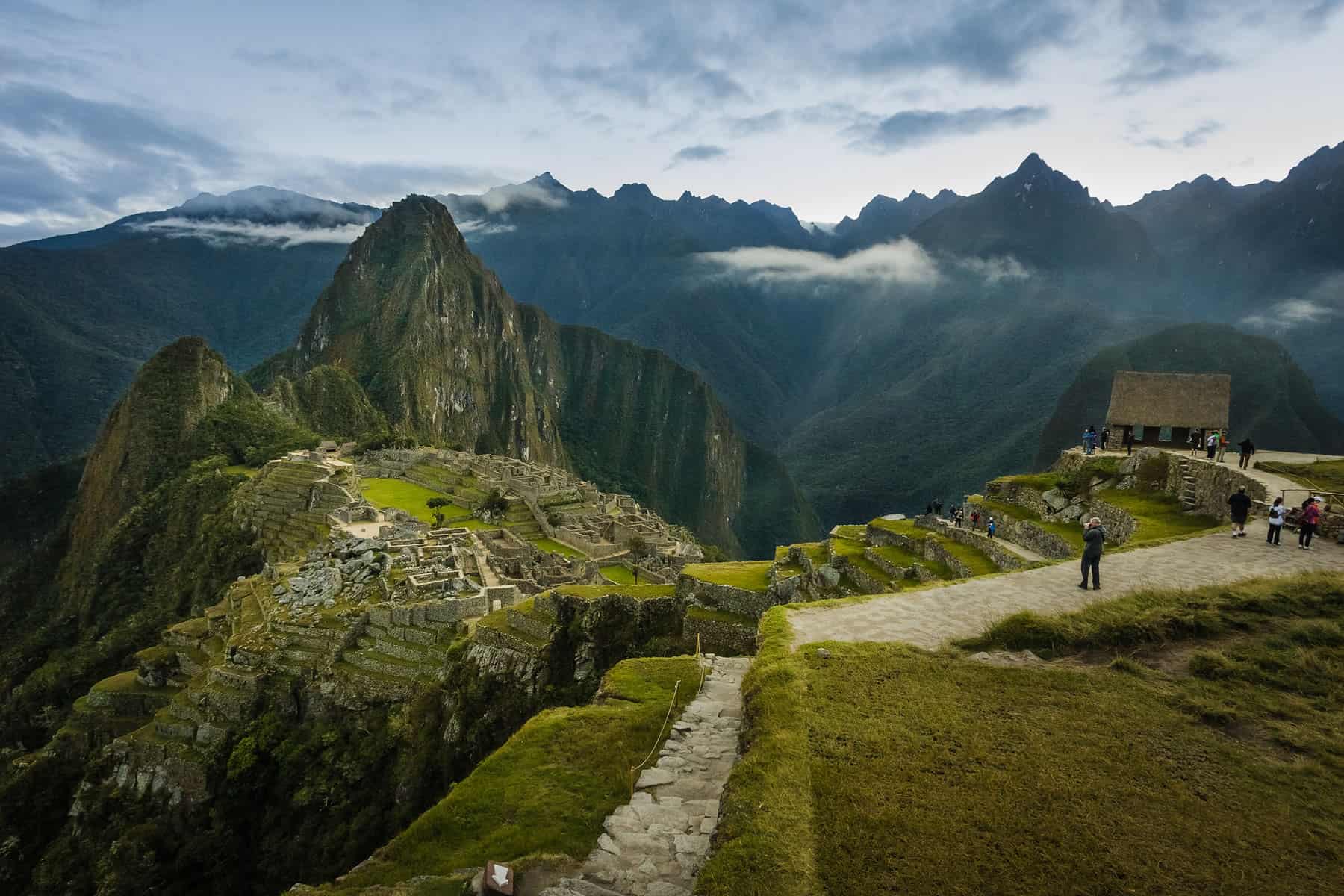
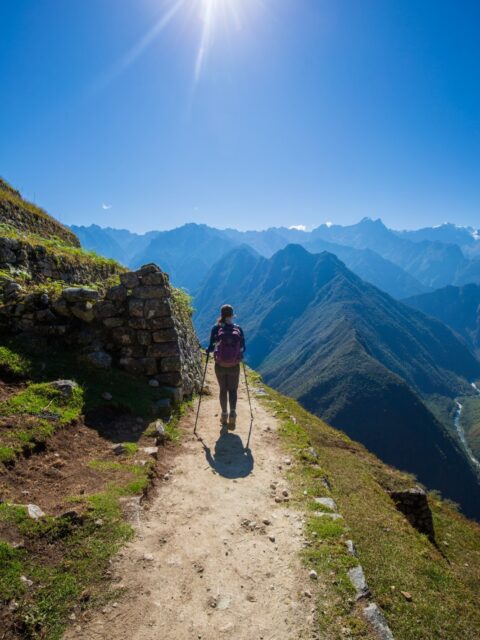
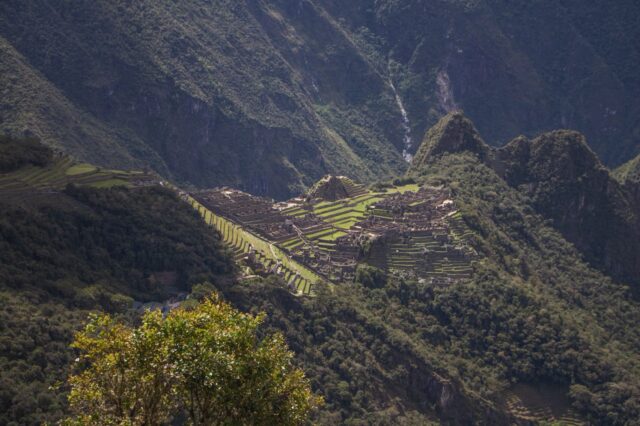
The Classic Inca Trail is the famous 4-day route that follows an ancient Inca road directly to Machu Picchu. Along with the 2 day Short Inca Trail, it is the only trekking route that allows hikers to enter Machu Picchu through the Sun Gate, or Intipunku, on foot, where you get your first glimpse of Machu Picchu from above.
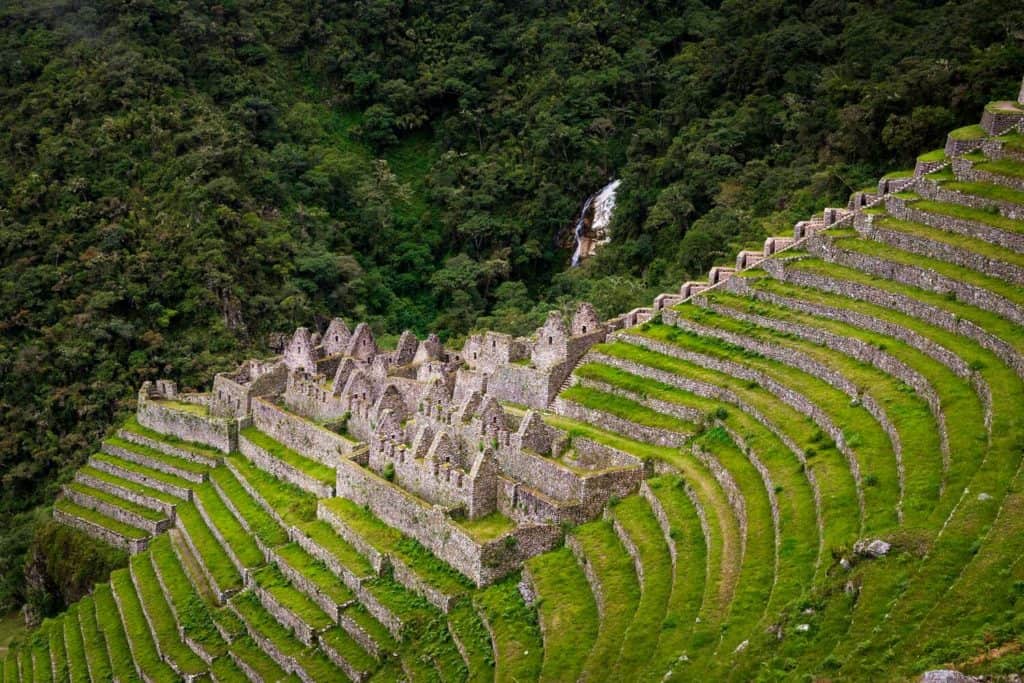
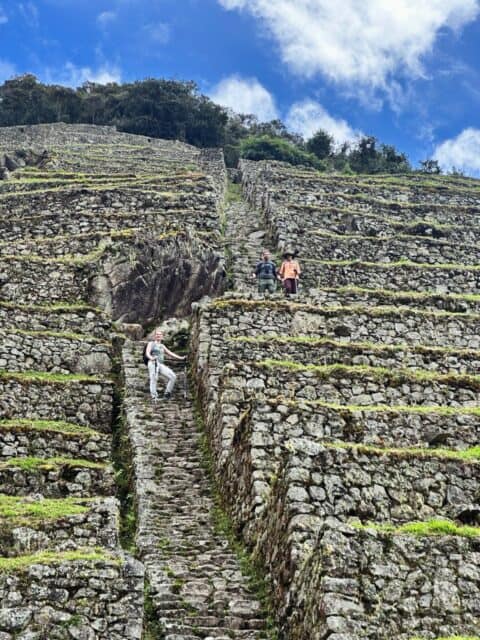
Along the way, trekkers also pass several impressive archaeological sites from the Inca Empire, including Wiñay Wayna. The journey itself is therefore a major part of the experience, rather than simply a way to reach the citadel of Machu Picchu.
Other popular trekking routes in the Cusco region do not follow the same ancient Inca road network or arrive at Machu Picchu through the Sun Gate (Inti Punku). When you do a guided tour of Machu Picchu, you take the bus up to Machu Picchu and go through the control point of the site.
The Salkantay Trek, Lares Trek, Huchuy Qosqo Trek and Ancascocha Trek are completely different trekking experiences, although several can be combined with a visit to Machu Picchu.
Choquequirao and Ausangate are also excellent alternatives for trekkers who want to experience the Andes, even though they are not direct routes to Machu Picchu. They can however be combined with a Machu Picchu visit in ways that do not require you to return to Cusco.
Is the Short Inca Trail an Alternative to the Classic Inca Trail?
The Short Inca Trail is a little different from the other alternatives on this list because it is still part of the historic Inca Trail system.
The 2-day Inca Trail is essentially one day of trekking followed by an overnight stay in Aguas Calientes. You then visit Machu Picchu on the second day.
It does not involve several nights of camping like the 4-day Inca Trail, but it still gives you the opportunity to hike part of the historic Inca Trail and enter Machu Picchu through the Sun Gate.
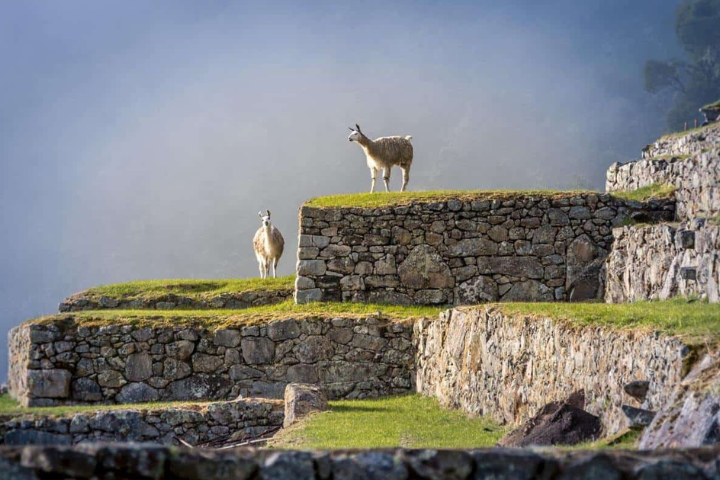
Short on Time?
Discover the very best of Cusco and Machu Picchu in just 5 days. Experience a thoughtful, seamless, and unhurried itinerary designed perfectly for your schedule.
If your goal is specifically to experience the Inca Trail but you don’t want to commit to four days of trekking, the Short Inca Trail may be a better choice than a completely different trekking route.
Inca Trail Alternatives at a Glance
| Trek | Duration | Machu Picchu? | Difficulty | Main Highlight |
|---|---|---|---|---|
| Classic Inca Trail | 4 days | Yes | Moderate–Hard | Sun Gate and Inca ruins |
| Short Inca Trail | 2 days | Yes | Moderate | Sun Gate and Inca Trail |
| Salkantay Trek | 5 days | Yes | Moderate–Hard | Salkantay Pass |
| Lares Trek | 4 days | Yes | Moderate | Andean communities |
| Huchuy Qosqo Trek | 3 days | Optional | Moderate | Inca ruins and Sacred Valley |
| Ancascocha Trek | 3–5 days | Yes | Hard | Remote wilderness |
| Choquequirao Trek | 4 days | Optional | Hard | Remote Inca ruins |
| Ausangate Trek | 5 days | Optional | Hard | High-altitude landscapes |
| Choquequirao to Machu Picchu | 7–9 days | Yes | Very Hard | Choquequirao and Machu Picchu |
If you are trying to decide between the Classic Inca Trail and another trek, our comparisons can help. Read our guides to Lares Trek vs Inca Trail and Salkantay Trek vs Inca Trail – Which Trek Is Best For Me?.
#1 Choquequirao Trek – Best for Adventure and Inca History
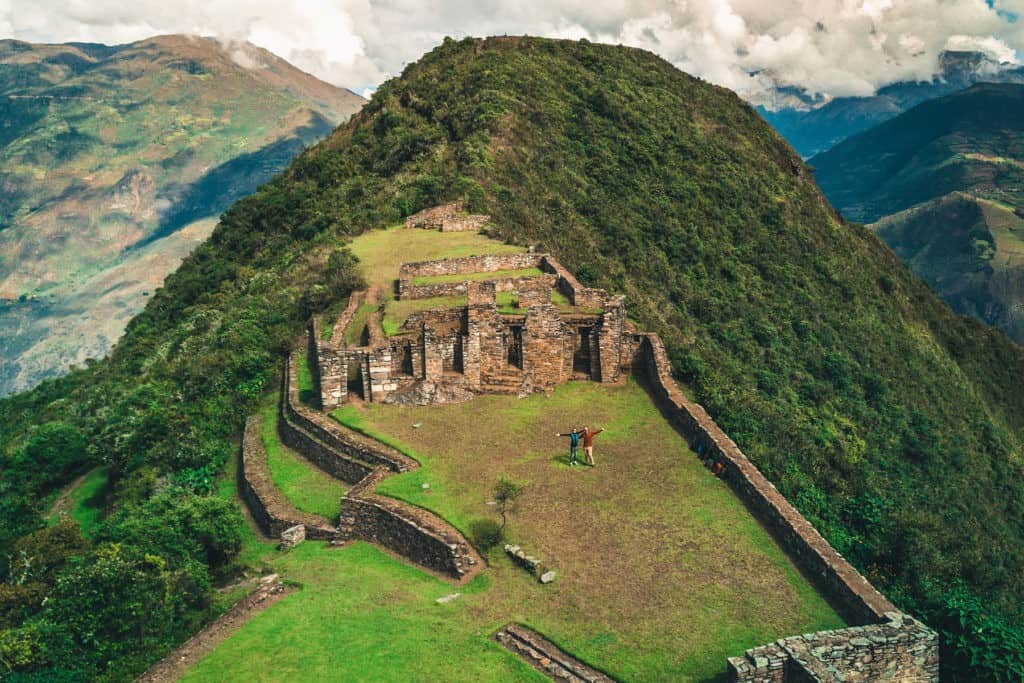
Fancy yourself something of an Indiana Jones? Then you’ll want to get off the beaten track and head to one of the most challenging and spectacular treks in the Cusco region.
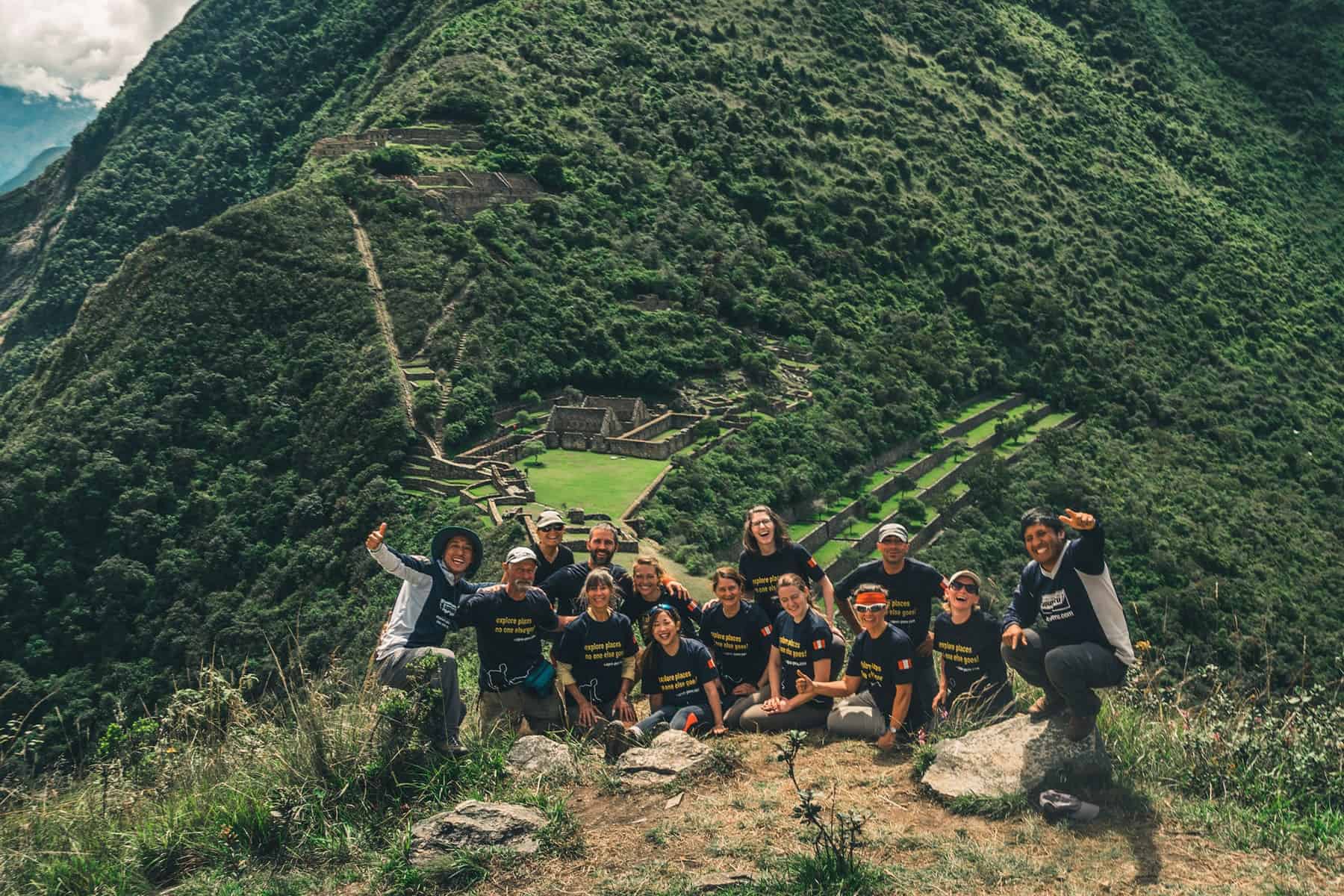
The classic Choquequirao Trek is a tough but spectacular 4-day in and out trek. Rather than exploring Machu Picchu, this trek focuses on Choquequirao, one of the most impressive and least-visited Inca archaeological sites in Peru.
Sometimes described as Machu Picchu’s “sister city,” Choquequirao is larger than Machu Picchu in physical area and remains much more remote. Its name comes from the Quechua words chuqi (metal) and k’iraw (crib).
From high above the Apurimac Canyon, the trail first plunges down toward the Apurimac River and then climbs steeply back up toward the Choquequirao ruins.
This is a very physically demanding trek, but it is at a lower altitude than many other Andean treks. The lower elevation can make the trek easier on the lungs, although temperatures in the Apurimac Canyon can become extremely hot.
Why Trek to Choquequirao Now?
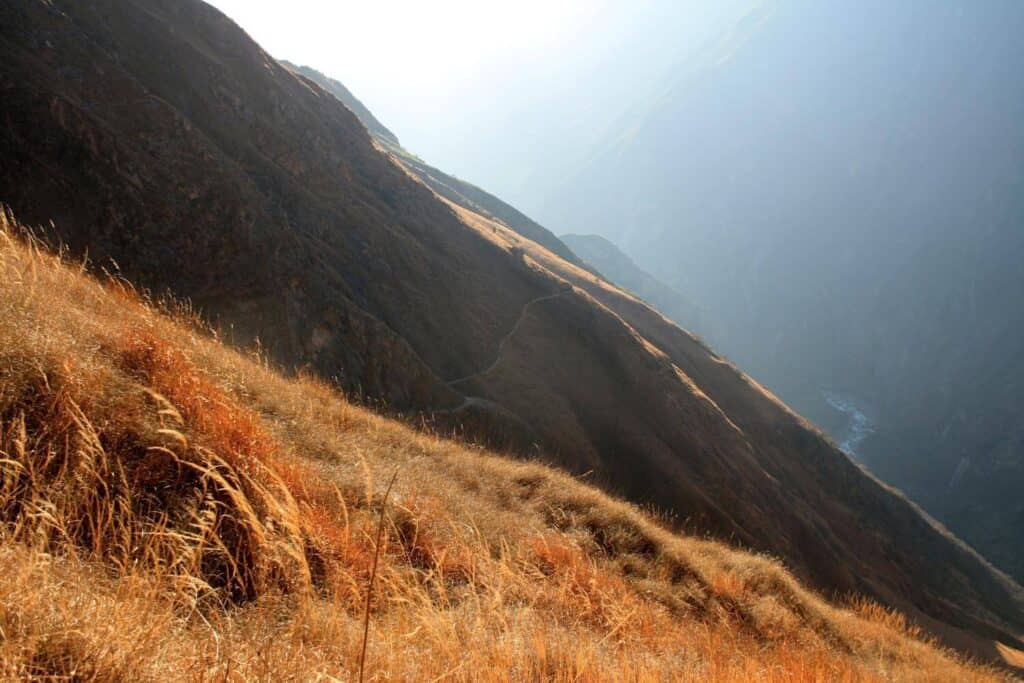
There is another reason to consider Choquequirao sooner rather than later: access to the archaeological site is planned to change dramatically.
The Peruvian government, through MINCETUR and PROINVERSIÓN, is developing a major project that includes a cable car system to improve access to Choquequirao. The proposed project would include several cable car sections connecting routes from both the Cusco and Apurímac sides and could reduce the current journey of more than two days to around 20 minutes.
The project is intended to make Choquequirao much more accessible and attract significantly more visitors. While the cable car project is not yet an operating reality, its eventual development could fundamentally change the character of the destination.
Today, reaching Choquequirao requires a challenging trek. That remoteness is a huge part of what makes the experience so special. If you want to experience Choquequirao as a truly remote archaeological site reached on foot, this is the time to go.
RELATED:
Is There a Choquequirao to Machu Picchu Trek?
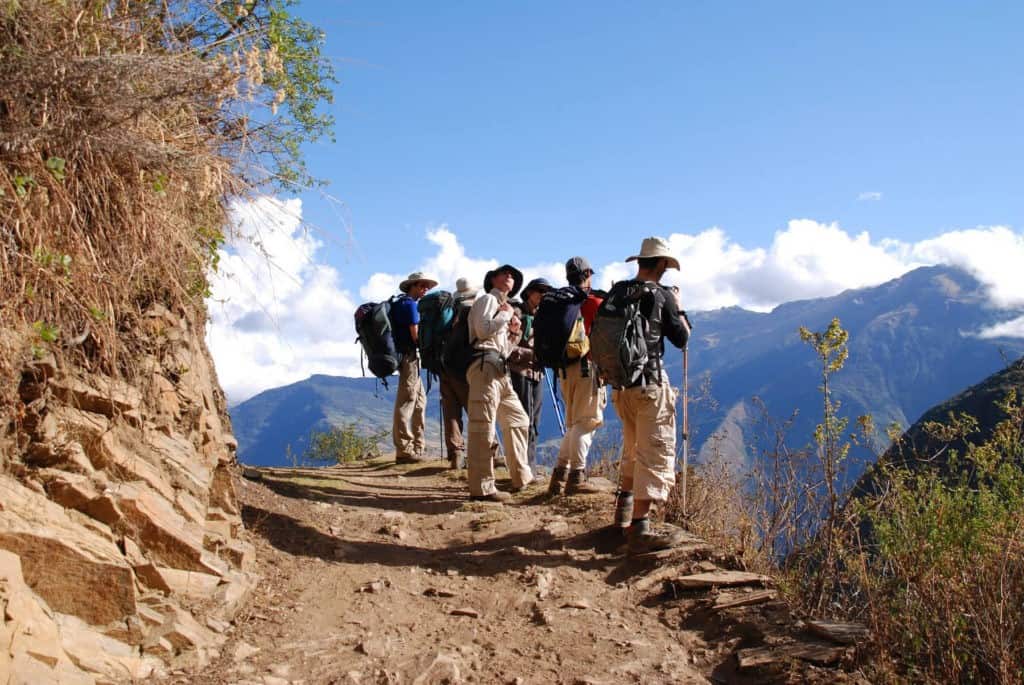
Yes, but it is a much longer adventure.
Apus Peru offers 3 Choquequirao to Machu Picchu treks lasting 7, 8 or 9 days.
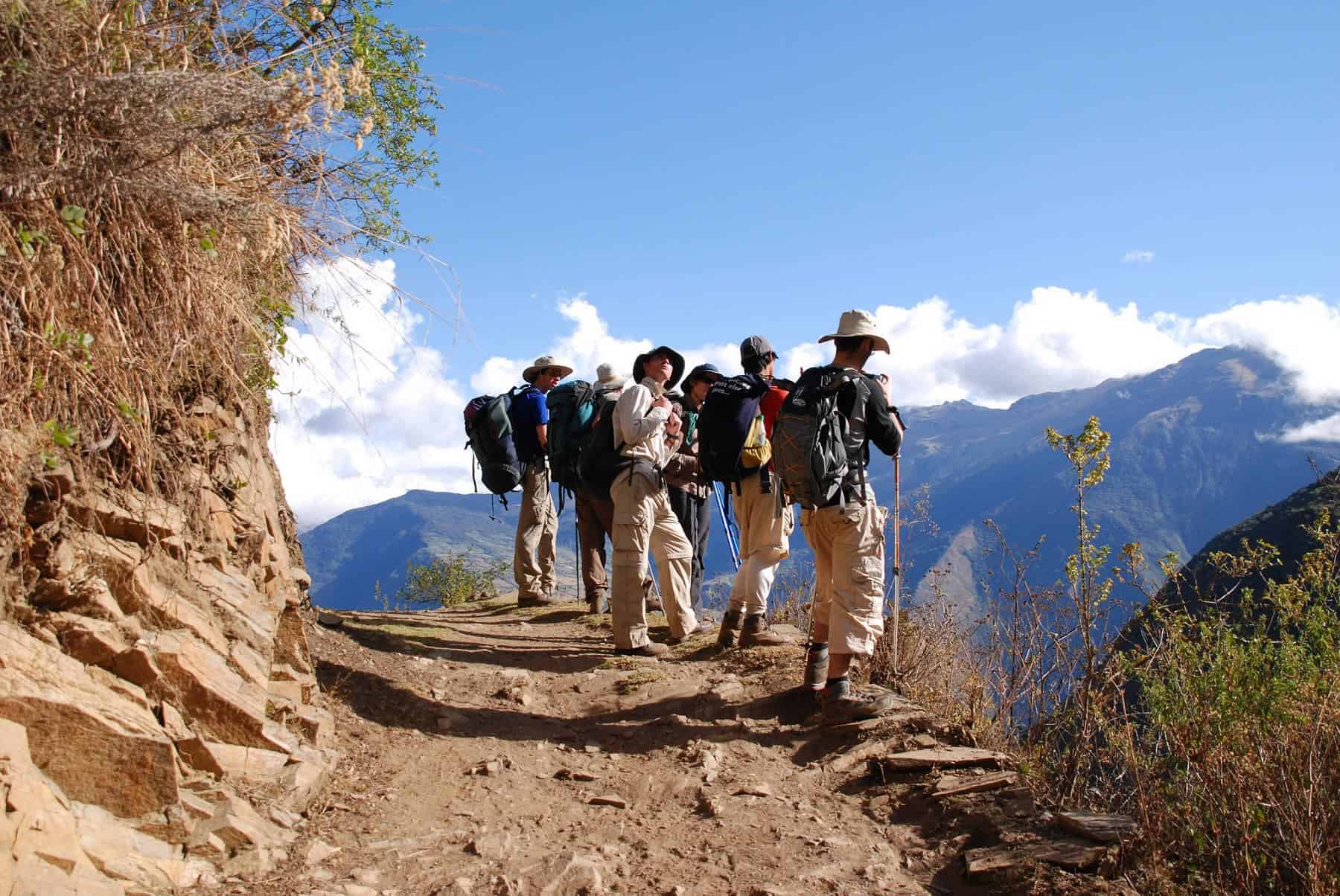
Choquequirao to Vilcabamba Trek
A breathtaking 9-day adventure through remote Inca trails, high mountain passes, and spectacular Andean landscapes – one of Peru’s most varied and rewarding treks.
The 9-day Choquequirao to Machu Picchu Trek via Vilcabamba is Apus Peru’s signature trek, a unique route crafted by one of our co-founders, Ariana Svenson.
If you’re passionate about Inca history and want a serious trekking adventure away from the crowds, this route via the Vilcabamba trail is one of our most special routes.
#2 Lares Trek – Alternative Route to Machu Picchu with Andean Culture
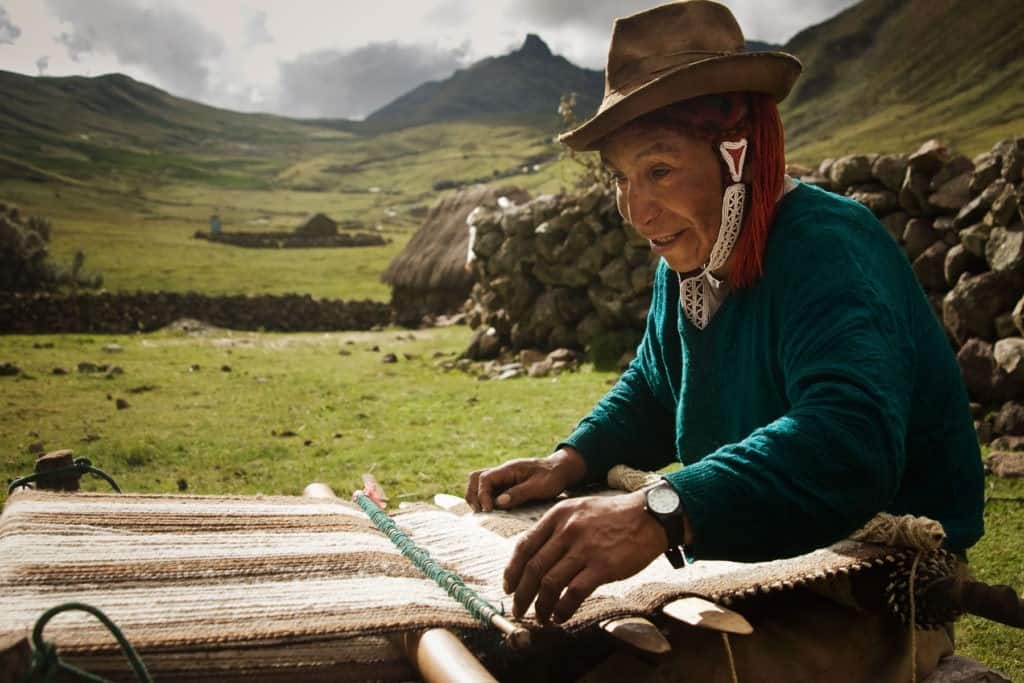
Are you the type of traveller who likes to really immerse yourself in local culture? The type who would rather eat at a local hole-in-the-wall than consume standard tourist fare, and who craves an authentic experience?
If so, the 4-day Lares Trek to Machu Picchu is one of the best alternative treks for you.
The trek crosses from the Sacred Valley to the Lares Valley through the Andean wilderness, passing traditional communities where people continue to maintain many long-standing customs and ways of life.
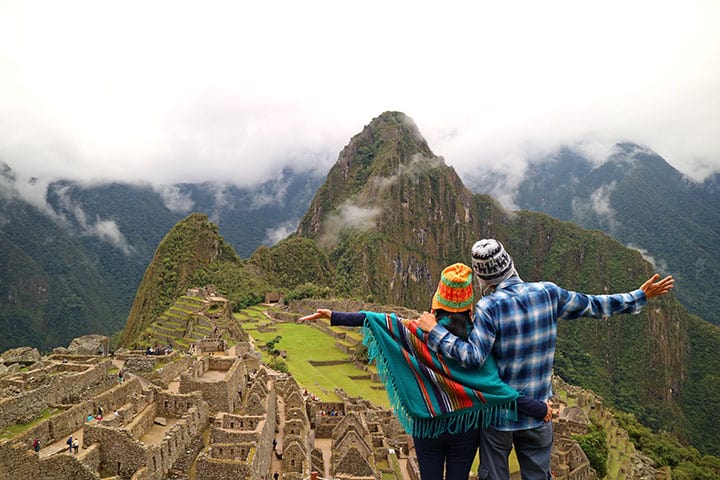
Lares Trek to Machu Picchu
Hike through remote Andean landscapes, traditional villages, and peaceful mountain valleys before reaching Machu Picchu. The 4-day Lares Trek is a great alternative to the Classic Inca Trail, combining authentic cultural experiences with spectacular scenery.
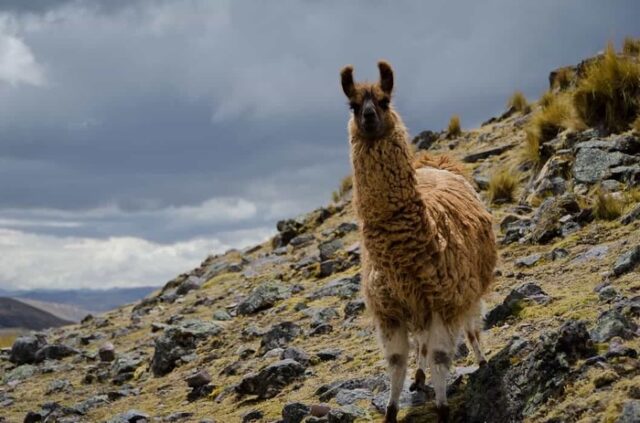
Llamas and alpacas dot the landscape, while spectacular mountain scenery and crystalline high-altitude lakes accompany you along the route.
The Lares trail is also a great option for travellers interested in experiencing traditional Andean culture. Depending on the route, you can even arrange a homestay with a local family.
And for an extra dose of relaxation, some Lares routes include a visit to the famous Lares hot springs.
RELATED: The Lares Valley Trek
#3 Ausangate Trek – Best Inca Trail Alternative for Nature and Wildlife
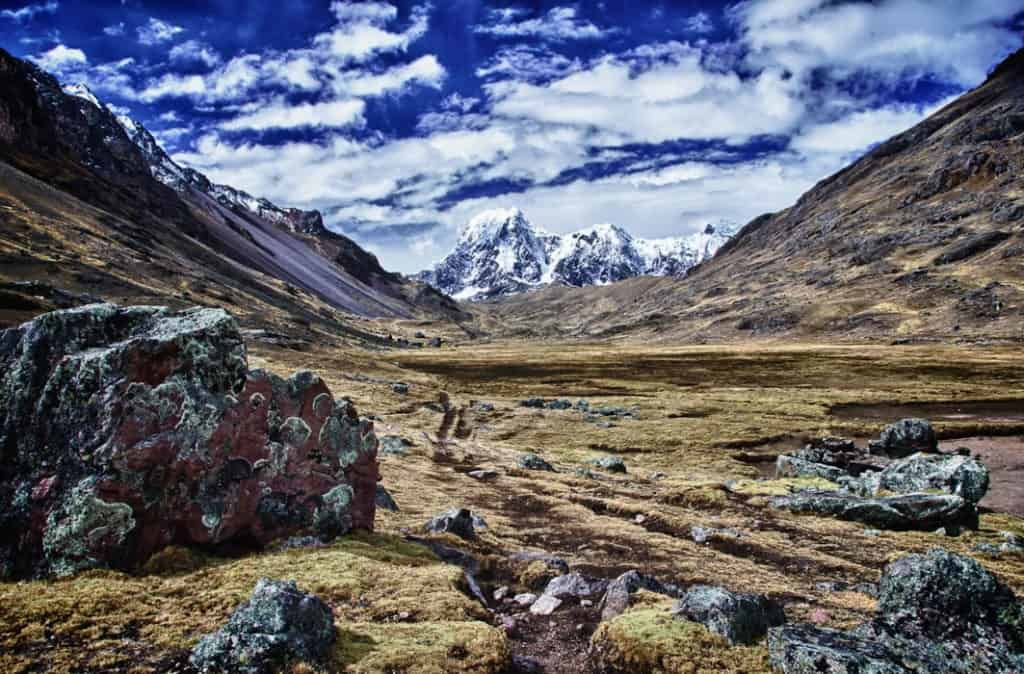
Abundant Andean wildlife? Check. Mind-boggling natural wonders? Check. Awe-inspiring mountain scenery? Check.
For nature lovers, the 5-day Ausangate Rainbow Mountain Trek offers a completely different experience from the iconic Inca Trail. We also have a 3-day Ausangate Trek for those short on time!
You will hike around Ausangate, the highest mountain in the Cusco region and one of the most important apus, or sacred mountains, in Andean culture.
Trek Stronger: Master the Altitude First
Prep your body for the heights while immersing yourself in authentic local culture away from the crowds. Make your high-altitude trek easy, seamless, and truly unforgettable.
Along the route, you’ll pass spectacular alpine lakes and high mountain landscapes while looking for llamas, alpacas, vicuñas and, if you’re lucky, the elusive vizcacha.
This route also includes a visit to Vinicunca Rainbow Mountain, one of Peru’s most recognizable natural landmarks.
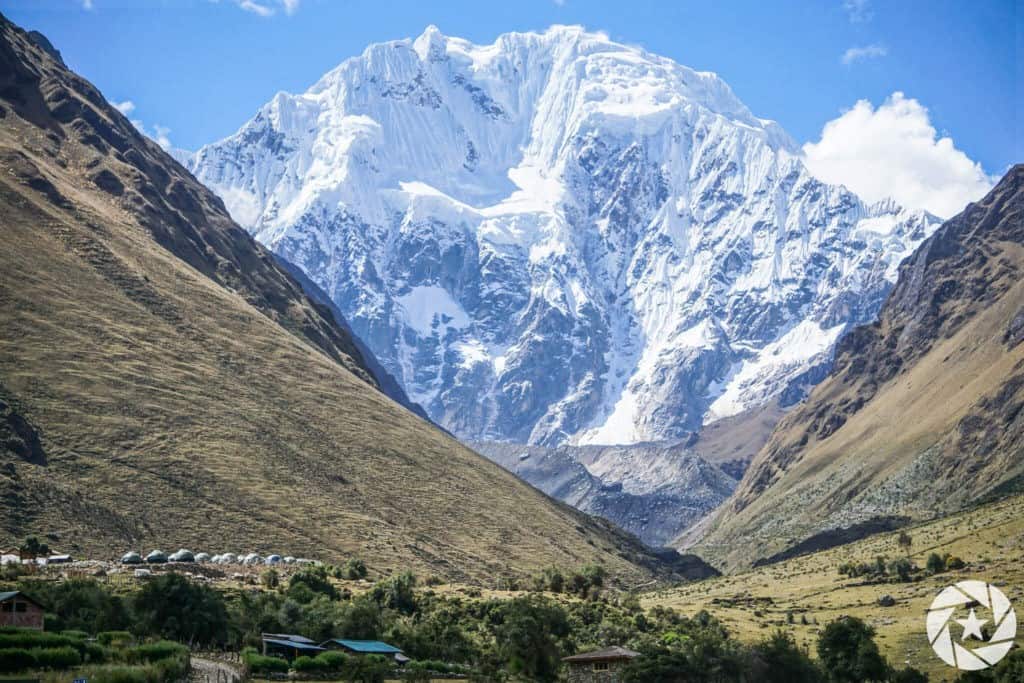
The Ausangate route is extremely high, with passes above 5,000 metres, so it requires good acclimatization and preparation for cold conditions.
Unlike the Salkantay or Lares treks, Ausangate is not primarily a route to Machu Picchu. It is an alternative trekking experience for travellers who want something different. You can add a trip to Machu Picchu at the end of the trek if you wish.
RELATED:
Why You Should Trek the Ausangate Trek
The Spirit of Ausangate
Ausangate Treks: The Low-Down on Peru’s Most Spectacular Hiking Circuit
#4 Salkantay Trek – Alternative Trek to Machu Picchu
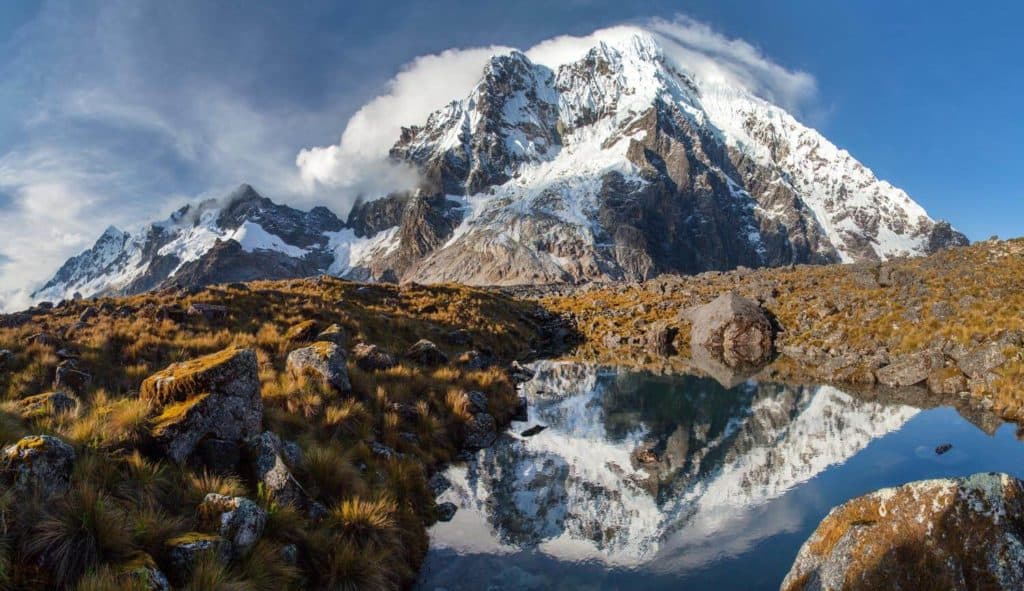
When Inca Trail permits became more difficult to obtain, the Salkantay Trek to Machu Picchu quickly became one of the most popular alternative routes.
Today, the 5-day Salkantay Trek is one of the best-known trekking routes in the Cusco region. It remains unregulated, meaning you do not need the same type of limited permit required for the Inca Trail.
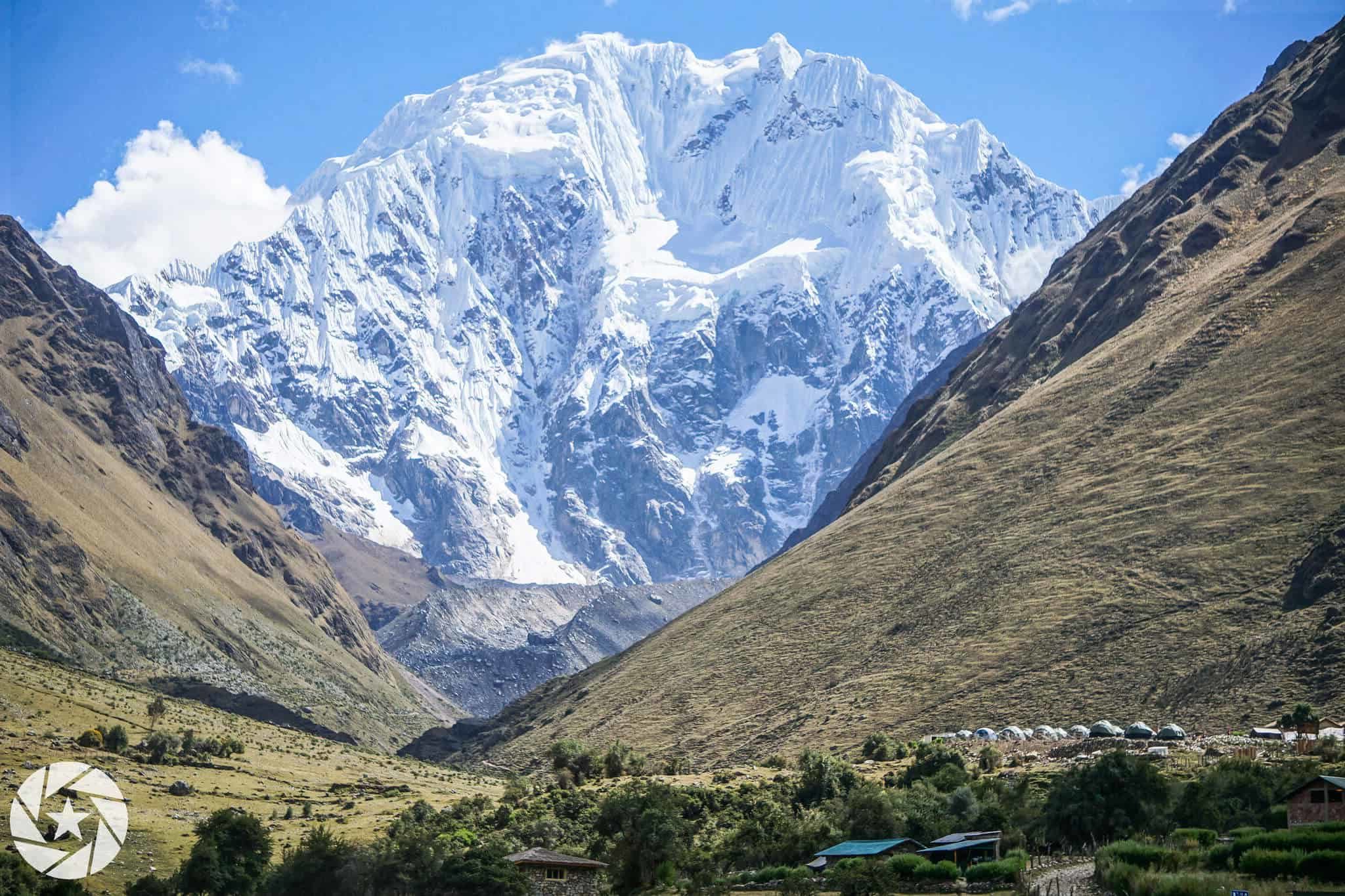
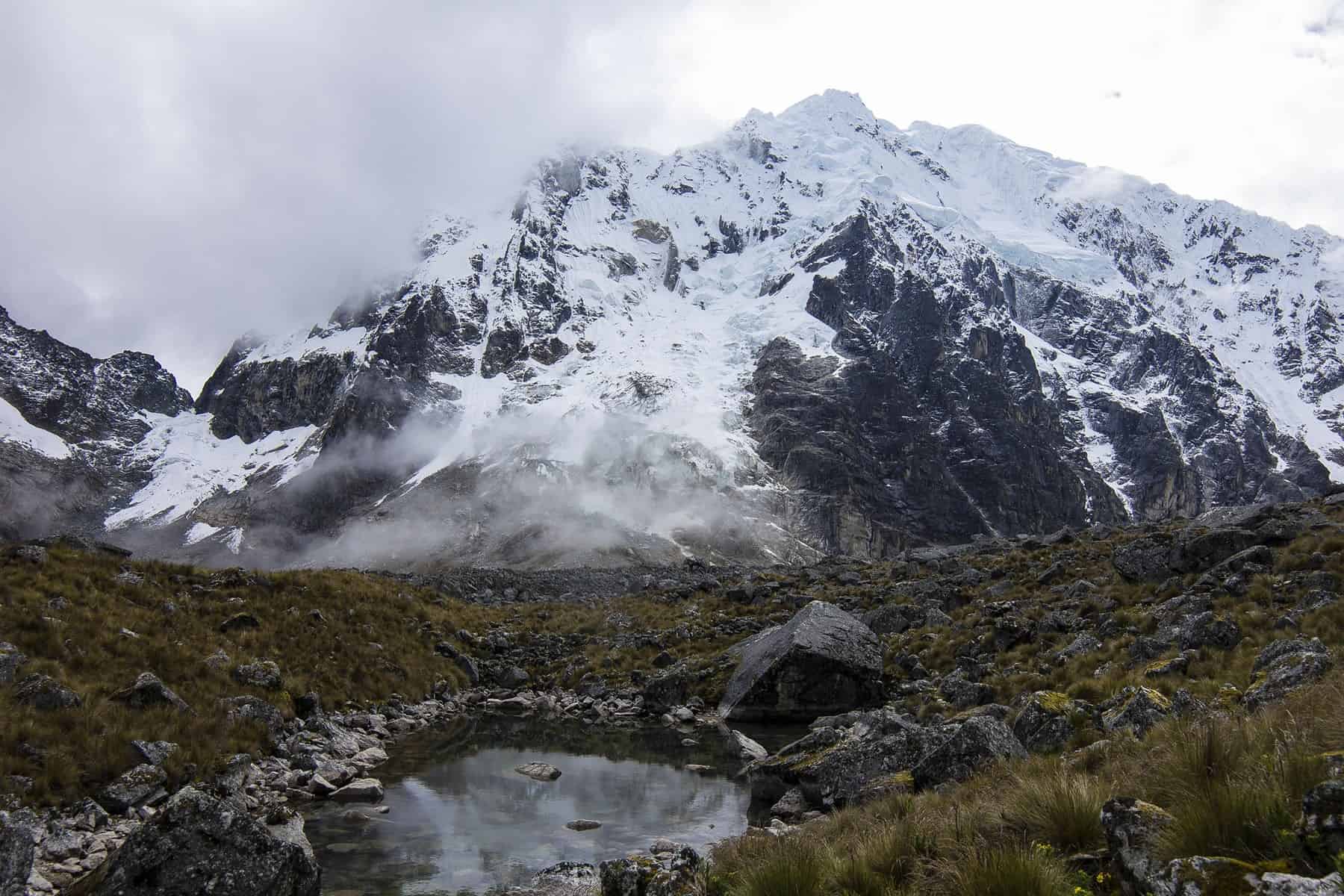
On the second day of the trek, the Salkantay trail takes a challenging route that reaches approximately 4,800 metres at its highest point of the trek (Salkantay mountain pass) – considerably higher than the highest point on the Inca Trail.
The route combines spectacular mountain scenery with a descent into the Andean cloud forest and eventually the lush jungle. Along the way, trekkers can visit interesting Inca sites such as Llactapata.
Our innovative 5-day Salkantay itinerary is designed to keep you out of sync with some of the largest groups, although Salkantay is a popular route and you can expect to meet fellow trekkers along the way.
The trek also includes a short hike to Lake Humantay and a hands-on coffee-making workshop at Lucmabamba, where you can also add a homestay.
If you’re especially fit and looking for an extra challenge, you can also complete the Salkantay Trek in 4 days and reach Machu Picchu even faster!
RELATED:
Salkantay Trek Difficulty
Salkantay Trek Vs Inca Trail – Which Trek Is Best For Me?
#5 Huchuy Qosqo Trek – Best Short Inca Trail Alternative
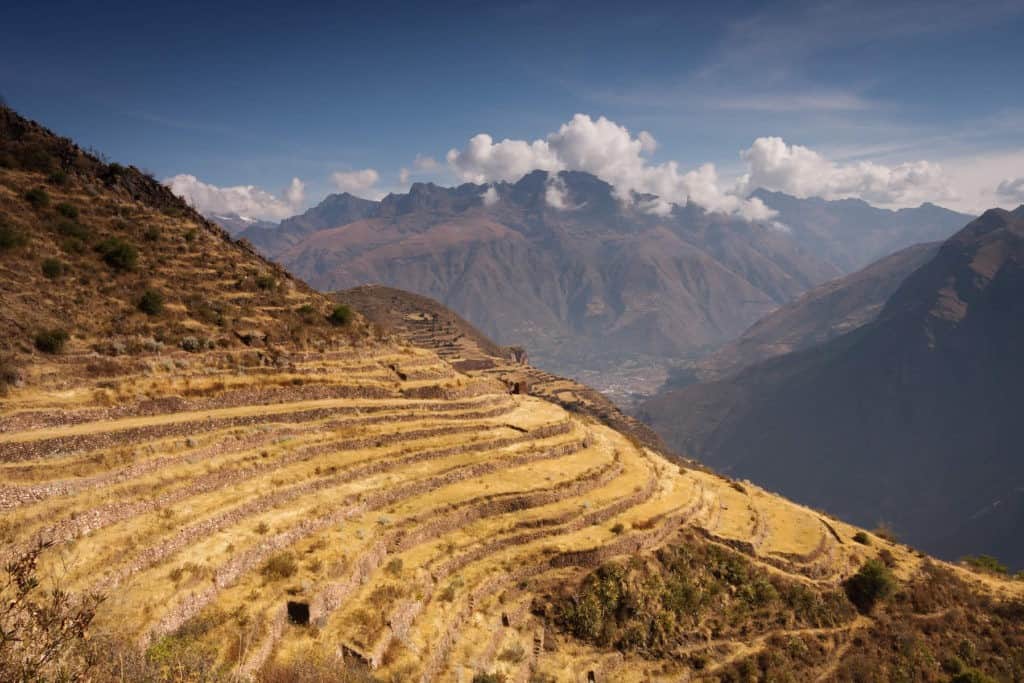
The 3-day Huchuy Qosqo Trek is a great option for travellers who are short on time but still want a genuine alternative Machu Picchu experience.
Starting on the outskirts of Cusco, the route follows ancient Inca trails toward the Sacred Valley, visiting the archaeological site of Huchuy Qosqo along the way.
Huchuy Qosqo means “Small Cusco” in Quechua and refers to an impressive Inca archaeological complex overlooking the Sacred Valley.
The trek is relatively short compared with many other routes in the region. Our itinerary includes two days of hiking, an overnight stay in Aguas Calientes and a visit to Machu Picchu on the third day before returning to Cusco.
You can also choose to skip Machu Picchu and return to Cusco after the trek.
#6 Ancascocha Trek – Machu Picchu Hiking Trail Alternative
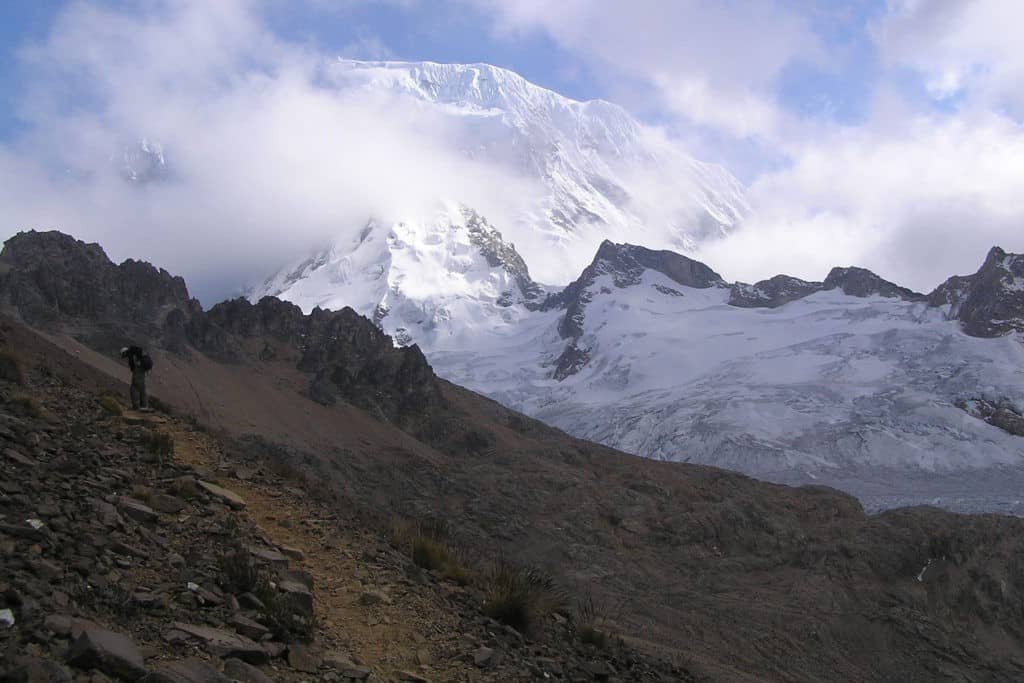
Ever wanted to trek through the Andes with little more than clean mountain air and stunning views surrounding you? The Ancascocha Trek may be the route for you.
You will hike through high-Andean farming communities, pass jewel-like mountain lakes and camp in the shadow of some of the region’s most impressive snow-capped peaks, including Salkantay and Humantay.
Ancascocha lies in the valley next to the one where Huayllabamba, the first campsite on the Classic Inca Trail, is located.
The first time our co-founder Ariana hiked Ancascocha, she ended up walking in reverse down the Inca Trail. Talk about an alternative route!
“What I love about the Andes is learning how they are not a wild untapped wilderness, but the homes of people who have lived here for centuries. Everything is connected by trails that can be used as hiking trails by us foreigners.” – co-founder, Ariana Svenson
Leave us a message if you are interested in this trekking experience.
#7 Inca Quarry Trail – Hike to a Different Sun Gate
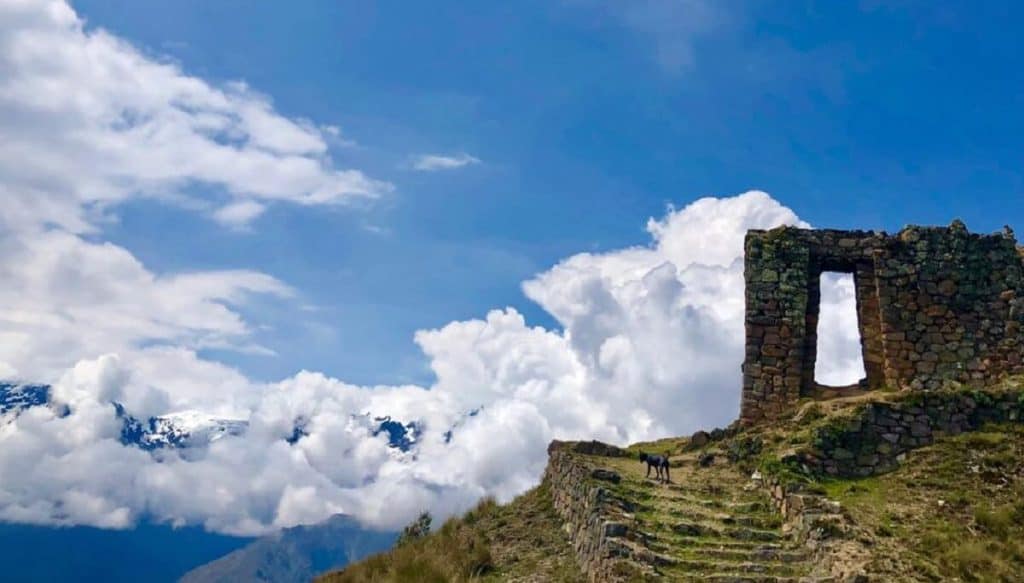
If you are researching Inca Trail alternatives around Cusco, you may also come across the Inca Quarry Trail.
Just a valley or two away from Ancascocha, the Quarry Trail passes through similar landscapes, with farming communities, archaeological sites and views of snow-capped peaks.
It is extremely wild and remote compared with the Classic Inca Trail.
The route reaches approximately 4,400 metres and passes isolated villages, dramatic mountains, high waterfalls, Andean flora and fauna, and ancient stone quarries.
These quarries were used by pre-Inca and Inca civilizations to obtain stone for major construction projects, including the impressive complex at Ollantaytambo.
The trek also passes archaeological sites such as Perolniyoc Waterfall and the Raqaypata Archaeological Park. The ruins sit above the waterfall and include their own impressive Sun Gate.
This Sun Gate is not the same as the Intipunku at the end of the Classic Inca Trail, but it offers a fascinating glimpse into the region’s ancient history.
At the moment, Apus Peru does not feature the Inca Quarry Trail as a multiday camping trek on our website. However, contact us and we can discuss creating a customized itinerary.
How to Choose the Best Inca Trail Alternative & Trek in Peru
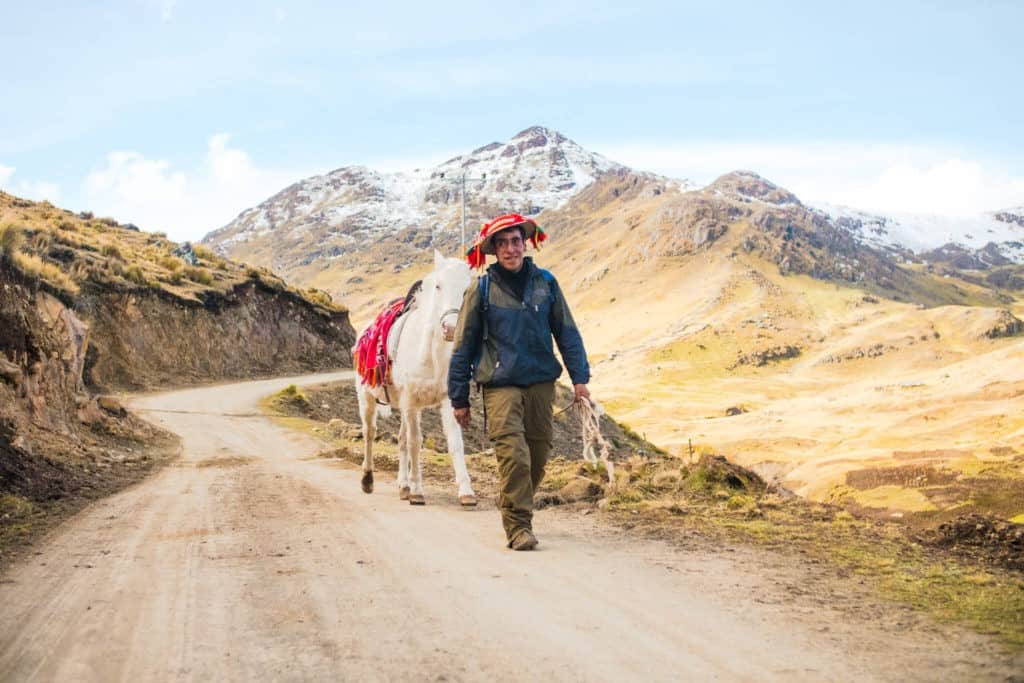
There is no single “best” Inca Trail alternative. The right trek depends on what you want from your time in the Andes.
If you want to enter Machu Picchu through the Sun Gate, the Classic Inca Trail or Short Inca Trail are your options. We also have a blog post with great Machu Picchu alternatives that do not necessarily include a trek!
If reaching the ancient Inca citadel of Machu Picchu is important but you want a completely different trekking experience, consider Salkantay, Lares, Huchuy Qosqo or Ancascocha.
If your priority is remote archaeology and adventure, Choquequirao is an excellent choice.
For high-altitude landscapes and wildlife, Ausangate offers something completely different from the Inca Trail.
And if you have plenty of time and want a serious expedition combining archaeology, remote communities and Machu Picchu, the Choquequirao to Machu Picchu route is hard to beat.
Find Your Ideal Inca Trail Alternative
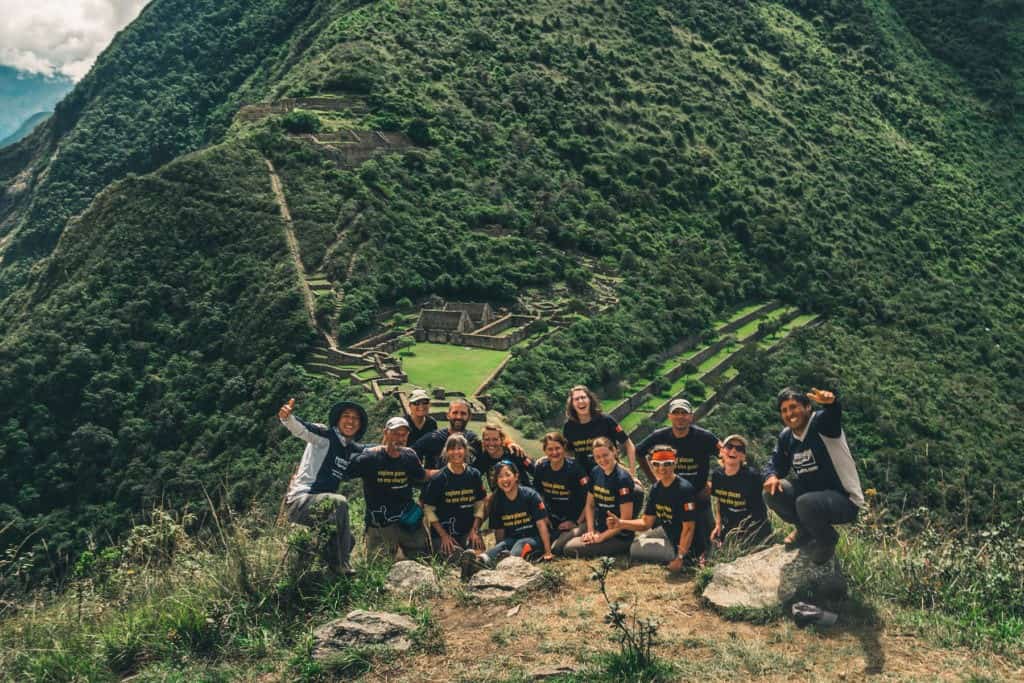
Not sure which Inca Trail alternative is right for you? The best route depends on how much time you have, your trekking experience, your interest in Inca history or Andean culture, and whether hiking Machu Picchu is essential to your itinerary.
As specialists in alternative Inca Trail treks, we have plenty of ideas for customizing your trekking experience around your interests and schedule.
You can also explore Trekkers Wanted platform with open group departure treks, or discover the 25 Best Hikes in Peru for even more inspiration.
Or, get in touch with our team. Our Peru trekking specialists can help you discover the best trekking route and create a customized itinerary.








Pretty great post. I just stumbled upon your blog and wished to say that I’ve really enjoyed surfing around your weblog posts. In any case I will be subscribing to your feed and I am hoping you write again soon! bdkbgkedgfca
Thank you for your positive comments John. The blog will be being updated more frequently in the coming months. Happy you enjoyed our site.